
The burning, tingling, or numbness in your feet isn’t the real problem—it’s a symptom. Think of it as a warning light on your car’s dashboard; it’s telling you that there’s an underlying issue that needs to be addressed. Simply masking the pain with temporary fixes won’t lead to lasting comfort. To truly find relief, you have to get to the bottom of what’s causing the discomfort in the first place. We’ll walk through the most common causes, from thyroid issues to skin conditions, and explain how identifying your specific trigger is the first step in finding the best treatment for burning feet. This approach focuses on addressing the core problem, paving the way for genuine, long-term relief rather than a cycle of recurring symptoms.
Key Takeaways
- Address the Real Problem, Not Just the Symptom: Burning feet are a signal of an underlying issue like diabetic neuropathy, a vitamin deficiency, or a thyroid condition. Working with your doctor to get a clear diagnosis is the most critical step toward finding a treatment that provides lasting relief.
- Combine Immediate Comfort with Long-Term Habits: Use simple, at-home strategies like cool water soaks and gentle massage for fast relief during a flare-up. Pair these with consistent lifestyle changes—like wearing supportive shoes and improving your diet—to manage the condition day-to-day.
- Don’t Hesitate to Seek Professional Help: If your symptoms are persistent, getting worse, or not responding to home remedies, it’s time to see a doctor. Prompt medical care can prevent further nerve damage and get you on a targeted treatment plan for your specific needs.
What Causes Burning Feet?
That persistent, fiery sensation in your feet isn’t just an annoyance; it’s a signal from your body that something is off. Burning feet can range from a mild, warm feeling to severe, debilitating pain that disrupts your sleep and daily activities. The sensation happens when the nerves in your feet become overactive and send pain signals to your brain, even without an actual injury. Understanding the root cause is the first step toward finding effective relief.
The reasons behind this discomfort are varied, spanning from underlying medical conditions to lifestyle factors. For many, it’s a direct result of nerve damage, also known as neuropathy. This damage can be triggered by a number of health issues, which is why it’s so important to get to the bottom of it. By identifying the specific trigger, you and your doctor can create a targeted plan to manage the symptoms and address the core problem. This approach focuses on providing deep, cellular-level nerve support rather than just masking the pain. Let’s walk through some of the most common causes.
Diabetic Neuropathy
One of the most frequent culprits behind burning feet is diabetic neuropathy. This condition is a type of nerve damage that can occur if you have diabetes. Over time, high blood sugar levels can injure nerve fibers throughout your body, but it most often affects the nerves in your legs and feet. In fact, up to half of all people with diabetes experience some form of peripheral neuropathy. This damage disrupts the nerves’ ability to transmit signals correctly, leading to sensations of burning, tingling, or numbness. Managing blood sugar is a critical step in preventing further damage and easing symptoms.
Vitamin Deficiencies
Your nerves rely on a steady supply of specific nutrients to stay healthy and function properly. A deficiency in certain B vitamins—particularly B12, B6, and B9 (folate)—can lead to nerve damage and that familiar burning feeling in your feet. This is more common among older adults, whose bodies may not absorb nutrients as efficiently, and those following strict vegetarian or vegan diets, as vitamin B12 is primarily found in animal products. If a vitamin deficiency is the cause, supplementation and dietary changes can often help repair nerve function and reduce symptoms.
Thyroid Issues
Sometimes, the problem isn’t directly related to your feet but stems from a hormonal imbalance elsewhere in your body. An underactive thyroid gland, a condition known as hypothyroidism, can throw your metabolism and other bodily functions out of whack. When your thyroid doesn’t produce enough hormones, it can lead to fluid retention, which may put pressure on your nerves. Over time, severe and untreated hypothyroidism can also cause peripheral neuropathy, contributing to the burning, tingling, and numbness you might be feeling in your feet.
Skin Conditions and Infections
Not all cases of burning feet are caused by internal nerve issues. Sometimes, the problem is literally skin-deep. Fungal infections like athlete’s foot are a common cause of burning, stinging, and itching between the toes and on the soles of the feet. This condition is caused by a fungus that thrives in warm, moist environments like sweaty socks and shoes. Unlike neuropathy, the burning from athlete’s foot is usually accompanied by visible signs like red, scaly, or cracked skin. Treating the underlying infection with topical antifungal creams typically resolves the discomfort.
Other Nerve-Related Conditions
A variety of other factors can also contribute to nerve damage and lead to burning feet. For instance, long-term heavy alcohol consumption is toxic to nerves and can result in a condition called alcoholic neuropathy. Certain medications, including some used for chemotherapy, heart conditions, and high blood pressure, can also have nerve damage as a side effect. If you suspect your medication might be contributing to your symptoms, it’s important to discuss it with your doctor. They can help you weigh the benefits and risks or explore alternative treatments.
What Does Burning Feet Feel Like?
If you’ve ever tried to explain the sensation of burning feet to someone, you know that words often fall short. It’s not just a feeling of warmth—it’s a complex and disruptive discomfort that can affect your daily life, from the moment you wake up to when you try to sleep. Understanding the specific sensations is the first step toward finding relief. The feeling can vary from person to person, but there are several common experiences that point to underlying nerve issues.
The Primary Sensations
The main feeling is right there in the name: an intense, often painful heat. This isn’t like the pleasant warmth of cozy socks; it’s a persistent, uncomfortable heat that feels like it’s coming from deep within your feet. Many people describe it as though they are standing on hot pavement or that their feet are on fire. This sensation can be constant or come in waves, but it’s typically strong enough to make wearing shoes or even having a blanket touch your feet feel unbearable. It’s a frustrating experience that signals your nerves are sending distress signals.
Other Associated Symptoms
The burning rarely travels alone. It’s often accompanied by a whole host of other strange and uncomfortable feelings. You might experience sharp, shooting pains that feel like electric shocks, or a constant, dull ache that leaves your feet feeling heavy. Many also report a tingling “pins and needles” sensation, similar to when a limb falls asleep. Numbness is another common partner to the burning, creating a confusing mix of over-sensation and no sensation at all. Your skin might also appear red or feel warm to the touch, even if the problem is internal. This collection of symptoms is often part of what experts call burning feet syndrome.
When Symptoms Tend to Worsen
One of the most challenging aspects of burning feet is its timing. For many people, the symptoms become significantly worse at night. Just as you’re trying to relax and fall asleep, the burning and tingling can ramp up, leading to restless nights and fatigue. This can be incredibly disruptive to your sleep cycle and overall well-being. The discomfort might subside a bit during the day, only to return with a vengeance in the evening. This frustrating pattern highlights the need for a consistent approach that provides deep, cellular-level nerve support to help manage symptoms around the clock.
Finding the Right Medical Treatment
When home remedies aren’t cutting it, it’s time to team up with your doctor. A proper medical diagnosis is the first step toward finding a treatment plan that addresses the root cause of your burning feet, not just the symptoms. Your doctor can help you explore a range of options, from prescription medications to targeted therapies, creating a strategy that’s tailored specifically to you and your health needs. This partnership is key to getting long-term relief and getting you back on your feet, comfortably. Let’s walk through some of the most common medical approaches you might discuss.
Prescription Nerve Pain Medication
If the burning sensation is severe and interfering with your daily life, your doctor might suggest prescription medication. These aren’t your typical over-the-counter pain relievers; they are specifically designed to target nerve pain. Medications like gabapentin, duloxetine, or amitriptyline work by calming overactive nerves to reduce the painful signals they send to your brain. Your doctor will determine the right medication and dosage for you, considering your overall health and the specific cause of your nerve discomfort. It’s all about finding a solution that provides significant relief from nerve pain so you can focus on living your life.
Managing Underlying Health Conditions
Often, burning feet are a sign that something else is going on in your body. That’s why getting to the bottom of the root cause is so important for stopping further nerve damage. For example, if diabetic neuropathy is the culprit, the main focus will be on managing your blood sugar levels through diet, exercise, and medication. If a vitamin B12 deficiency is to blame, your doctor will likely recommend supplements or dietary changes. By treating the underlying condition, you’re not just masking the symptom—you’re addressing the problem at its source, which is the most effective path to lasting relief.
Professional Therapies and Procedures
Sometimes, a hands-on approach is a great addition to your treatment plan. A physical therapist can create a program tailored to your specific needs, helping you regain strength and reduce discomfort. Your plan might include guided movements to improve flexibility, balance exercises to help you feel more stable on your feet, and other specialized treatments designed to soothe irritated nerves. This kind of therapy doesn’t just help with the pain; it can also improve your mobility and confidence, making it easier to get back to the activities you love. It’s a proactive way to support your body’s healing process.
Advanced Nerve Support
Beyond traditional treatments, new approaches are focusing on supporting nerve health at a deeper, cellular level. This is where advanced nerve support systems come in. These systems often use a combination of powerful ingredients, like alpha-lipoic acid, which is well-regarded for its ability to help manage neuropathic symptoms. Instead of just masking pain, these solutions are engineered to provide the essential nutrients your nerves need to function properly. The goal of an AI-enhanced nerve support system is to address the root causes of discomfort, helping your body from the inside out and paving the way for genuine, long-term relief.
How to Get Immediate Relief at Home
When that familiar burning sensation starts in your feet, finding fast relief is the only thing on your mind. While getting to the bottom of the underlying cause is the most important long-term goal, you also need practical ways to manage the discomfort at home. These immediate relief strategies can be a game-changer, helping you calm a flare-up so you can get on with your day or rest comfortably at night. Think of them as your personal toolkit for soothing angry nerves right when they act up. The best part is that they are simple, accessible, and don’t require any special equipment. From a simple basin of water to the power of touch, these methods focus on providing direct comfort to your feet, helping to interrupt the pain signals and improve circulation. Here are a few of the most effective at-home remedies you can turn to for
Cool Water Soaks
One of the simplest and fastest ways to calm burning feet is with a cool water soak. Submerging your feet in a basin of cool—not ice-cold—water for about 15 minutes can help dial down the intense burning sensation. The cool temperature can temporarily reduce nerve activity, offering a welcome reprieve. For an extra cooling effect, try pointing a fan at your feet after the soak. This gentle method is a great starting point for immediate relief and can be repeated as needed throughout the day when you feel a flare-up coming on.
Topical Creams and Gels
For targeted relief, over-the-counter topical treatments can be incredibly effective. Products containing capsaicin (the compound that makes chili peppers hot) or lidocaine can provide temporary relief by desensitizing the nerve endings in your skin. You can find these as creams, gels, or patches at your local pharmacy. Applying them directly to the affected areas on your feet can create a numbing or cooling effect that interrupts the pain signals. It’s a great option for when you need to get on with your day and can’t sit down for a soak.
Gentle Foot Massage
A gentle foot massage can do wonders for improving blood flow and easing discomfort, especially if poor circulation is contributing to your symptoms. You don’t need any special techniques—simply use your hands to gently rub your feet, focusing on the areas that feel most uncomfortable. This simple act can help stimulate circulation and soothe irritated nerves. It’s also a wonderful way to practice a little self-care at the end of a long day, helping you relax while also tending to your feet.
Supplements for Nerve Health
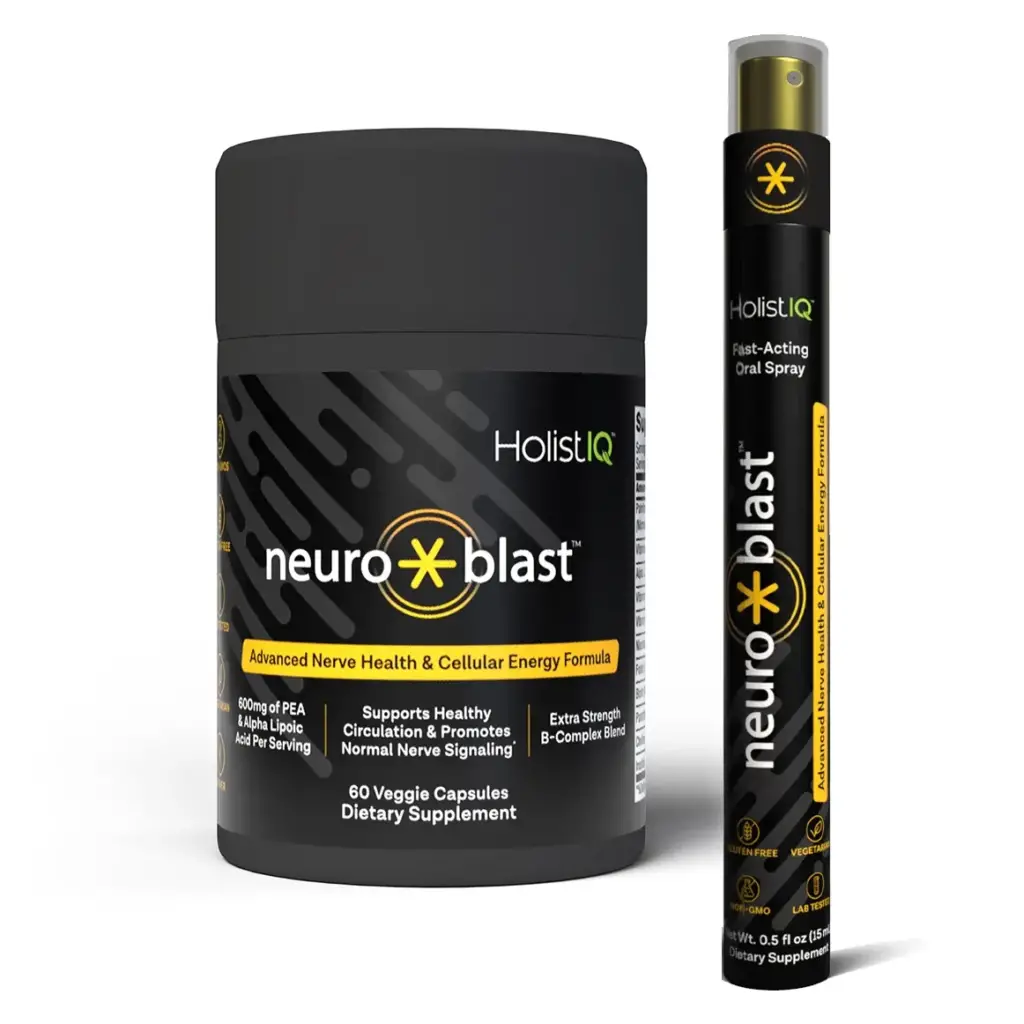
Supporting your nerve health from the inside out is a crucial long-term strategy, but it can also contribute to your immediate comfort. Deficiencies in B vitamins, particularly B6 and B12, are often linked to nerve pain. Another powerful supplement, alpha-lipoic acid, is an antioxidant that has been shown to help manage neuropathic symptoms. While these won’t work in minutes like a cool soak, incorporating a high-quality supplement system can help your body build the foundation for healthier nerves. The Neuro-Blast system is designed to provide this kind of deep, cellular-level support to help you get moving again.
Lifestyle Changes for Long-Term Management
Finding lasting relief from burning feet often involves more than just immediate treatments. It’s about building a foundation of healthy habits that support your nervous system day in and day out. Making small, consistent adjustments to your daily routine can have a powerful impact on managing your symptoms and improving your overall well-being. Think of these lifestyle changes as your long-term strategy for getting back on your feet and staying there. When you combine these practices with an advanced nerve support system, you create a comprehensive approach to care that addresses discomfort from multiple angles, helping you feel more in control.
This holistic view is about seeing the bigger picture. From the shoes you wear to the food you eat and how you manage stress, every choice can either contribute to your comfort or add to the problem. By focusing on these key areas, you’re not just masking symptoms; you’re creating an environment where your body can thrive and your nerves get the support they need. These aren’t drastic overhauls but rather sustainable shifts that, over time, can significantly reduce the frequency and intensity of that burning sensation. It’s about empowering yourself with the knowledge to make better daily choices that add up to significant, lasting relief.
Choose the Right Footwear
The shoes you wear every day can either soothe your feet or make the burning sensation worse. The goal is to give your feet space and support, not squeeze them. Look for shoes with a wide toe area, low heels, and solid arch support. This combination helps distribute your weight evenly and reduces pressure on sensitive nerves. When you’re shopping, try on shoes at the end of the day when your feet are most likely to be swollen. A proper fit prevents rubbing and irritation, giving your feet the stable, comfortable environment they need to feel better.
Adjust Your Diet and Manage Blood Sugar
What you eat has a direct line to your nerve health, especially if your burning feet are related to diabetes. Keeping your blood sugar levels stable through diet and any prescribed medication is one of the most important things you can do. Beyond managing sugar, certain nutrients are vital for nerve function. A deficiency in B vitamins, for example, is a known cause of neuropathy. You can talk to your doctor about incorporating more B-vitamin-rich foods into your diet or whether taking supplements like B6, B9 (folate), or B12 might be right for you.
Exercise to Improve Circulation
When your feet burn, exercise might be the last thing on your mind, but gentle movement can be incredibly helpful. The key is to improve blood flow to your lower legs and feet. Good circulation ensures that your nerves get the oxygen and nutrients they need to function properly and repair themselves. You don’t need to run a marathon; simple activities like daily walks, swimming, or stationary cycling can make a big difference. Consistent, low-impact physical activity helps reduce symptoms over time and supports your overall cardiovascular health.
Practice Stress Management
Stress can turn up the volume on pain and discomfort throughout your body, including in your feet. When you’re tense, your body’s sensitivity to pain can increase, making neuropathy symptoms feel more intense. Finding effective ways to manage stress is a crucial part of your long-term plan. This doesn’t have to be complicated. Simple practices like deep breathing exercises, gentle stretching, listening to calming music, or spending a few minutes meditating each day can help calm your nervous system. By reducing your overall stress levels, you can help lower the intensity of your burning feet symptoms.
When Should You See a Doctor?
While at-home strategies can offer temporary comfort, they are not a substitute for professional medical advice. The burning sensation in your feet is a signal from your body, and understanding the root cause is the only way to find lasting relief. Ignoring persistent symptoms or trying to self-diagnose can lead to bigger problems down the road. A doctor can perform the necessary tests to give you a clear diagnosis and a treatment plan that addresses the specific reason for your discomfort.
Think of it this way: you can manage the smoke, but a professional is needed to find and put out the fire. Let’s walk through the specific signs that mean it’s time to make that appointment.
Red Flags That Require Immediate Attention
Some symptoms are more than just an annoyance; they’re warning signs that require prompt medical care. Burning feet can sometimes point to a more serious underlying issue, like diabetes or nerve damage, that needs to be treated to prevent permanent harm. If you experience a sudden onset of burning, tingling, or numbness in your feet, it’s important to see a doctor right away. You should also seek immediate care if the sensation spreads to your legs, you feel weakness in your limbs, or you notice any open sores on your feet that aren’t healing. These are not “wait and see” situations.
If Your Symptoms Persist or Get Worse
Maybe your symptoms didn’t appear overnight, but they’ve settled in and refuse to leave. If the burning or tingling in your feet isn’t getting better, or if it’s actually getting worse despite your efforts with home remedies, it’s a clear sign that you need to see a doctor. Persistent discomfort is your body’s way of telling you that the underlying problem hasn’t been resolved. Before your appointment, it can be helpful to jot down a few notes about your symptoms: when they started, what they feel like, and what, if anything, provides temporary relief. This information will help your doctor get a clearer picture of what’s going on.
When Home Remedies Aren’t Enough
You’ve tried cool soaks, new shoes, and topical creams, but the burning feeling is still there. When home remedies fail to provide meaningful or lasting relief, it’s time to stop guessing and get a professional opinion. The most important step you can take is to visit your doctor. They can perform a physical exam, review your health history, and run diagnostic tests to pinpoint the exact cause of your symptoms. Once you have a clear diagnosis, you can move forward with a targeted treatment plan. This may include exploring advanced options like the Neuro-Blast system, which is designed to provide deep, cellular-level support for nerve health.
How to Prevent Burning Feet from Returning
Finding relief from burning feet is a huge win, but the real goal is to keep that feeling from coming back. Preventing a recurrence is about adopting a consistent, proactive approach to your health. By focusing on long-term management of underlying conditions, a daily foot care routine, and healthy habits, you can create a strong defense against future flare-ups. These strategies work together to support your nerve health from the inside out, helping you stay comfortable and active.
Your Long-Term Management Strategy
The most effective way to prevent burning feet is to manage the root cause. If you have diabetes, making blood sugar management your top priority is the best defense against further nerve damage. Work closely with your doctor to monitor your levels and stick to your treatment plan. Beyond managing specific conditions, it’s wise to schedule regular check-ups with a podiatrist. These appointments allow a professional to monitor your foot health, catch potential issues early, and offer personalized advice before minor problems become major ones.
A Daily Foot Care Routine
Making foot care a non-negotiable part of your day can make a world of difference. Set aside a few minutes each evening to inspect your feet for any cuts, blisters, or sores. Since neuropathy can reduce sensation, you might not feel a small injury, so a visual check is crucial. Always wash your feet with mild soap and warm water, and be sure to dry them completely, especially between the toes. Finally, choose your footwear carefully. Wearing well-fitting, supportive shoes and soft socks can protect your feet from pressure and friction that could lead to problems.
Maintain Healthy Habits
Your daily lifestyle choices directly impact your nerve health. Eating a balanced diet rich in essential nutrients, particularly B vitamins, gives your nerves the fuel they need to function properly. Gentle, regular exercise like walking or swimming is also fantastic for improving circulation to your feet, which is vital for nerve repair. It’s also important to limit alcohol, as excessive consumption can be toxic to nerve tissue. These healthy habits create an environment where your body can thrive, supporting your nervous system and complementing a targeted solution like the Neuro-Blast system.
Related Articles
- Burning Feet Relief: Why It Happens & How to Stop It
- 5 Soothing Home Remedies for Neuropathy of the Feet
- How to Treat Poor Circulation in Feet: 5 Easy Steps
Frequently Asked Questions
Why do my feet seem to burn more at night? It’s a frustratingly common pattern for nerve-related discomfort to intensify in the evening. As you wind down for the day, there are fewer distractions to keep your mind occupied, which can make you more aware of the burning sensation. Additionally, changes in your body’s natural rhythms and hormone levels at night can influence how you perceive pain. This nightly flare-up is a key reason why a consistent management plan that supports your nerves around the clock is so important for getting restful sleep.
Is the burning in my feet always a sign of serious nerve damage? Not necessarily, but it’s always a signal to pay attention. While nerve damage from conditions like diabetic neuropathy is a very common cause, the sensation can also stem from other issues. For example, a simple fungal infection like athlete’s foot can cause intense burning and itching. The key is to look for other clues. If the burning is accompanied by redness and peeling skin, it might be a topical issue. If it comes with tingling or numbness, it’s more likely related to your nerves. A doctor can help you figure out the true source.
Can I rely only on home remedies like cool soaks for relief? While at-home remedies like cool soaks and topical creams are fantastic for providing immediate, temporary relief, they don’t address the underlying cause of the problem. Think of them as tools to manage a flare-up, not as a long-term solution. Lasting relief comes from identifying and treating the root issue, whether it’s a vitamin deficiency, a thyroid condition, or another health concern. Using home remedies in combination with a doctor-approved treatment plan gives you the best of both worlds.
How long will it take for lifestyle changes to make a difference? Patience and consistency are your best friends here. Unlike a quick fix, the benefits of lifestyle changes—like adjusting your diet, choosing better footwear, or starting a gentle exercise routine—build up over time. You might notice small improvements in a few weeks, but the most significant changes often come after several months of sticking with your new habits. The goal is to create a supportive environment for your nerves to heal and function better, which is a gradual but powerful process.
If I start taking a nerve support supplement, should I stop my other medications? Absolutely not. You should never stop or change any prescribed medication without first talking to your doctor. An advanced nerve support system is designed to work alongside your existing treatment plan, not replace it. Think of it as providing your body with the specific nutritional tools it needs for cellular-level nerve health. Always discuss any new supplements with your healthcare provider to ensure they fit safely and effectively into your overall management strategy.