
Think of supporting your nerve health like tending to a garden. You wouldn’t just dump a week’s worth of water on your plants and hope for the best. You provide a steady, consistent amount each day. Taking PEA works the same way. It nourishes your nervous system over time, and finding the best time to take a PEA supplement is about creating that steady supply. This guide explains why a consistent morning and evening routine is so effective. We’ll cover how this simple schedule helps maintain stable levels in your body, giving your nerves the continuous support they need to calm down.
Key Takeaways
- Patience and Consistency are Key: PEA isn’t a quick fix; it works with your body over time. For the best results, take it consistently every day for at least two months to allow it to build up in your system and provide lasting support.
- Find Your Rhythm for Best Results: Create a steady supply of support for your nerves by splitting your daily dose into a morning and evening serving. Taking it with food helps your body absorb it more effectively and is gentler on your stomach.
- Talk to Your Doctor First: Your safety is the top priority, so always chat with your doctor before starting any new supplement. They can help you determine the right dose and make sure PEA is a good fit for your specific health needs.
What is PEA? And Why Does Timing Matter?
If you’re exploring ways to manage nerve discomfort, you may have come across an ingredient called PEA. Understanding what it is and how it works can help you see why when you take it is just as important as what you’re taking. PEA isn’t a quick fix; it’s a compound that works with your body over time to provide lasting support. Think of it as helping your body rebuild its natural defenses against discomfort rather than just masking the symptoms.
This cumulative effect is key. Your body needs time to build up its PEA levels to effectively calm overactive nerves and reduce inflammation. That’s why consistency is so important. Sticking to a regular schedule allows PEA to work steadily in your system, offering a more stable and sustained sense of relief. Let’s break down what PEA is and why a consistent routine makes all the difference.
A Quick Intro to Palmitoylethanolamide (PEA)
Palmitoylethanolamide, or PEA for short, is a natural fatty acid your body produces to help manage pain and inflammation. It’s a completely natural compound found in certain foods like egg yolks, soybeans, and peanuts. Your body uses PEA as part of its internal repair system, sending it to areas that are stressed or damaged to help calm things down. When you’re dealing with persistent nerve discomfort, your body’s demand for PEA can outpace its natural supply. Supplementing with PEA helps restore these levels, giving your body the resources it needs to address discomfort at its source.
How PEA Works with Your Body’s Systems
So, how does PEA actually work? It primarily interacts with special cells in your nervous system called glial cells. When these cells become overactive, they can contribute to persistent pain signals and inflammation. PEA helps to soothe these cells, bringing them back into balance. By doing this, it helps quiet the overactive nerves that cause discomfort. This process supports your nervous system on a deep, cellular level, which is a different approach than simply blocking pain signals temporarily. It’s about restoring balance so your body can better manage discomfort on its own.
Why the “When” Affects the “How Well”
Because PEA works by gradually building up in your system, timing and consistency are everything. It’s not like a typical pain reliever that you take for immediate results. Instead, most people begin to feel a noticeable difference within four to six weeks of consistent use. For the full, most effective benefits, it can take up to three months. This is because you are replenishing your body’s natural stores and allowing it to re-establish balance within the nervous system. Sticking to a regular schedule ensures that your PEA levels remain stable, providing continuous support for your nerves.
Finding Your Ideal PEA Dose and Schedule
Figuring out the right amount of PEA to take—and when to take it—is less about following a strict rule and more about listening to your body. Everyone’s system is a little different, so your ideal routine might not be the same as someone else’s. The goal is to find a consistent schedule that gives your nerves the steady support they need to help you get moving again. Think of it as a partnership with your body; it takes a little time to find your rhythm, but it’s worth the effort.
Your Starting Point: 400mg, Twice Daily
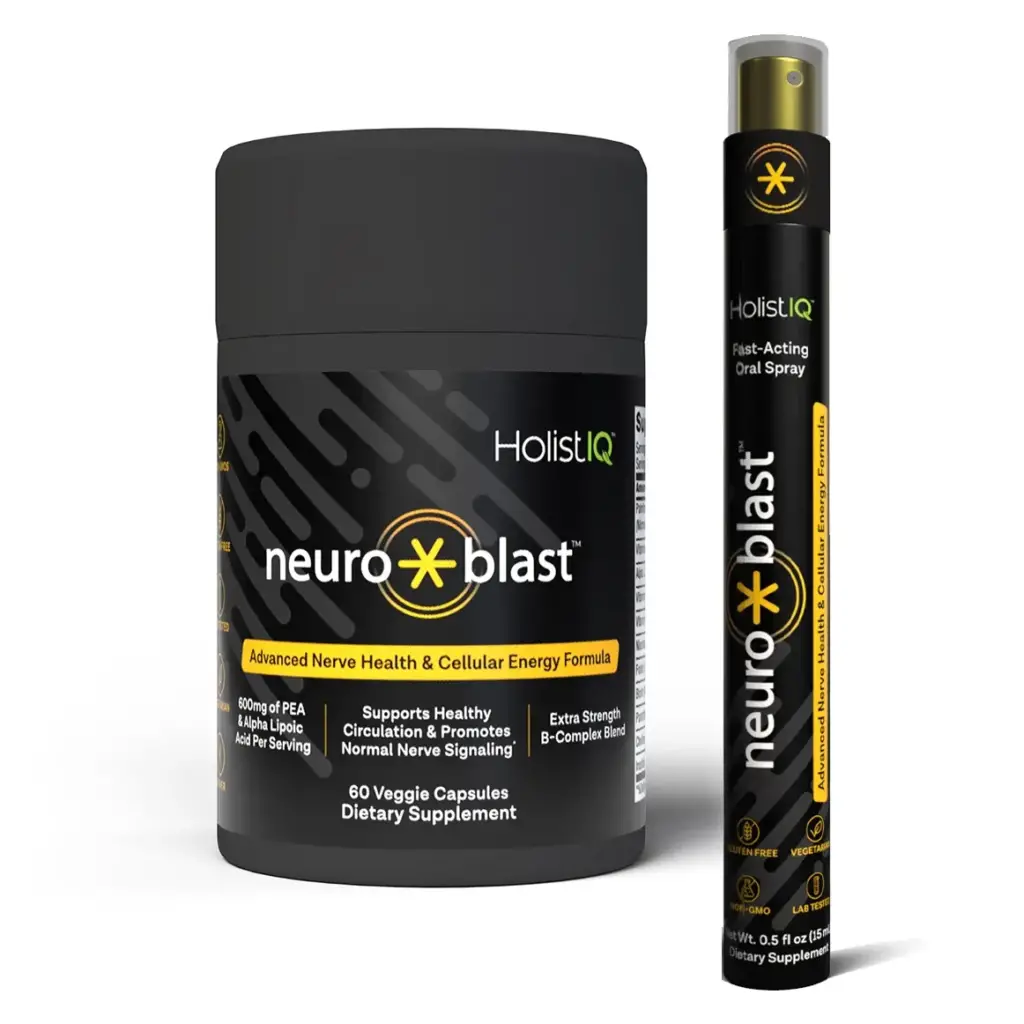
A great place to start is with one 400mg capsule, taken twice a day. This is a common and effective dose for many people beginning their PEA journey. Taking one in the morning and one in the evening helps establish a simple, easy-to-remember routine. The Neuro-Blast System is designed to make this straightforward. This initial dose gives your body a chance to acclimate and allows you to gauge how you feel without starting too high. Remember, consistency is more important than a high initial dose, so focus on sticking to your schedule every day.
The Benefit of Splitting Your Doses
Why not take your full dose all at once? Splitting it into a morning and evening serving helps maintain a more stable level of PEA in your system throughout the day and night. This steady supply provides continuous support for your nerves, rather than creating a spike that wears off after a few hours. This approach is central to how it works to calm nerve discomfort on a cellular level. By keeping those levels consistent, you’re giving your body the resources it needs to manage inflammation and soothe discomfort around the clock, which is key for long-term relief.
Know When to Adjust Your Dosage
Patience is key here, as PEA works with your body over time. Give your starting dose at least a few weeks to see how you feel. If you aren’t noticing much of a difference after two to four weeks, you might consider increasing your dose to two 400mg capsules, twice a day. If you still don’t feel a significant improvement after another month or two at the higher dose, PEA may not be the right solution for you. It’s always a good idea to chat with your doctor before making any changes to your supplement routine, especially if you have other health conditions or are taking other medications.
Should You Take PEA With or Without Food?
One of the most common questions people ask is about the best way to take PEA. Should you have it on an empty stomach or with a meal? While there’s no single strict rule, the general consensus points toward taking it with food. Doing so can make a real difference in how well your body uses the supplement and how you feel along the way. This small adjustment to your routine can help you get the most out of your PEA, supporting better absorption and minimizing the chance of an upset stomach. Let’s look at why this simple habit can be so effective.
Take with Meals for Better Absorption
PEA is a fatty acid amide, which means it’s fat-soluble. Taking it with a meal, especially one that contains some healthy fats like avocado, nuts, or olive oil, can help your body absorb it more effectively. Think of it like this: the fats in your food act as a carrier, helping to transport the PEA into your system where it can get to work. This simple step ensures you’re getting the full benefit from each dose. By pairing your supplement with a meal, you’re supporting the entire process of how it works on a cellular level to calm your nerves.
How to Avoid an Upset Stomach
While PEA is known for being very gentle on the system, a small number of people might experience mild stomach upset when they first start. Taking your dose with food is the easiest way to prevent this. Having a little something in your stomach acts as a buffer and can help sidestep any potential discomfort. If you know you have a sensitive stomach, you can also start with a lower dose and gradually increase it over a few days. This gives your body time to adjust. For more specific questions, our FAQ page is a great resource for quick answers.
Listen to Your Body: Find Your Best Routine
Ultimately, the best routine is the one you can stick with consistently. While taking PEA with food is a great guideline for absorption and comfort, what matters most is taking it daily. If pairing it with your morning coffee and breakfast helps you remember, that’s a win. If taking it with dinner fits better into your evening schedule, that works too. Pay attention to how you feel and find a rhythm that makes sense for your life. Consistency is what allows PEA to build up in your system and provide lasting support, which is the goal of the complete Neuro-Blast System.
What’s the Best Time of Day to Take PEA?
When you start taking a new supplement, it’s natural to wonder if you’re “doing it right.” With Palmitoylethanolamide (PEA), timing can make a real difference in how well it supports your body. It’s not about finding a single, magical minute of the day to take it. Instead, the best approach is about creating a steady, consistent routine that works in harmony with your body’s natural rhythms and your daily life.
Think of it less like a one-time fix and more like providing ongoing nourishment for your nervous system. The goal is to maintain a stable level of PEA in your system so it can work effectively around the clock. This is why splitting your dose and being consistent are the two most important strategies. By understanding how PEA works on a cellular level, you can create a simple schedule that helps you get the most out of every dose and supports your journey toward feeling better. Let’s walk through how to build that routine.
Why a Morning and Evening Dose Works Best
One of the most effective ways to take PEA is by splitting your daily amount into two separate doses: one in the morning and one in the evening. This approach helps maintain a consistent level of support in your body throughout the day and night. When you take it all at once, the levels can peak and then drop off. A split dose, however, provides a more stable, sustained effect.
Think of it like keeping a low, steady flame burning instead of a bright flash that quickly fades. Taking a dose with breakfast can help prepare your body for the day ahead, while an evening dose works to support your system as you rest and recover overnight. This simple rhythm is easy to remember and integrate into your daily routine.
Keep a Consistent Level in Your System
Consistency is your best friend when it comes to PEA. This isn’t a supplement you take only on days you feel discomfort; it’s designed to work cumulatively over time. Taking it daily allows PEA to build up in your system, providing the steady, reliable support your nerves need. Missing doses can interrupt this process and may reduce its overall effectiveness.
The easiest way to stay on track is to make it part of your established daily habits. Place your supplement next to your toothbrush or coffee maker as a visual reminder. By making the Neuro-Blast System a non-negotiable part of your morning and evening routine, you give your body the consistent foundation it needs to truly benefit from deep, cellular-level nerve support.
Match Your Doses to Your Pain Patterns
While a morning and evening schedule is a fantastic starting point, listening to your body is key. Everyone’s experience with nerve discomfort is unique, and your dosing schedule can be tailored to fit your specific patterns. Do you notice your symptoms flare up in the late afternoon? Or perhaps they tend to wake you up in the middle of the night? You can adjust your timing to provide support when you need it most.
For example, if afternoons are tough, you might take your doses with breakfast and lunch instead of breakfast and dinner. The goal is to find a rhythm that aligns with your body’s needs. If you have questions about adjusting your routine, the FAQs page is a great resource for guidance on personalizing your approach.
How Long Until You Feel a Difference?
When you start a new supplement for nerve discomfort, the biggest question on your mind is likely, “How long will this take to work?” It’s completely understandable to want relief as soon as possible. Unlike over-the-counter painkillers that mask symptoms temporarily, PEA works with your body to address discomfort at its source. This process of providing deep, cellular-level support takes a little time and consistency. While everyone’s body responds differently, there is a general timeline you can expect as PEA builds up in your system and begins to calm your nerves.
What to Expect in the First 2-8 Weeks
Patience is key, but you won’t have to wait forever to see signs of progress. Most people begin to notice positive changes within the first two to eight weeks of taking PEA consistently. This initial improvement might be subtle at first. You may notice that you can stand for a little longer without discomfort, or that the tingling in your hands or feet feels a bit less intense. Think of this period as the foundation-building phase. Your body is getting accustomed to the PEA, and the compound is starting its work to soothe and balance your nerve responses.
Aim for Full Benefits in 2-3 Months
While the first couple of months are encouraging, the real benefits often become more apparent after two to three months of steady use. This is when the cumulative effects of PEA really start to shine. To truly know if it’s the right solution for you, it’s important to commit to taking it for at least two months. Giving up too early means you might miss out on the full relief it can offer. Consistent use of a complete regimen like the Neuro-Blast System is the best way to ensure your body has the steady supply it needs to support your nerves long-term.
What Can Influence Your Results?
Your journey to relief is unique, and several factors can influence how quickly you feel a difference. Things like your overall health, diet, and how long you’ve been experiencing nerve discomfort can all play a role. The most important factor, however, is consistency. If you’ve been taking PEA as recommended for a couple of months and still aren’t seeing a noticeable improvement, it may not be the right fit for your specific needs. Listening to your body is crucial. If you have questions about your progress or how to get the most out of your routine, our team is always here to help through our support page.
Is PEA Safe? Potential Side Effects and Interactions
When you’re trying to find relief from nerve discomfort, the last thing you want is a solution that introduces a new set of problems. So, asking about the safety of any supplement you’re considering isn’t just smart—it’s essential. When it comes to PEA, the research and clinical use point to a strong safety profile, which is great news for those looking for a gentle but effective option.
PEA, or palmitoylethanolamide, is a fatty acid amide that your body actually produces on its own. Think of it as part of your body’s internal toolkit for managing inflammation and calming distressed nerves. Because it’s a substance your body already recognizes, it works in harmony with your natural systems instead of forcing a specific outcome like many synthetic drugs do. This is a key reason why PEA is so well-tolerated. Side effects are not only rare but are typically very mild when they do occur, such as minor digestive upset.
Of course, “safe” is a relative term, and what works for one person might not be right for another. Your personal health history and any medications you’re currently taking are important factors to consider. The goal is to feel confident and informed about your choices. Let’s walk through what the science says about PEA’s safety, how it interacts with other medications, and why a conversation with your doctor is always the best first step.
Why PEA Has a Strong Safety Profile
One of the most reassuring aspects of PEA is that it isn’t a foreign substance being introduced to your system. Your body creates it as needed to protect and repair cells, especially within your nervous and immune systems. This is the main reason why research shows that PEA is a natural substance with a very low risk of side effects.
Instead of introducing a synthetic compound, supplementing with PEA simply supports your body’s natural processes that may have been depleted due to chronic discomfort or inflammation. This approach minimizes the chance of adverse reactions. For most people, this means they can add PEA to their daily routine without worrying about the drowsiness, fogginess, or stomach issues that can come with other pain relief options.
Taking PEA with Other Medications
If you’re already taking medications for pain or other health conditions, you’re likely wondering how PEA fits into the picture. The good news is that PEA is known for having very few interactions with other drugs. Clinical use has shown that it can generally be taken safely alongside common pain relievers, including NSAIDs like ibuprofen, and even with many prescription medications.
However, this doesn’t mean you should make changes to your treatment plan on your own. It is absolutely essential to check with your doctor before adding PEA or any new supplement to your regimen. Your doctor has a complete view of your health and can confirm that your entire treatment plan will work together safely and effectively.
When to Talk to Your Doctor
Before you start taking PEA, the most important step you can take is to have a conversation with your doctor. While PEA is widely considered safe, your health situation is unique. A healthcare provider can help you figure out the right dosage for your specific needs and confirm that it’s a good fit for your overall wellness strategy.
Your doctor can review your current medications for any potential, though unlikely, interactions and offer personalized advice. As experts recommend, you should always talk to a doctor or healthcare provider to determine the best approach for any specific health condition. This simple conversation empowers you to move forward with confidence, knowing you’re making a safe and well-informed choice for your body.
Common Myths About Taking PEA
When you’re looking for relief from nerve discomfort, it’s easy to get tangled in a web of conflicting information. Palmitoylethanolamide (PEA) is a powerful compound, but it’s also surrounded by a few common myths that can set the wrong expectations. Let’s clear the air on what PEA is, what it isn’t, and how it actually works, so you can approach it with confidence and a clear understanding of its benefits for your nerve health.
Many people hear about a new supplement and hope for a miracle cure, but the reality is often more nuanced. PEA works differently than many conventional options, and knowing what to expect is crucial for success. It’s not about a quick fix; it’s about providing your body with the building blocks it needs to manage discomfort from the inside out. This means understanding its timeline, how it compares to other options, and why the quality of your supplement is non-negotiable. By separating fact from fiction, you can make an informed decision and commit to a routine that truly supports your well-being. Let’s walk through some of the biggest misconceptions to get you on the right track.
It’s Not an Instant Fix (and That’s Okay)
In a world of instant gratification, it’s natural to want immediate results. However, PEA isn’t like an over-the-counter pain reliever that works in 30 minutes. Instead, it works gradually by supporting your body’s internal systems to calm nerve discomfort at the source. Think of it as nurturing your body back to balance rather than just silencing a symptom. Most people begin to feel a difference within a few weeks, but it can take up to three months to experience the full benefits. This is because PEA needs time to build up in your system and support cellular-level changes. The key is patience and consistency. Sticking with it for at least two months gives your body the time it needs to respond.
How PEA Differs from Prescription Painkillers
It’s easy to group all pain relief options together, but PEA stands in a class of its own. Unlike many prescription medications, PEA is a natural fatty acid amide that your body produces on its own. Its job is to help regulate inflammation and pain signals. When you take a PEA supplement, you’re simply reinforcing a system that already exists within you. Because it’s a substance native to your body, PEA has a very strong safety profile. It comes with a low risk of side effects and is unlikely to cause problems with other medications you might be taking. This makes it a gentle yet effective option for long-term nerve support, working with your body instead of against it.
Why Quality Matters More Than Brand Names
When you’re shopping for supplements, the number of options can be overwhelming. It’s tempting to grab the first bottle you see, but not all PEA is created equal. The effectiveness of a PEA supplement depends heavily on its purity, the particle size for absorption, and the overall formulation. A low-quality product may not contain what it promises or may be difficult for your body to use. That’s why it’s so important to choose a supplement from a source you trust. Look for products that are transparent about their ingredients and manufacturing processes. A well-designed formula, like the Neuro-Blast System, is engineered to ensure your body can absorb and utilize the PEA effectively, giving you the best possible chance at finding real, lasting comfort.
How PEA Supports Nerve Health from the Inside Out
Unlike many pain relievers that simply mask discomfort, Palmitoylethanolamide (PEA) works differently. It’s a fatty acid amide your body produces naturally to protect and repair cells. When you’re dealing with chronic nerve discomfort, your body’s natural PEA levels might not be enough to handle the job. Supplementing with PEA helps restore balance and supports your nervous system on a cellular level, addressing the root causes of discomfort instead of just covering them up.
Its Role in Calming Inflammation
Think of chronic inflammation as a constant alarm bell ringing in your nervous system, causing your nerves to become overactive and sensitive. PEA acts like a skilled technician who comes in to quiet that alarm. It helps to calm the inflammatory response at its source, which in turn soothes those overstimulated nerve signals that create feelings of pain and discomfort. By reducing this underlying swelling and irritation, PEA gives your nerves the peaceful environment they need to function properly. This is a core part of how Neuro-Blast works to provide lasting support.
How It Works with Your Endocannabinoid System
Your body has a remarkable internal balancing act called the endocannabinoid system (ECS), which helps regulate everything from pain to mood. PEA is a key player in this system. While it doesn’t work like CBD, it supports your ECS by influencing other cells and compounds. Specifically, PEA helps calm down certain immune cells in your nervous system called glial cells. When these cells get overexcited, they contribute to nerve pain. By gently telling these cells to settle down, PEA helps restore harmony and reduce the signals that your brain interprets as pain, working with your body’s own natural regulatory systems.
Go Beyond Just Masking Symptoms
The goal of taking PEA isn’t just to feel better for a few hours; it’s to support long-term nerve health. Because it’s a natural anti-inflammatory that works with your body, it helps address the conditions that lead to nerve discomfort in the first place. This approach is fundamentally different from prescription painkillers that just block pain signals temporarily. PEA helps your body manage its own response to pain and inflammation, all with a strong safety profile and very few reported side effects. By choosing a comprehensive solution like the Neuro-Blast System, you’re giving your body a tool that supports genuine, cellular-level repair.
How to Get the Most Out of PEA
Starting a new supplement like PEA is a great step toward managing nerve discomfort, but simply taking it isn’t always enough. To truly see a difference, it helps to be strategic. How you incorporate PEA into your daily routine can significantly influence its effectiveness. Think of it less like a one-time fix and more like a long-term partner in your health journey. By focusing on a few key habits, you can create the best possible environment for PEA to support your body and help you get moving again.
Why Consistency is Your Best Friend
If you’re looking for an overnight solution, PEA isn’t it. Unlike conventional painkillers that mask symptoms temporarily, PEA works with your body to address discomfort at a cellular level. This process takes time. For PEA to be effective, it needs to build up in your system, which is why taking it every single day is so important. Missing doses can interrupt this process and delay your results. Most people begin to feel a noticeable difference within a few weeks, but the full benefits can take a couple of months to unfold. So, be patient with your body, stick with your routine, and trust the process.
Choose a High-Quality Supplement
The supplement aisle can be overwhelming, and it’s important to know that not all PEA products are created equal. The purity, dosage, and formulation of a supplement can make a huge difference in how well it works. Look for products from reputable companies that are transparent about their ingredients and manufacturing standards. A high-quality formula ensures you’re getting a potent and effective dose without unnecessary fillers. The Neuro-Blast System, for example, is a doctor-led system designed for deep, cellular-level support, giving you confidence in what you’re putting into your body.
Pair PEA with Healthy Habits
While PEA is a powerful tool, it works best when combined with a healthy lifestyle. Simple adjustments can amplify its benefits. For starters, try taking your PEA supplement with a meal. The food can help your body absorb it more effectively and may prevent any potential stomach upset. Beyond that, gentle movement, a balanced diet rich in anti-inflammatory foods, and getting enough sleep all contribute to a healthier nervous system. These habits create a supportive foundation, allowing PEA to do its best work in helping you feel better and more active.
Ready to Start? Here’s How to Do It Safely
If you’re considering adding PEA to your routine, getting started is straightforward. But like any new supplement, it’s smart to approach it thoughtfully. The most important first step is to talk to a doctor or your trusted healthcare provider. They can help you figure out if PEA is the right fit for your specific health needs and confirm the best dose to start with. Your doctor knows your health history and can give you personalized advice that you just can’t get anywhere else.
Once you have the green light, a common starting point is taking a 400mg capsule two or three times a day. A great tip is to always take PEA with food. This can help your body absorb it more effectively and is gentler on your stomach. Remember, PEA isn’t a quick fix; it works with your body over time to address discomfort at the source. Because of this, you’ll want to be consistent. It’s best to try it for at least one to two months before you decide how well it’s working for you.
Patience is key here. While some people notice a change sooner, giving it a couple of months allows the compound to build up in your system and provide its full benefits. The good news is that PEA is a natural substance that your body already produces, so it comes with a very low risk of side effects. By starting with a conversation with your doctor and being consistent, you’re setting yourself up for the best possible experience.
Related Articles
- Palmitoylethanolamide (PEA) Archives – Neuro-Blast
- Palmitoylethanolamide Side Effects: What to Know
- PEA for Nerve Pain Dosage: The Ultimate Guide
- 5 Best Palmitoylethanolamide Supplements
- PEA Side Effects: Are They Common or Serious?
Frequently Asked Questions
How is PEA different from the pain relievers I can buy at the store? Think of typical over-the-counter pain relievers as a temporary fix that masks discomfort for a few hours. PEA works very differently. Instead of just silencing pain signals, it works with your body’s own systems to address the underlying causes of nerve discomfort, like inflammation. It’s a gradual process of restoring balance on a cellular level, offering support that is built to last rather than just providing a short-term patch.
What happens if I miss a dose? Should I double up? There’s no need to double up if you miss a dose. Simply take your next scheduled capsule as you normally would and continue with your routine. The goal with PEA is to maintain a steady, consistent level in your system over weeks and months. One missed dose won’t undo your progress, so just focus on getting back on track with your regular schedule.
Why does it take so long to feel a difference? PEA works by gradually building up in your system to help your body manage nerve discomfort from the inside out. This isn’t an instant process because it involves calming overactive cells and supporting your body’s natural repair mechanisms. It takes time to replenish your body’s internal resources and create a real change at the cellular level. Most people start to notice improvements within a few weeks, with the full benefits becoming more apparent after two to three months of consistent use.
Can I take PEA along with my prescription medications? PEA is known for having a strong safety profile and very few interactions with other medications. However, your health situation is unique, and you should always talk with your doctor before adding any new supplement to your routine. Your doctor understands your complete health picture and is the only person who can give you the best advice on how to safely combine PEA with your current treatment plan.
Are there any side effects I should watch out for? Because PEA is a natural compound that your body already produces, it is very well-tolerated and side effects are uncommon. When they do occur, they are typically very mild. A small number of people might experience minor stomach upset when first starting. The easiest way to avoid this is to always take your PEA capsule with a meal or a small snack.