
Healthy circulation and healthy nerves are deeply connected. Your nerves rely on a steady stream of oxygen and nutrients delivered by your blood vessels to function properly. When blood flow to your legs and feet is compromised, it can lead to the tingling, burning, and numbness associated with nerve discomfort. One effective way to support your nerve health is by supporting the vascular system that feeds them. This guide will explore the best supplements for circulation in legs, helping you understand which vitamins and herbs can strengthen your blood vessels and promote better blood flow, creating a healthier environment for your entire nervous system.
If you’ve ever felt that familiar tingling, numbness, or cramping in your legs, you know something isn’t quite right. Poor circulation isn’t just a minor annoyance; it’s your body’s way of signaling that blood isn’t flowing as freely as it should be. Your circulatory system is like a complex highway delivering oxygen and nutrients to every part of your body. When there’s a roadblock in your legs, it can lead to discomfort and other health issues.
Several factors can cause these roadblocks. Sometimes, it’s a result of arteries becoming narrower, making it tough for blood to pass through. For others, conditions like diabetes can damage blood vessels over time. Things like blood clots, varicose veins, and even the natural aging process can also play a significant role. Understanding what’s behind your symptoms is the first step toward finding the right support to get you moving comfortably again.
One of the most common culprits behind poor leg circulation is peripheral arterial disease, or PAD. Think of your arteries as flexible hoses. With PAD, a buildup of fatty deposits, called plaque, starts to stick to the inside walls of these hoses. Over time, this buildup hardens and narrows the arteries, leaving less room for blood to flow to your leg muscles.
This restricted blood flow is why you might feel pain or cramping in your legs when you walk, a symptom known as claudication. It’s your muscles telling you they aren’t getting enough oxygen to keep up with the activity. For many, the discomfort eases with rest, but it’s a clear sign that your circulatory system is working overtime to get blood where it needs to go.
Diabetes can have a significant impact on your body’s entire circulatory system. Consistently high blood sugar levels can damage the lining of your small blood vessels, making them stiff and narrow. This damage makes it much harder for blood to reach your extremities, especially your feet and legs. This is a primary reason why poor circulation is a common concern for people managing diabetes.
This condition often goes hand-in-hand with diabetic neuropathy, or nerve damage. The same high blood sugar that harms your blood vessels can also injure your nerves. When nerves don’t get the oxygen and nutrients they need from a healthy blood supply, they can’t function properly. This can lead to the tingling, burning, or loss of sensation that many people with neuropathy experience, creating a cycle of both nerve and circulatory issues.
Beyond PAD and diabetes, other factors can interfere with healthy blood flow. Blood clots, for example, can form in the veins of your legs and act like a dam, blocking circulation. Varicose veins are another common issue. When the tiny valves inside your veins weaken, they can’t push blood back toward the heart effectively, causing it to pool in your legs. This can lead to feelings of heaviness and achiness.
The natural aging process also contributes. As we get older, our arteries can lose some of their flexibility, and our hearts may not pump blood as forcefully. While you can’t stop the clock, understanding these common causes helps you focus on lifestyle habits and supportive measures that can keep your circulation running as smoothly as possible for years to come.
When you’re dealing with tingling, numbness, or pain in your legs, improving blood flow is a top priority. Circulation supplements work by supporting your body’s vascular system in a few key ways. Think of your blood vessels as a network of highways. For traffic (your blood) to flow smoothly, these highways need to be wide, clear of obstructions, and in good repair.
The right nutrients can help your body maintain this complex network. Some ingredients work to relax and widen the blood vessels, creating more space for blood to move through. Others act like a cleanup crew, fighting inflammation and protecting the vessel walls from damage that can cause blockages. A third group helps your body produce specific molecules, like nitric oxide, that act as signals to improve blood flow. By targeting these core functions, supplements can provide the building blocks your body needs to support healthier circulation from the inside out, helping you get back to feeling more comfortable and mobile.
One of the most direct ways to improve circulation is to help your blood vessels relax and open up, a process known as vasodilation. When your vessels are wider, blood can flow more freely with less pressure. Certain nutrients are fantastic at encouraging this. For instance, niacin (Vitamin B3) helps your body produce nitric oxide, a key molecule that signals the smooth muscles in your vessel walls to relax. Similarly, magnesium plays a vital role in regulating blood pressure and relaxing blood vessels. When these pathways are supported, your circulatory system doesn’t have to work as hard to deliver oxygen and nutrients where they need to go, especially to your legs and feet.
Chronic inflammation can be tough on your blood vessels, causing damage that stiffens their walls and hinders blood flow over time. This is where anti-inflammatory nutrients come in. Omega-3 fatty acids, the healthy fats found in fish oil, are well-known for their ability to reduce inflammation throughout the body and support overall vascular health. Another powerful nutrient is Vitamin E, which acts as an antioxidant. It helps protect your cells from damage, prevents unwanted blood clots, and contributes to widening blood vessels. By calming inflammation and protecting your vessels from stress, these supplements help maintain a healthier, more efficient circulatory system.
We’ve mentioned nitric oxide, but it’s so important it deserves its own spotlight. This molecule is a superstar when it comes to circulation. Your body produces it to tell your blood vessels when to relax and widen, directly improving blood flow. The amino acid L-arginine is a crucial ingredient your body uses to create nitric oxide. Without enough of it, production can slow down. Additionally, Vitamin C is a key player, as it not only helps protect nitric oxide from being broken down too quickly but also aids in producing collagen. Strong collagen is essential for keeping your veins and arteries flexible and durable, providing the structural support needed for healthy circulation.
If you’re dealing with tingling, numbness, or cold feet, you know how much poor circulation can impact your daily life. While a healthy diet is your first line of defense, certain vitamins, minerals, and herbs can give your circulatory system the extra support it needs to function at its best. Think of these supplements as partners to your lifestyle changes; they work most effectively when combined with gentle movement and a balanced diet.
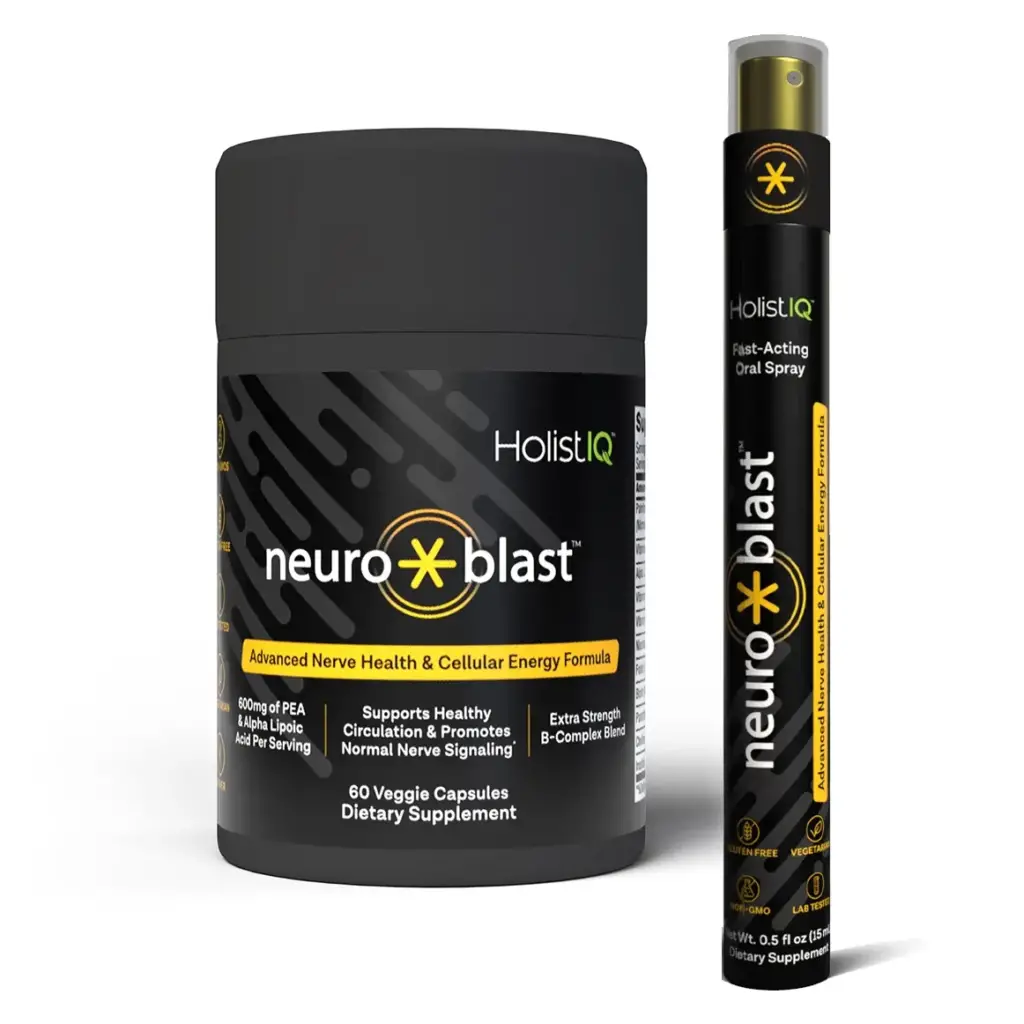
These supplements work in different ways. Some help strengthen and protect the walls of your blood vessels, while others help the vessels relax and widen, creating more space for blood to flow. Others focus on reducing inflammation or preventing blood cells from becoming too sticky. Since healthy circulation is essential for delivering oxygen and nutrients to your nerves, supporting your vascular system is a key part of maintaining overall nerve health. For those seeking a comprehensive approach, a targeted formula like the Neuro-Blast System can provide foundational support for your body’s cellular functions. Let’s look at some of the most effective supplements that can help get your blood moving and support the health of your veins and arteries from the inside out.
You probably know Vitamin C for its immune-supporting power, but it’s also a superstar for your circulatory system. This essential vitamin helps your body produce collagen, the protein that acts like the scaffolding for your blood vessels. Strong, flexible collagen keeps your vessel walls healthy and resilient. Beyond that, Vitamin C is a potent antioxidant that helps reduce swelling and can even aid in healing damaged tissues. By maintaining the integrity of your blood vessel linings, Vitamin C plays a crucial role in ensuring smooth and efficient blood flow throughout your legs and feet, helping to keep them nourished and healthy.
Ginkgo Biloba is an ancient herbal remedy that has stood the test of time, and for good reason. It’s particularly well-known for its ability to enhance blood flow, especially to the body’s smallest vessels. Research highlights Ginkgo Biloba as a key supplement with beneficial effects on microcirculation. This is incredibly important for your legs and feet, where tiny capillaries are responsible for delivering oxygen and nutrients to your nerves and tissues. By helping to widen these small blood vessels and making blood less sticky, Ginkgo Biloba can support better circulation to your extremities, which may help ease feelings of coldness or numbness.
Found abundantly in fatty fish like salmon and mackerel, Omega-3 fatty acids are powerful allies for your entire vascular system. These healthy fats are celebrated for their anti-inflammatory properties. By calming inflammation within your blood vessels, they help create a smoother path for blood to travel. This can lead to improved blood flow throughout your body, from your heart all the way down to your toes. If you don’t eat fish regularly, a high-quality fish oil supplement can be an excellent way to ensure you’re getting enough of these essential fats to support healthy circulation and reduce swelling in your lower legs.
Think of Vitamin E and Magnesium as the protective duo for your circulatory system. Vitamin E is a powerful antioxidant that helps keep your blood flowing smoothly by preventing platelets from clumping together, which is a key step in the formation of blood clots. On the other hand, Magnesium works by helping your blood vessels relax. When your vessels are relaxed and open, it’s easier for blood to pass through, which can help maintain healthy blood pressure and improve overall circulation. Together, they help protect your vessels and ensure blood moves freely throughout your body.
If you’re looking for supplements that actively help get your blood moving, L-Arginine and Cayenne are two excellent options. L-Arginine is an amino acid that your body uses to create nitric oxide. This important molecule signals your blood vessels to relax and widen, a process that directly supports circulation. Cayenne pepper contains a compound called capsaicin, which is what gives it its heat. Capsaicin helps strengthen arteries and can increase blood flow while reducing inflammation. This warming spice is a traditional remedy for stimulating circulation and bringing life back to cold hands and feet.
While supplements can provide targeted support, the foundation of good circulation often starts on your plate. Think of food as your first line of defense. Making simple, consistent dietary choices can have a significant impact on your vascular health, helping to keep your blood flowing smoothly from your head to your toes. The right foods work alongside other healthy habits and support systems, like the Neuro-Blast System, to help you feel your best. By incorporating more circulation-friendly ingredients into your meals, you’re taking a proactive step toward better mobility and comfort. Let’s look at a few key food groups that can make a real difference.
Brightly colored fruits are more than just a treat; they’re packed with nutrients that support your veins. Citrus fruits like oranges and grapefruits, along with berries like strawberries and blueberries, are loaded with Vitamin C. This essential vitamin is a powerhouse for your circulatory system. It plays a key role in strengthening vein walls and is crucial for producing collagen, the protein your body uses to build and repair tissues. Think of it as providing the raw materials to keep your blood vessels strong and flexible. Adding a handful of berries to your morning oatmeal or a squeeze of lemon to your water is an easy way to get started.
Don’t forget to eat your greens. Leafy vegetables like spinach, kale, and collard greens are rich in nutrients that promote healthy blood flow. They are particularly high in nitrates, which your body converts into nitric oxide. This molecule helps relax and widen your blood vessels, making it easier for blood to move through. These greens also contain Vitamin K, which is important for maintaining healthy capillaries and ensuring blood flows smoothly. Whether you add a handful of spinach to a smoothie or have a side salad with dinner, getting more leafy greens into your diet is a simple step toward better circulation.
Healthy fats are your friends when it comes to circulation. Fatty fish like salmon, mackerel, and sardines are excellent sources of Omega-3 fatty acids, which are known to reduce inflammation and support overall vascular health. For a plant-based option, nuts like walnuts and almonds provide Vitamin E, an antioxidant that helps protect your cells and keep blood flowing freely. You can also turn to your spice rack for help. Warming spices like cayenne pepper, ginger, and turmeric have compounds that can stimulate blood flow and add a flavorful kick to your meals. A sprinkle here and there can go a long way.
While supplements can be a fantastic tool for supporting your circulation, it’s important to remember that they are powerful substances. Because they contain active ingredients that can have strong effects on the body, they should be approached with the same care you’d give any medication. The key is to be an informed and proactive partner in your own health. Understanding how a supplement works and how it might interact with your body is the first step toward using it safely and effectively.
Before adding a new supplement to your routine, it’s always a good idea to understand its potential effects. Some supplements can cause side effects on their own, while others might interact with medications you’re already taking. This is especially true if you have pre-existing health conditions or are taking prescriptions for things like heart health or blood pressure. Our goal at Neuro-Blast is to support your entire nervous system, and that includes helping you make safe choices. Thinking through these considerations with your doctor ensures that any supplement you take is a true benefit to your wellness journey. It’s not about creating fear, but about building a foundation of knowledge so you can move forward with confidence. When you know what to look for, you can better identify what’s working and what isn’t, making you an even better advocate for your own health and well-being.
If you take blood thinners or other medications for heart health, you need to be particularly careful when considering circulation supplements. Certain natural ingredients, like garlic, can amplify the effects of these medications. This can sometimes lead to an increased risk of bleeding or other complications. According to Harvard Health, some supplements can also interfere with cholesterol or blood pressure drugs, potentially causing muscle issues or unsafe drops in blood pressure. This doesn’t mean you can’t take any supplements, but it does mean a conversation with your doctor is essential to find a safe option for you.
It’s helpful to think of supplements as one piece of your overall health puzzle, not a standalone solution. As Medical News Today points out, supplements can cause side effects and aren’t the right choice for everyone, especially those with specific circulation issues. What works wonders for a friend might not be the best fit for your unique health profile. Always listen to your body when you start something new. If you notice any unusual symptoms, it’s best to stop taking the supplement and check in with your healthcare provider to make sure it’s the right addition to your regimen.
Supplements are not held to the same strict federal approval standards as prescription drugs. This means the responsibility for safe use often falls on you and your doctor. The active ingredients in supplements can have a significant impact, especially if you are managing a condition like diabetes, high blood pressure, or heart disease. For example, some ingredients might affect blood sugar levels or interfere with blood pressure medication. Your doctor can help you review a supplement’s ingredients and determine if it’s a safe choice alongside your current comprehensive care plan. This collaborative approach helps ensure that every part of your health plan works together harmoniously.
Walking down the supplement aisle can feel overwhelming. With so many bottles and bold claims, how do you know which one is right for you? Choosing a high-quality supplement isn’t just about picking the right ingredients; it’s also about ensuring they are pure, absorbable, and safe for your specific health needs. A little bit of know-how can help you see past the marketing and find a product that genuinely supports your circulation and overall well-being. Think of it as a simple checklist to make sure you’re investing in your health wisely.
Unlike prescription medications, supplements are not held to the same strict federal approval standards. This means quality can vary dramatically from one brand to the next. That’s why third-party testing is so important. It means an independent organization has verified that the product contains what the label says it does, without harmful contaminants. This process confirms the supplement’s purity and potency. When a company invests in this kind of testing, it shows a commitment to transparency and quality, giving you peace of mind that you’re getting a safe, effective product.
For a supplement to work, your body has to be able to absorb and use its active ingredients. This is known as bioavailability. Some nutrients are better absorbed with food, while others work best on an empty stomach. The form of the supplement matters, too. For example, a rapid-absorb spray can deliver nutrients directly into your system, bypassing the digestive tract for quicker action. The Neuro-Blast System was designed with this in mind, combining capsules and an oral spray to support absorption on a cellular level. Understanding how and when to take your supplements ensures you get the maximum benefit from every dose.
Before starting any new supplement, it’s essential to talk with your doctor. This step is non-negotiable, especially if you have existing health conditions or take other medications. Even natural ingredients can have powerful effects. For instance, some common supplements that may harm your heart can interact with blood thinners or blood pressure medication. Your doctor can review the supplement’s ingredients and dosage to make sure it’s a safe choice for you. Always bring the bottle with you to your appointment so your provider has all the information they need to guide you.
While supplements can provide targeted support, your daily habits are the foundation of healthy circulation. Think of these lifestyle changes as powerful tools you can use every day to support your vascular system and overall well-being. Making small, consistent adjustments to your routine can have a significant impact on how you feel, helping your body deliver vital oxygen and nutrients where they’re needed most. These practices don’t just help your blood flow; they also support your nerve health, reduce discomfort, and give you more energy to do the things you love. By pairing a supportive supplement routine with healthy habits, you create a comprehensive approach to feeling your best and getting back on your feet.
Getting your body moving is one of the most direct ways to get your blood moving, too. Gentle, regular exercise encourages better circulation, especially in your legs. Activities like walking, swimming, or cycling engage your calf muscles, which act like a second heart, helping to pump blood from your lower body back up to your chest. You don’t need to run a marathon; even a short daily walk can make a difference.
Maintaining a healthy weight also plays a crucial role. Carrying extra weight puts added pressure on your entire circulatory system, including the arteries and veins in your legs. By managing your weight, you can reduce stress on your arteries, allowing blood to flow more freely and efficiently throughout your body.
It might sound simple, but drinking enough water is essential for healthy circulation. When you’re properly hydrated, your blood maintains the right consistency, making it easier for your heart to pump it through your vessels. Dehydration can cause your blood to thicken, which slows down circulation and forces your system to work harder.
What you eat matters just as much. A balanced diet full of fruits, vegetables, lean proteins, and healthy fats provides the building blocks for strong, flexible blood vessels. As we covered earlier, certain foods are circulation powerhouses. Focusing on a diet rich in these nutrients supports your vascular health from the inside out, complementing any supplements you take and promoting good circulation long-term.
If you use tobacco, the single most impactful step you can take for your circulation is to quit. Smoking damages the lining of your blood vessels, causing them to narrow and harden over time. This severely restricts blood flow and is a major risk factor for circulatory problems. Creating a plan to quit smoking can dramatically improve your vascular health.
Chronic stress can also take a toll by causing your blood vessels to constrict. Finding healthy ways to manage stress, such as deep breathing, meditation, or gentle yoga, can help your body relax and improve blood flow. Finally, don’t underestimate the power of a good night’s sleep. During sleep, your body works to repair itself, including your heart and blood vessels, making it a critical part of maintaining a healthy circulatory system.
While supplements and lifestyle adjustments can be powerful tools for supporting your circulation, they aren’t a substitute for professional medical advice. Knowing when to reach out to a healthcare provider is a critical part of managing your health responsibly. Certain symptoms should never be ignored, and partnering with your doctor is the best way to create a safe and effective plan that’s tailored specifically to you. Think of your doctor as your most important teammate in your journey toward better mobility and comfort. They can help you understand the root cause of your circulation issues and ensure you’re on the right track.
Some symptoms are more than just minor annoyances; they’re your body’s way of telling you to seek help. If you experience persistent pain, numbness, or a tingling sensation in your hands and feet, it’s time to make an appointment. Another major red flag is having cuts or sores on your legs and feet that take weeks to heal or don’t seem to heal at all. These are common symptoms of poor circulation and can be linked to serious underlying conditions like peripheral artery disease (PAD), blood clots, or other vascular issues. Don’t wait for these signs to worsen. Addressing them early gives you the best chance of preventing more significant problems down the road.
Even if your symptoms seem mild, discussing them with a healthcare provider is a smart move. Poor circulation can stem from a variety of medical issues, and a doctor can help pinpoint the cause. Together, you can build a comprehensive care plan. While lifestyle changes are often the first step, your provider can offer additional treatment options if those actions aren’t enough. This might include medication or other medical interventions. By working with a professional, you ensure that any supplements or habits you adopt are appropriate for your specific health profile, helping you move forward safely and effectively.
Can I improve my circulation with just diet and exercise, or do I need supplements? Think of diet and exercise as the foundation of your circulatory health. They are absolutely essential and can make a significant difference on their own. Supplements, on the other hand, are like targeted tools that provide extra support where your body needs it most. While a healthy lifestyle is non-negotiable, supplements can supply specific nutrients at levels that might be difficult to achieve through diet alone, helping to support your blood vessels and nerve health more directly.
With so many different supplements mentioned, where is a good place to start? It can definitely feel overwhelming to see a long list of options. A great starting point is to focus on a comprehensive formula that combines several key nutrients, like the Neuro-Blast System, rather than trying to piece together individual vitamins. Before you buy anything, however, the most important first step is to talk with your doctor. They can help you identify which nutrients would be most beneficial for your specific situation and ensure they won’t interact with any medications you’re taking.
What kind of exercise is actually safe and effective for poor circulation? The goal is gentle, consistent movement, not intense workouts. Activities like walking, swimming, and stationary cycling are fantastic because they engage the large muscles in your legs without putting too much strain on your joints. These muscles help pump blood back toward your heart. Even simple leg exercises you can do while seated, like ankle pumps or leg lifts, can stimulate blood flow. The key is to start slowly and listen to your body.
How can I be sure a circulation supplement is actually safe and high-quality? The best way to ensure quality is to look for products that have been tested by a third-party organization. This independent verification confirms that the supplement contains what the label claims and is free from harmful contaminants. Beyond that, always choose brands that are transparent about their ingredients and manufacturing processes. Reading reviews and, most importantly, discussing the specific product with your healthcare provider will give you the confidence that you’re making a safe choice.
How long does it usually take to notice improvements after making these changes? Everyone’s body is different, so there isn’t a single timeline. Some people might start to feel a difference in a few weeks, while for others, it may take a couple of months of consistent effort. The key is consistency. Improvements from lifestyle changes and supplements happen gradually as your body responds to the increased support. Sticking with your new habits is the most important factor in achieving long-term results.