
Walking down the supplement aisle or browsing online can feel overwhelming. Every bottle promises relief, but how do you know what actually works? When it comes to nerve health, making an informed choice is crucial. That’s where Palmitoylethanolamide, or PEA, comes in. It’s a powerful, natural compound that supports your nervous system from the inside out. Instead of just telling you it’s great, I’m going to show you what to look for. We’ll cover everything from absorption technology to purity standards, giving you a clear, practical checklist to help you find the best pea supplement for your specific needs and get real value for your investment.
Key Takeaways
- PEA works with your body’s natural systems: It’s a fatty acid your body already produces to manage inflammation and nerve discomfort. Supplementing with it gives your system more of what it needs to calm pain signals at their source.
- Choose a formula designed for absorption: To get real results, your body needs to be able to use the PEA you take. Look for “micronized” or “ultramicronized” on the label and check for third-party testing to guarantee purity and quality.
- Consistency is the key to feeling better: PEA isn’t an instant fix; it works gradually by supporting your nerve health over time. Take it daily as directed, and expect to notice improvements after the first four to six weeks.
What is PEA and Why is Everyone Talking About It?
If you’ve been searching for natural ways to manage discomfort, you’ve likely come across the acronym PEA. It’s gaining a lot of attention, and for good reason. PEA isn’t some new, lab-created invention; it’s a powerful compound that’s been quietly working inside our bodies all along. Now, science is catching up and showing us just how beneficial it can be, especially for nerve health and chronic pain. Let’s break down what it is, where it comes from, and how it works to bring relief.
So, What Exactly is Palmitoylethanolamide (PEA)?
Palmitoylethanolamide (PEA) is a completely natural fatty acid that your body produces on its own. Think of it as part of your body’s internal repair crew, created to help manage pain and inflammation whenever you need it. It’s not a foreign substance or a harsh chemical; it’s a compound your system already recognizes and knows how to use. Because it’s made within your own cells, it works in harmony with your body’s natural processes. This is why so many people find it to be a gentle yet effective option for managing persistent discomfort without the side effects that can come with other solutions.
Where to Find PEA Naturally (Including in Your Own Body)
Your body is the main producer of PEA, creating it on-demand to restore balance when you’re dealing with stress or injury. It’s a fascinating example of your body’s built-in ability to care for itself. You can also find small amounts of this beneficial fatty acid in certain foods. Things like egg yolks, soybeans, peanuts, and some meats contain PEA. However, the quantities found in food are quite minimal. To get a therapeutic amount that can make a real difference for nerve discomfort and inflammation, you would have to eat an unrealistic amount of these foods, which is why many people turn to high-quality supplements to get a concentrated dose.
How PEA Fights Pain and Inflammation
Here’s where it gets really interesting. PEA works by interacting with your body’s own systems to calm pain signals and reduce inflammation at the source. It helps lower swelling and, most importantly, protects your nerves from damage. It does this by influencing the cell receptors that control pain and inflammation, essentially telling them to quiet down. Research has shown that PEA can be a powerful ally against neuro-inflammation—the kind of inflammation that specifically targets the nervous system. Studies have found it effective for reducing nerve pain and even inflammatory joint pain, making it a promising natural option for anyone looking to get moving again with more comfort and ease.
How Does PEA Actually Work?
It’s easy to be skeptical of a supplement that promises so much, but the science behind PEA is solid. It’s not a magic pill; it’s a compound that works with your body’s own internal systems to manage pain and inflammation at the source. Think of it as a master regulator, helping to restore balance where your body needs it most.
PEA is a fatty acid amide, a natural substance your body produces to calm distressed cells and tissues. When you experience pain or injury, your body’s PEA levels in that area increase to help manage the situation. However, with chronic pain and inflammation, your natural production might not be enough to keep up. Supplementing with PEA gives your body more of this powerful, natural compound to work with. It targets the underlying causes of discomfort, particularly the kind of persistent nerve irritation that can stop you in your tracks. By supporting your body on a cellular level, PEA helps your systems handle pain and inflammation more effectively, so you can get back to feeling like yourself.
The Science of How PEA Relieves Pain
So how does PEA actually turn down the volume on pain? It works primarily through your endocannabinoid system (ECS), the body’s vast network of signals and receptors that regulates everything from mood to pain sensation. While PEA doesn’t bind directly to the main cannabinoid receptors like CBD does, it enhances the effects of your body’s own endocannabinoids.
This is often called the “entourage effect.” PEA stops the breakdown of anandamide, a key endocannabinoid known as the “bliss molecule,” allowing it to stay in your system longer and work its pain-relieving magic. It also interacts with other receptors involved in sending pain signals, essentially telling your nerves to quiet down. This multi-targeted approach is what makes it so effective for complex issues like chronic nerve discomfort.
How PEA Calms Inflammation
Chronic inflammation is a major driver of persistent pain, especially in conditions affecting the nerves. It’s like a fire alarm that never shuts off, constantly telling your body that something is wrong. PEA acts as a natural anti-inflammatory by interacting with immune cells, particularly mast cells and glial cells. These are the “first responder” cells that release inflammatory chemicals when they sense damage.
PEA helps stabilize these cells, preventing them from overreacting and releasing a flood of substances that create pain and swelling. By calming this inflammatory response, PEA addresses one of the root causes of discomfort instead of just masking the symptoms. Research has consistently shown that PEA is a powerful, natural compound for managing the body’s inflammatory processes, helping to break the cycle of chronic pain.
Why PEA is Great for Nerve Health
For anyone dealing with nerve-related discomfort, this is where PEA truly shines. Beyond just managing pain and inflammation, PEA has neuroprotective properties, meaning it helps shield your nerve cells from damage. It specifically targets neuro-inflammation—inflammation of the central and peripheral nervous systems—which is a key factor in neuropathy.
By calming the overactive immune cells in the nervous system, PEA creates a healthier environment for your nerves to function and even repair themselves. Studies suggest it supports neurogenesis (the creation of new nerve cells) and helps clean up old, damaged connections. This is why PEA is considered more than just a pain reliever; it’s a compound that provides deep, foundational nerve support, helping to maintain the health and integrity of your entire nervous system.
How to Choose a High-Quality PEA Supplement
With so many PEA supplements on the market, it can be tough to figure out which one is right for you. Not all formulas are created equal, and the quality can vary dramatically from one brand to the next. Choosing a high-quality supplement is the first step toward getting the relief you’re looking for. A great product is one that your body can absorb efficiently, is free from contaminants, and contains a clinically-supported dose.
Think of it like buying fresh produce—you want the best quality to get the most nutrients. The same principle applies here. You’re investing in your health, so it’s worth taking a moment to understand what separates a top-tier PEA supplement from the rest. We’ll walk through the four key things to look for on the label to ensure you’re getting a safe and effective product that can help you get moving again.
Pick a Formula Your Body Can Actually Use
The most important factor in any supplement is bioavailability—a fancy word for how well your body can absorb and use a nutrient. If your body can’t absorb the PEA, you won’t get the benefits, no matter how much you take. Research shows that PEA is most effective for pain management when it’s in an “ultramicronized” or “micronized” form. This means the PEA particles have been broken down to be incredibly small, making them much easier for your body to absorb. When you’re comparing products, look for these terms on the label to make sure you’re choosing a formula designed for maximum impact.
Check for Purity and Quality Certifications
When you’re choosing a supplement, you want to be sure you’re getting pure PEA and not a bunch of unnecessary fillers or contaminants. A simple way to verify this is to look for quality certifications on the packaging. Some brands use patented forms of PEA that have been rigorously tested for purity and effectiveness. For example, seeing certain quality marks can be a good indicator that the ingredient is high-grade and easily absorbed. These certifications act as a seal of approval, giving you confidence that you’re getting a clean, potent product.
Why Third-Party Testing and Safe Manufacturing Matter
Trust is everything when it comes to supplements. Look for brands that use third-party testing, which means an independent lab has verified that the product contains what the label says it does. This process confirms both the purity and the potency of the PEA. Another important standard to look for is cGMP certification, which stands for Current Good Manufacturing Practices. This ensures the supplement was produced in a facility that meets strict FDA quality standards. These checks and balances are crucial for your safety and guarantee that you’re getting a reliable and consistently high-quality product every time.
Find the Right Dose and Formula for You
Finally, you need to make sure the supplement provides an effective dose. Based on clinical studies, adults are typically advised to take between 300 and 1,200 mg of PEA daily. Most people start to feel a difference within a few weeks. Check the “Supplement Facts” panel on the bottle to see how many milligrams are in each serving. It’s always a good idea to start with a lower dose to see how your body responds and then adjust as needed. And, of course, it’s smart to chat with your doctor before starting any new supplement, especially if you have underlying health conditions or are taking other medications.
A Review of the Best PEA Supplements
With so many PEA supplements out there, picking the right one can feel overwhelming. To make it easier, I’ve looked at some of the most popular options available. My goal is to give you a clear, straightforward comparison to help you find a supplement that fits your specific needs. We’ll look at what makes each one unique, from its formulation and purity to its specific health focus. Some formulas are designed for broad, whole-body support, while others are laser-focused on specific issues like joint health or nerve function.
Understanding these differences is key to getting the results you want. We’ll consider factors like the form of PEA used (is it micronized for better absorption?), the presence of other supportive ingredients, and the reputation of the brand itself. It’s not just about finding any PEA supplement; it’s about finding the right one for your body and your goals. Whether you’re dealing with nagging nerve discomfort, joint stiffness that slows you down, or general inflammation, there’s likely a PEA supplement that’s right for you. Let’s walk through the top contenders so you can make a choice with confidence.
Neuro-Blast System
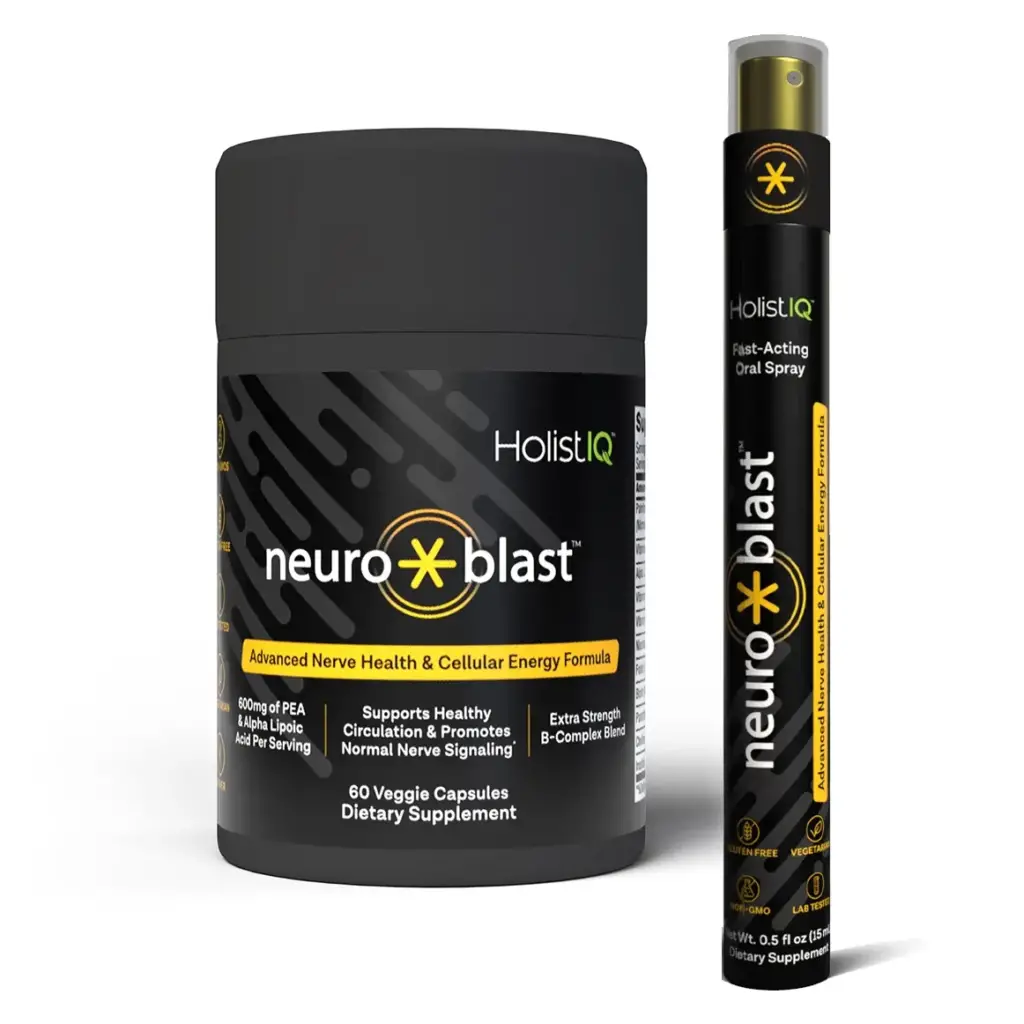
The Neuro-Blast System is more than just a PEA supplement; it’s a comprehensive, doctor-led approach to nerve health. What makes it stand out is its dual-delivery method, combining capsules with a rapid-absorb oral spray. This system is designed to support your nervous system at a cellular level, targeting the root causes of nerve discomfort instead of just masking symptoms. It’s engineered to address neuro-inflammation and support neurogenesis (the creation of new neurons), making it a powerful option for anyone seeking serious, long-term relief. This multifaceted approach makes it a promising candidate for managing not just pain but also related issues like anxiety.
Terry Naturally PEA Healthy Inflammation Response
If your main concerns are joint pain and recovery, Terry Naturally’s PEA supplement is worth a look. It’s specifically formulated to support a healthy inflammation response, which is often the culprit behind stiff, uncomfortable joints. Many people find it helpful for easing everyday aches and pains, as well as for recovering more comfortably after physical activity. It’s a focused formula that hones in on inflammation, making it a solid choice for those who need targeted support for their joints and muscles. You can shop for this supplement from various online retailers.
Vitakruid PEA Puur 400
For those who prioritize purity and a scientifically backed formula, Vitakruid PEA Puur 400 is a top contender. Each capsule contains 400 mg of OptiPea®, a branded form of PEA known for its high quality and purity. This ensures you’re getting a clean, effective product with optimal absorption. When a company invests in a premium, patented ingredient like OptiPea®, it shows a commitment to quality. This makes it one of the best PEA supplements to buy if you want peace of mind knowing your supplement is pure and potent.
Life Extension PEA
Life Extension is a well-respected name in the supplement industry, and their PEA Discomfort Relief product lives up to the brand’s reputation. It’s designed to work with your body’s own endocannabinoid system to relieve discomfort. What’s particularly reassuring is that the effectiveness of PEA has been demonstrated in clinical studies for managing discomfort, making this a reliable choice backed by science. If you’re looking for a straightforward, trusted PEA supplement from a brand with a long history of quality, this is an excellent option for managing persistent aches and pains.
NOW Foods PEA
NOW Foods offers a high-quality PEA supplement that’s both effective and accessible. Known for their rigorous quality standards, NOW provides a product that supports pain management and overall well-being without a premium price tag. It’s a great starting point if you’re new to PEA and want to see how it works for you. User feedback is consistently positive, with many people reporting noticeable relief. As a well-regarded brand in the natural health space, NOW Foods PEA is a dependable choice for daily support, backed by a growing body of research on PEA supplementation.
Swanson PEA
Swanson’s PEA supplement is another solid option from a trusted brand. It’s formulated to provide effective pain relief and is noted for being well-tolerated, meaning it’s gentle on your system and unlikely to cause side effects. This is an important factor, especially if you plan on taking it long-term or have a sensitive stomach. For those seeking a natural and reliable alternative for managing discomfort, Swanson offers a dependable product. Ongoing clinical trials continue to investigate the pharmacological effects of PEA, further strengthening its position as a safe and effective supplement.
Which PEA Supplement Gives You the Best Value?
When you’re looking for a supplement to help you feel your best, “value” means more than just the lowest price. The best value comes from a product that actually works—one your body can absorb effectively to deliver real results. A cheap supplement that your body can’t use is a waste of money. To find the right PEA for you, it’s important to look beyond the price tag and consider the formula, the cost per effective dose, and the overall quality of the product. Let’s break down what to look for to make sure you’re making a smart investment in your health.
Comparing Formulas: Absorption and Effectiveness
Not all PEA supplements are created equal. The key difference lies in how well your body can absorb the PEA, a concept known as bioavailability. Standard PEA molecules can be large and difficult for your digestive system to process. That’s why many high-quality supplements use micronized or ultramicronized PEA, which breaks the particles down to a much smaller size. A systematic review of clinical trials found these forms to be more effective for pain management. Newer technologies, like liposomal delivery systems, can further improve how well PEA is absorbed, ensuring more of it gets to where it needs to go.
Breaking Down the Cost Per Serving
To compare prices accurately, you need to calculate the cost per serving. Don’t just look at the total price of the bottle. Instead, check the “Supplement Facts” panel for two key pieces of information: the serving size (e.g., 2 capsules) and the amount of PEA per serving. Most studies use a recommended dose of around 600 mg. To find the true cost, divide the total price by the number of servings in the container. A bottle might seem like a bargain until you realize you need to take four capsules to get the same dose another brand offers in two.
Is a Higher Price Tag Worth It?
A higher price often reflects advanced formulation, purity testing, and a more comprehensive approach. For instance, some formulas combine PEA with other antioxidants to enhance its effects. One study found that a new PEA form combined with other molecules was able to significantly reduce a key marker for neuroinflammation. While a standard micronized PEA can certainly improve comfort, a more advanced system might offer deeper, more targeted support. The Neuro-Blast System, for example, uses an AI-enhanced approach to support the nervous system at a cellular level, addressing the root causes of discomfort rather than just masking symptoms. For many, that comprehensive support is well worth the investment.
What’s the Difference Between PEA Formulas?
When you start looking at PEA supplements, you’ll quickly notice they aren’t all created equal. The effectiveness of a PEA supplement doesn’t just depend on the dosage; it’s heavily influenced by the formula itself. Think of it like baking a cake—using the same ingredients but preparing them differently can lead to a completely different result. The way PEA is processed and what it’s combined with can dramatically change how your body absorbs and uses it.
Understanding these differences is key to choosing a supplement that actually delivers relief. Some formulas use standard PEA, while others use advanced delivery systems to make sure the compound gets to your cells where it can do its job. Key factors to look for include the particle size of the PEA, whether it’s combined with other supportive ingredients like antioxidants, and the technology used to improve its absorption. A well-designed formula considers all of these elements to create a more powerful and effective product. The goal is to find a supplement that works with your body, not against it.
Standard, Micronized, or Ultramicronized: Which is Best?
The terms “micronized” and “ultramicronized” simply refer to the size of the PEA particles in the supplement. Standard PEA has larger particles, which can be difficult for your digestive system to break down and absorb. As a result, less of the active ingredient may reach your bloodstream and your nerves.
Micronized and ultramicronized PEA, on the other hand, has been milled into incredibly fine particles. This significantly increases the surface area of the PEA, making it much easier for your body to absorb. Think of it like dissolving sugar in water—fine sugar dissolves much faster than a large sugar cube. Multiple studies show that these smaller-particle forms are more effective for managing pain and improving well-being, because more of the PEA gets to work in your system.
Should You Choose a Formula with Added Antioxidants?
Many high-quality PEA supplements include other ingredients, like antioxidants, to create a more comprehensive effect. Antioxidants are compounds that help protect your cells from damage caused by oxidative stress, which is a major contributor to inflammation and nerve discomfort. When your nerves are already struggling, giving them extra protection can make a real difference.
Combining PEA with antioxidants is a smart strategy because they work so well together. PEA helps calm neuro-inflammation, while antioxidants provide a defensive shield for your nerve cells. Research suggests that PEA is a promising candidate for formulations that include antioxidants because of its ability to support nerve health on multiple fronts. Looking for a formula that offers this kind of combined support, like the Neuro-Blast System, can give your body the tools it needs to feel better.
A Quick Guide to Enhanced Absorption Technology
“Enhanced absorption technology” is a broad term for any scientific method used to help your body absorb a supplement more efficiently. The goal is to increase bioavailability, which is the amount of a substance that actually enters your circulation and can have an active effect. Micronization, which we just discussed, is one of the most common and effective forms of this technology.
However, companies are always developing new ways to improve how supplements work. Other advanced delivery systems might include liposomal technology, where the PEA is wrapped in a layer of fat to help it pass through cell membranes, or creating cold-water dispersible formulas. When you see a product that highlights its absorption technology, it’s a good sign the manufacturer has invested in making their formula as effective as possible, ensuring you get the maximum benefit from every single dose.
How to Get the Most Out of Your PEA Supplement
You’ve chosen a high-quality PEA supplement, and now you’re ready to start feeling better. That’s a fantastic step. But just like planting a garden, you need to provide the right conditions for it to flourish. Taking your supplement correctly and consistently is the key to getting the results you’re looking for. A few simple adjustments to your routine can make a significant difference in how well PEA works for you, helping you get back to the activities you love.
When and How Much PEA Should You Take?
Finding the right amount of PEA is a key step, and it often comes down to listening to your body and the product guidelines. Most studies and general recommendations suggest a daily dose for adults between 300 and 1200 mg. The exact amount can depend on your individual needs and the concentration of the supplement you’re using. It’s always best to start by following the instructions on the product label. For example, a comprehensive system like Neuro-Blast provides clear dosage instructions to make it easy to get started. The most important thing is consistency. Taking your PEA supplement every day helps maintain a steady level in your system, allowing it to support your body’s cellular processes effectively over time.
Should You Take PEA with Food? (And Other Tips)
To help your body absorb PEA effectively, many experts recommend taking your capsules on an empty stomach, perhaps 30 minutes before a meal. This can help your system process it without interference from other foods. If you’re using PEA to support your mobility and recovery from physical activity, you might consider taking it before or after your workout to target exercise-related inflammation. Beyond timing, remember the basics: staying well-hydrated by drinking plenty of water throughout the day supports overall supplement absorption and bodily function. Understanding how it works on a cellular level can help you appreciate why these small habits matter for achieving deep, lasting nerve support.
What to Expect in Your First 4-6 Weeks
Patience is your best friend when starting a new supplement, and PEA is no exception. It works by supporting your body’s natural endocannabinoid system to calm nerve discomfort and reduce inflammation, which is a gradual process. Unlike over-the-counter pain relievers that offer a quick fix, PEA builds up in your system over time. You might start noticing subtle improvements after four to six weeks of consistent daily use. To track your progress, try keeping a simple journal. Note your discomfort levels, mobility, and overall well-being each day. This can help you see the positive changes that are happening. Reading real stories from users can also be a great source of encouragement as you begin your journey.
Are There Any Side Effects to Know About?
Whenever you consider adding a new supplement to your routine, it’s smart to ask about potential side effects. The good news is that PEA has a strong safety profile, which is one of the reasons it’s becoming such a popular choice for managing discomfort. It’s known for being gentle on the body, but like anything, it’s important to know what to expect and when to exercise a little extra caution. Let’s walk through what you need to know to feel confident and informed.
A Look at PEA’s Safety and Potential Side Effects
One of the most reassuring things about PEA is that it’s generally very well tolerated. Most people who take it don’t experience any side effects at all. For the small number of people who do, the effects are typically very mild. Some users have reported experiencing mild gastrointestinal discomfort, like a bit of nausea, when they first start taking it. This is often temporary as your body adjusts. Because PEA is a substance your body already produces, it’s recognized and used without causing major issues, making it a reliable option for long-term nerve support.
Who Should Be Cautious? Drug Interactions and Precautions
While PEA is safe for the vast majority of adults, there are a few situations where you should be more careful. Specifically, there isn’t enough reliable information to confirm its safety during pregnancy or while breastfeeding. To be on the safe side, it’s best to avoid taking PEA if you are pregnant or nursing. As for drug interactions, PEA is not known to have significant interactions with common medications, but this is where personal medical history is key. Your health profile is unique, which is why having a conversation with your doctor is always the best first step.
When to Talk to Your Doctor
Before starting any new supplement, including PEA, it’s always a great idea to chat with your healthcare provider. They can look at your complete health picture, including any conditions you have or medications you take, and give you personalized advice. Your doctor can help you confirm that PEA is the right choice for your specific needs and guide you on the most effective dosage. This conversation ensures you can add a supplement to your wellness plan safely and effectively. At Neuro-Blast, we believe in a doctor-led approach, and we encourage you to get the support you need from a trusted professional.
How Does PEA Stack Up Against Other Pain Relief?
When you’re dealing with persistent discomfort, you want a solution that works without introducing a new set of problems. Many people reach for traditional over-the-counter options, but they aren’t the only choice. PEA offers a different approach by working with your body’s own systems to calm inflammation and soothe nerves. Unlike some conventional pain relievers that can be harsh on your stomach or carry risks with long-term use, PEA is known for being gentle and well-tolerated.
This makes it a compelling alternative for daily, sustainable support. The goal isn’t just to mask the pain but to address the underlying irritation, helping you feel better from the inside out. This is where PEA truly shines—it supports your body’s ability to find balance and comfort, which is a cornerstone of the Neuro-Blast system. By focusing on the root cause at a cellular level, PEA helps you get back to your life with fewer interruptions from nerve discomfort.
PEA vs. Traditional Pain Relievers
Many of us are familiar with grabbing an ibuprofen or acetaminophen for aches and pains. While these can offer temporary relief, they often come with potential side effects, especially when used frequently. PEA works differently. Instead of simply blocking pain signals, it interacts with your endocannabinoid system to help calm overactive nerve cells and reduce inflammation at the source. Studies on PEA supplementation consistently show its effectiveness in managing pain while being remarkably well-tolerated. This means you get the relief you’re looking for without the common concerns associated with traditional pain relievers, making it a smarter choice for ongoing nerve support.
Can You Combine PEA with Other Natural Supplements?
Absolutely. Think of PEA as a team player in your wellness routine. Because it works on a fundamental level to manage neuro-inflammation and support nerve health, it pairs well with other natural supplements. For instance, you might take it alongside antioxidants like Alpha-Lipoic Acid (ALA) or B vitamins, which also play a crucial role in nerve function. PEA’s versatility makes it a great foundational element in a comprehensive health strategy. Its ability to support neurogenesis (the creation of new neurons) while calming pain signals means it can complement the actions of other supplements, creating a synergistic effect for even better results.
The Long-Term Safety Advantage of PEA
One of the most significant benefits of PEA is its impressive safety profile. It’s a substance your body already produces, and as a supplement, it’s known for being gentle and having no known significant side effects. This makes it an excellent option for long-term use, which is often necessary when managing chronic nerve discomfort. Unlike some medications that are only suitable for short-term relief, PEA can be taken consistently to help manage symptoms and even support the underlying health of your nervous system over time. This focus on long-term wellness and safety is why it’s considered such a natural pain killer and a reliable partner in your journey toward feeling your best.
Related Articles
- Palmitoylethanolamide (PEA) Archives – Neuro-Blast
- Palmitoylethanolamide Side Effects: What to Know
- PEA and ALA Supplement Benefits: A Complete Guide
- PEA Side Effects: Are They Common or Serious?
Frequently Asked Questions
How long will it take for me to feel a difference with PEA? PEA works by supporting your body’s internal systems, so it’s not an instant fix. Think of it as a long-term partner for your nerve health rather than a quick patch. Most people begin to notice subtle but meaningful improvements after taking it consistently for four to six weeks. The key is daily use, as this allows PEA to build up in your system and effectively calm inflammation and discomfort over time.
Is PEA the same thing as CBD? That’s a great question, as both work with the body’s endocannabinoid system. However, they function differently. While CBD interacts directly with your main cannabinoid receptors, PEA works more indirectly. It acts like a helper, preventing the breakdown of your body’s own pain-relieving compounds and calming the specific immune cells involved in nerve irritation. This makes its effects very targeted and gentle.
If my body already makes PEA, why would I need a supplement? Your body does produce PEA on its own as part of its natural repair crew, rushing it to areas of injury or stress. When you’re dealing with persistent or chronic discomfort, your body’s demand for PEA can be much higher than its natural supply. While some foods contain small amounts, you would need to eat unrealistic quantities to get a therapeutic dose. A supplement provides a concentrated amount to help your body catch up and restore balance.
Can I take PEA if I’m already on other medications? While PEA is known for being very safe and well-tolerated, it’s always best to speak with your doctor before adding any new supplement to your routine. Your healthcare provider understands your full health history and can review any medications you’re taking to ensure there are no potential interactions. This conversation is the best way to make sure you’re making a safe and informed choice for your specific needs.
What’s the most important thing to look for when buying a PEA supplement? If you remember just one thing, let it be absorption. A supplement is only as good as your body’s ability to use it. Look for formulas that use “micronized” or “ultramicronized” PEA on the label. This means the particles have been made incredibly small, making them much easier for your body to absorb and put to work. This single factor can make a huge difference in the results you experience.