
Let’s be honest, “Palmitoylethanolamide” is a mouthful. But behind the long name is a remarkably simple and effective compound that your body already knows and uses. PEA is your body’s own peacemaker, produced on-demand to soothe stressed cells and reduce inflammation. When chronic discomfort becomes a part of your daily life, it’s often a sign that your natural systems need a little extra help. Supplementing with PEA gives your body more of this powerful, natural resource. To get the most benefit, you need a high-quality product. Here, we’ll cover what makes a formula effective and help you find the best palmitoylethanolamide supplement for long-term wellness.
Key Takeaways
- Address Discomfort at its Source: PEA is a natural compound your body uses to calm inflammation and pain signals. Supplementing with it supports your body’s own systems to restore balance, offering relief that goes deeper than just masking symptoms.
- Prioritize Purity and Absorption: Not all PEA supplements are created equal. Look for micronized formulas for better absorption and patented ingredients like OptiPEA® to ensure you’re getting a high-quality, effective product.
- Commit to Consistency for Real Results: PEA works gradually by supporting your body on a cellular level. Plan to take it daily for at least two to three months to give it enough time to make a noticeable difference in your comfort and mobility.
What is PEA, and How Does It Work?
Let’s start with the basics. What exactly is Palmitoylethanolamide, or PEA? It sounds complex, but it’s a natural fatty acid amide that your body produces on its own. Think of it as your internal peacemaker. When your cells experience stress or injury, they create PEA to help calm things down and restore balance. You can also find it in small amounts in foods like egg yolks, soybeans, and peanuts, but often not enough to make a significant impact on chronic discomfort.
The reason PEA has gained so much attention is its unique way of working. It doesn’t just mask pain; it gets to the source by interacting with the cells involved in your body’s inflammatory and pain responses. Specifically, it works within your endocannabinoid system—the same system that cannabinoids like CBD interact with—but in a different, more indirect way. It helps increase the levels of your body’s own pain-relieving compounds. Research shows it’s a natural compound that helps protect nerve cells and calm inflammation, all with a strong safety profile and very few side effects. This makes it a compelling option for anyone looking for sustainable relief without the harsh effects of some traditional pain relievers. By supporting your body’s own systems, PEA helps you get back to feeling like yourself.
The Science of How PEA Fights Pain
So, how does PEA actually reduce pain? It works at a cellular level to calm down overactive immune cells, particularly mast cells. These cells are like tiny alarm systems that, when triggered by injury or stress, release chemicals like histamine that cause inflammation and pain. PEA essentially tells these cells to quiet down, reducing the inflammatory response at its source. This is why studies show PEA can relieve pain and inflammation across a wide range of issues, from joint discomfort to nerve-related pain. It’s a gentle but effective way to manage your body’s response to pain signals.
How PEA Supports Your Nervous System
For those dealing with nerve discomfort, PEA’s role is especially important. Your nervous system is a complex communication network, and when nerves are irritated or damaged, the signals can go haywire, resulting in persistent pain. PEA acts as a neuroprotective agent, meaning it helps shield your nerve cells from damage and soothes irritation. By calming the surrounding inflammation, it creates a better environment for your nerves to function properly. This is how PEA helps calm discomfort and supports not just your nervous system, but your immune and muscle systems as well. It’s about restoring harmony so your body can begin to heal.
Common PEA Myths, Busted
With any popular supplement, myths tend to pop up. Let’s clear the air on a few things about PEA. First, because it interacts with the endocannabinoid system, some people confuse it with CBD. However, PEA is completely non-psychoactive and won’t cause any kind of “high.” It’s simply supporting your body’s natural processes. Another common misconception is that PEA is an antioxidant. While it does fight inflammation, its primary job isn’t to neutralize free radicals. Instead, it works by influencing cell receptors and enzymes to reduce pain and inflammation directly. Understanding how it truly works helps you appreciate its unique benefits.
What Are the Benefits of Taking PEA?
Palmitoylethanolamide (PEA) is much more than a simple pain reliever. It’s a fatty acid amide that your own body produces to help regulate a wide range of functions. Think of it as your internal repair and balance crew. When you’re dealing with discomfort or inflammation, your body naturally increases PEA levels in that area to help calm things down. However, during times of chronic stress or persistent pain, your natural production might not be enough to keep up. That’s where supplementing comes in.
When you take PEA, you’re essentially giving your body more of what it already uses to manage discomfort, protect your nervous system, and maintain a sense of calm. This multi-action approach is what makes it such a compelling option for those dealing with persistent nerve-related issues. It works with your body’s natural systems, particularly the endocannabinoid system, to provide relief from the inside out. Instead of just masking symptoms, it helps address the underlying imbalances that cause them in the first place. This makes it a foundational support tool for long-term wellness and mobility.
Relieves Pain and Inflammation
One of the most well-documented benefits of PEA is its ability to address pain and inflammation. It’s not limited to a single type of discomfort; instead, it offers broad support. Research has shown that PEA can relieve pain and inflammation across a variety of conditions, from joint pain to menstrual cramps. For those struggling with the persistent discomfort of neuropathy, this is key. PEA works by calming overactive cells that contribute to both inflammation and pain signals. By interacting with specific receptors in your body, it helps restore balance and reduce the intensity of pain messages sent to your brain, offering a gentle yet effective path toward relief.
Supports and Protects Nerve Health
Beyond general pain relief, PEA is gaining significant attention for its role in nerve health. It acts as a neuroprotective agent, helping to shield nerve cells from damage and supporting their natural function. This is especially important for anyone experiencing neuropathy. Unlike some other compounds, PEA is non-psychoactive, making it a promising alternative for people seeking natural pain relief without unwanted side effects. By supporting your nervous system on a cellular level, PEA helps address the root causes of nerve discomfort. This focus on deep, cellular-level support is fundamental to how systems like the Neuro-Blast System are engineered to help you get moving again.
Balances Mood and Eases Stress
Living with chronic discomfort can take a toll on your mental and emotional well-being. The constant stress and frustration can easily disrupt your mood. PEA can help here, too. Because it’s a substance naturally produced by the body, it plays a role in helping you balance mood, inflammation, pain, and stress. Clinical trials have shown it can have a positive effect on mood, helping to ease the tension that often accompanies physical pain. By supporting a more balanced stress response, PEA offers a more holistic approach to wellness, acknowledging the powerful connection between how you feel physically and emotionally.
The Best Palmitoylethanolamide Supplements: Our Top Picks
With so many options available, finding the right PEA supplement can feel overwhelming. To make it easier, I’ve gathered some of the top choices on the market. Each one offers something a little different, whether it’s a unique delivery system, a focus on maximum absorption, or a formula designed for overall wellness. This list will help you compare the features that matter most so you can find a supplement that fits your specific needs and helps you get back to feeling your best.
Neuro-Blast System
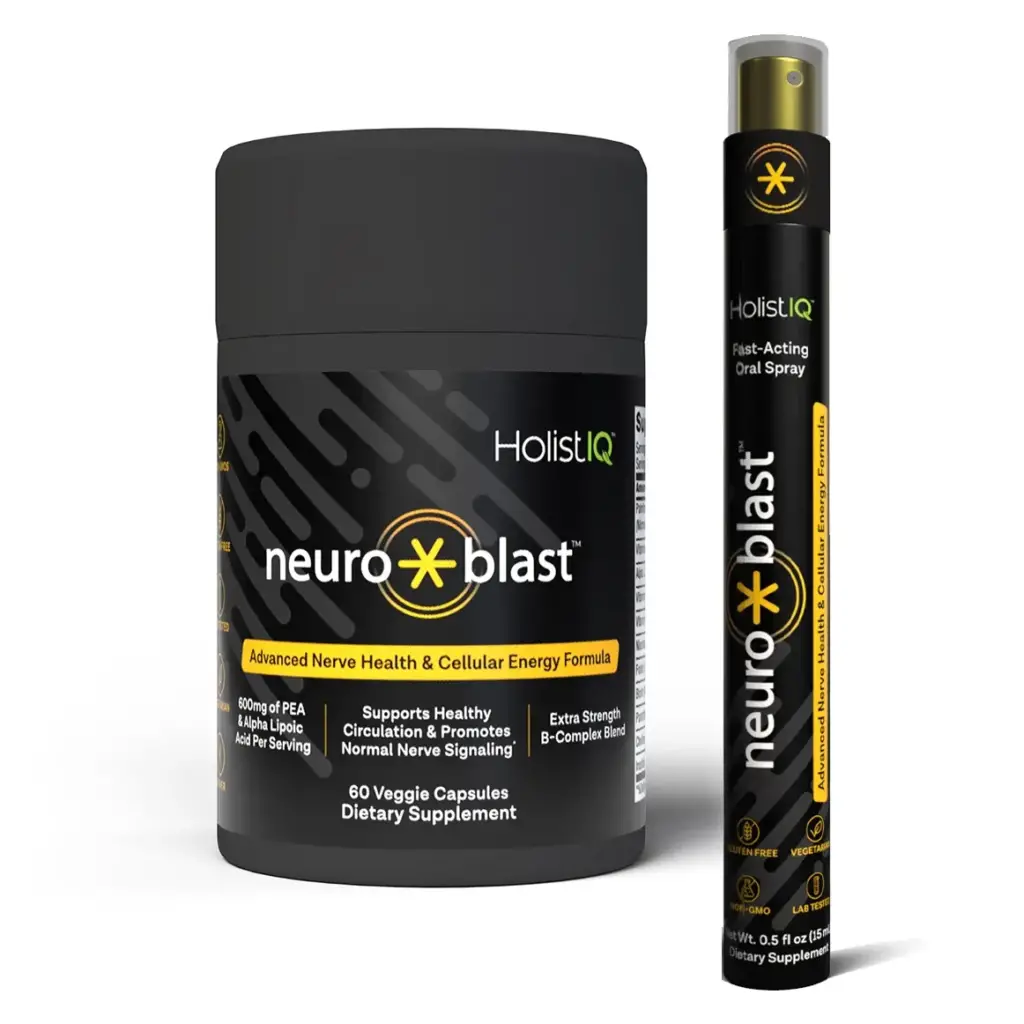
The Neuro-Blast System stands out because it’s more than just a PEA supplement; it’s a comprehensive, doctor-led approach to nerve support. What makes it unique is its two-part system: a daily capsule and a rapid-absorb oral spray. This combination is designed to work on a cellular level to address the root causes of nerve discomfort, not just mask the symptoms. The formula is also AI-enhanced, meaning it’s crafted with precision to provide targeted support for your nervous system. If you’re looking for a complete system that goes beyond a simple pill, this is an excellent choice.
X Gold Health Micronized PEA
If you want to make sure your body is getting the most out of every dose, X Gold Health’s supplement is worth a look. It features micronized PEA, which is a game-changer for absorption. “Micronized” simply means the PEA particles have been broken down to be incredibly small. This smaller size makes it much easier for your body to absorb and use the compound effectively. For many people, this leads to better and faster results compared to standard PEA supplements. It’s a straightforward, high-impact option focused purely on delivering PEA efficiently.
The Well Theory PEA
Think of The Well Theory’s PEA as a multi-talented supporter for your entire body. While it’s great for calming discomfort, its benefits extend to your nervous, immune, and muscle systems. PEA is a natural compound your body already produces to manage pain and swelling, and this supplement simply gives you more of it. It’s particularly helpful for muscle recovery after activity, making it a solid choice if you’re dealing with general aches and pains in addition to specific nerve-related issues. It’s a great all-around formula for total-body wellness.
PEAopt and PeaPure Premium Formulations
This one isn’t a specific brand, but rather a seal of quality to look for when you shop. When you see ingredients like OptiPEA® or PeaPure® on a label, you can feel confident you’re getting a high-quality product. These are patented, well-researched forms of PEA known for their purity and consistency. Choosing a supplement with one of these premium formulations ensures that the PEA is easy for your body to absorb and free from unnecessary additives. It’s like choosing a brand-name ingredient for a recipe—you know you’re getting the good stuff.
Life Extension PEA
For those who are cautious about taking new supplements or have concerns about long-term use of over-the-counter pain relievers, Life Extension PEA is a gentle yet powerful option. PEA is a non-steroidal compound, which means it’s known for being easy on the body, particularly the kidneys. Research has shown that PEA can help reduce inflammation without the harsh side effects associated with some other pain management options. This makes it a reassuring choice for daily, long-term support, allowing you to manage discomfort with peace of mind.
What to Look For in a Quality PEA Supplement
When you’re looking for relief, the last thing you want is a supplement that doesn’t deliver. The market for PEA is growing, and not all products are created with the same care or quality. A little know-how can make all the difference in finding a supplement that truly supports your body. Think of it like shopping for fresh produce—you want the best quality to get the most benefits. To make sure you’re getting a potent and effective product, focus on a few key factors: the purity of the ingredients, how well your body can absorb them, independent quality checks, and the other ingredients it’s paired with. Let’s walk through what makes a PEA supplement stand out from the rest.
Purity and Patented Formulas
First, check the label for purity and sourcing. High-quality PEA supplements often use patented ingredients that have been clinically researched for their effectiveness and safety. Look for brand names like OptiPEA® or PeaPure®, as these indicate that the manufacturer has invested in a premium, reliable source of PEA. Patented formulas are backed by specific manufacturing standards, so you can feel more confident about what you’re putting into your body. This commitment to quality ensures you’re getting a pure product free from unnecessary additives or contaminants, which is a cornerstone of how an effective nerve support system should function.
Micronization for Better Absorption
PEA is a fatty molecule, which means it doesn’t dissolve easily in water. This can make it difficult for your body to absorb and use effectively. To solve this, top-tier manufacturers use a process called micronization. This technique breaks the PEA particles down into much smaller sizes, increasing the surface area and allowing your body to absorb it more readily. Better absorption means more of the active ingredient can get to where it needs to go to provide relief. When a supplement is designed for deep, cellular-level support, its ability to be absorbed is one of the most critical factors for success.
Third-Party Testing and Certifications
How can you be sure that what’s on the label is actually in the bottle? Look for supplements that undergo third-party testing. This means an independent lab has verified the product for purity, potency, and safety, confirming it’s free from heavy metals, microbes, and other contaminants. Certifications from organizations like NSF or cGMP (Current Good Manufacturing Practices) also show that the brand adheres to strict quality standards. A company that is transparent about its testing and quality control is one you can trust. This level of accountability is something we value, and it’s a key part of our doctor-led approach to wellness.
Helpful Supporting Ingredients
While PEA is powerful on its own, its benefits can be amplified when combined with other synergistic ingredients. Some formulations include antioxidants like alpha-lipoic acid (ALA) or vitamins like D3, which also play crucial roles in nerve health and managing inflammation. These supporting ingredients can create a more comprehensive formula that addresses nerve discomfort from multiple angles. When choosing a supplement, consider whether it offers a multi-faceted approach. A well-rounded blend of ingredients often provides more complete support than a single-ingredient product, offering you more insights into managing your health.
How to Choose the Right PEA Supplement for You
With so many PEA supplements on the market, picking the one that’s right for you can feel like a big task. But it doesn’t have to be complicated. By focusing on a few key factors—dosage, delivery method, and brand quality—you can make a confident choice that aligns with your health goals. Think of it as creating a personal checklist. Once you know what to look for, you can easily sort through the options and find a high-quality supplement that will give you the best chance at relief and support your journey to getting moving again.
Finding Your Ideal Dosage
When you start taking any new supplement, the first question is usually, “How much should I take?” For PEA, clinical studies often point to a specific amount for effectiveness. The recommended dose is typically 600 mg per serving, as this is the amount frequently used in research to achieve positive results. The Neuro-Blast System is formulated with this in mind to provide effective support. Always start by following the instructions on the product label. If you have any questions or specific health concerns, it’s always a good idea to check in with your doctor to find the perfect dosage for your individual needs.
Capsules vs. Sprays: Which Is Better?
PEA supplements come in different forms, most commonly capsules and oral sprays. Neither one is necessarily “better”—they just work differently. Capsules are great for delivering a precise, pre-measured dose that releases steadily. A spray, on the other hand, is absorbed quickly under the tongue, offering more rapid support when you need it. Since PEA is a natural compound your body creates to manage discomfort, having both options can be beneficial. A system that combines both, like Neuro-Blast’s, allows you to get consistent daily support from capsules and fast-acting relief from a spray, covering all your bases. You can learn more about how it works to see if a dual-action approach is right for you.
How to Vet a Brand and Its Reviews
The quality of your PEA supplement matters just as much as the dosage. To ensure you’re getting a pure and effective product, look for brands that use well-researched, patented ingredients like OptiPEA® or PeaPure®. These names are a hallmark of high quality and purity. Beyond the label, take a look at the company itself. Are they transparent about their science and formulation? A trustworthy brand will be doctor-led or have medical experts on their team. Finally, read customer testimonials to see what real users are saying. Look for detailed reviews that speak to the specific issues you’re hoping to address.
Common Reasons People Take PEA
People turn to PEA for a variety of reasons, but they all share a common goal: finding effective, gentle relief. Because PEA works with your body’s own systems to calm discomfort and support cellular health, its applications are quite broad. From long-term nerve issues to the aches and pains that pop up in daily life, PEA offers a versatile approach to feeling better. Let’s look at some of the most common reasons people add this supplement to their wellness routine.
Chronic Pain and Neuropathy
This is one of the most well-researched areas for PEA. For those dealing with persistent nerve discomfort, finding a solution that works without unwanted side effects can be a long road. PEA is gaining attention as a natural supplement for nerve pain relief because it helps address the problem at its source. Instead of just masking symptoms, it works to calm inflammation and support the nerves themselves. This is why many people with neuropathy find it so helpful. It provides deep, cellular-level nerve support that helps your body manage discomfort naturally and get you moving again.
Headaches and Muscle Aches
PEA isn’t just for chronic conditions. Its benefits extend to more common, everyday discomforts like tension headaches, post-workout muscle soreness, or joint stiffness. Think of it as a tool for managing your body’s response to daily stressors. Studies have shown that PEA can help relieve pain and inflammation across a variety of these acute situations. Because it works by supporting your endocannabinoid system—the body’s own pain and inflammation management network—it offers a balanced way to find comfort without reaching for harsh alternatives. It’s a gentle yet effective option for those days when your body just needs a little extra support.
Inflammatory Conditions
At the heart of many types of pain is one common culprit: inflammation. While inflammation is a normal and healthy immune response in the short term, it can cause significant problems when it becomes chronic. PEA has a wide range of biological functions that directly address this underlying issue. By helping to regulate the body’s inflammatory response, PEA can calm the irritation that leads to pain in joints, tissues, and nerves. This anti-inflammatory action is a key reason why it’s effective for such a broad spectrum of conditions, from arthritis to neuropathic pain, making it a foundational supplement for long-term wellness.
Is PEA Safe? What You Need to Know
When you’re dealing with persistent discomfort, the last thing you want is a solution with a long list of side effects. It’s completely normal to ask questions about the safety of any new supplement you’re considering. The good news is that Palmitoylethanolamide (PEA) has a strong safety profile, largely because it’s a substance your body already knows how to use. Let’s walk through what the research says about its safety, potential interactions, and long-term use so you can feel confident.
Understanding PEA’s Safety Profile
One of the most reassuring things about PEA is that it’s a natural fatty acid amide your body produces on its own to calm stress and inflammation. Because it’s an endogenous substance, it’s generally well-tolerated with a very low risk of side effects. Studies highlight PEA as a promising approach because it’s a non-steroidal compound, meaning it works differently from common anti-inflammatory drugs and is known to be gentle on the body. Research has shown it can target inflammation without the harsh effects associated with some other options, making it a trusted choice for cellular-level support.
Potential Interactions to Be Aware Of
If you’ve heard about other natural compounds for pain, you might wonder if PEA has any psychoactive effects. You can rest easy—PEA is completely non-psychoactive. Unlike THC or CBD, it won’t cause a “high” or any unwanted mental side effects, which is why many people seek it out for natural pain relief. It works with your body’s systems without interfering with your clarity or focus. That said, it’s always a smart move to talk with your doctor before adding any new supplement to your routine, especially if you are taking other medications. This ensures it’s the right fit for your specific health needs and won’t interfere with your current regimen.
A Look at Long-Term Use
For those dealing with chronic issues like neuropathy, a short-term fix isn’t enough. You need something that’s safe to use consistently. PEA is well-suited for long-term use because it helps manage the underlying inflammation that contributes to persistent pain. Its effectiveness isn’t limited to just one type of discomfort; reviews have shown PEA can relieve pain and inflammation across a variety of conditions, from joint pain to migraines. This versatility and strong safety record make it a reliable option for anyone looking for a sustainable way to manage their symptoms and get back to feeling like themselves again.
How to Take PEA for the Best Results
Starting a new supplement can feel like a guessing game, but getting the most out of PEA is straightforward when you know the basics. It’s not just about taking it, but about taking it correctly and consistently. Think of it as building a new, healthy habit that supports your body from the inside out. Your system needs time to respond to the cellular-level support PEA provides, so creating a simple, daily routine around your dosage and timing is the key to feeling a real difference. It’s a partnership with your body, where consistency is your most important contribution.
Many people give up on supplements too early because they expect an overnight fix. But PEA works differently—it helps your body re-establish balance and calm inflammation over time, rather than just masking symptoms. By understanding how much to take and what to expect along the way, you can set yourself up for success and give your body the best possible chance to find lasting comfort. This approach allows you to work with your body’s natural processes, not against them. Let’s walk through how to create a PEA plan that works for you, so you can feel confident in your journey toward relief.
Dosing and Timing Your Supplement
Finding your ideal dose is the first step. Most clinical studies and experts suggest starting with 600 mg of PEA per day. For those dealing with more persistent aches and discomfort, taking up to 1200 mg daily is also common. The most important rule is to follow the instructions on your supplement’s label, as formulations can vary. For example, the Neuro-Blast System is designed with specific dosages to support your nervous system effectively. When you take it doesn’t matter as much as taking it consistently. Some people prefer to take it with a meal to make it a habit, while others split their dose between the morning and evening. The best approach is the one you can stick with every day.
How Long to Use PEA and What to Expect
Patience and consistency are your best friends when it comes to PEA. This isn’t an instant fix; it works with your body to calm inflammation and support cellular health, which takes time. Most people begin to notice significant improvements after taking it daily for a few weeks. For the best results, plan on using PEA consistently for at least 60 to 90 days. This gives your body enough time to rebalance and create lasting comfort. Early signs that it’s working might be subtle. You may notice you’re sleeping more soundly, feeling less stiff in the morning, or moving with a bit more ease. Over time, these small improvements can add up to significant relief. Understanding how it works on a cellular level can help you appreciate the gradual but steady progress.
Related Articles
- Palmitoylethanolamide (PEA) Archives – Neuro-Blast
- PEA and ALA Supplement Benefits: A Complete Guide
- Palmitoylethanolamide Side Effects: What to Know
- PEA Side Effects: Are They Common or Serious?
Frequently Asked Questions
How long does it take for PEA to start working? Since PEA works with your body to calm inflammation at a cellular level, it’s not an instant fix. Think of it as a gradual rebalancing process. Most people start to notice a real difference after taking it consistently for a few weeks, with the most significant benefits often appearing after two to three months of daily use. Patience and consistency are key.
Is PEA the same thing as CBD? That’s a great question, and the answer is no. While both PEA and CBD interact with your body’s endocannabinoid system, they are completely different compounds. Your body actually produces PEA on its own to manage discomfort. Unlike CBD, PEA works more indirectly to support your body’s natural processes and is completely non-psychoactive, meaning it won’t cause any kind of “high.”
Can I take PEA if I’m on other medications? PEA has a very strong safety profile and is generally well-tolerated with few interactions. However, it’s always a smart and responsible step to talk with your doctor before adding any new supplement to your routine. They can review your current medications and health history to make sure PEA is a good fit for you.
Why should I choose a system with a capsule and a spray instead of just one or the other? A dual-delivery system offers a more complete approach to managing discomfort. The daily capsule provides steady, long-term support to help your body address inflammation over time. The rapid-absorb oral spray is designed for those moments when you need faster support, as it gets into your system quickly. Using both together ensures you have consistent, foundational support plus an option for more immediate relief.
Can I just get enough PEA from the food I eat? While PEA is found in small amounts in foods like egg yolks and soybeans, the quantities are not nearly enough to provide a therapeutic effect for persistent discomfort. To get the levels of PEA shown to be effective in clinical studies, a high-quality supplement is necessary to give your body the concentrated support it needs.