
One of the most discouraging things you can hear about nerve discomfort is that it’s something you just have to live with. This idea that nerve damage is permanent can leave you feeling hopeless. But what if that wasn’t the whole story? The truth is, your peripheral nerves have a natural ability to heal and regenerate, provided they get the right support. This guide is here to separate fact from fiction and give you a sense of control over your health. We will explore how targeted nutrition can create the ideal environment for your body’s repair processes to kick in. We’ll focus on the science-backed ingredients that make up the best nerve repair supplements for feet, empowering you with the knowledge to take proactive steps toward relief.
If you’re dealing with tingling, numbness, or pain in your feet, you’re not just imagining it. These sensations are often signs of nerve damage, a condition known as peripheral neuropathy. It happens when the nerves that carry messages between your brain, spinal cord, and the rest of your body become damaged or disrupted. Think of it as a faulty electrical wire that can’t transmit signals properly. Understanding what’s causing this disruption is the first step toward finding relief and getting back to the activities you love.
So, what’s behind this nerve damage? The most common culprit is diabetes. High blood sugar can be toxic to nerves over time, which is why so many people with diabetes experience some form of neuropathy. However, it’s not the only cause. Other health issues can also play a role, including deficiencies in essential vitamins (especially B vitamins), autoimmune diseases, physical injuries to the feet, and metabolic conditions. Taking a look at your overall health with your doctor can help pinpoint the specific reason you’re experiencing these symptoms.
Nerve damage in the feet can feel different for everyone, but there are some common signs to look out for. You might notice a persistent burning, tingling, or a “pins and needles” sensation. For some, it feels like a sharp, stabbing pain that comes out of nowhere. Often, these feelings start in the toes and gradually spread up the feet. Over time, that painful feeling might fade, but it can be replaced by a constant sense of numbness or coldness. Recognizing these symptoms early is key, as it allows you to take action sooner.
When you’re dealing with nerve discomfort in your feet, it can feel like a constant, frustrating battle. But what if I told you that your body has an incredible, built-in capacity for healing? The key is giving it the right resources to do its job, and that’s where targeted nutritional support comes in. Think of supplements not as a magic fix, but as essential tools that empower your body’s own nerve repair crew. By providing the specific vitamins, antioxidants, and amino acids that your nervous system craves, you can create an internal environment where healing is encouraged and supported.
This approach is about moving beyond temporary relief and addressing the issue at its source. It’s about supporting your nerves on a cellular level so they can function properly again. The science behind nerve regeneration shows us that specific nutrients play a direct role in rebuilding and protecting nerve fibers. When you consistently fuel your body with these key ingredients, you’re actively participating in your own recovery. You’re helping your body’s natural repair processes work more efficiently, which is a crucial step toward reducing those distracting sensations and getting back to the activities you love. It’s a proactive strategy that can make a real difference in how you feel and move every day.
So, how does this repair process actually work? Your nerves are like complex electrical wires, and they have a protective coating called the myelin sheath. When this sheath gets damaged, signals can get crossed, leading to symptoms like tingling, numbness, or pain. Nerve regeneration is your body’s process of repairing this damage. Research shows that certain B vitamins are superstars in this process. Vitamin B12, for example, is crucial for rebuilding that protective myelin sheath, while folate (B9) is also essential for proper nerve system functions. These vitamins act like a skilled repair team, helping to patch up damage and maintain the integrity of your nerve pathways.
To get that repair team working at its best, you need to provide the right fuel. This is where specific supplements can be incredibly helpful. For instance, alpha-lipoic acid is a powerful antioxidant that helps protect nerves from further damage, and some research suggests it may improve symptomatic diabetic polyneuropathy. Another key player is acetyl-L-carnitine, an amino acid that studies suggest can help lessen pain and improve nerve function, particularly for those with diabetic neuropathy. By supplying your body with these compounds, you’re not just hoping for the best; you’re giving it the raw materials needed to manage inflammation, fight oxidative stress, and energize the cells responsible for repair. It’s about creating a comprehensive support system from the inside out.
When you’re dealing with nerve discomfort, a balanced diet is your foundation for good health. But sometimes, your body needs a more targeted approach to get the specific nutrients required for nerve repair. Certain vitamins, minerals, and compounds have shown real promise in supporting the nervous system, reducing inflammation, and protecting delicate nerve cells from further damage. Let’s look at some of the most effective, science-backed supplements that can help you get back on your feet.
Think of alpha-lipoic acid (ALA) as your nervous system’s personal bodyguard. It’s a powerful antioxidant that works to protect your cells from oxidative stress, a type of damage that can harm nerve tissue. This is especially important for people experiencing neuropathy related to diabetes. Some studies on ALA have found it can be helpful in protecting against this kind of damage. Because it’s both water- and fat-soluble, ALA can work in every cell of your body, offering comprehensive protection that supports nerve health from the inside out. By neutralizing harmful free radicals, ALA helps create a healthier environment for your nerves to function and repair.
B vitamins are the unsung heroes of nerve health. This group of vitamins, particularly B1, B6, and B12, plays a vital role in maintaining and repairing the nervous system. Vitamin B12, for instance, is essential for maintaining the myelin sheath, which is the protective coating around your nerves. A healthy myelin sheath ensures that nerve signals travel quickly and efficiently. When this coating is damaged, you can experience tingling, numbness, and pain. Research shows that a combination of B vitamins can be effective in reducing neuropathic pain symptoms and supporting the body’s natural nerve repair processes, making them a cornerstone of any nerve support plan.
Your nerve cells need a lot of energy to function correctly and repair themselves. That’s where acetyl-L-carnitine (ALC) comes in. This amino acid helps transport fatty acids into your cells’ mitochondria, which are the tiny powerhouses that generate energy. By improving energy production at a cellular level, ALC gives your nerve cells the fuel they need to heal and regenerate. Some research suggests that ALC can help lessen pain and improve nerve function, particularly for those with nerve discomfort from diabetes. It essentially acts like a tune-up for your cells, ensuring they have the power to carry out their important repair work.
You may know curcumin as the bright yellow compound that gives turmeric its color, but it’s also a potent anti-inflammatory. Chronic inflammation can put constant stress on your nerves, contributing to pain and damage over time. Curcumin works by helping to calm this inflammatory response, which can ease pressure on the nerves and reduce discomfort. While much of the direct research on curcumin for nerve repair has been in animal studies, its long history in traditional medicine and strong anti-inflammatory and antioxidant effects make it a promising supplement for supporting a healthy inflammatory response. This can create a better internal environment for nerve healing.
Magnesium and zinc are two essential minerals that work together to support a healthy nervous system. Magnesium plays a key role in calming your nerves by regulating neurotransmitters, the chemical messengers in your brain. It can also help block pain signals by interacting with specific receptors in the nervous system. Zinc, on the other hand, is crucial for nerve signaling and has anti-inflammatory properties that protect against nerve damage. Together, this nerve function duo helps ensure your nerves can communicate effectively while also managing pain and inflammation. Getting enough of these minerals is a simple yet powerful step in supporting your body’s nerve health.
When you’re dealing with nerve discomfort, you want solutions that are grounded in real science, not just wishful thinking. The good news is that researchers have been looking closely at how specific nutrients can support nerve health. While traditional treatments are the standard, many people are exploring nutritional supplements as a way to complement their care. Studies show that certain vitamins, antioxidants, and amino acids can play a significant role in how your nerves function and repair themselves.
The key is to understand what the evidence says, what these ingredients can realistically do, and how they fit into a broader plan for your health. Let’s look at the clinical findings and set some clear expectations for what you can hope to achieve.
Scientific research offers promising insights into how supplements can help with nerve pain. One review of nutritional supplements for neuropathic pain found that they are a valid alternative for many patients seeking relief. For instance, studies point to acetyl-L-carnitine as a helpful supplement for lessening pain and improving nerve function, particularly for people with diabetic neuropathy.
Other nutrients show similar potential. Research on Vitamin E, for example, has shown it can improve nerve function and support the recovery process after an injury. The science is clear: providing your body with the right building blocks can make a real difference in supporting your nervous system on a cellular level.
While the evidence is encouraging, it’s important to be realistic. The truth is that supplements alone are rarely enough to completely resolve nerve issues. Helping your nerves heal often requires more than just one ingredient; a comprehensive approach that includes diet, exercise, and medical care is usually necessary. Think of supplements as a vital part of your support team, not the entire team itself.
It’s also crucial to be cautious. More isn’t always better, and some vitamins can cause issues in high doses. For example, reports have linked nerve damage to excessive use of Vitamin B6. This is why using a professionally formulated system is so important. It ensures you get the right nutrients in the right amounts to support your body safely.
When it comes to supporting your nerve health, you might wonder if taking a handful of different supplements is the right approach. The answer is that it’s less about quantity and more about the right combination. Think of it like a sports team: each player has a specific role, but they achieve the best results when they work together. The same principle applies to nutrients. Certain vitamins, minerals, and antioxidants can have a synergistic effect, meaning their combined benefit is greater than the sum of their individual parts.
This isn’t just a theory; it’s an idea supported by a growing body of research. Some studies suggest that specific nutritional supplements are most effective when used in combination, as they can target different aspects of nerve function and repair simultaneously. One supplement might focus on reducing inflammation, while another helps rebuild the protective nerve sheath, and a third improves cellular energy. By creating a thoughtful combination, you provide your body with a more complete toolkit to address the complex needs of your nervous system. This comprehensive strategy can offer more robust support than relying on a single ingredient alone.
So, which nutrients make the best teammates for nerve health? B vitamins, particularly B12, are foundational players, known for their crucial role in maintaining the health of your nervous system. When combined, B-complex vitamins have shown promise in reducing pain symptoms for some people.
Another key ingredient is alpha-lipoic acid (ALA), a powerful antioxidant that helps protect nerves from damage and can improve symptoms of diabetic polyneuropathy. Add in vitamin E, which studies show can improve nerve function, and you have a strong lineup. Together, these supplements create a multi-faceted approach that addresses nerve health from several angles, from protection and repair to symptom relief.
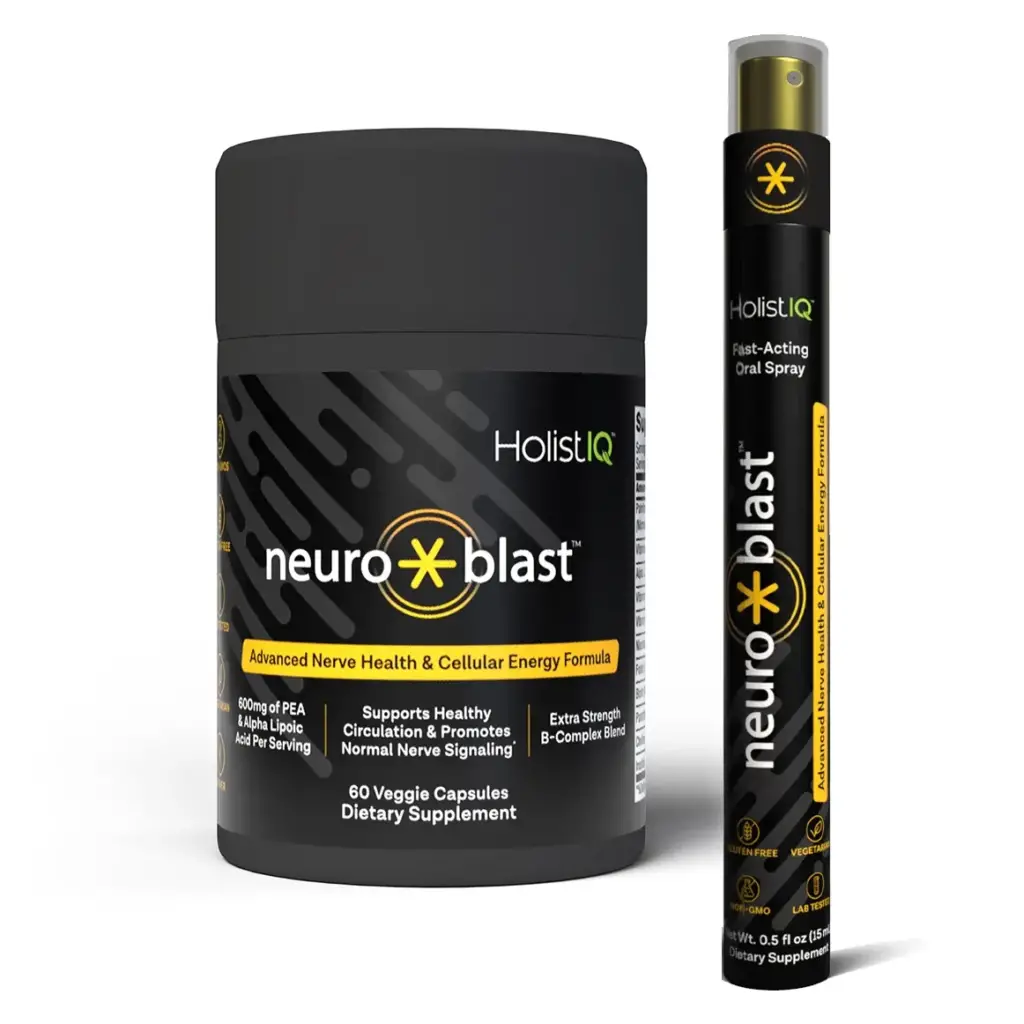
Putting together the right combination of supplements can feel overwhelming. That’s where a system designed for synergy comes in. The Neuro-Blast System was developed based on the principle that a comprehensive approach is essential for effective nerve support. It integrates multiple science-backed ingredients that work together to address nerve discomfort at a cellular level.
Instead of you having to research and purchase several different bottles, this system provides a carefully formulated blend of nutrients in one convenient package. We know that peripheral nerves can be repaired, and providing them with a wide range of support is a great way to encourage that natural process. This integrated method takes the guesswork out of your hands and delivers a powerful, multi-action formula designed to help you get moving again.
Once you’ve chosen the right supplements, the next step is to make sure you’re taking them correctly. How you take your supplements is just as important as what you take. The goal is to get the maximum benefit without any unwanted issues. Think of it as a partnership with your body; you provide the right tools at the right time, and your body does the repair work.
A safe approach starts with understanding that more isn’t always better. Your body can only absorb and use so much of a nutrient at once. Sticking to recommended amounts and being consistent is far more effective than taking large, sporadic doses. It’s also smart to see supplements as one part of your overall wellness plan, which should include a balanced diet, gentle movement, and open communication with your healthcare provider. Systems like Neuro-Blast are designed to provide a balanced, comprehensive approach, taking the guesswork out of combining different ingredients.
Getting the dosage and timing right is crucial for both safety and effectiveness. The first and most important step is to talk to a doctor before adding any new supplement to your routine. Your doctor understands your health history and can help you make sure a supplement is a good fit for you.
Once you get the green light, always follow the instructions on the product label. Exceeding the recommended dose can sometimes do more harm than good. For example, while B vitamins are essential for nerve health, taking too much vitamin B6 can actually lead to nerve-related side effects. Consistency is also key. Taking your supplements at the same time each day, such as with a meal, helps make it a habit and can support steady levels of the nutrients in your system.
You want your body to absorb as much of the good stuff as possible from your supplements. A simple tip is to take them with a meal. Many nutrients, especially fat-soluble vitamins, are absorbed more effectively when taken with food. This can also help prevent an upset stomach, which some people experience when taking supplements on an empty stomach.
Staying well-hydrated by drinking plenty of water throughout the day also helps your body transport and absorb nutrients. Finally, consider how supplements work together. Some nutrients have a synergistic effect, meaning they are more powerful when combined. This is the idea behind a comprehensive formula like the Neuro-Blast System, which combines specific ingredients designed to support each other for better overall nerve support.
Adding any new supplement to your routine is a big decision, and it’s smart to consider the full picture. While many ingredients used for nerve support are generally well-tolerated, it’s important to be aware of potential side effects and how they might interact with medications you’re already taking. Your safety is the top priority.
Thinking about these factors isn’t meant to be scary; it’s about being an informed and empowered advocate for your own health. A well-formulated system like Neuro-Blast is designed with safety and efficacy in mind, but every person’s body is unique. Understanding what to look for and when to talk to your doctor is a key part of successfully supporting your nerve health and getting you back to the activities you love.
Most people handle nerve health supplements without any issues, especially when sticking to the recommended dosage. However, some ingredients can cause mild side effects. For instance, Alpha-lipoic acid, a powerful antioxidant, can sometimes lead to an upset stomach or a skin rash.
It’s also possible to get too much of a good thing. While B vitamins are crucial for nerve function, extremely high doses of vitamin B6 can, ironically, lead to nerve-related symptoms. This is why following dosage instructions is so important and why caution is advised with high-dose vitamin B6 supplementation. The best approach is to listen to your body and report any new or unusual symptoms to your healthcare provider.
The word “natural” doesn’t automatically mean a supplement is safe to mix with your prescription medications. Supplements can sometimes change how your body absorbs or processes certain drugs, which can be risky. This is especially true if you take medications for diabetes, blood pressure, or blood thinners.
It’s absolutely essential to have a conversation with your doctor or pharmacist before starting any new supplement. They can review your complete medication list and help you avoid any potential interactions. For example, many people with neuropathy take prescription neuropathy medication like duloxetine or gabapentin, and your doctor needs to know what else you’re taking to ensure everything works together safely. This conversation is a simple but critical step in creating a comprehensive and safe plan for your health.
When you’re looking for relief from nerve discomfort, it’s easy to get lost in a sea of conflicting information. There are so many claims out there about nerve repair supplements, and frankly, not all of them are accurate. Let’s clear up some of the confusion by tackling the most common myths head-on. Getting the facts straight is the first step toward finding a solution that truly supports your body and helps you get moving again.
One of the most discouraging myths is that nerve damage is permanent and irreversible. The good news is that this isn’t always the case. Studies show that peripheral nerves, the ones outside your brain and spinal cord, have the capacity to repair themselves. Your body just needs the right support to do its job. Another common misconception is that neuropathy only affects people with diabetes. While diabetes is a frequent cause, nerve damage can also stem from vitamin deficiencies, autoimmune conditions, infections, and even certain medications. Understanding the true root causes of nerve discomfort is key to addressing it effectively.
It’s also important to have realistic expectations about what supplements can achieve. Many people believe supplements alone can cure neuropathy, but they are most effective as part of a broader wellness strategy. Think of them as essential tools that support your body’s healing process, not a magic fix. Similarly, while pain is a major symptom of neuropathy, it’s not the only one. Numbness, tingling, and weakness are also common signs that your nerves need support. A comprehensive approach, like the Neuro-Blast System, provides targeted nutrients that work together to support your entire nervous system on a cellular level.
When you start a new supplement routine for nerve support, one of the first questions you probably have is, “How long will this take?” It’s a completely fair question. You’re looking for relief and want to know what to expect. The truth is, there isn’t a single, one-size-fits-all answer. Nerve support is a gradual process that depends on your unique body and circumstances.
Think of it less like flipping a switch and more like turning up a dimmer. The goal is to slowly and steadily support your body’s natural processes. While some people might notice changes within a few weeks, for others, it can take a few months of consistent use to feel a real difference. The key is to stay consistent and give the ingredients time to work on a cellular level. Let’s look at what a realistic timeline looks like and the factors that can influence your personal journey toward feeling better.
Patience and consistency are your best friends when it comes to nerve support. Because nerve cells repair and regenerate slowly, you’ll want to commit to a supplement routine for at least three to six months to fairly assess your progress. Many of the nutritional supplements for neuropathic pain have been studied in smaller trials, which means results can vary from person to person. It’s also worth noting that some research suggests these supplements work best when used as part of a comprehensive wellness plan, sometimes alongside conventional treatments. So, stick with it, and remember that you’re investing in your long-term well-being.
Several factors can influence how quickly you see results. Your overall health, diet, lifestyle, and the severity of your nerve discomfort all play a role. This is why a comprehensive system that addresses nerve health from multiple angles can be so effective. It provides a steady supply of the specific nutrients your nervous system needs to function properly. Because everyone’s body is different, your progress is unique to you. Before starting any new regimen, it’s always a great idea to talk to a doctor to make sure the supplements are a good fit for your health needs and to understand any potential benefits or risks.
Before adding any new supplement to your routine, it’s smart to pause and ask this question. While it’s empowering to research and find solutions for your nerve health, the best approach is always a collaborative one. Your doctor is a key partner in your health journey, and bringing them into the conversation ensures you’re making the safest and most effective choices for your specific needs. Think of it as building your personal health team, with you as the captain and your doctor as the expert advisor.
The short answer is yes, you should absolutely talk to your doctor before starting any new supplements for nerve pain. It’s essential to get professional medical advice to confirm that any new addition is safe for you. Your doctor understands your complete health picture, including any other conditions you have and medications you take. They can help you avoid potential interactions and guide you toward what’s most likely to help. While the science behind many nerve-supportive nutrients is promising, many supplements still require more large-scale studies to confirm their effectiveness. A conversation with your doctor helps you weigh the potential benefits against any risks, creating a plan that’s tailored just for you.
It’s helpful to view supplements as a supportive part of a larger wellness strategy, not a standalone cure. The most effective approach to nerve health is often a comprehensive one that may include medication, lifestyle changes, and targeted nutritional support. Supplements can be a powerful addition to your existing treatment plan, working alongside what your doctor has already prescribed. The goal is to create a synergistic effect where every part of your plan supports the others. Our doctor-led system was designed with this comprehensive philosophy in mind, addressing nerve health from multiple angles. Discussing supplements with your doctor allows you to build a complete and cohesive plan to help you get moving again.
How is a comprehensive system different from just buying individual vitamins? Think of it as the difference between a recipe and a random pile of ingredients. While individual supplements like B vitamins or alpha-lipoic acid are beneficial, a comprehensive system is formulated so that each component works in harmony with the others. This synergistic approach ensures you get the right nutrients in the right amounts to support various aspects of nerve health at once, taking the guesswork out of creating an effective routine.
Can I get all these nutrients just from my diet? A healthy, balanced diet is the absolute foundation for good nerve health, and it’s always the best place to start. However, getting a therapeutic amount of specific nutrients needed for nerve repair can be difficult through food alone. Supplements can provide a more concentrated and targeted dose of these key compounds, giving your body the extra support it might need to address discomfort and encourage healing.
Are these supplements only helpful for people with diabetes? While nerve discomfort is very common among people with diabetes, it’s certainly not the only cause. Vitamin deficiencies, physical injuries, and other health conditions can also lead to nerve issues. The nutrients discussed in this post, such as B-complex vitamins and antioxidants, support the fundamental health of your nervous system, making them potentially helpful for nerve discomfort stemming from a variety of causes.
Why is it so important to be patient when taking nerve support supplements? Supporting your nerves is a marathon, not a sprint. Unlike a pain reliever that offers temporary relief, these supplements work on a deep, cellular level to provide your body with the building blocks it needs for repair. This is a gradual process that takes time and consistency. Sticking with a routine for at least a few months gives these ingredients the time they need to accumulate in your system and support your body’s natural healing cycles.
Do I still need to talk to my doctor if the ingredients are all-natural? Yes, absolutely. This is a crucial step for your safety. The term “natural” doesn’t mean a supplement is free of potential interactions. Certain ingredients can affect how your body processes prescription medications or may not be suitable for your specific health conditions. A conversation with your doctor ensures that your supplement plan is a safe and effective part of your overall wellness strategy.