
Taking charge of your health means asking good questions and seeking clear answers. If you’re considering alpha-lipoic acid for nerve support, one of the most important questions is about its safety. While this antioxidant is produced naturally by your body, taking it in supplement form requires a bit of knowledge. This guide was created to empower you with a clear understanding of alpha-lipoic acid side effects. We believe that knowing what to look for isn’t about creating worry; it’s about building confidence. We’ll cover how dosage can impact your experience and what to do if you notice any changes.
Before we talk about potential side effects, let’s cover the basics of what alpha-lipoic acid (ALA) is and what it does. You may have seen it listed as an ingredient in supplements aimed at nerve health, but understanding its role in your body is the first step to using it safely. ALA is a compound that works on a deep, cellular level, which is why it’s often discussed for nerve support.
Alpha-lipoic acid is a powerful antioxidant that your body actually produces on its own. Its main job is to help turn the carbohydrates you eat into energy your cells can use. Because it functions in both water and fatty tissues, it can work throughout your entire body. This unique quality allows it to protect cells from damage and support overall wellness. While our bodies make ALA, the amount is quite small, which is why some people turn to food sources and supplements to get more of it.
Your body naturally makes alpha-lipoic acid, but you can also find it in several common foods. Red meat and organ meats are particularly rich sources, but plenty of vegetables contain it, too. You can get ALA from eating spinach, broccoli, carrots, beets, and potatoes.
As a potent antioxidant, ALA helps protect your cells from damage caused by free radicals, which are unstable molecules that can harm your body over time. This protective quality is what makes it a popular ingredient in dietary supplements. By helping to neutralize these harmful molecules, ALA supports your body’s natural defense systems and contributes to overall cellular health.
Inside your body, alpha-lipoic acid plays a few important roles. Its primary function is to help your cells convert glucose (sugar) into energy, a vital process for everything you do. As an antioxidant, it also helps regenerate other important antioxidants, like vitamins C and E, after they’ve done their job fighting free radicals.
Because of these properties, ALA has been studied for its potential benefits in various health conditions, including nerve damage from diabetes. While some studies show it may offer support, the results have been mixed. Understanding how it works can help you and your doctor decide if it’s a good fit for your health plan.
Starting any new supplement means getting to know how your body responds. While Alpha-Lipoic Acid (ALA) is a powerful antioxidant that your body produces naturally, taking it in supplement form can sometimes come with side effects. The good news is that for most people, these effects are mild and often temporary. Knowing what to look for can help you feel prepared and confident. The most common reactions tend to fall into three categories: digestive upset, mild headaches, and skin reactions. Let’s walk through what you might experience so you can feel informed on your path to better nerve health.
One of the most common things people notice when starting Alpha-Lipoic Acid is some mild stomach trouble. This can show up as nausea, an upset stomach, or heartburn. Some people might also experience diarrhea or constipation. While it’s certainly not pleasant, this discomfort is usually not serious. It’s often just a sign that your body is adjusting to the new supplement. These symptoms tend to fade on their own after a few days or a week. Taking your ALA supplement with a meal, rather than on an empty stomach, can often help soothe your stomach and make the adjustment period a little smoother.
Have you ever felt a bit off after trying something new? That can sometimes happen with ALA. A mild headache is another common side effect that some people report when they first begin taking it. You might also feel a little dizzy or just generally under the weather. As with digestive issues, these feelings are typically temporary and resolve as your body gets used to the supplement. Making sure you’re drinking plenty of water throughout the day can be a simple but effective way to manage mild headaches. If the headaches are persistent or severe, it’s always a good idea to pause and check in with your healthcare provider.
Though less frequent than the other side effects, skin reactions are something to be aware of. For some individuals, taking ALA orally can lead to a mild skin rash or itching. This is typically not a cause for major concern, but you should still monitor it. It’s important to distinguish a mild rash from a more serious allergic reaction. In very rare cases, a person might experience hives, swelling, or difficulty breathing. These are signs of a serious reaction that requires immediate medical attention. If you notice any changes to your skin after starting ALA, it’s best to stop taking it and consult your doctor to be safe.
While most people tolerate alpha-lipoic acid well, it’s smart to be aware of the more serious, though less common, side effects. Knowing what to look for helps you act quickly and stay safe. These reactions are rare, but your health is the top priority. If you notice any of the following symptoms after starting ALA, stop taking it and talk to your doctor right away. Let’s walk through what to keep an eye on so you can feel confident and prepared.
An allergic reaction requires immediate attention. Though uncommon with alpha-lipoic acid, it’s crucial to recognize the signs. You might experience swelling around your face, lips, or tongue, have difficulty breathing, or feel severely dizzy. These are serious symptoms that shouldn’t be ignored. If you notice any of these signs, please seek emergency medical help. Understanding potential allergic reactions is a key part of safely using any new supplement.
One of alpha-lipoic acid’s notable effects is its ability to lower blood sugar levels. While this can be a benefit, it requires careful management if you have diabetes or are prone to hypoglycemia (low blood sugar). A sudden drop can cause shakiness, confusion, and sweating. To stay safe, monitor your blood sugar levels closely when you start taking ALA. Health Canada has assessed the potential risk of low blood sugar, so be sure to work with your doctor to find the right approach.
Insulin autoimmune syndrome is a very rare condition that can be triggered by alpha-lipoic acid in some individuals. This syndrome causes the body to produce antibodies that attack its own insulin, leading to episodes of very low blood sugar. The symptoms can feel unsettling and often include dizziness, headaches, and confusion. While the chances of this happening are low, it’s important to be aware of the possibility. If you experience these symptoms, especially a few hours after a meal, discuss this rare autoimmune response with your healthcare provider.
While alpha-lipoic acid offers promising benefits for nerve health, it’s not a one-size-fits-all solution. Certain health conditions and life stages call for a more careful approach. Before adding any new supplement to your routine, it’s always a good idea to understand if you fall into a group that needs to be extra cautious. It’s all about making informed, safe choices for your body. Let’s walk through a few key situations where you’ll want to have a conversation with your doctor before starting ALA. This ensures you can find a path to relief that works in harmony with your overall health needs.
If you’re expecting or currently breastfeeding, your primary focus is the health of your little one. Because there isn’t enough research to confirm its safety for you and your baby, alpha-lipoic acid is generally not recommended during this special time. The “better safe than sorry” approach is wisest here. Always consult your healthcare provider before taking any new supplements during pregnancy or while nursing. They can help you make the best choices for both of you, ensuring you get the support you need without taking any unnecessary risks.
For those managing diabetes, this is an important one to watch. Alpha-lipoic acid has been shown to lower blood sugar levels. While that might sound helpful, it can create a risky situation if you’re also taking diabetes medications like insulin or metformin. The combined effect can cause your blood sugar to drop too low, a condition known as hypoglycemia. If you’re considering ALA, it’s absolutely essential to work closely with your doctor. They can help you monitor your blood sugar levels carefully and determine if any adjustments to your medication are needed.
If you live with a thyroid condition, you’ll also want to proceed with caution. ALA can potentially interfere with your thyroid hormones and the medications you take to manage your condition. This applies whether you have an underactive thyroid (hypothyroidism) or an overactive one (hyperthyroidism). The concern is that ALA might alter the effectiveness of your treatment. It’s crucial to discuss adding this supplement with your doctor. They can help you weigh the pros and cons and monitor your thyroid function if you decide to move forward together.
When it comes to supplements, the amount you take is just as important as what you’re taking. With alpha-lipoic acid, finding that sweet spot is key to getting the benefits you want without unnecessary side effects. It’s not a case where more is automatically better. The right dosage helps your body use ALA effectively, while simple adjustments to how you take it can make a big difference. Let’s walk through what you need to know to feel confident and safe.
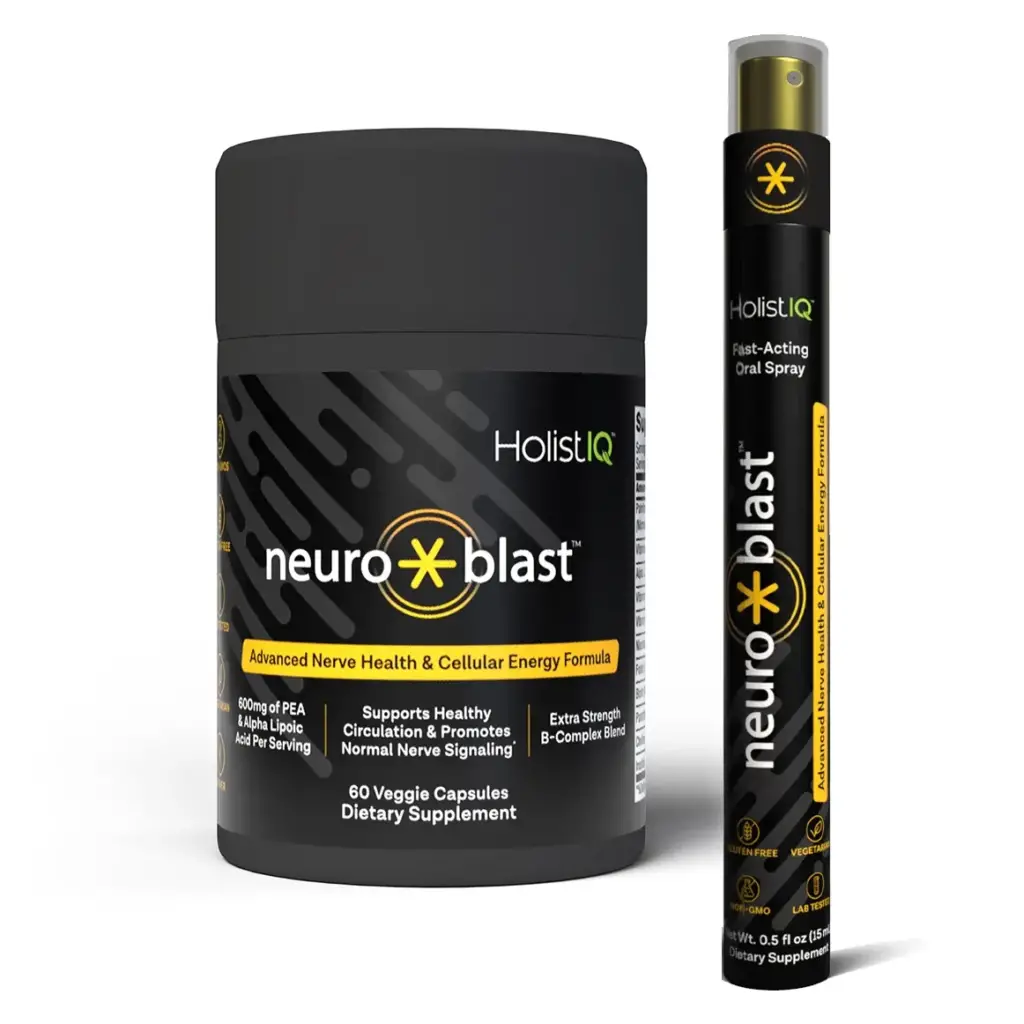
While there isn’t a single universal dose, clinical studies give us a solid starting point. For nerve support, adults have often used between 600 and 1800 mg by mouth daily. This range is where many positive effects have been observed. Your ideal amount depends on your health needs, so it’s always smart to start with a lower dose and talk with your doctor. Systems like Neuro-Blast are carefully formulated to provide an effective dose designed to support your nervous system without being excessive.
Sticking to the recommended dosage is crucial because high doses of ALA can lead to serious health issues. While standard doses are generally well-tolerated, an overdose can be dangerous. Extremely high amounts can cause severe problems, including confusion, seizures, and even organ failure. This isn’t meant to scare you, but to highlight why following label instructions is so important. More isn’t better. The goal is to provide steady, consistent support for your body, and that happens within the recommended, safe dosage range.
Sometimes, avoiding side effects is as simple as changing how you take your supplement. One of the most common complaints with ALA is mild stomach upset. Taking your alpha-lipoic acid supplement with a meal can help reduce or prevent these issues, as the food acts as a buffer. Creating a routine by taking it at the same time each day can also help your body adjust. Always read the product label for specific instructions, as understanding how it works within your body can make all the difference in your comfort and results.
Alpha-lipoic acid is a powerful antioxidant, but like any supplement, it doesn’t work in a vacuum. It can interact with certain medications and other supplements you might be taking, which is why it’s so important to be informed. Think of your health routine like a team of players; you want everyone working together toward the same goal. Understanding potential interactions is a key part of using ALA safely and effectively, ensuring it supports your body without causing unintended issues. This knowledge empowers you to make the best choices for your unique needs.
Before adding any new supplement to your daily regimen, it’s always a smart move to have a conversation with your doctor or pharmacist. They have a full picture of your health history and can give you personalized advice based on the specific medications you take. This simple step helps you get the most out of your supplements while protecting your well-being. It’s not about being overly cautious, but about being proactive and in control of your health. Now, let’s walk through a few of the most common interactions to keep on your radar so you can feel confident in your choices.
If you manage diabetes or watch your blood sugar levels, this is an important one. Alpha-lipoic acid can lower blood sugar. While that sounds like a good thing, if you’re also taking diabetes medications like metformin or insulin, the combined effect could cause your blood sugar to drop too low, a condition known as hypoglycemia. To stay safe, it’s essential to monitor your blood sugar levels very carefully when you start taking ALA and to work closely with your doctor. They may even need to adjust your medication dosage.
For those with a thyroid condition, it’s good to know that ALA might affect how your body uses thyroid hormones. Some evidence suggests that alpha-lipoic acid can interfere with the conversion of thyroid hormones, potentially making your thyroid medication less effective. If you take medication for your thyroid, like levothyroxine, be sure to discuss adding ALA to your routine with your healthcare provider. They can help you monitor your thyroid function and ensure your levels stay right where they need to be for you to feel your best.
Alpha-lipoic acid is known as a chelator, which is a fancy way of saying it can bind to certain metals and minerals in your body. This means if you take ALA at the same time as supplements containing iron, zinc, or magnesium, it could reduce how much of those essential minerals your body absorbs. To avoid this, a simple fix is to space them out. Try taking your mineral supplements at least two to three hours apart from your alpha-lipoic acid dose. This gives your body enough time to absorb each one properly.
Starting any new supplement comes with questions, and it’s smart to have a plan in case you don’t feel your best. While many people take alpha-lipoic acid without any issues, your body is unique. If you start to experience side effects, knowing what to do next can give you peace of mind. Most mild reactions, like an upset stomach, may resolve on their own as your body adjusts. However, it’s important to listen to your body and not push through persistent or severe discomfort. Your health and safety always come first.
The key is to distinguish between a minor, temporary issue and something that requires you to stop taking the supplement or even seek medical care. Having a clear understanding of these differences will help you stay in control of your health journey.
If you experience a reaction that feels off, it’s always best to pause and assess. You should stop taking alpha-lipoic acid if you notice signs of an allergic reaction. This could include developing a rash, hives, or feeling dizzy. Swelling, particularly around your face, lips, or tongue, is another clear signal to discontinue use immediately. These symptoms indicate your body is having a negative reaction, and continuing the supplement could make it worse. Trust your instincts; if a side effect feels concerning or doesn’t go away after a day or two, it’s wise to stop taking it until you can speak with your doctor.
Some reactions are more than just uncomfortable; they’re medical emergencies. If you experience any severe symptoms, you need to seek medical help right away. Pay close attention to any signs of a serious allergic reaction, such as difficulty breathing, tightness in your chest, or swelling of your throat. Severe dizziness or feeling like you might pass out are also urgent warning signs. These symptoms can be serious, so don’t hesitate to call 911 or go to the nearest emergency room. It’s much better to be cautious and get checked out than to wait and see if things improve on their own.
Open communication with your doctor is essential for safely managing your health. Before you even start taking alpha-lipoic acid, it’s a great idea to have a conversation with your healthcare provider. This is especially important if you have existing health conditions like diabetes or a thyroid disorder. When you talk to them, be prepared to discuss all your current medications and any other supplements you take. This helps them check for potential drug interactions and give you personalized advice. If you do experience side effects, schedule a follow-up and describe your symptoms clearly so they can help you find the best path forward.
Alpha-Lipoic Acid is a powerful antioxidant, but like any supplement, it’s important to use it wisely to get the benefits without the drawbacks. The good news is that you have a lot of control over your experience. By being mindful of how you introduce ALA into your routine, you can significantly reduce the chances of unwanted side effects. It’s all about listening to your body and following a few simple, effective strategies.
Taking a thoughtful approach allows you to find what works best for you. Let’s walk through three key steps you can take to make Alpha-Lipoic Acid a safe and helpful part of your wellness plan.
When you’re starting any new supplement, it’s always smart to ease into it. Think of it as giving your body a chance to get acquainted with something new. Instead of jumping straight to a high dose, begin with a smaller amount and see how you feel. While studies often use daily doses between 600 to 1800 mg for adults, starting on the lower end of that spectrum is a sensible first step.
This “start low and go slow” method lets you gauge your personal tolerance. You can gradually increase the amount over several days or weeks until you find the dose that feels right for your body. This careful approach helps you reap the benefits while minimizing the risk of overwhelming your system and triggering discomfort.
One of the most common complaints with ALA is mild stomach upset or nausea. Luckily, there’s a very simple fix for this: take it with a meal. Having some food in your stomach can act as a buffer, helping to prevent any potential gastrointestinal irritation. It’s a small adjustment that can make a big difference in your comfort.
To make it even easier, try incorporating your supplement into your daily routine. Taking it with breakfast or dinner every day helps you stay consistent and ensures you’re not taking it on an empty stomach. You can find more tips on how to best use supplements on our FAQ page. This simple habit can help you avoid discomfort and focus on feeling your best.
The quality of your supplement matters immensely. The market is filled with options, and they are not all created equal. A high-quality product from a reputable source ensures you’re getting a pure, effective supplement without unnecessary fillers or contaminants. While ALA is generally considered safe, choosing a trustworthy brand is your best bet for avoiding mild side effects like an upset stomach.
Look for companies that are transparent about their ingredients and manufacturing processes. The Neuro-Blast System is engineered to support your nervous system on a cellular level, using carefully sourced ingredients. Investing in a premium product gives you peace of mind, knowing you’re putting something safe and reliable into your body.
Deciding whether to add a new supplement to your routine is a big step, especially when you’re focused on something as important as your nerve health. You’ve learned about the potential side effects of alpha-lipoic acid, from the common to the more serious. Now, the question is: does it fit into your personal health plan? Making an informed choice means looking at the potential upsides, considering the long-term picture, and, most importantly, looping in your healthcare provider. Let’s walk through these final steps to help you determine if ALA is a good match for your goals.
Alpha-lipoic acid has gained attention because it’s a powerful antioxidant that your body naturally produces. Many people explore ALA supplements for their potential to help with conditions involving oxidative stress, like nerve discomfort. The potential benefit is clearer nerve function and greater comfort, which can make a world of difference in your daily life.
However, these potential gains must be measured against the risks. As we’ve covered, side effects can range from mild heartburn or nausea to more significant issues like low blood sugar. The key is to ask yourself if the possibility of relief outweighs the chance of experiencing these effects. This is a personal decision, as everyone’s body and tolerance level is different.
Supporting your nerve health isn’t a quick fix; it’s a long-term commitment. When considering ALA, it’s helpful to think about where it fits into your sustainable wellness strategy. Research suggests that taking ALA orally is generally considered safe for most adults for up to four years. While many side effects are mild, you should consider if this is a supplement you can comfortably and consistently take over time.
True nerve support involves a comprehensive approach that addresses health at a cellular level. Think of any supplement as just one piece of a larger puzzle. Your long-term plan should focus on creating a foundation for lasting wellness, which is why understanding how deep support works is so crucial for achieving your goal of getting back to the activities you love.
This is the most important step you can take. Before starting alpha-lipoic acid, have a conversation with your doctor or a trusted healthcare provider. This is non-negotiable, especially if you are pregnant, breastfeeding, have a thyroid condition, or are managing diabetes. Because ALA can lower blood sugar, your doctor may need to adjust your other medications to prevent it from dropping too low.
Come to your appointment prepared. Bring a list of all your current medications and supplements, and be ready to discuss your health goals. Your doctor can help you determine a safe starting dose and create a plan to monitor your progress. This partnership ensures you’re making the safest, most effective choice for your body, backed by professional medical expertise.
What is the most common side effect I might experience when starting alpha-lipoic acid? The most frequent thing people notice is some mild digestive upset, like nausea or heartburn. This often happens when your body is just getting used to the new supplement. These feelings are typically temporary and tend to fade after a few days. Taking your supplement with a meal can usually help prevent this discomfort.
Can I take alpha-lipoic acid if I have diabetes? This is a situation that requires extra care and a conversation with your doctor. Alpha-lipoic acid can lower blood sugar levels, which can interfere with diabetes medications and potentially cause your blood sugar to drop too low. It is essential to work with your healthcare provider to monitor your levels closely and determine if it’s a safe choice for you.
Is it possible to take too much alpha-lipoic acid? Yes, it is. While standard doses are generally safe, taking excessively high amounts can lead to serious health issues. It’s important to follow the dosage instructions on the product label or the specific guidance from your doctor. The goal is to provide consistent support for your body, and that is best achieved within the recommended, safe range.
How can I avoid getting an upset stomach from this supplement? A simple and effective way to prevent stomach discomfort is to take your alpha-lipoic acid supplement with food. A meal or even a small snack can act as a buffer and reduce the chances of irritation. Making it a habit to take it at the same time each day with a meal, like breakfast or dinner, can make a big difference.
When should I stop taking ALA and call my doctor? You should stop taking the supplement and consult your doctor if you experience any concerning reactions that don’t go away, such as a persistent skin rash or dizziness. If you notice any signs of a serious allergic reaction, like swelling of the face or throat, or have difficulty breathing, you should seek emergency medical attention right away.