
If you’re searching for relief from leg nerve discomfort, you know that a single solution rarely does the trick. True, lasting comfort comes from a multi-faceted approach that supports your body from every angle. It’s about combining simple home remedies for immediate relief with consistent lifestyle habits that promote long-term nerve health. This guide is your comprehensive roadmap. We will explore a variety of strategies you can start using today, from gentle stretches and nutritional adjustments to the science behind targeted, cellular-level support. We’ll show you how to reduce nerve discomfort in legs by building a personalized plan that works for you, helping you feel stronger, steadier, and more comfortable every day.
Key Takeaways
- Understand Your Body’s Signals: Nerve discomfort is a message from your body. Pinpointing the source, whether it’s a spinal issue like sciatica or a condition like peripheral neuropathy, is the first and most important step toward finding effective relief.
- Layer Your At-Home Care: Lasting comfort comes from combining different strategies. Use immediate relief methods like heat and gentle stretches for flare-ups, while building long-term nerve health through consistent habits like a balanced diet and regular, low-impact exercise.
- Partner with a Professional for a Targeted Plan: While home remedies are powerful, don’t hesitate to see a doctor for a proper diagnosis, especially if symptoms are severe or worsening. A professional can help you create a complete plan that addresses the root cause with medical treatments or advanced cellular-level support.
What Is Nerve Discomfort in Your Legs?
That nagging ache, sharp shooting pain, or pins-and-needles feeling in your legs isn’t just an annoyance—it’s a message from your body’s communication system. Unlike a simple muscle cramp that eases up, nerve discomfort can be persistent and disruptive, making it hard to focus on anything else. It might feel like a burning sensation that keeps you up at night, numbness that makes you feel unsteady on your feet, or a tingling that just won’t quit. At its core, this discomfort is a signal that the nerves running through your legs are being compressed, irritated, or damaged. These nerves are responsible for everything from feeling the ground beneath you to telling your muscles to move, so when they’re not happy, it can seriously impact your mobility and confidence. It can make walking, standing, or even just sitting comfortably feel like a challenge. Understanding what your body is trying to tell you is the first real step toward finding a solution that helps you get back to your life with more comfort and ease.
Common Causes of Leg Nerve Pain
Leg nerve pain can stem from a few common culprits. You’ve likely heard of sciatica, which occurs when the sciatic nerve gets pinched, often by something like a herniated disk. This can cause pain to radiate down your leg. Another frequent cause is peripheral neuropathy, which is a broader term for nerve damage outside of the brain and spinal cord. This can be related to conditions like diabetes, infections, or a lack of certain vitamins. Getting to the bottom of what’s causing the pain is so important, as treating the source can make a world of difference in finding lasting relief.
How to Recognize the Symptoms
So, how can you tell if your leg discomfort is nerve-related? The signs are often very distinct. Many people report a burning or electric shock-like feeling that travels down the leg, not just a simple muscle ache. You might also notice numbness or that persistent pins-and-needles sensation. Try to observe what makes it worse. Does a simple cough, sneeze, or bend at the waist trigger the pain? These are classic clues of nerve compression. A doctor can help you connect the dots and diagnose the underlying cause with an exam to check your reflexes and muscle strength.
What Triggers Nerve Pain in the Legs?
Understanding what’s causing your leg nerve discomfort is the first step toward finding relief. Nerve pain isn’t a one-size-fits-all issue; it can stem from a variety of underlying conditions, each with its own set of triggers. From metabolic issues like diabetes to structural problems in your spine, the source of the pain often determines the best path forward. Pinpointing the root cause helps you and your doctor create a more effective plan to manage your symptoms and support your long-term nerve health. By exploring some of the most common culprits, you can gain a clearer picture of what might be happening in your body and start asking the right questions.
Peripheral Neuropathy and Diabetes
One of the most frequent causes of nerve pain in the legs is peripheral neuropathy, a condition often linked to diabetes. When blood sugar levels remain high over time, they can damage the delicate nerve fibers throughout your body, especially in your hands and feet. This damage can lead to symptoms like numbness, tingling, burning, or sharp pains in your legs. Managing your blood sugar through a healthy diet, regular exercise, and medication is crucial for preventing further nerve damage. Simple lifestyle changes, like eating a balanced diet and quitting smoking, can also play a significant role in easing your symptoms and improving your overall well-being.
Sciatica and Spinal Issues
If you’ve ever felt a sharp, radiating pain that travels from your lower back down through your leg, you may have experienced sciatica. This specific type of nerve pain occurs when the sciatic nerve, the longest nerve in your body, becomes compressed or irritated. Common causes include a herniated disk, spinal stenosis (a narrowing of the spinal canal), or degenerative disk disease. The pain can range from a mild ache to a severe, debilitating sensation. Understanding the specific spinal issue causing the compression is key, as it allows for targeted treatments that can relieve the pressure on the nerve and reduce your discomfort.
Poor Circulation and Vitamin Deficiencies
Your nerves need a steady supply of oxygen and nutrients to function properly, which they get from your bloodstream. When circulation is poor, this supply line gets disrupted, potentially leading to nerve damage and pain in your legs. On a related note, certain vitamin deficiencies can also harm your nerves. A lack of B vitamins, especially B12, is a well-known contributor to nerve-related issues. The good news is that these causes are often manageable. Improving circulation through exercise and addressing any nutritional gaps with dietary changes or supplements can be an effective part of your treatment plan to support nerve health and reduce discomfort.
Find Immediate Relief at Home
When nerve discomfort flares up in your legs, finding quick relief is your top priority. While long-term solutions are essential for lasting health, a few at-home strategies can help manage the pain in the moment. These simple, accessible methods can provide the comfort you need to get through a tough day. Think of them as your first line of defense for managing sudden or intense discomfort right when it happens, using items and techniques you likely already have on hand.
Try Heat and Cold Therapy
Alternating between heat and cold can be a surprisingly effective way to manage nerve discomfort. When the pain first starts, applying an ice pack wrapped in a towel for about 20 minutes can help reduce inflammation and numb the area. After a few days, you can switch to a heating pad or warm compress. The warmth helps relax tight muscles that might be pressing on nerves and improves blood flow to the area. This simple sciatica treatment is a go-to for many because it’s easy to do and can provide immediate, soothing relief.
Use Gentle Stretches and Movement
It might seem counterintuitive to move when you’re in pain, but gentle activity is often beneficial. Light stretching can help release tension in the muscles surrounding the affected nerves, which can ease pressure and discomfort. Try simple movements like hamstring stretches or knee-to-chest pulls while lying on your back. The goal isn’t to push through the pain but to encourage flexibility and circulation. Even a short, slow walk can prevent stiffness and support blood flow, which is crucial for nerve health and healing.
Consider Over-the-Counter Options
For mild to moderate pain, an over-the-counter (OTC) medication may offer the quick relief you need to get on with your day. Nonsteroidal anti-inflammatory drugs (NSAIDs) like ibuprofen or naproxen can be particularly helpful because they target both pain and inflammation. These over-the-counter pain relievers are widely available and can be a useful tool for managing temporary flare-ups. Always be sure to follow the package directions and consult with your doctor to ensure they are a safe choice for you.
Explore Long-Term Home Remedies
Finding immediate relief is important, but building a routine for long-term comfort is where you’ll find lasting change. While quick fixes can help you get through a tough day, true progress comes from consistent, daily habits that support your nerve health from the inside out. Think of these strategies as daily investments in your well-being. They work by addressing underlying issues, reducing inflammation, and strengthening your body’s natural resilience over time. This approach is about shifting from a reactive cycle of managing flare-ups to a proactive lifestyle that fosters stability and strength.
Taking this long-term view empowers you. Instead of feeling like you’re at the mercy of your symptoms, you’re actively building a foundation for better health. Each healthy meal, gentle stretch, or moment of mindfulness is a step toward greater comfort and mobility. It’s a process of learning what works for your body and creating a personalized plan that you can stick with. By combining different approaches, you can create a powerful, supportive routine that helps you feel better day in and day out, allowing you to stay active, engaged, and more fully enjoy your life.
Apply Topical Treatments and Natural Solutions
When discomfort flares up, applying a treatment directly to your legs can offer targeted relief without affecting your whole body. Creams containing capsaicin, a compound found in chili peppers, are a popular option. Capsaicin works by creating a warming sensation that can help in blocking pain signals from the nerves to your brain. Just be aware that it can cause some initial skin irritation for some people. While topicals are great for managing symptoms as they arise, they work best as part of a broader care plan. Your doctor may also discuss other long-term medications, so be sure to ask what might be right for you.
Focus on Nutrition and Key Supplements
What you eat has a direct impact on your nerve health. A balanced diet full of fruits, vegetables, whole grains, and lean protein provides the essential vitamins and minerals your nervous system needs to function properly. A deficiency in Vitamin B12, for example, is a known cause of nerve damage. If you’re concerned, your doctor can check your levels and may recommend supplements or injections. Fueling your body with the right nutrients is a powerful step toward managing discomfort from the inside. This nutritional foundation is especially effective when paired with a system designed for deep, cellular-level nerve support.
Practice Mind-Body Techniques
Your mental and emotional state can influence how you experience physical discomfort, as stress can often make symptoms feel worse. Mind-body practices help soothe the entire nervous system, creating a sense of calm that can ease tension. Regular exercise like walking, swimming, or tai chi is fantastic for improving circulation and can help manage pain. These gentle activities also help control blood sugar levels, which is crucial for nerve health. Some people also find relief through alternative therapies like acupuncture. The key is to find a gentle, consistent practice that feels good to you and helps you feel more in control.
When Should You See a Doctor?
While home remedies and lifestyle adjustments can make a world of difference, it’s just as important to know when to bring in a professional. Self-diagnosing can be tricky, and a doctor can help you get to the root cause of your nerve discomfort, ensuring you’re on the right path to feeling better. Think of it as adding an expert to your personal wellness team. A proper diagnosis is the first step toward a targeted and effective treatment plan that can truly address what’s going on beneath the surface.
Visiting a doctor doesn’t always mean you’ll leave with a prescription. In some cases, if a clear cause isn’t found, your doctor might suggest waiting to see if the issue improves on its own. But if your symptoms are persistent, getting worse, or significantly impacting your daily life, making that appointment is a crucial step. It’s about getting clarity and creating a strategy that works for you. Below, we’ll cover the signs that mean you should seek help right away and what kind of medical treatments you might discuss with your healthcare provider. This knowledge empowers you to take control of your health journey with confidence.
Emergency Symptoms You Can’t Ignore
Most nerve discomfort is a gradual issue, but some symptoms are red flags that require immediate medical attention. If you suddenly experience significant muscle weakness in your legs, or a loss of bladder or bowel control, don’t wait. These can be signs of a more serious condition that needs to be addressed quickly. While it can be alarming, getting a swift and accurate diagnosis is the best thing you can do in this situation. Trust your instincts; if something feels seriously wrong, it’s always better to get it checked out by a professional right away.
Explore Medical Treatments and Therapies
When you see a doctor, they will work to identify the underlying cause of your nerve pain. Depending on the diagnosis, they might suggest a few different paths. For milder pain, over-the-counter pain relievers may be enough. For more persistent nerve-related discomfort, doctors often prescribe medications like gabapentin or pregabalin.
Beyond medication, physical therapy is a fantastic tool for improving muscle strength and balance, and your therapist might recommend a cane or walker to help you move safely. In rare cases where a nerve is being compressed by something like a tumor, surgery might be an option. The goal is always to treat the cause while managing your symptoms, creating a plan that helps you get back to your life.
Lifestyle Changes for Long-Term Nerve Health
While immediate relief is important, building healthy habits is the key to managing nerve discomfort for good. Think of these lifestyle changes as the foundation of your wellness plan. They support your body’s natural ability to heal and can make other treatments, like targeted nerve support, even more effective. Making small, consistent adjustments to your daily routine can lead to significant improvements in your comfort, mobility, and overall quality of life. It’s about creating a sustainable approach that helps you feel your best day in and day out.
These changes don’t have to be drastic. The goal is to find what works for you and build on it over time. By focusing on movement, nutrition, and rest, you’re taking powerful, proactive steps toward lasting nerve health and getting back to the activities you love.
Create an Exercise Routine
When your legs are uncomfortable, exercise might be the last thing on your mind. However, gentle, regular movement is one of the best things you can do for your nerves. Physical activity helps reduce pain, improves muscle strength, and helps manage blood sugar levels, which is a critical factor for many people with nerve issues.
You don’t need to run a marathon to see the benefits. Start with low-impact activities that feel good for your body. A daily walk, gentle stretching, yoga, or swimming are all excellent choices. The key is consistency. Aim for about 30 minutes of movement most days of the week, and always listen to your body. A little activity can go a long way in improving circulation and easing stiffness.
Adjust Your Diet and Manage Weight
The food you eat directly impacts your nerve health. A balanced diet full of fruits, vegetables, whole grains, and lean proteins gives your body the essential vitamins and minerals it needs to function properly. Think of your meals as fuel for your nervous system. Brightly colored vegetables and fruits are packed with antioxidants, which can help protect your cells from damage.
Maintaining a healthy weight also reduces pressure on your nerves and can improve symptoms. Simple lifestyle changes like cutting back on processed foods, reducing alcohol intake, and staying hydrated can make a noticeable difference. You don’t need a perfect diet, just a mindful approach to nutrition that supports your long-term health goals.
Improve Sleep and Reduce Stress
Never underestimate the power of a good night’s sleep. Your body does most of its repair work while you rest, and getting enough quality sleep is crucial for nerve recovery. If discomfort keeps you up at night, try creating a relaxing bedtime routine. This could include a warm bath, reading a book, or practicing gentle stretches before bed.
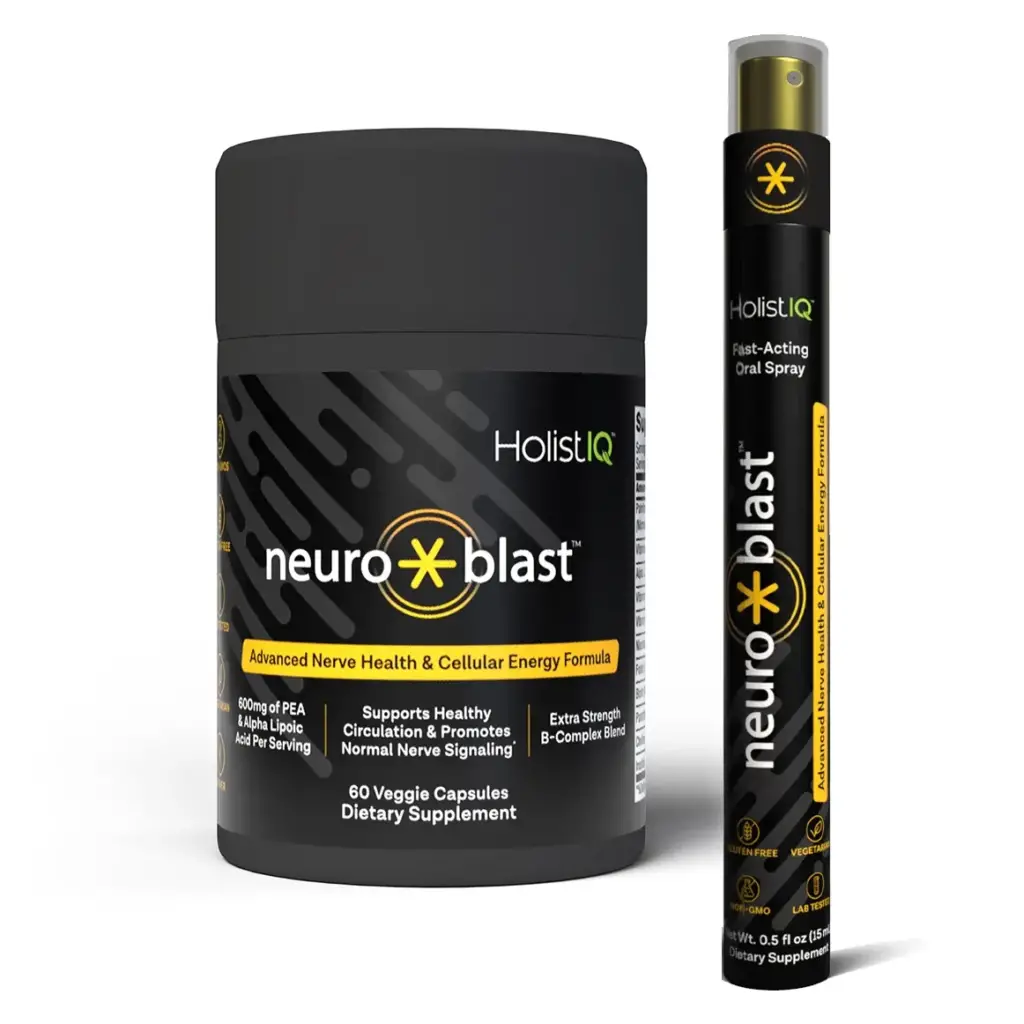
Stress can also make nerve discomfort feel worse. Finding healthy ways to manage it is essential. Techniques like deep breathing, meditation, or even spending time on a hobby you enjoy can help calm your nervous system. Combining these practices with a comprehensive support plan, like the Neuro-Blast System, helps address your nerve health from all angles.
How Does Targeted Nerve Support Work?
To find lasting relief from nerve discomfort, it helps to understand what’s happening inside your body. Instead of just masking the pain, a targeted approach aims to support your nerves at the source. Think of it like tending to the roots of a plant instead of just painting the leaves green. When your nerves get the specific support they need to function properly, you can start to feel a real difference. This process involves giving your body the building blocks it needs to maintain a healthy nervous system, which can help you feel more steady and comfortable.
Modern approaches focus on the cellular level, where the real work of nerve repair and maintenance happens. Your nervous system is a complex network, and every part needs to be in good shape for it to work correctly. By providing support directly to the cells responsible for nerve health, you can help your body manage discomfort more effectively. This is about creating an environment where your nerves can thrive, which is a key step toward getting you back on your feet and moving comfortably again. The Neuro-Blast System is designed around this very principle, offering a comprehensive method for deep, cellular-level support that goes beyond temporary fixes. It’s a proactive way to care for your body’s internal wiring.
The Science of Cellular-Level Support
Your nerves have their own dedicated support crew. A key part of this crew is a group of specialized cells, including Schwann cells and glial cells. Think of Schwann cells as the repair team; they jump into action after nerve damage, helping to guide regeneration and growth. At the same time, peripheral nerve glial cells act as the nutrient delivery service, providing metabolic support to keep your neurons healthy and communicating effectively. When these cells have everything they need to do their jobs, your entire nervous system benefits. Supporting these cellular functions is fundamental to reducing discomfort and maintaining long-term nerve health.
Why a Comprehensive System Is More Effective
Because your nervous system is so intricate, a single-ingredient solution often isn’t enough. Effective nerve repair relies on the complex interactions between many different types of cells. They all need to work together seamlessly. This is why a comprehensive system that provides multi-faceted support can be more effective. It addresses the different needs of your nervous system all at once. Furthermore, the delivery method matters. Advanced strategies for targeted delivery ensure that supportive ingredients can reach the peripheral nerves where they are needed most. A complete system, like one combining capsules for sustained support with a spray for rapid absorption, provides a well-rounded approach to nerve comfort.
Create Your Personal Nerve Comfort Plan
Finding lasting relief from nerve discomfort is rarely about a single quick fix. Instead, it’s about building a personalized plan that fits your body and your life. Think of yourself as the project manager for your own comfort. Your goal is to create a routine that addresses the discomfort from multiple angles, combining daily habits, targeted support, and professional medical advice.
This approach puts you in control, allowing you to find a sustainable rhythm for managing your symptoms and improving your nerve health over the long term. A successful plan is one that’s both effective and realistic for you to follow day in and day out. It’s about making small, consistent changes that add up to a big difference in how you feel and move.
Combine Different Strategies for Best Results
The most effective way to manage nerve discomfort is by layering different strategies. Medical experts often focus on two key areas: addressing the underlying cause and managing symptoms. Your personal plan should do the same. This could mean combining gentle exercises and dietary changes with the specific treatments your doctor recommends.
A truly holistic plan might include stretching, mind-body techniques, and nutritional adjustments alongside a powerful support system. For instance, incorporating a comprehensive system like Neuro-Blast provides targeted, cellular-level support that works in tandem with your other efforts. By combining different methods, you create a stronger, more resilient strategy for finding comfort and getting back to the activities you love.
Track Your Progress and Adjust Your Plan
Your comfort plan shouldn’t be set in stone. Your body’s needs can change, so it’s important to pay attention to what’s working and what isn’t. Try keeping a simple journal for a few weeks. Note your discomfort levels, what you did that day (like a specific exercise or food), and how you felt afterward. This simple practice can reveal powerful patterns and help you pinpoint your personal triggers and most effective remedies.
This log will also be incredibly helpful when you talk to your doctor. Instead of just saying “it hurts,” you can provide specific details that lead to a more productive conversation. Remember, finding relief is a process. Be patient with yourself and be prepared to adjust your plan as you go. Understanding how a systematic approach works can help you stay committed as you fine-tune your routine for optimal results.
Related Articles
- 12 Home Remedies for Neuropathy in Legs and Feet
- 5 Soothing Home Remedies for Neuropathy of the Feet
- How to Treat Nerve Pain in Your Foot at Home
- How to Relieve Leg Pain From Poor Circulation: 7 Tips
Frequently Asked Questions
How can I tell if my leg pain is from a nerve or just a muscle ache? The feeling itself is often the biggest clue. Muscle pain typically feels like a dull, localized ache or soreness. Nerve discomfort, on the other hand, often has a distinct quality to it. Many people describe it as a sharp, shooting, or burning sensation that can travel down the leg. You might also experience tingling, numbness, or a feeling like pins and needles, which are classic signs that a nerve is involved.
Is it really safe to exercise when my legs are already in pain? Yes, gentle movement is not only safe but often very beneficial. The key is to listen to your body and avoid any activity that causes sharp or worsening pain. The goal isn’t an intense workout but rather to encourage blood flow and prevent stiffness. Simple activities like a slow walk, light stretching, or swimming can help relax tight muscles and deliver vital oxygen and nutrients to your nerves.
How long will it take to feel better with these home remedies? It’s helpful to think about relief in two ways: immediate and long-term. Strategies like heat and cold therapy can provide comfort right away, helping you manage a flare-up in the moment. Lasting improvement, however, comes from consistent lifestyle changes like diet and exercise. This is a more gradual process, as you are supporting your body’s health from the inside out, which takes time and consistency.
Are lifestyle changes like diet and exercise enough on their own? Healthy habits are the foundation of good nerve health, and they can make a significant difference for many people. They create the right internal environment for your body to function at its best. However, for more persistent discomfort, combining these foundational practices with a targeted support system can provide a more comprehensive approach. This ensures your nerves get the specific, concentrated support they need to thrive.
What makes a “cellular-level” support system different from a standard vitamin supplement? A standard vitamin supplement provides general nutritional support for your whole body. A system designed for cellular-level nerve support is much more focused. It contains a specific combination of ingredients engineered to nourish the specialized cells responsible for nerve function and repair. Think of it as giving your body’s nerve-maintenance crew the exact tools they need to do their job effectively, rather than just providing general supplies.