
The desire to get back to the activities you love, whether it’s a walk in the park or playing with your grandkids, is a powerful motivator. Nerve pain can feel like a major roadblock, but there are many proactive steps you can take to find relief and reclaim your mobility. This isn’t about a quick fix; it’s about a journey toward better nerve health through consistent, thoughtful choices. We’ll explore a variety of methods you can use to soothe discomfort and support your body from the inside out. This is your guide to actionable steps for natural pain relief for diabetic neuropathy, designed to help you get moving again with more confidence.
Key Takeaways
- Prioritize stable blood sugar: The most effective way to protect your nerves is by keeping your glucose levels in a healthy range through a balanced diet and consistent, gentle movement. This is the foundation of any successful nerve support plan.
- Combine strategies for better relief: You’ll likely find the most comfort by layering different approaches. Try pairing an anti-inflammatory diet with targeted supplements and hands-on therapies like massage to address nerve discomfort from multiple angles.
- Partner with your healthcare provider: Natural remedies can be powerful, so it’s essential to discuss any new supplement or therapy with your doctor. This ensures your choices are safe, won’t interact with your medications, and align with your overall health goals.
What is Diabetic Neuropathy?
If you’re living with diabetes, you might have heard the term “diabetic neuropathy.” It sounds complicated, but it simply means nerve damage caused by diabetes. When your blood sugar levels stay too high for too long, they can injure the delicate nerve fibers throughout your body. This often leads to symptoms like pain, tingling, or numbness, especially in your hands and feet. For some, it can also affect digestion and other automatic body functions.
Understanding what’s happening inside your body is the first step toward finding relief. The good news is that you have options for managing the discomfort and slowing its progression. By getting a clear picture of the causes and types of neuropathy, you can make more informed decisions about your health and work with your doctor to create a plan that helps you feel better and stay active.
What Causes Nerve Damage in Diabetics?
The main culprit behind diabetic neuropathy is high blood sugar. Think of your nerves as a complex network of tiny wires. When there’s too much sugar in your bloodstream, it acts like a corrosive substance, damaging these delicate wires over time. This damage disrupts the signals your nerves send to your brain, leading to pain, weakness, or a loss of feeling. The most important thing you can do to prevent or slow down this process is to manage your blood sugar through a healthy diet, regular exercise, and any medications your doctor has prescribed. It’s a foundational step that supports your entire nervous system.
Know the Different Types of Neuropathy
Diabetic neuropathy isn’t a one-size-fits-all condition; it can show up in different ways. The most common form is peripheral neuropathy, which typically affects the nerves in your feet and hands first. This is what causes the familiar tingling, burning, or sharp pains in your extremities. Another type is autonomic neuropathy, which impacts the nerves that control your involuntary bodily functions, like your heart rate, digestion, and bladder. Less common are focal neuropathy, which affects a single, specific nerve, and proximal neuropathy, which causes pain in the hips, thighs, or buttocks. Identifying the type of neuropathy you have can help you and your doctor find the most effective ways to manage your symptoms.
How High Blood Sugar Affects Your Nerves
Let’s get a little more specific about how high blood sugar harms your nerves. Consistently high glucose levels can weaken the walls of the tiny blood vessels (capillaries) that supply your nerves with oxygen and nutrients. Without a healthy blood supply, the nerve fibers become damaged and can eventually die. This process is particularly hard on the longest nerves in your body, which is why symptoms often start in your toes and feet and gradually move upward. Over time, this ongoing damage can lead to more serious complications, making proactive blood sugar control and nerve support absolutely essential for your long-term health and mobility.
Can Supplements Help Ease Nerve Pain?
When you’re dealing with nerve pain, finding effective relief is a top priority. While managing your underlying condition is key, certain supplements can play a supportive role in your wellness plan. Think of them as reinforcements for your body’s natural processes. Many vitamins, minerals, and antioxidants are essential for healthy nerve function, and if you’re not getting enough through your diet, a supplement might help bridge that gap.
Of course, it’s important to remember that supplements are not a cure-all. They work best as part of a comprehensive approach that includes a healthy diet, regular exercise, and any treatments prescribed by your doctor. Before adding any new supplement to your routine, it’s always a good idea to have a conversation with your healthcare provider. They can help you determine the right dosages and make sure there are no potential interactions with your current medications. With that in mind, let’s look at a few supplements that research suggests may offer some relief for nerve discomfort.
Protect Nerves with Alpha-Lipoic Acid
You may have heard about the benefits of antioxidants for your overall health, and Alpha-Lipoic Acid (ALA) is a particularly powerful one when it comes to nerves. ALA works by neutralizing harmful molecules in your body called free radicals, which can cause damage to your nerve cells over time. By fighting off this damage, ALA may help reduce nerve pain and improve how well your nerves function. It’s one of the most studied supplements for neuropathy, especially for people managing diabetes, because of its protective qualities.
Support Nerve Function with Acetyl-L-Carnitine
Acetyl-L-carnitine is an amino acid that your body produces naturally, and it plays a big part in energy production. For your nerves, it’s thought to have a few important jobs. Research suggests that it can help improve nerve function and may even encourage nerve regeneration, which is the process of repairing or regrowing damaged nerve tissue. By supporting your nerves at a cellular level, this amino acid may help provide some relief from neuropathic pain. It’s another option to discuss with your doctor if you’re looking for ways to support your nervous system.
Maintain Nerve Health with B Vitamins
B vitamins are a group of nutrients that are absolutely essential for a healthy nervous system. Vitamins B1, B6, and B12 are especially important for nerve health. A deficiency in any of these can lead to or worsen nerve problems. For example, Vitamin B12 is crucial for maintaining the protective sheath around your nerves, while B1 and B6 help with nerve signaling. If your levels are low, supplementing with B vitamins may help improve symptoms and support the overall health of your nerves.
Manage Pain with Magnesium
Magnesium is a mineral that’s involved in hundreds of processes in your body, including nerve function. It plays a vital role in what’s called neuromuscular transmission, which is how your nerves communicate with your muscles. When magnesium levels are adequate, it helps calm the nervous system and can relax muscles. Because of this, getting enough magnesium may help alleviate some of the pain and discomfort associated with neuropathy. It’s a foundational mineral for anyone looking to support their nerve and muscle health.
Can Herbs and Creams Soothe Nerve Pain?
Beyond supplements that work from the inside, many people find comfort for nerve pain through remedies applied directly to the skin or taken as herbal preparations. These natural options, from spicy pepper creams to fragrant essential oils, have been used for centuries to manage discomfort. Now, modern research is beginning to explore how they work and confirm their benefits for conditions like diabetic neuropathy.
Applying a cream or oil can provide targeted relief right where you need it most, offering a soothing sensation that can calm irritated nerves. Similarly, certain herbs known for their anti-inflammatory properties can help address one of the underlying issues contributing to nerve pain. While these remedies aren’t a cure, they can be powerful additions to your pain management toolkit, helping you feel more in control and comfortable in your body. As with any new treatment, it’s always a good idea to start with a small amount to see how your skin reacts and to chat with your doctor before making it a regular part of your routine.
Find Topical Relief with Capsaicin Cream
If you’ve ever eaten a spicy chili pepper, you’re familiar with capsaicin. It’s the compound that creates the sensation of heat, and it’s also the key ingredient in many pain-relief creams. When applied to the skin, capsaicin works in a fascinating way: it initially causes a warming or stinging feeling, but with continued use, it helps desensitize the nerve receptors in that area. This process can lead to a significant reduction in pain perception. A review of botanical interventions has highlighted its potential for soothing the discomfort associated with diabetic peripheral neuropathy, making it a popular over-the-counter option for topical relief.
Fight Inflammation with Turmeric and Curcumin
Turmeric, the vibrant yellow spice common in curry dishes, contains a powerful compound called curcumin. This active ingredient is celebrated for its strong anti-inflammatory properties, which can be incredibly helpful for managing nerve pain. Since inflammation often contributes to the irritation and damage of nerve endings in neuropathy, addressing it can lead to real relief. Studies have shown that curcumin can help reduce pain in neuropathic models, particularly for those dealing with diabetic neuropathy. Incorporating turmeric into your diet or considering a curcumin supplement could be a simple way to help calm inflammation throughout your body. You can find a comprehensive review of its benefits in scientific literature.
Use Essential Oils to Manage Pain
For a gentle and aromatic approach to pain relief, essential oils can be a wonderful choice. Oils like lavender and peppermint are well-known for their calming and soothing properties. When diluted with a carrier oil (like coconut or jojoba oil) and massaged into sore areas, such as the feet or hands, they can help ease the discomfort of nerve pain. The act of massage itself helps increase circulation, while the oils provide a pleasant cooling or warming sensation that can distract from the pain. Many people find this practice not only physically comforting but also mentally relaxing, making it a great addition to an evening wind-down routine. Some natural remedies are widely reported to provide this kind of relief.
Consider Evening Primrose Oil and Ginkgo Biloba
Two other natural remedies that have gained attention for nerve health are evening primrose oil and Ginkgo biloba. Evening primrose oil is rich in gamma-linolenic acid (GLA), an omega-6 fatty acid that may help support nerve function and reduce the tingling, numbness, and burning associated with neuropathy. Ginkgo biloba, an herb known for its circulation-improving effects, may also help by increasing blood flow to the nerves, ensuring they get the oxygen and nutrients they need to function properly. Some neuropathy testimonials suggest these natural options have helped individuals manage their symptoms and improve their quality of life.
How Your Diet Can Help Manage Nerve Pain
What you eat plays a huge role in how you feel, and that’s especially true when you’re dealing with nerve pain from diabetic neuropathy. Think of food as a tool you can use every day to support your body. While diet alone isn’t a cure, making thoughtful choices can help manage inflammation, stabilize blood sugar, and provide the nutrients your nerves need to function properly. It’s about creating an internal environment that promotes healing and reduces irritation.
Making small, consistent changes to your meals can lead to big improvements in your symptoms over time. It’s not about a complete overhaul overnight. Instead, focus on adding more of the good stuff while slowly reducing the foods that can make your pain worse. By pairing a supportive diet with a comprehensive care plan, you give your body its best chance to get moving again. Let’s look at some simple, actionable steps you can take to use nutrition to your advantage.
Add These Anti-Inflammatory Foods to Your Plate
Inflammation is a key driver of pain, and your diet can either fuel it or fight it. Choosing foods that combat inflammation is a powerful step toward soothing your nerves. Research shows that natural products with anti-inflammatory effects can be a great help in managing neuropathic pain. Start by filling your plate with colorful fruits and vegetables, which are packed with antioxidants. Think berries, leafy greens like spinach and kale, and broccoli. Whole grains, nuts, and seeds also provide essential nutrients and fiber that help keep inflammation in check. Simple additions like a handful of walnuts or a side of steamed vegetables can make a real difference.
Explore the Benefits of a Plant-Based Diet
You don’t have to go fully vegan to reap the rewards of a plant-focused diet. Shifting your meals to include more plant-based foods can have a significant impact on nerve pain. One review of natural remedies found that a diet centered on plants, with plenty of protein and fewer carbohydrates, helped reduce nighttime pain and irritation for people with diabetic neuropathy. Try incorporating more beans, lentils, and tofu into your weekly meals. These foods are not only rich in nutrients but also help you feel full and satisfied, making it easier to manage your weight and blood sugar levels.
Know Which Foods to Avoid
Just as some foods can help, others can make nerve pain worse. The main culprits are often highly processed foods and those high in sugar and unhealthy fats. These can cause sharp spikes in blood sugar, which directly irritates your nerves and increases inflammation. Limiting high-carb foods like white bread, sugary cereals, and packaged snacks is a great place to start. You’ll also want to steer clear of sugary drinks and fried foods. By avoiding these triggers, you help create a more stable internal environment, which is fundamental to how our nerve support system works to promote cellular health.
Support Your Nerves with Omega-3s
Omega-3 fatty acids are healthy fats that are essential for your body, and they are particularly beneficial for nerve health. These powerful compounds are known to reduce inflammation throughout the body. Studies suggest that certain botanical interventions, including omega-3s, can be a valuable part of managing neuropathic pain. You can find omega-3s in fatty fish like salmon, mackerel, and sardines. If you’re not a fan of fish, you can get them from plant-based sources like flaxseeds, chia seeds, and walnuts. Adding these foods to your diet a few times a week is a simple way to give your nerves the anti-inflammatory support they need.
Lifestyle Changes to Reduce Neuropathy Pain
Beyond supplements and diet, your daily habits play a huge role in managing neuropathy pain. Making a few key lifestyle adjustments can help you feel more in control and support your body’s ability to heal. These changes focus on addressing the root causes of nerve discomfort, from managing blood sugar to reducing stress. Think of these practices not as chores, but as powerful tools you can use every day to improve your well-being and get you moving again with greater comfort and confidence.
Master Your Blood Sugar
If you have diabetic neuropathy, managing your blood sugar is the single most important thing you can do to prevent or slow nerve damage. When your blood sugar levels are consistently high, it can injure nerves throughout your body. By keeping your glucose in a healthy range, you reduce the stress on your nervous system. A healthy diet is your first line of defense. Work with your doctor to understand your target blood sugar levels and create a plan that includes regular monitoring and balanced meals to help you stay on track.
Get Moving for Better Nerve Health
Regular, gentle exercise can make a world of difference for nerve pain. Physical activity improves blood flow to your arms and legs, which delivers vital oxygen and nutrients to your nerves. It also helps your body use insulin more effectively, which aids in controlling blood sugar levels. You don’t need to run a marathon; simple activities like walking, swimming, or stretching can be incredibly beneficial. The key is consistency. Start with short, manageable sessions and gradually increase as you feel stronger. Always listen to your body and choose activities you enjoy to make it a sustainable habit.
Reduce Stress with Mind-Body Practices
Living with chronic pain is stressful, and unfortunately, stress can make your pain feel worse. Mind-body techniques can help you manage the emotional toll of neuropathy and may even change your perception of pain. Practices like meditation, deep breathing exercises, or guided imagery can calm your nervous system and reduce anxiety. Even taking just a few minutes each day to sit quietly and focus on your breath can help. These methods give you a way to actively manage stress rather than letting it control your day, leading to a greater sense of peace and well-being.
Prioritize Foot Care and Proper Shoes
Neuropathy often causes numbness, especially in the feet, which means you might not feel a small cut, blister, or sore. An unnoticed injury can become a serious problem. That’s why daily foot care is non-negotiable. Make it a habit to check your feet every day for any signs of trouble. Keep them clean and dry, and trim your toenails carefully. Just as important is wearing shoes that fit well and provide good support. Avoid tight-fitting shoes or high heels, and never go barefoot. Protecting your feet is a simple yet critical step in preventing complications.
Can Alternative Therapies Offer More Relief?
Beyond diet and supplements, several hands-on therapies can offer comfort and help you manage nerve pain. These approaches focus on the body’s own healing mechanisms, from improving circulation to releasing natural painkillers. Think of them as valuable additions to your pain relief toolkit, helping you feel more in control and find what works best for your body. When combined with a comprehensive nerve support system, these therapies can play a key role in helping you get moving again.
How Acupuncture Targets Nerve Pain
This ancient practice involves placing very thin needles at specific points on the body. The goal is to stimulate your nervous system and encourage the release of your body’s natural pain relievers. While the science is still developing, many people find that regular acupuncture sessions help reduce the tingling, burning, and numbness associated with neuropathy. It’s a gentle, low-risk option that can be a calming and effective part of your pain management routine. If you’re curious, look for a licensed acupuncturist who has experience working with people who have nerve pain.
The Benefits of Massage Therapy
A good massage does more than just relax you. For those with neuropathy, therapeutic massage can help ease muscle tension that often accompanies chronic pain. It also helps improve blood flow to your extremities, which is crucial for nerve health, especially in the feet and hands. Gentle, soothing strokes are often best, as deep pressure can sometimes be too intense for sensitive nerves. Regular massage can be a wonderful way to get temporary relief and reconnect with your body in a positive, healing way.
When to Use Heat and Cold Therapy
Knowing when to reach for a heat pack versus an ice pack can make a big difference. Heat therapy, like soaking your feet in a warm bath with Epsom salts, is excellent for relaxing tight muscles and increasing circulation to reduce general discomfort. On the other hand, cold therapy is your friend for sharp, localized pain or inflammation. A cold pack can help numb the area and provide quick relief. You can alternate between the two to see what feels best, making this a simple, at-home way to soothe sore muscles and manage your symptoms day-to-day.
A Word of Caution: Using Natural Remedies Safely
It’s exciting to find natural options that might bring relief, but it’s just as important to approach them with care. The word “natural” can sometimes give us a false sense of security, yet these remedies are powerful and can have real effects on your body. Before you add a new supplement, herb, or cream to your routine, it’s essential to do your homework and proceed thoughtfully. Being your own health advocate means being both open-minded and cautious. This approach ensures that you’re adding something helpful to your care plan, not something that could cause unexpected problems. Let’s walk through the key steps to using natural remedies safely so you can feel confident in your choices.
Watch for Interactions with Your Medications
Many people managing diabetic neuropathy are also taking medications for blood sugar control, blood pressure, or other conditions. It’s crucial to understand that some supplements and herbs can interact with prescription drugs. For example, a supplement that also lowers blood sugar could cause your levels to drop too low when combined with your diabetes medication. Some natural remedies can even affect how your body absorbs your medicine, making it less effective. Before starting anything new, make a complete list of every medication and supplement you take, including dosages, and share it with your doctor or pharmacist. This simple step can help you avoid potentially harmful reactions.
Know When to Talk to Your Doctor
Your doctor is your most important partner in managing your health. Before you try any new supplement or natural remedy, you should always have a conversation with your healthcare provider. They have a full picture of your health history and can help you understand if a new addition is truly safe for you. This isn’t just about avoiding bad reactions; it’s about making sure your entire treatment plan works together effectively. Your doctor can offer guidance on which remedies have the most scientific support and help you prepare for your appointment so you can have a productive discussion about your goals for pain relief.
Monitor Dosages and Side Effects
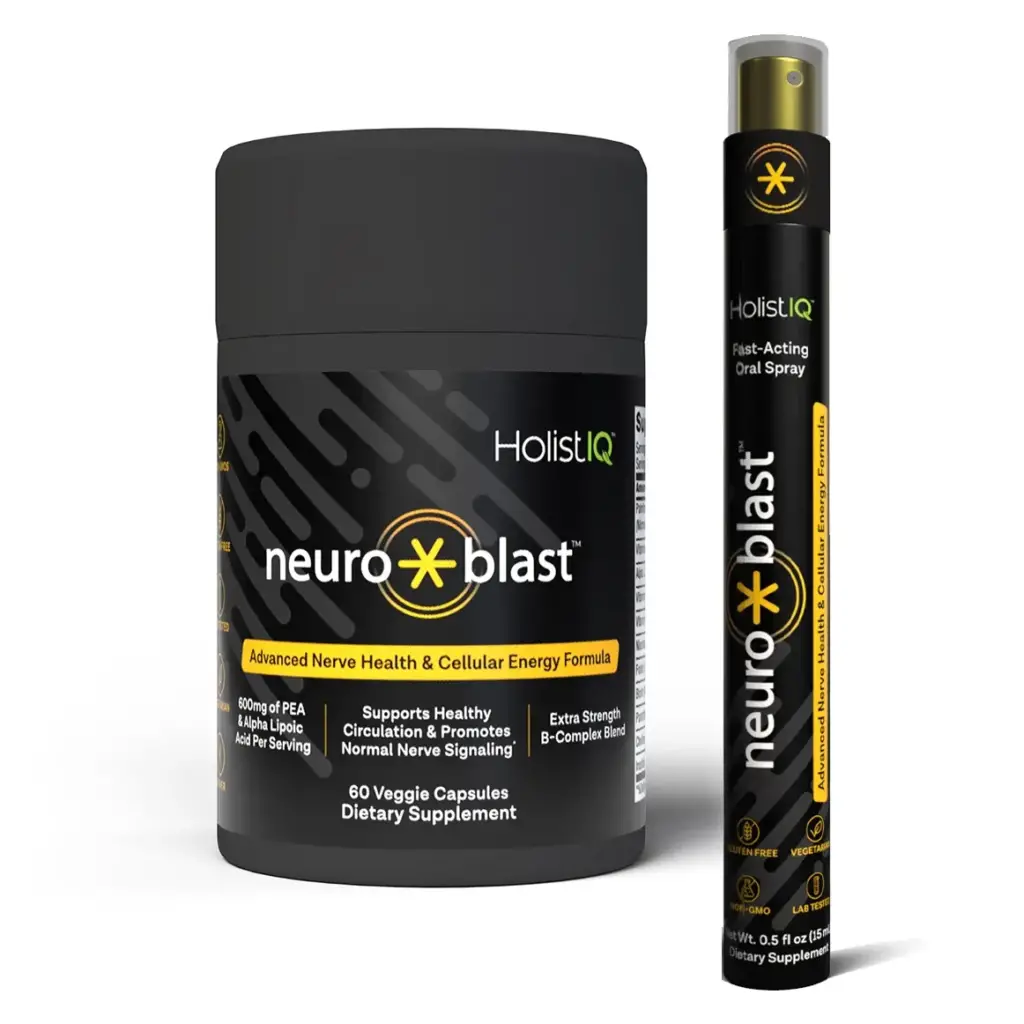
When you get the green light from your doctor to try a new remedy, it’s important to follow dosage instructions carefully. Start with the recommended amount and resist the urge to take more, thinking it will work faster. Pay close attention to how you feel in the days and weeks after starting. Do you notice any improvements? Are you experiencing any new or unusual symptoms, like digestive upset or headaches? Keeping a simple journal to track your dosage, symptoms, and overall well-being can be incredibly helpful. This gives you concrete information to share with your doctor and helps you make informed decisions about what’s truly working for you. A well-formulated system like Neuro-Blast is designed with specific dosages in mind to support your body effectively.
Create Your Natural Pain Relief Plan
Putting everything you’ve learned into action is the most important step. Creating a personal pain relief plan doesn’t have to be complicated. It’s about choosing a few strategies that feel right for you and applying them consistently. Think of it as building a toolkit for your nerve health, where each new habit, supplement, or practice is another tool you can rely on.
The key is to find a combination of approaches that work in harmony to support your body. A great plan often includes dietary changes, gentle movement, and targeted nutritional support. By layering these methods, you create a powerful, multi-faceted approach to managing nerve discomfort and getting back to the activities you love. Remember, this is your journey, and every small step forward is a victory.
Combine Different Methods for Best Results
You’ll likely find the most relief by combining several natural strategies rather than relying on just one. Your body is a complex system, and a holistic approach that addresses nerve health from multiple angles is often the most effective. For instance, pairing an anti-inflammatory diet with a daily walk and targeted supplements can create a synergistic effect that you might not achieve with just one of those changes alone.
Some natural compounds derived from plants have shown great promise in easing nerve discomfort. When you combine these with lifestyle adjustments, you build a comprehensive support system. A well-rounded routine might include our doctor-led Neuro-Blast System to provide cellular-level support, alongside daily stretching and mindful eating. This way, you’re nourishing your nerves from the inside out while also improving your body’s overall resilience.
Set Realistic Goals for Your Recovery
Making big lifestyle changes can feel overwhelming, so start small. The goal is progress, not perfection. Instead of vowing to overhaul your entire diet overnight, try adding one new anti-inflammatory food to your meals each week. If a full workout seems daunting, begin with a simple goal, like walking for 10 minutes a day or aiming for at least 5,000 steps.
Setting achievable milestones makes it easier to stay motivated and build momentum. Celebrate your successes, whether it’s walking a little farther than last week or remembering to take your supplements every day. These small, consistent efforts add up over time and are the foundation of long-term wellness. Be patient with yourself and focus on creating sustainable habits that fit into your life.
Track Your Progress Safely
Keeping a simple journal can be an incredibly helpful tool. Each day, take a moment to jot down your pain levels, what you ate, how much you moved, and any supplements you took. Over time, you’ll start to see patterns emerge, helping you identify what works best for your body and what might be triggering your discomfort. This personal record empowers you to make informed adjustments to your plan.
As you make changes, always prioritize safety. Pay attention to how your body feels and listen to its signals. Simple things, like wearing soft cotton socks and well-fitting, supportive shoes, can make a big difference in your daily comfort and prevent further irritation. Most importantly, keep your doctor informed about your plan, especially when adding new supplements. They can help you ensure your choices are safe and effective for your specific health needs.
Related Articles
- 5 Key Vitamins for Diabetes Neuropathy Support
- 12 Home Remedies for Neuropathy in Legs and Feet
- Neuropathy Diet Guide: Foods to Eat & Avoid for Nerve Health
Frequently Asked Questions
If I can only do one thing to help my nerve pain, what should it be? The single most impactful step you can take is to get your blood sugar under control. Consistently high blood sugar is the primary cause of nerve damage in people with diabetes. While supplements and other remedies can offer wonderful support, managing your glucose levels is the foundational work that helps prevent the damage from getting worse and gives your body a chance to heal.
Can I just use supplements and creams instead of changing my diet or exercising? Think of your wellness plan as a team effort. Diet and exercise are your star players, creating the healthy environment your nerves need to thrive. Supplements and creams are fantastic supporting players that can help manage symptoms and provide extra nutrients. They work best when they are part of a comprehensive approach, not as a substitute for the daily habits that address the root cause of the discomfort.
How quickly can I expect to feel better after trying these natural remedies? There isn’t a set timeline, as everyone’s body responds differently. Relief from natural remedies is often gradual and depends on consistency. The key is to focus on making small, sustainable changes and paying attention to how you feel over weeks and months, not just days. Progress is more important than immediate perfection, so be patient with yourself and your body.
Are these natural options safe to use with my current diabetes medications? This is a great question, and the answer is that you must talk to your doctor before adding anything new to your routine. Some herbs and supplements can interact with prescription medications, potentially affecting your blood sugar levels or how your medicine works. Your doctor can review everything you’re taking to ensure your entire plan is safe and effective for you.
There are so many suggestions here. Where’s the best place to start? It’s easy to feel overwhelmed, so start with one small, manageable change. A great first step could be adding a 10-minute walk to your daily routine or focusing on adding one anti-inflammatory food, like spinach or berries, to your meals each day. Once that feels like a solid habit, you can build on it by adding another strategy. Starting small makes it much easier to create lasting change.