
The decision to take a walk, stand while cooking, or play with your grandkids shouldn’t be dictated by foot pain. Yet for many, nerve damage makes these simple joys a daily challenge. If you’re tired of being held back by tingling, burning, or numbness, you’re likely searching for real solutions. You want to understand how to reverse nerve damage in feet naturally and get back to living your life more fully. This article is designed to be your supportive guide on that journey. We’ll cover the practical, everyday changes you can make to soothe discomfort, protect your nerves from further harm, and foster an environment where healing can begin.
Key Takeaways
- Fuel your body for nerve repair: Focus on providing your nerves with the essential building blocks they need to heal. Incorporate key nutrients like B-complex vitamins and Alpha-Lipoic Acid, and adopt an anti-inflammatory diet to support recovery from the inside out.
- Make supportive lifestyle choices: Your daily habits are powerful tools for managing symptoms. Gentle exercise improves circulation, stress management calms the nervous system, and a diet low in sugar reduces inflammation, all of which contribute to a healing environment.
- Partner with your healthcare provider: A proper medical diagnosis is crucial for understanding the root cause of your nerve discomfort. This allows you to safely combine natural strategies with professional medical care for the most effective results.
What Is Nerve Damage in Your Feet?
If you’ve ever felt a persistent tingling, numbness, or weakness in your feet, you might be dealing with nerve damage. The medical term for this is peripheral neuropathy, a condition where the nerves outside of your brain and spinal cord get damaged. Think of these nerves as the intricate communication lines that send signals between your central nervous system and the rest of your body. When the lines in your feet are faulty, you can experience a range of uncomfortable sensations, from sharp, jabbing pain to a complete loss of feeling.
This condition is quite common, especially as we get older, and it can make simple activities like walking or standing for long periods feel like a major challenge. It’s not just about discomfort; it can affect your balance, your mobility, and your overall quality of life. Understanding what’s happening at a cellular level is the first step toward finding relief and getting back to the life you want to live. The good news is that your body has a remarkable capacity for healing. By providing it with the right support, you can help your nerves repair themselves and make a significant difference in how you feel day to day.
What Causes Peripheral Neuropathy?
Nerve damage in the feet doesn’t happen overnight. It’s often the result of an underlying condition or a combination of factors. Diabetes is one of the most common culprits, as high blood sugar can be toxic to nerves over time. However, peripheral neuropathy has many other possible causes, including physical injuries, infections, and heavy alcohol use.
Your diet and lifestyle also play a crucial role. Deficiencies in certain vitamins are a major contributor, as your nerves need specific nutrients to function properly and repair themselves. Key vitamins for nerve health include B12, B1 (thiamine), and B6. A lack of vitamin E or the mineral copper can also interfere with nerve function. Addressing these nutritional gaps is a foundational step in supporting your body’s healing process.
Know the Warning Signs and Symptoms
Because peripheral neuropathy affects everyone differently, the symptoms can vary quite a bit. You might notice them come on gradually, starting as a mild annoyance before becoming more persistent. It’s important to listen to your body and recognize these signals early on.
Some of the most common warning signs and symptoms include:
- A tingling or “pins-and-needles” feeling
- Numbness or a reduced ability to feel pain or temperature changes
- Sharp, jabbing, or burning pain
- Extreme sensitivity to touch
- Muscle weakness in the feet and legs
- Loss of balance and coordination, which can lead to clumsiness or falls
You might experience just one of these symptoms or a combination of several. Paying attention to these changes can help you take proactive steps toward managing your nerve health.
Can You Reverse Nerve Damage Naturally?
It’s the big question on your mind: can this damage actually be reversed using natural methods? While a complete reversal isn’t always possible for everyone, you can absolutely take steps to improve your symptoms and, in cases of mild damage, potentially support your body’s healing process. The key is to focus on creating the right environment for your nerves to repair themselves.
Natural approaches work best when you understand the root cause of your neuropathy. That’s why it’s so important to talk with your healthcare provider before starting a new routine. They can help you figure out what’s causing the discomfort and make sure any new supplements or therapies are a safe and smart choice for your specific situation. By combining medical guidance with natural support, you can create a well-rounded plan to manage your symptoms and get back to feeling more like yourself.
How Nerve Regeneration Works
Your body has an amazing capacity to heal, and your nerves are no exception. Nerve regeneration is the process of repairing and regrowing damaged nerve tissue. To do this effectively, your body needs specific nutritional building blocks. B vitamins, especially B1, B6, and B12, are essential for this repair process. They help produce energy for nerve cells and ensure signals are transmitted correctly, which can ease common symptoms like tingling and numbness.
Another powerful nutrient is Alpha-Lipoic Acid (ALA), an antioxidant that protects nerves from further damage. Research shows that ALA can help reduce the burning, stabbing pain that often comes with neuropathy. Providing your body with these key nutrients gives it the tools it needs to support deep, cellular-level nerve function and promote recovery from the inside out.
Set Realistic Expectations for Your Recovery
Your recovery journey is unique, and it’s important to approach it with patience and realistic expectations. Sometimes, the primary goal is to prevent the neuropathy from getting worse, which is a huge victory in itself. For example, if your nerve damage is related to diabetes, keeping your blood sugar levels stable is one of the most effective things you can do.
While many natural treatments can significantly reduce pain and improve your quality of life, they work best as part of a consistent, long-term strategy. Always keep your doctor in the loop before trying a new supplement or therapy. If your symptoms change or you notice any unusual reactions, don’t hesitate to seek medical advice. Progress takes time, so celebrate the small wins along the way.
Key Vitamins and Supplements for Nerve Health
Fueling your body with the right nutrients is a foundational step in supporting your body’s natural healing processes. While a balanced diet is your first line of defense, certain vitamins and supplements can provide the targeted support your nerves need to repair and function properly. Think of them as specialized tools that help your body’s construction crew get the job done more efficiently. By incorporating these key nutrients, you can create an internal environment that encourages nerve regeneration and helps soothe discomfort from the inside out.
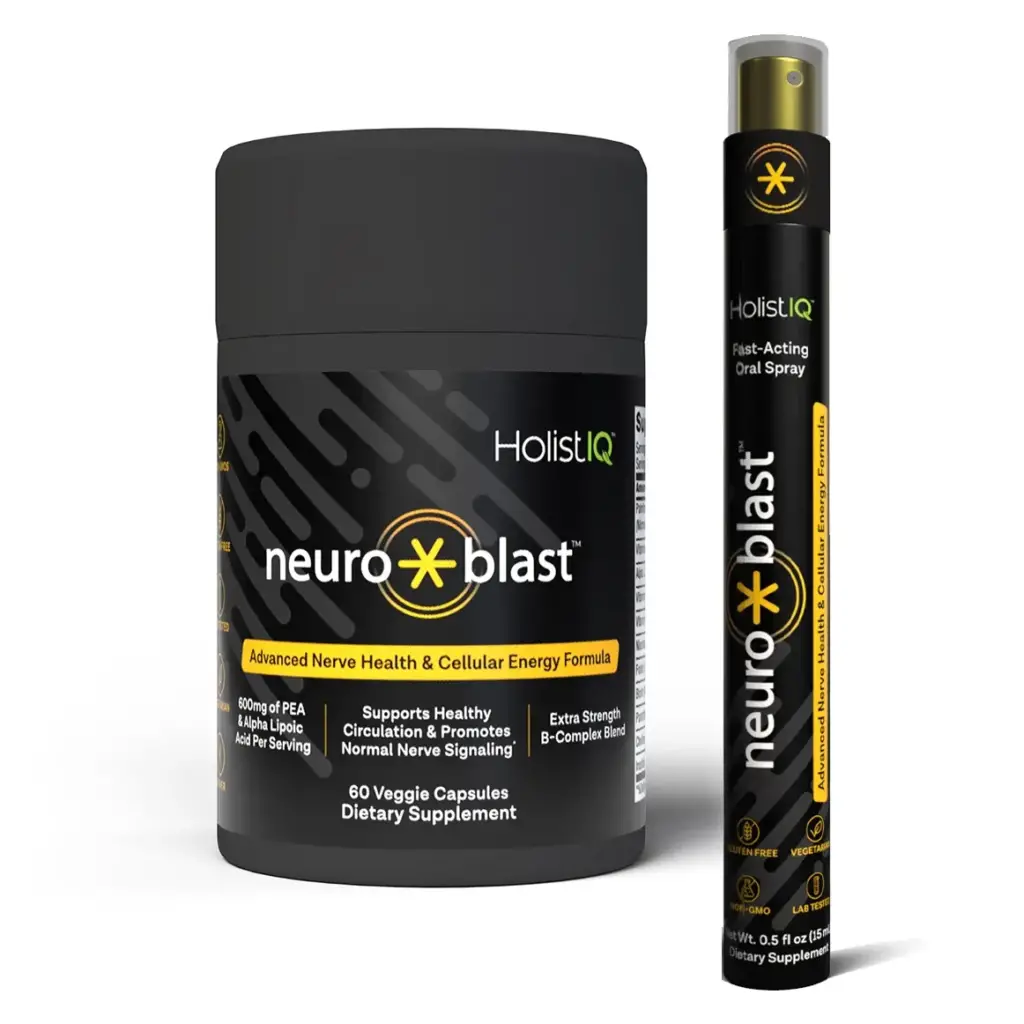
The Neuro-Blast System is designed around this very principle, delivering essential compounds that support your nervous system on a cellular level. Let’s look at some of the most important players when it comes to nerve health.
B-Complex Vitamins: Your Nerve’s Best Friend
When it comes to nerve health, B vitamins are true superstars. This group of vitamins, particularly B1 (thiamine), B6, and B12, is critical for maintaining the health of your entire nervous system. They play a direct role in repairing nerve tissue and protecting the myelin sheath, which is the protective coating around your nerves. A deficiency in these vitamins can contribute to neuropathy symptoms. Ensuring you get enough of these nutrients through diet or supplementation is a simple yet powerful way to give your nerves the building blocks they need to function correctly and begin the repair process.
The Power of Alpha-Lipoic Acid and Acetyl-L-Carnitine
Alpha-Lipoic Acid (ALA) and Acetyl-L-Carnitine (ALCAR) are two compounds that work wonders for nerve cells. ALA is a potent antioxidant that helps protect nerves from oxidative stress, a major contributor to nerve damage. It can also help improve blood flow to the nerves. ALCAR, on the other hand, helps produce energy within nerve cells and has been shown to support nerve fiber regeneration. The combination of these two provides a powerful approach to both protecting and repairing your nerves, which is why they are key components in how Neuro-Blast works to provide deep, cellular-level support.
Don’t Forget Vitamin E, Magnesium, and Omega-3s
Beyond the B vitamins and specialized supplements, a few other nutrients are essential for your nerve repair toolkit. Vitamin E is another powerful antioxidant that helps defend nerve cells from damage. Magnesium is crucial for calming the nervous system and can help ease muscle cramps and tingling sensations associated with neuropathy. Finally, Omega-3 fatty acids, commonly found in fish oil, are vital for building healthy nerve cell membranes and reducing inflammation. Including these vitamins and supplements for nerve health in your routine can round out your nutritional strategy for managing nerve discomfort.
Natural Therapies to Soothe Your Feet
Beyond the vitamins and supplements that work from the inside out, several hands-on therapies can provide comfort and support your body’s healing process. Think of these as your daily toolkit for managing discomfort and encouraging better circulation in your feet. These practices work by reducing localized inflammation, stimulating blood flow, and calming overactive nerve signals that cause pain. Finding what feels best for you might take a little experimentation, but incorporating these gentle therapies can make a significant difference in your day-to-day comfort.
While these methods offer external relief, it’s important to continue supporting your nerves on a cellular level. A comprehensive approach like the Neuro-Blast System is designed to provide that foundational support, helping your body address the root causes of discomfort. By pairing deep internal support with these soothing external therapies, you create a powerful strategy for getting back on your feet and feeling more like yourself again. Let’s look at a few simple, natural options you can try at home.
Explore Herbal Treatments Like Turmeric and Ginger
You might know turmeric as the golden spice in curry, but it’s also a potent anti-inflammatory. Its active compound, curcumin, is a powerful antioxidant that helps fight inflammation and reduce the oxidative stress that can harm nerves. By calming this inflammation, curcumin helps create a healthier environment for your nerves to function and potentially repair themselves. You can easily add turmeric to soups, smoothies, or teas. Ginger is another excellent root with similar anti-inflammatory properties that can help soothe nerve discomfort.
How Acupuncture and Massage Can Help
Acupuncture is a traditional practice that involves placing thin needles at specific points on the body. The goal is to stimulate your nervous system and encourage the release of natural, pain-relieving chemicals. Many people find it provides significant relief from neuropathic pain. If needles aren’t for you, a gentle foot massage can also be incredibly beneficial. Massaging your feet helps stimulate nerves and improve blood flow to the area. You can even do it yourself by gently rubbing your feet or rolling them over a tennis ball for a few minutes each day.
Soothe Discomfort with Essential Oils and Topicals
Certain essential oils and topical creams can offer a comforting sensation and temporary relief from foot pain. Essential oils like lavender, eucalyptus, and peppermint may help by improving circulation and reducing pain sensations when applied to the skin. It’s very important to dilute them with a carrier oil, such as coconut or jojoba oil, before application to avoid irritation. Another option is an over-the-counter cream containing capsaicin, the compound that makes chili peppers hot. It can help reduce pain by desensitizing nerve receptors over time.
Relax with Warm Foot Soaks and Epsom Salts
A warm foot soak is a simple ritual that can provide immediate relief. The warmth helps expand your blood vessels, which increases blood flow to your feet and can ease the pain and numbness associated with nerve damage. Just be careful with the temperature; since neuropathy can affect your ability to feel heat, always test the water with your elbow first. For an added benefit, try adding a cup of Epsom salts to your soak. The magnesium sulfate can help relax muscles and further reduce discomfort.
Lifestyle Changes That Support Nerve Healing
While supplements and therapies play a vital role in nerve health, your daily habits are just as powerful. Making thoughtful lifestyle adjustments can create an environment where your nerves can truly begin to heal. Think of these changes as the foundation you build to support your recovery. They work alongside a dedicated nerve support system to help you manage symptoms and improve your quality of life. When you combine a proactive approach to your well-being with a system designed for deep, cellular-level support, you give your body its best chance to repair itself.
These adjustments aren’t about a complete overhaul overnight. Instead, focus on incorporating small, sustainable changes that add up over time. From the food you eat to the shoes you wear, every choice can contribute to reducing inflammation, improving circulation, and easing the stress on your nervous system. Taking control of these factors empowers you to actively participate in your own healing process. It’s about creating a holistic strategy where every piece, from your diet to your daily walk, works together to support your body’s natural ability to regenerate. Let’s walk through some of the most effective lifestyle changes you can start making today.
Manage Your Blood Sugar with an Anti-Inflammatory Diet
What you eat has a direct impact on inflammation and nerve pain. High blood sugar levels can damage nerves over time, so keeping them stable is crucial, especially if you have diabetes. An anti-inflammatory diet focuses on whole, nutrient-dense foods that fight inflammation and protect your nerves from further damage. Try to fill your plate with leafy greens like spinach and kale, fatty fish rich in omega-3s like salmon, and healthy fats from avocados and nuts. Berries, broccoli, and green tea are also packed with antioxidants that support cellular health. A balanced diet can also help you maintain a healthy weight, which further reduces pressure on your nerves and eases symptoms.
Gentle Exercises to Improve Circulation
When your feet are tingling or in pain, exercise might be the last thing on your mind. However, gentle movement is one of the best things you can do to support nerve healing. Regular, low-impact activity improves blood flow, delivering essential oxygen and nutrients to the nerves in your feet. It also helps strengthen your muscles for better balance and can help control blood sugar levels. You don’t need an intense workout to see benefits. Try incorporating 20 to 30 minutes of regular exercise like walking, swimming, or gentle yoga into your daily routine. The key is consistency, so find an activity you enjoy and can stick with.
Reduce Stress and Improve Your Sleep
Stress takes a toll on your entire body, and it can make neuropathy symptoms feel much worse. When you’re stressed, your body releases hormones that can increase inflammation and pain sensitivity. Finding ways to calm your nervous system is essential. Simple practices like deep breathing exercises, meditation, or even listening to calming music can make a big difference. Quality sleep is just as important, as this is when your body does most of its repair work. Aim for a consistent sleep schedule and create a relaxing bedtime routine to help you unwind. These relaxation techniques can help lower stress and reduce your perception of pain.
Choose the Right Footwear and Manage Your Weight
Protecting your feet is a simple yet critical step in managing neuropathy. Since nerve damage can reduce sensation, you might not notice small cuts or blisters, which can lead to serious infections. Always wear comfortable, well-fitting shoes that provide good support and don’t rub or pinch. Check your feet daily for any signs of injury. Additionally, maintaining a healthy weight can significantly reduce the pressure on the nerves in your feet and legs. Even a modest amount of weight loss can lead to a noticeable improvement in symptoms. These practical steps are part of a holistic approach that supports your body’s ability to heal, which is central to how Neuro-Blast works.
What to Avoid to Prevent Further Damage
When you’re focused on healing, it’s easy to concentrate only on what you should add to your routine, like new supplements or exercises. But what you remove from your life can be just as powerful. Protecting your nerves from further harm is a critical step in supporting your body’s natural healing processes. Think of it as clearing away the obstacles so your nerves have a clear path to repair themselves more effectively. This isn’t about restriction for the sake of it; it’s about making intentional choices that reduce inflammation, improve circulation, and lower the overall stress on your nervous system.
Many common habits and dietary choices, while seemingly harmless, can quietly contribute to nerve irritation and block your progress. By identifying and minimizing these factors, you actively create a better internal environment for nerve recovery and can prevent your symptoms from worsening. This approach puts you in the driver’s seat of your health journey. It’s not about achieving perfection overnight or feeling deprived. Instead, it’s about understanding the connection between your lifestyle and your symptoms, empowering you to make small, consistent choices that add up over time. These adjustments support your long-term well-being and can make a significant difference in helping you get back on your feet with more comfort and confidence.
Habits That Can Worsen Neuropathy
Managing neuropathy means looking at your daily routines with fresh eyes. Some habits, even ones that seem unrelated, can unfortunately make symptoms worse. Smoking, for instance, narrows your blood vessels, which reduces the oxygen-rich blood reaching your feet. This poor blood flow can intensify numbness and pain. Similarly, minimizing your exposure to environmental toxins at home and work can protect your nerve health. Even stress plays a role; it can put your body on high alert and aggravate nerve pain. Simple practices like deep breathing can help calm your nervous system and provide relief.
Foods and Substances to Limit
The food you eat directly impacts your body’s ability to heal. Poor dietary choices can make the tingling, burning, and numbness of peripheral neuropathy more intense. It’s especially important to cut down on sugar and processed foods, as they can contribute to inflammation and nerve irritation. This is particularly crucial if you are managing diabetes. Another substance to be mindful of is alcohol. Excessive alcohol consumption is toxic to nerves and can directly worsen peripheral neuropathy. You don’t have to overhaul your entire diet overnight, but reducing these items can make a noticeable difference in how your feet feel.
How Long Does Natural Recovery Take?
It’s completely normal to wonder how long it will take to feel better. The honest answer is: it varies for everyone. Nerves heal slowly, and the recovery timeline depends on several factors, including the extent of the nerve damage, your overall health, and how consistently you stick with your new habits. Think of it less like a sprint and more like a marathon. You are creating an environment within your body that supports its natural ability to repair itself, which is a gradual but powerful process.
This journey isn’t about a single magic bullet. Instead, it’s about the combined power of a nutrient-rich diet, gentle movement, and supportive therapies working together over time. While some people might notice subtle changes within a few weeks, for others, it could take several months to see significant improvement. The key is to remain patient and persistent. Your body is working hard to heal, and our AI-enhanced system is designed to support that deep, cellular-level repair process every step of the way. Remember that every positive choice you make contributes to your overall progress, building a stronger foundation for nerve health day by day.
What to Expect: A Recovery Timeline
Patience and consistency are your best friends on this journey. Natural remedies and lifestyle changes work best when you practice them together, day in and day out. Your body needs time to respond to the positive changes you’re making. For example, a diet filled with anti-inflammatory foods and antioxidants helps your body repair itself over time, but the effects aren’t immediate.
Similarly, incorporating gentle, regular exercise like walking or swimming can gradually reduce pain and strengthen muscles. These actions build on each other, creating a foundation for long-term nerve health. Instead of looking for a quick fix, focus on building a sustainable routine that you can maintain. This steady approach gives your nerves the best possible chance to regenerate and heal.
How to Spot Signs of Improvement
Since progress can be gradual, it’s helpful to know what signs of improvement to look for. Initially, you might be focused on symptoms like tingling, numbness, or muscle weakness. The first signs of healing are often subtle. You might notice that the tingling isn’t as constant, or you can feel the floor beneath your feet a little more clearly. Perhaps your balance feels a bit steadier, or you experience fewer random muscle twitches.
By actively monitoring your symptoms and practicing self-care strategies, you can become more attuned to these small but meaningful changes. Consider keeping a simple journal to track how you feel each day. Noting these small victories can be incredibly motivating and helps you see that your efforts are making a real difference in your quality of life.
When to See a Doctor
While exploring natural ways to manage nerve discomfort is empowering, it’s just as important to know when to bring in a professional. Think of your doctor as a key partner on your health team. They can provide a clear diagnosis and help you understand the root cause of your symptoms. This is why a doctor-led system can be so effective, as it ensures your approach is both safe and targeted. Working together gives you the best shot at feeling better and getting back to the activities you love.
Red Flags That Require Immediate Attention
Natural remedies can be incredibly helpful, but certain signs indicate it’s time to call your doctor right away. If your discomfort doesn’t improve with your efforts, or if the symptoms suddenly change or get worse, it’s a clear signal to seek medical advice. Pay close attention if the pain starts preventing you from doing daily activities like walking, cooking, or sleeping. For anyone with diabetes, closely managing blood sugar levels is critical, as uncontrolled glucose can significantly worsen nerve damage. Don’t wait on these symptoms; getting a professional opinion is the safest next step.
How to Pair Natural Methods with Medical Care
The most effective approach to nerve health is often a holistic one that combines natural support with medical guidance. Before you start any new supplements or treatments, it’s always a good idea to talk with your healthcare provider. They can help identify the underlying cause of your neuropathy and ensure the methods you’re considering are right for your specific situation. This partnership allows you to build a comprehensive plan that addresses your body as a whole system, not just the symptoms. By working with your doctor, you can confidently integrate natural strategies alongside proven medical care for well-rounded support.
Related Articles
- 12 Home Remedies for Neuropathy in Legs and Feet
- How I Cured Neuropathy in Feet: My 9-Step Plan
- 7 Ways to Get Fast Relief for Burning Feet
- 5 Soothing Home Remedies for Neuropathy of the Feet
- Natural Nerve Repair: A Step-by-Step Guide
Frequently Asked Questions
With so many suggestions, where is the best place to start? It’s easy to feel overwhelmed, so I always suggest starting with two small, manageable changes. First, pick one dietary adjustment, like reducing sugary drinks or adding more leafy greens to your meals. Second, choose one gentle activity, such as a 15-minute walk each day. Starting small helps you build momentum and makes these new habits feel achievable. Once those feel like a natural part of your routine, you can gradually incorporate other strategies.
Is a healthy diet enough, or do I really need to take supplements? A nutrient-rich diet is the foundation of good nerve health, and it’s not something you can replace. However, when your body is actively trying to repair nerve tissue, it often requires a higher, more targeted concentration of specific nutrients than you can easily get from food alone. Supplements can provide these therapeutic amounts of key players like B vitamins and Alpha-Lipoic Acid, giving your body the dedicated tools it needs for the repair process.
How soon can I expect to feel a difference with these natural methods? Nerve healing is a gradual process, so patience is key. While some people notice subtle shifts, like less intense tingling, within a few weeks of consistent effort, more significant improvements often take several months. Your recovery timeline depends on your unique situation, including the cause of your nerve discomfort and how consistently you apply these changes. The goal is steady progress, not an overnight fix.
Are there any risks with trying natural therapies like foot soaks or massage? For the most part, these therapies are very safe, but it’s smart to take a few precautions. Because neuropathy can affect your ability to sense temperature, always test the water for a foot soak with your elbow, not your foot, to prevent burns. When trying massage or essential oils, start gently to see how your skin and nerves respond. The most important rule is to listen to your body; if something causes pain or discomfort, it’s best to stop.
How does a system like Neuro-Blast fit in with these lifestyle changes? Think of it as a partnership. The lifestyle changes you make, like improving your diet and exercising, create the ideal environment for healing. They reduce inflammation and improve circulation, clearing the way for your body to do its work. A comprehensive system like Neuro-Blast provides the powerful, targeted nutrients that fuel the actual repair process on a deep, cellular level. When you combine both, you’re creating a powerful strategy that supports your body from the inside out.