
Dealing with nerve discomfort often means trying different things to see what sticks. You might have already reached for a standard pain reliever, only to find it didn’t make much of a difference. That’s because nerve pain is different from muscle aches, and it requires a different approach. This guide is focused on helping you find an effective over the counter neuropathy treatment that is actually designed for your symptoms. We’ll explore how certain ingredients work to calm irritated nerves and how others provide foundational support for your nervous system, helping you move beyond temporary fixes toward a more sustainable sense of well-being.
Key Takeaways
- Focus on the right kind of relief: Understand that nerve discomfort responds differently than muscle aches, so common pain relievers may not be effective. Look for topical solutions for localized pain and supplements that support nerve health from within.
- Build a supportive daily routine: Your daily habits are a powerful part of your care plan. Incorporating gentle exercise, a nerve-friendly diet, and stress management techniques can significantly improve how you feel.
- Create a smart and safe plan: Always consult your doctor before adding a new supplement to your regimen to avoid interactions with other medications. Remember that finding lasting relief is a process, so be patient as you discover what works best for you.
What Is Neuropathy?
Let’s start with the basics. Neuropathy, often called peripheral neuropathy, is a condition that results from damage to your peripheral nerves. These are the nerves outside of your brain and spinal cord that send messages to the rest of your body. When these communication lines are disrupted, it can lead to a range of uncomfortable sensations like pain, weakness, and numbness, most commonly in the hands and feet.
Think of it as faulty wiring in your body’s electrical system. The signals get crossed, delayed, or lost altogether, which is why the symptoms can feel so unpredictable and frustrating. Understanding what’s happening at a nerve level is the first step toward finding a solution that helps you feel more in control and get back to your daily routine.
How Neuropathy Can Affect Daily Life
Living with neuropathy is about more than just physical discomfort; it can change the way you experience your day. Simple tasks that you once took for granted, like buttoning a shirt, holding a coffee cup, or even just walking across a room, can become challenging. This constant struggle can understandably lead to feelings of frustration and can impact your overall quality of life. The pain and physical limitations can be draining, making it difficult to stay active and engaged with the people and hobbies you love. Hearing from others who have found ways to manage these challenges can be incredibly encouraging, as seen in these customer stories.
Key Symptoms to Look For
The symptoms of neuropathy can vary from person to person, but there are several common signs to watch for. You might experience a tingling “pins and needles” feeling, a burning sensation, or sharp, jabbing pains in your hands or feet. For some, these symptoms get worse at night, disrupting sleep. Another key symptom is numbness, which can make you feel like you’re wearing gloves or socks when you aren’t. This loss of sensation can also affect your coordination and balance, increasing the risk of falls. Recognizing these signs is crucial, as it helps you understand what your body is telling you and explore how to best support your nerve health on a cellular level.
What OTC Options Can Help With Neuropathy Pain?
When you’re dealing with nerve discomfort, finding relief is a top priority. The aisles of your local pharmacy offer several over-the-counter (OTC) options that can provide some support. While they may not address the root cause, they can be a helpful part of your overall care plan. Let’s walk through some of the most common choices you’ll find.
Topical Relief: Creams and Gels
Applying relief directly to the source of your discomfort can be a great first step. Some of the most effective topical creams for nerve pain contain ingredients like capsaicin or lidocaine. Capsaicin, which comes from chili peppers, works by creating a warming sensation that can interfere with pain signals sent to your brain. Lidocaine acts as a local anesthetic, temporarily numbing the area to dull the pain. These are best for localized pain, like in your hands or feet, and can offer a temporary break from the tingling, burning, or sharp sensations.
Oral Pain Relievers: What to Know
You’re probably familiar with common pain relievers like ibuprofen (Advil), naproxen (Aleve), and acetaminophen (Tylenol). While these can be effective for muscle aches or headaches by reducing inflammation, they often fall short when it comes to nerve pain. That’s because neuropathy pain originates from nerve damage, not inflammation. So, while these medications might slightly reduce pain and stiffness, they typically aren’t strong enough to make a significant difference for chronic or severe nerve discomfort. It’s important to set realistic expectations for what these general pain relievers can do for your specific symptoms.
Vitamins and Supplements for Nerve Support
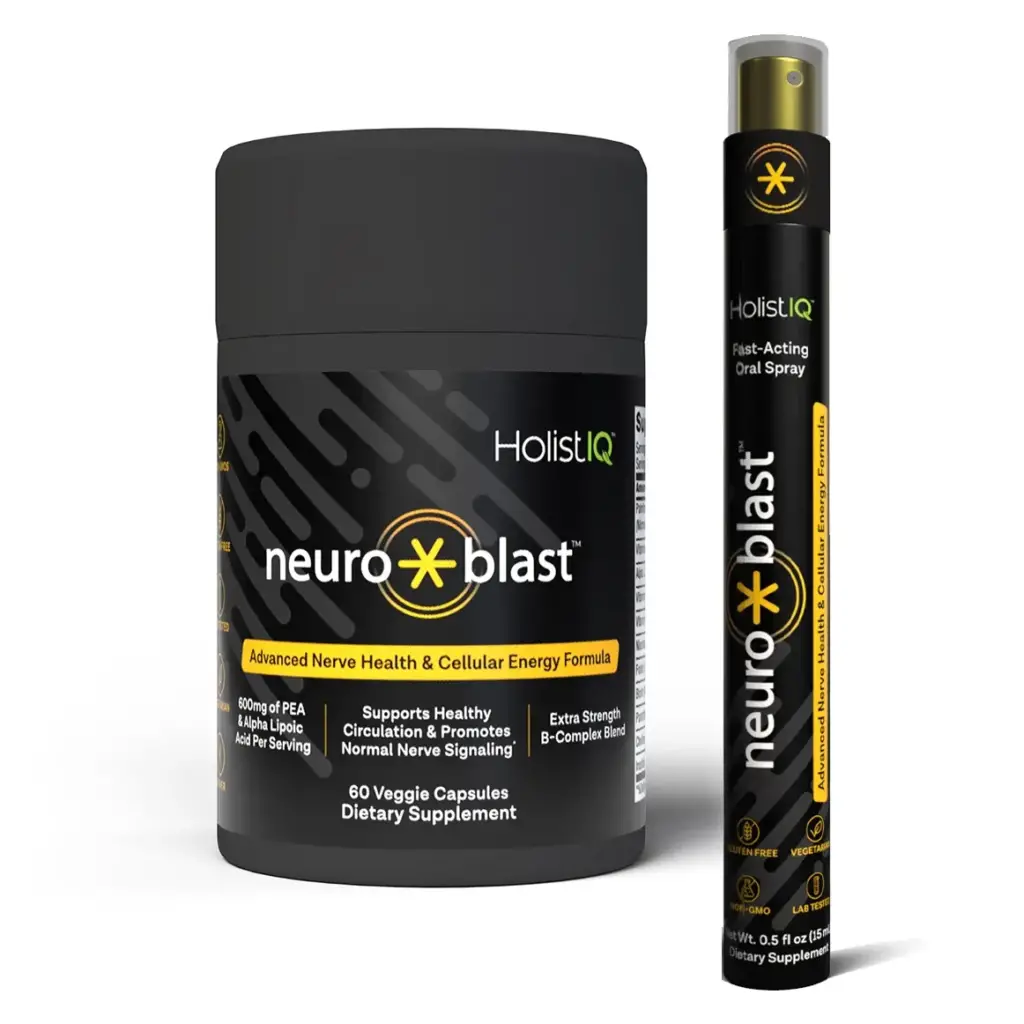
Supporting your nerve health from the inside out is another promising approach. Certain vitamins and supplements have shown potential in helping with nerve pain, particularly for those with deficiencies or diabetes-related neuropathy. For example, Alpha-Lipoic Acid is an antioxidant that some studies suggest can help reduce nerve pain symptoms. Others, like acetyl-L-carnitine and B vitamins, play a role in nerve function and repair. This approach focuses on providing your body with the building blocks it needs for cellular-level support, which is central to how the Neuro-Blast system works. It’s about nourishing your nerves to help them function at their best.
How Do OTC Neuropathy Treatments Work?
Understanding how different treatments work can help you find the right approach for your nerve discomfort. Over-the-counter options don’t all function the same way. Some provide immediate relief by targeting pain signals, while others work more deeply to address issues like inflammation. A third category focuses on providing your nerves with the nutrients they need to support their own health. Let’s look at these three primary ways OTC treatments can help you manage symptoms.
Blocking Pain Signals at the Source
Think of this approach as a roadblock for pain. Topical treatments with ingredients like lidocaine act as a local anesthetic, numbing the specific area where you feel discomfort. When applied, these creams work on the nerves in your skin to temporarily block them from sending pain signals to your brain. While this method doesn’t fix the underlying nerve damage, it can offer fast, targeted relief for localized pain, like burning or tingling in your feet or hands. It’s a way to quiet the discomfort so you can get through your day more easily.
Reducing Inflammation and Oxidative Stress
Inflammation is often a key contributor to nerve pain. Some OTC treatments work by calming this response. For example, capsaicin, a compound from chili peppers, can help make nerves less sensitive to pain over time. Other ingredients focus on fighting oxidative stress, a process where unstable molecules damage nerve cells. By providing antioxidant support, certain supplements help protect your nerves from this ongoing damage. This approach aims to create a healthier environment for your nerves, reducing irritation and discomfort from the inside out.
Supporting Cellular-Level Nerve Repair
Beyond managing symptoms, some treatments aim to support your body’s ability to maintain nerve health. This approach provides the essential building blocks your nerves need to function properly. Ingredients like alpha-lipoic acid and certain B vitamins are known to play a role in nerve cell metabolism and protection. By nourishing your nerves at a fundamental level, these supplements can help with nerve resilience. This strategy is less about immediate pain blocking and more about long-term cellular-level nerve support, creating a foundation for lasting nerve wellness.
Are OTC Neuropathy Treatments Safe?
When you’re dealing with nerve discomfort, reaching for an over-the-counter (OTC) solution is a logical first step. These treatments are accessible, but it’s smart to understand their safety profile. Most are safe when used correctly, but it’s important to be aware of potential side effects and interactions with other medications. Making an informed choice is key to finding relief without creating new problems.
Potential Skin Irritation from Topicals
Topical creams and gels are popular because they target pain right at the source. Many use ingredients like capsaicin to block pain signals. While effective, these can sometimes cause a reaction. The NHS notes that a common side effect is skin irritation, which might feel like a burning or itching sensation. This is often mild and tends to lessen with regular use. To be safe, you can test the product on a small patch of skin first. If you experience a severe reaction, it’s best to stop using it and chat with your doctor.
Understanding Potential Drug Interactions
It’s easy to think of OTC products, especially supplements, as separate from prescription medications, but they can interact. Certain herbal supplements can affect how your body processes other drugs, potentially making them less effective or increasing side effects. This is why it’s so important to talk to your doctor before adding any new supplement to your routine. Keep an updated list of everything you take, including vitamins and OTC pain relievers, and share it with your healthcare provider. This transparency helps them give you the safest advice for your situation.
Long-Term Use: What to Consider
OTC treatments are a great tool for managing daily discomfort, but it’s helpful to consider their role in your long-term health plan. For some, these options provide enough relief, but they may become less effective over time. When OTC medications don’t provide enough relief, other types of therapies are available through your doctor. It’s also worth noting that long-term use of some oral pain relievers can affect your stomach or kidneys. A comprehensive approach that supports your body’s cellular-level nerve function can offer a more sustainable path to feeling better and getting back to your life.
Lifestyle Habits to Complement Your Treatment
While a targeted treatment plan is essential for managing nerve discomfort, the daily choices you make can have a huge impact on your overall well-being. Think of these lifestyle habits as powerful allies that work alongside your treatment to support your body from the inside out. By focusing on a few key areas like diet, movement, and stress management, you can create a supportive environment for your nerves and help your body feel its best.
These practices aren’t about making drastic, overwhelming changes. Instead, they’re about incorporating small, consistent habits that add up over time. When you combine these simple adjustments with a comprehensive approach like the Neuro-Blast System, you’re building a robust strategy for managing your symptoms and getting back to the activities you love. Let’s look at a few practical steps you can start taking today.
Adopt a Nerve-Supportive Diet
What you eat plays a direct role in your nerve health. A diet rich in vitamins, minerals, and antioxidants can help protect nerve tissue and reduce inflammation. Focus on filling your plate with whole foods like colorful vegetables, fruits, lean proteins, and whole grains. Foods high in omega-3 fatty acids, such as salmon and walnuts, are also excellent choices. Try to get between five and ten servings of fruits and vegetables each day. It’s also wise to limit alcohol, as it can be toxic to nerve tissue and may worsen your symptoms. Making thoughtful food choices is a simple yet effective way to support your nervous system on a daily basis.
Incorporate Gentle Exercise
When you’re dealing with discomfort, exercise might be the last thing on your mind, but gentle movement can make a world of difference. Regular, low-impact activity helps improve circulation, which delivers vital oxygen and nutrients to your nerves. It can also reduce pain, increase energy, and lift your mood. You don’t need an intense workout to see benefits. Simple activities like daily walks, gentle stretching, tai chi, or swimming can improve your flexibility, balance, and strength. The key is to listen to your body and find a routine that feels good to you. Even small efforts to increase your movement can lead to significant improvements in how you feel.
Prioritize Sleep and Manage Stress
Chronic pain and stress often go hand-in-hand, creating a cycle that can be hard to break. High stress levels can make pain feel more intense, and a lack of quality sleep can prevent your body from repairing itself effectively. Prioritizing rest and finding healthy ways to manage stress are crucial for your well-being. Try creating a relaxing bedtime routine to signal to your body that it’s time to wind down. Techniques like deep breathing, meditation, or gentle yoga can also help calm your nervous system. Understanding how your body works to manage discomfort is the first step toward giving it the support it needs through both rest and relaxation.
How to Choose the Right OTC Neuropathy Treatment
Finding the right over-the-counter solution for neuropathy is a personal process. What works wonders for one person might not do much for another. The key is to understand your specific symptoms and how different treatments work, so you can build a plan that makes sense for your body and your life. It’s about making informed choices that lead you toward feeling better and getting back to the activities you love.
Match the Solution to Your Symptoms
The first step is to listen to your body. Are you feeling sharp, shooting pains, or more of a constant burning or tingling? This matters because different products target different sensations. While you might instinctively reach for a common pain reliever like ibuprofen or acetaminophen, research shows they often aren’t very effective for nerve pain. Instead, many people find relief with topical treatments like creams or gels containing capsaicin or lidocaine. These are applied directly to the skin and can help quiet the local nerve signals causing discomfort. For a more foundational approach, consider supplements designed to support the nervous system from the inside out.
Create a Comprehensive Care Plan
Relief rarely comes from a single source. The most effective approach is often a comprehensive one that combines several strategies. Think of it as building a toolkit for your nerve health. This might include a topical cream for immediate, localized relief, alongside a daily supplement system that works on a cellular level to support nerve function over time. Understanding how it works on a deeper level can help you choose products that address the root cause of discomfort, not just the symptoms. Always talk with your doctor before starting a new regimen, especially if you take other medications.
Set Realistic Expectations for Relief
Nerve discomfort can be persistent, and finding what works for you may take some time and patience. Relief might not be instantaneous, so it’s important to give any new treatment a fair chance to work. Some people find that combining OTC products with lifestyle changes, like gentle exercise or dietary adjustments, makes a significant difference in managing their symptoms. Hearing from others on a similar path can also be incredibly encouraging. Reading testimonials from people who have found a system that helps them can provide hope and show that consistent effort can lead to real improvement. Remember, the goal is progress, not immediate perfection.
Related Articles
- Neuropathy Diet Guide: Foods to Eat & Avoid for Nerve Health
- 5 Soothing Home Remedies for Neuropathy of the Feet
Frequently Asked Questions
Why don’t standard pain relievers like ibuprofen seem to help my nerve pain? That’s a common and frustrating experience. The simple reason is that most standard pain relievers are designed to fight inflammation, which is great for a muscle ache or a headache. Nerve discomfort, however, usually comes from damage or disruption to the nerves themselves, not from inflammation. So, while an anti-inflammatory might offer a tiny bit of relief, it isn’t addressing the root of the problem, which is why it often feels like it’s not working at all.
What’s the difference between a topical cream and a supplement for nerve discomfort? Think of it as the difference between short-term and long-term support. A topical cream with an ingredient like lidocaine works on the surface to temporarily block pain signals in a specific area, giving you fast, localized relief. A supplement, on the other hand, works from the inside out. It provides your body with specific nutrients, like B vitamins or alpha-lipoic acid, to support your nerves on a cellular level. One is for managing immediate symptoms, while the other is for building a foundation for long-term nerve health.
How long should I try an OTC treatment before I know if it’s working? This really depends on the type of treatment. With a topical cream, you should feel some numbing or soothing effects fairly quickly, often within an hour. For supplements that support nerve health from within, you need to be more patient. Because they work by nourishing your body at a cellular level, it can take several weeks of consistent daily use to notice a real difference. The key is consistency.
Can I rely on diet and exercise alone to manage my neuropathy? Adopting a nerve-supportive diet and incorporating gentle movement are incredibly powerful habits that can make a huge difference in how you feel. They help reduce inflammation, improve circulation, and provide your body with essential nutrients. However, for many people, lifestyle changes alone aren’t enough to fully manage the discomfort. They work best when they are part of a comprehensive plan that also includes a targeted treatment designed to support your nerve health.
Is it safe to combine different OTC neuropathy products? Creating a plan that includes a few different approaches, like a topical cream for flare-ups and a daily supplement for maintenance, can be very effective. However, it’s essential to talk with your doctor or pharmacist before you start mixing products, even over-the-counter ones. They can help you make sure the ingredients won’t interact negatively with each other or with any other medications you might be taking.