
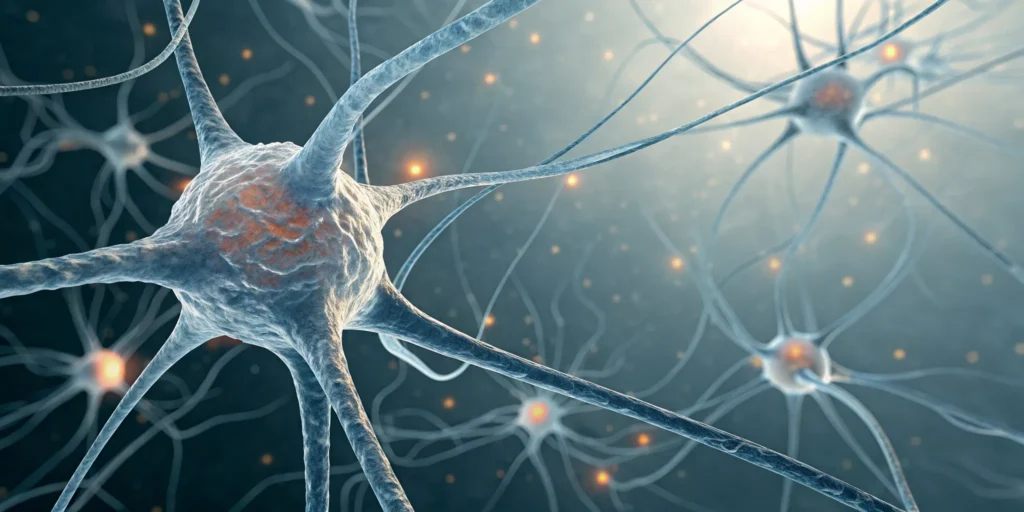
For many years, it was a common belief that we were born with all the nerve cells we would ever have. We now know that isn’t the full story. Our bodies have an incredible capacity for renewal, and at the heart of this process is a cell called the neuroblast. This powerful precursor cell is capable of developing into a new, mature neuron, offering a pathway for repair and maintenance within our nervous system. This process, called neurogenesis, is a hopeful field of study. Understanding what a neuroblast is and how it functions is the first step toward supporting your body’s amazing, built-in system for nerve health.
Key Takeaways
- Your nervous system starts with neuroblasts: These are the fundamental “parent” cells that develop into mature neurons, building the intricate network that controls everything from your thoughts to your movements.
- Your body has a built-in nerve repair system: Contrary to old beliefs, your brain can create new nerve cells throughout your life. This process, called neurogenesis, relies on neuroblasts and shows that your nervous system is designed for ongoing maintenance and recovery.
- Support your nerves with daily habits: You can directly influence your nerve health through consistent lifestyle choices. A nutrient-rich diet, regular movement, and stress management create the ideal environment for your body’s natural cellular repair processes to function effectively.
What Exactly Is a Neuroblast?
You’ve probably heard us talk about cellular-level nerve support, and the name of our system, Neuro-Blast, hints at the very foundation of that support. But what exactly is a neuroblast? Think of it as the starting point for your entire nervous system. Understanding these tiny powerhouses is the first step in appreciating how your body builds and maintains its complex network of nerves. Let’s break down what they are and what makes them so special.
The Building Blocks of Your Nervous System
Imagine your nervous system is a massive, intricate city. Before any buildings (your mature nerve cells) can be constructed, you need foundational materials. Neuroblasts are those essential materials. They are immature “parent” cells that act as the precursors to your neurons and glial cells, the two main cell types in your nervous system. These remarkable cells are absolutely vital during development, laying the entire groundwork for your brain and the complex web of nerves that runs throughout your body. They are, quite literally, the building blocks of nerve health.
Neuroblasts vs. Mature Neurons: What’s the Difference?
So, what separates a neuroblast from a fully-formed neuron? The main difference is maturity and function. A neuroblast is a primitive nerve cell that is still in its developmental phase. Its job is to divide and create more cells. Once it receives the right signals, it stops dividing and begins a journey to its final destination in the nervous system. This moment is sometimes called the “neuron’s birthday.” Only after it arrives and settles in does it mature into a neuron, ready to transmit signals and carry out its specific job. A neuroblast is the potential, while a neuron is the finished product.
How Do Neuroblasts Form and Develop?
Understanding how neuroblasts come to be is like getting a behind-the-scenes look at your body’s internal construction crew. These cells don’t just appear out of thin air; they are created through a precise and fascinating process that begins with specialized “mother” cells. This journey from a simple cell to a functional part of your nervous system is a cornerstone of your body’s ability to maintain itself, a process our doctor-led team is dedicated to supporting.
The entire process is a beautiful example of cellular teamwork. It starts in specific zones, almost like designated nurseries, where these precursor cells are born. From there, they embark on a journey, moving to where they are needed most before finally maturing into the neurons that carry messages throughout your body. Let’s walk through the key stages of this incredible transformation.
The Key Role of Radial Glial Cells
Every neuroblast begins its life as part of another cell called a radial glial cell. Think of radial glial cells as the stem cells of the nervous system. When the time is right, a radial glial cell divides unevenly. This special division creates two different outcomes: one new neuroblast, ready to start its journey, and another radial glial cell, which stays behind to create more neuroblasts in the future. This process ensures a continuous supply of new nerve cell precursors where they are needed. It’s an efficient system that builds and maintains the complex wiring of our nervous system.
A Look at Embryonic Development
The production of neuroblasts is most active while we are developing in the womb. During this critical time, they are the primary workforce building the brain and spinal cord from the ground up. While this process slows down significantly after birth, it doesn’t stop completely. In certain areas of the adult brain, like the hippocampus, a process called adult neurogenesis continues to create new neurons. This ongoing cellular renewal is vital for learning, memory, and the brain’s natural repair mechanisms. Supporting this process is key to maintaining long-term cellular-level nerve support.
A Neuroblast’s Journey: Migration and Differentiation
Once a neuroblast is formed, it doesn’t stay put. It travels, or migrates, from its birthplace to its final destination in the developing nervous system. In an embryo, for example, neuroblasts move to form the spinal cord’s gray matter. After reaching their target location, they undergo differentiation, which means they mature and take on a specific job, becoming a fully functional neuron. This journey is essential for building a healthy nervous system. Amazingly, research shows that in adults, neuroblasts can sometimes travel to areas of the brain that have been injured, highlighting their potential role in recovery and repair.
What Are the Different Types of Neuroblasts?
Just like there are different types of cells in your body, neuroblasts also come in a few varieties. Think of them as specialized workers, each with a specific job in building and maintaining your nervous system. Their type and location determine what kind of neuron they will eventually become, influencing everything from your thoughts to the sensations in your fingertips.
Understanding these distinctions helps us appreciate the complexity of our nervous system. Whether they are working deep within the brain or traveling to the far reaches of your body, each type of neuroblast plays a vital part in keeping your internal communication network running smoothly. Let’s look at the main categories.
Exploring Type I and Type II Neuroblasts
In the developing brain, scientists have identified two primary classes of neuroblasts: Type I and Type II. The main difference between them is how efficiently they produce new cells. Type I neuroblasts follow a direct path, dividing to create one new stem cell (to continue the lineage) and one cell that divides just once more to become neurons. It’s a straightforward, one-and-done process.
Type II neuroblasts, on the other hand, are more like master builders. They also create a new stem cell, but their other creation can divide multiple times, producing a whole crew of cells that then become neurons. This allows for a much larger and more complex brain structure to be built from a single neural stem cell.
Neuroblasts in the Brain: Cortical and Subcortical
Neuroblasts are the original pioneers of your central nervous system. During embryonic development, they are the very first cells produced in the neural tube, the structure that eventually becomes your brain and spinal cord. These early neuroblasts are responsible for forming the foundational layers of the brain, including the cortex (the outer layer responsible for higher thought) and subcortical structures (the deeper parts that handle functions like memory and emotion).
They are the essential precursors of neurons, laying down the intricate wiring that will govern every thought, feeling, and action for the rest of your life. Their proper formation and placement are critical for healthy brain development.
Neuroblasts in the Body: The Peripheral System
Neuroblasts don’t just stay in the brain and spinal cord; they also venture out to build your peripheral nervous system. This is the network of nerves that connects your central nervous system to your limbs and organs. These particular neuroblasts migrate from a structure called the neural crest to form key components of your sympathetic nervous system, which controls your “fight or flight” response.
They build the nerve clusters (ganglia) that run alongside your spine and even form parts of your adrenal glands. This system is essential for regulating automatic functions like heart rate and digestion. When you experience nerve discomfort in your hands or feet, it’s this peripheral network that’s affected, which is why supporting cellular-level nerve health is so important.
Neuroblasts and Neuroblastoma: What’s the Connection?
When we talk about neuroblasts, it’s helpful to understand their role in both healthy development and in certain health conditions. One of the most significant conditions linked to these cells is neuroblastoma. While it’s a serious topic, understanding the connection gives us a fuller picture of how crucial proper nerve cell development is at every stage of life. Neuroblastoma arises from issues with neuroblasts during their earliest developmental phases, long before they become mature nerve cells. It’s a condition that primarily affects infants and young children, highlighting just how fundamental these building-block cells are to our nervous system from the very beginning.
Defining Neuroblastoma
Neuroblastoma is a type of cancer that originates from the abnormal growth of neuroblasts. These are the same immature nerve cells that are supposed to develop into the neurons that make up our nervous system. Because this condition stems from the faulty development of fetal neuroblasts, it is the most common cancer found in children under one year old. Instead of maturing into functioning nerve cells, these neuroblasts form solid tumors. These tumors most often start in the adrenal glands, which sit atop the kidneys, but they can also appear in the neck, chest, abdomen, or pelvis.
The Genetic Triggers Behind the Disease
So, what causes these developing cells to go off track? Research points toward abnormal changes in the DNA within the neuroblasts themselves. Scientists believe that random DNA mutations occurring during fetal development may be linked to the formation of neuroblastoma. For most cases, these genetic changes appear to be spontaneous events that happen early in a child’s life, or even before birth, rather than being inherited from a parent. There isn’t a specific, known trigger for these mutations; they are considered random occurrences in the complex process of cellular development.
Why Do Healthy Neuroblasts Turn Cancerous?
The question of why a healthy, developing neuroblast becomes cancerous is at the heart of ongoing research. Scientists are working to understand the precise mechanisms that cause this shift. It’s not just about the initial genetic mutation; it’s also about how these altered cells interact with their surroundings. Current studies are exploring how resistant cancer cells can influence the environment around them, which could create a pathway for the tumor to grow and spread. Gaining a better understanding of these interactions is a key step toward developing more effective ways to diagnose and treat high-risk neuroblastoma.
Common Signs and Symptoms to Be Aware Of
The symptoms of neuroblastoma can vary quite a bit, depending on where the tumor is located and if it has spread to other parts of the body. Some of the more common signs include a noticeable lump or mass, particularly in the abdomen, which might make the child’s belly swell. Other symptoms can include bone pain, unexplained fever, and changes in bowel or bladder habits. If the tumor is in the chest, it might cause breathing problems. Because these symptoms can overlap with other common childhood illnesses, a thorough medical evaluation is always necessary for a proper diagnosis.
Can Adults Grow New Nerve Cells?
For a long time, it was believed that we were born with all the nerve cells we would ever have. The exciting news is that science has shown this isn’t the full story. Our bodies, particularly our brains, have a remarkable capacity for renewal, and neuroblasts are at the very center of this process. The question isn’t just whether we can grow new nerve cells, but how we can support the systems already in place that are designed to do just that. Understanding how these precursor cells work is the first step in taking an active role in your own nerve health and supporting your body’s incredible ability to maintain and repair itself. This ongoing process, known as neurogenesis, is a hopeful field of study that shows our nervous system is more dynamic than we ever thought.
How Neuroblasts Work in the Adult Brain
Think of neuroblasts as the dedicated apprentices of your nervous system. They are immature cells, essentially the precursors to mature neurons. Their primary job is to divide and create new cells. Sometimes, this division results in more neuroblasts, a process of self-renewal that keeps a fresh supply available. Other times, they differentiate, maturing into the specialized neurons that build and maintain your central nervous system. This function is critical not just during development but throughout our adult lives. By providing the raw materials for new neurons, neuroblasts play a vital role in the brain’s ongoing maintenance and plasticity, which is its ability to adapt and change.
The Brain’s Natural Ability to Repair Itself
One of the most fascinating things about neuroblasts is that they don’t disappear after childhood. They continue to exist in specific regions of the adult brain, ready to act when needed. This is a key part of the brain’s natural toolkit for self-repair. Following an injury, like a stroke or trauma, these neuroblasts can be called into action. Research shows that their migration to damaged areas is directly linked to neurogenesis and the brain’s attempt to heal itself. This inherent ability to create new cells is a powerful reminder that our bodies are designed for resilience and recovery.
The Potential for Nerve Regeneration
The role of neuroblasts in self-repair has opened up exciting possibilities for nerve health. Scientists are actively studying how these cells could be encouraged to replace nerve cells lost to injury or degenerative conditions. While the research on neuroblast migration and regeneration is still evolving, the potential is enormous. This focus on cellular-level support is exactly why we developed the Neuro-Blast system. By understanding and supporting the body’s natural mechanisms for nerve health, we can provide a foundation for our nervous system to function at its best and help you get moving again.
What Influences Neuroblast Health and Development?
A neuroblast’s journey from an immature cell to a fully functioning neuron is a complex process, guided by a precise set of instructions. Think of it like building something intricate; you need the right blueprint, the right materials, and clear communication between the workers. For neuroblasts, these elements come in the form of your genetics, your body’s internal environment, and the specific signals that cells send to one another. Understanding these influences is key to appreciating how our nervous system is built and maintained, and it sheds light on what it takes to support long-term nerve health.
Genetic and Molecular Factors
At the very core of your nerve health is your DNA. Your genes act as the fundamental blueprint for every cell in your body, including neuroblasts. They dictate how these immature nerve cells should grow, where they should go, and when they should mature into adult neurons. When this genetic code is clear and followed correctly, development proceeds smoothly. However, research shows that abnormal changes to the DNA inside neuroblasts can disrupt this process, sometimes leading to serious conditions. While you can’t change your genetic makeup, knowing its role helps us understand the foundation of nerve function and why cellular support is so important.
The Impact of Your Environment
When we talk about the “environment,” it’s not just about the world around you. It also includes the microscopic environment inside your body where your cells live and work. For a neuroblast to develop properly, it needs a supportive setting. This internal ecosystem includes other cells, like glial cells, which act as a support crew, guiding neuroblasts on their journey. The health of this environment depends on various molecular signaling factors that create the right conditions for growth and migration. If this environment is disrupted, whether by injury or other stressors, it can interfere with a neuroblast’s ability to reach its destination and function correctly.
How Cells Communicate: Proteins and Signaling Pathways
Clear communication is essential for a healthy nervous system. Neuroblasts don’t just wander aimlessly; they follow specific chemical signals sent by other cells. These signals are often proteins that tell a neuroblast when to move, where to stop, and what to become. For example, a protein called Brain-Derived Neurotrophic Factor (BDNF) acts like a green light, encouraging neuroblasts to migrate toward their target. This constant, complex dialogue between cells ensures your nervous system develops and repairs itself correctly. When these communication pathways are clear and strong, your nerves have the support they need to thrive.
What Happens When Neuroblast Function Is Disrupted?
Think of neuroblasts as dedicated workers building the intricate communication network of your nervous system. Each one has a specific job and a precise location to get to. When this carefully organized process is disturbed, it can lead to significant health challenges. The timing and nature of the disruption determine the outcome, affecting everything from early brain development to the health of your nerves later in life.
Problems can arise if neuroblasts don’t divide correctly, travel to the wrong destination, or fail to mature into the proper type of neuron. It’s like having construction workers show up at the wrong site or with the wrong blueprints. The result is a system that can’t function as it was designed to, leading to miscommunication between the brain and the body. Understanding how this process can go wrong is a key part of understanding nerve health and finding ways to support it.
The Link to Developmental Disorders
During embryonic development, the journey of a neuroblast is absolutely critical. If these cells don’t migrate to their designated locations in the forming brain, it can cause serious issues known as neuronal migration disorders. These conditions, such as lissencephaly (which means “smooth brain”), occur when the brain’s surface lacks its normal folds and grooves because neurons didn’t arrive where they were supposed to. These are complex developmental conditions that highlight just how important the early stages of neuroblast function are for building a healthy nervous system from the very beginning.
When Neuroblasts Lose Their Way: Migration Issues
For your nervous system to work correctly, neurons need to be in the right place. Neuroblasts are the pioneers that make this happen, migrating to specific areas to form the brain’s architecture. This journey isn’t random; it’s guided by chemical signals that act like a GPS system. Research shows that certain factors are essential for guiding neuroblast migration. When these signals are disrupted by genetic factors or environmental influences, neuroblasts can get lost. This improper placement of neurons can interfere with normal brain function and communication pathways, setting the stage for neurological problems.
The Effect on Your Peripheral Nerve Health
While many neuroblast issues affect the central nervous system, they are also fundamental to your peripheral nervous system, the network of nerves connecting your brain and spinal cord to the rest of your body. When neuroblasts responsible for these nerves fail to develop or migrate correctly, it can lead to peripheral nerve disorders. This disruption impairs the vital communication lines that control sensation and movement. The result can be conditions like neuropathy, where nerve damage causes symptoms like pain, tingling, or numbness in your hands and feet. Supporting your nervous system on a cellular level is key to maintaining these connections.
What’s New in Neuroblast Research?
Scientists are constantly working to understand the intricate world of our nervous system, and neuroblasts are a major focus of that work. While much of the cutting-edge research centers on neuroblastoma, a type of cancer affecting these developing nerve cells, the discoveries have exciting implications for nerve health as a whole. By studying what happens when neuroblast development goes wrong, researchers gain invaluable insights into how to keep our entire nervous system functioning properly. This work helps pave the way for new strategies to support nerve cells at every stage of life.
From genetics to the cellular environment, this research is painting a clearer picture of what our nerves need to thrive. It’s a field full of complex questions, but every answer brings us one step closer to better understanding and supporting the foundational cells of our nervous system. Let’s look at a few of the most promising areas scientists are exploring right now.
Identifying Genetic Clues and Biomarkers
One of the biggest areas of focus is genetics. Researchers are digging deep into the DNA of neuroblasts to find the specific instructions that guide their development. Some studies are showing a link between neuroblastoma and abnormal changes to the DNA in neuroblasts that occur randomly before birth. Think of DNA as the cell’s blueprint. By identifying where the blueprint can get smudged or rewritten, scientists can better understand what causes problems down the line. This genetic detective work is crucial for developing ways to spot issues early and learn more about what keeps nerve cells healthy from the very beginning.
Exploring Immunotherapy and Targeted Treatments
Another exciting frontier is immunotherapy, a treatment approach that uses the body’s own immune system to fight disease. Researchers are actively investigating the biology of neuroblastoma to see how these powerful, natural defenses can be harnessed. The goal is to create targeted treatments that can address problem cells without harming the healthy ones around them. While this research is focused on a specific condition, it teaches us a tremendous amount about the relationship between our immune response and our nervous system. These insights could open new doors for supporting nerve cell resilience and health throughout our lives.
A Closer Look at the Tumor Microenvironment
Cells don’t exist in a vacuum; they live in a bustling neighborhood called a microenvironment. This includes all the surrounding cells, signals, and structures that influence a cell’s behavior. To understand this better, scientists have developed advanced models that can simulate this complex setting. Creating a model that accurately mimics the tumour microenvironment allows researchers to test how different treatments might work in a more realistic context. This holistic view helps us understand how a neuroblast’s surroundings can impact its health, providing a more complete picture of what it takes to maintain a healthy, functioning nervous system.
How Can You Support Healthy Nerve Function?
Understanding what neuroblasts are is one thing, but putting that knowledge into action is what truly matters for your long-term well-being. Supporting your nerve function isn’t about finding a single magic bullet. Instead, it’s about making consistent, thoughtful choices that create an environment where your nervous system can repair itself and thrive. Since neuroblasts work throughout your life to maintain and build your neural pathways, the daily habits you cultivate can have a profound impact on your mobility, comfort, and ability to “Get Moving Again.” This isn’t a passive process; it’s an active partnership with your body.
Taking a proactive role in your health means giving your body the right tools on a cellular level. This involves a three-pronged approach: nourishing your body with the right nutrients, adopting lifestyle habits that promote nerve health, and embracing a holistic view that ties it all together. Many people find that small, sustainable changes add up to significant improvements over time. It’s about progress, not perfection. By focusing on these foundational pillars, you can actively support your body’s natural processes and give your nerves the best possible chance to function optimally. Let’s walk through some of the most effective ways to care for your nerves, starting from the inside out.
Nourish Your Nerves From the Inside Out
Think of neuroblasts as the essential building blocks for your nervous system. To construct and maintain anything well, you need high-quality materials. That’s where nutrition comes in. Your nerves rely on a steady supply of specific vitamins and minerals to function correctly. Foods rich in B vitamins (like B1, B6, and B12), antioxidants, and omega-3 fatty acids are particularly important for nerve health. You can find these in leafy greens, nuts, seeds, fatty fish, and whole grains. Providing your body with these key nutrients helps support the entire neurogenesis process. For targeted, cellular-level support, the Neuro-Blast system is designed to deliver key ingredients that help nourish your nervous system.
Lifestyle Habits for a Healthy Nervous System
What you do every day has a significant impact on your nerve health. Gentle, regular exercise is one of the best things you can do. Activities like walking, swimming, or stretching help improve blood flow, which delivers vital oxygen and nutrients to your nerves. Managing your blood sugar levels is also critical, as high levels can damage nerves over time. Don’t forget the importance of quality sleep, as this is when your body does most of its repair work. Finally, finding healthy ways to manage stress, such as deep breathing or spending time in nature, can help calm your nervous system and reduce inflammation.
A Holistic Approach to Cellular Nerve Support
A truly effective strategy for nerve health is a holistic one. It’s about seeing the big picture and understanding how different aspects of your life connect to your well-being. Since neuroblasts are at work throughout your entire life helping to create new cells, a consistent and comprehensive approach is key. Combining a nutrient-dense diet with healthy lifestyle habits creates a powerful synergy. This is the foundation for deep, cellular-level care that goes beyond just addressing symptoms. By taking a whole-body approach, you are supporting the complex processes that keep your nervous system functioning as it should. This deep support is the basis of how Neuro-Blast works to help you stay active and feel your best.
Related Articles
- How to Encourage Nerve Regeneration Naturally
- Advanced Neuro-Blast Formula for Nerve & Energy Support
- Advanced Neuro-Blast Formula for Nerve & Energy Support (One-Time)
- Health Archives – Neuro-Blast
Frequently Asked Questions
What’s the simplest way to understand the difference between a neuroblast and a neuron? Think of a neuroblast as a nerve cell in training. It’s an immature cell whose main job is to create more cells and travel to its designated worksite within your nervous system. A neuron, on the other hand, is the fully trained, professional nerve cell that has arrived at its destination and is ready to do its job of sending and receiving signals.
Do adults really make new nerve cells? Yes, they do. While the process is most active when we are developing, certain parts of the adult brain continue to produce new nerve cells throughout our lives. This natural process, called adult neurogenesis, is a key part of how the brain learns, adapts, and repairs itself. Supporting this ongoing renewal is fundamental to maintaining long-term nerve health.
The post mentions neuroblastoma. Is that related to the nerve discomfort I experience? No, it is not. Neuroblastoma is a rare type of childhood cancer that results from the abnormal development of fetal neuroblasts. The common nerve discomfort, pain, or tingling that many adults experience, often called neuropathy, stems from damage to mature peripheral nerves and is an entirely separate condition.
Why is supporting these cells so important for someone with nerve discomfort? Supporting your nervous system on a cellular level is about maintaining the entire system, from the foundation up. By ensuring the environment for your nerve cells is healthy, you support your body’s natural ability to repair and maintain its communication network. This deep, foundational approach helps keep the pathways clear so your nerves can function properly, which is essential for managing discomfort and staying mobile.
Besides taking a supplement, what’s one key lifestyle change I can make for my nerve health? Incorporating gentle, consistent movement into your day can make a significant difference. Activities like walking or swimming improve circulation, which is vital for delivering oxygen and nutrients to your peripheral nerves, especially those in your hands and feet. This helps create a healthier environment for your entire nervous system to function at its best.