
Walking down the supplement aisle can feel overwhelming, especially when you’re looking for something specific to ease nerve pain. With so many bottles and labels all making bold promises, how do you know what actually works? It’s easy to feel lost in a sea of conflicting information. This guide is designed to cut through that noise and give you a clear, straightforward path forward. We’ll break down the science behind finding the best supplement for nerve pain in feet, focusing on the specific vitamins, minerals, and amino acids that have been shown to support nerve health. Think of this as your roadmap to making an informed choice, so you can feel confident you’re giving your body what it truly needs to find relief.
Key Takeaways
- Pinpoint the source of your pain: Working with your doctor to identify the specific cause of your nerve discomfort, such as diabetes or a vitamin deficiency, is the most important step toward finding effective relief.
- Pair supplements with daily habits: A comprehensive plan for nerve health includes more than just supplements; it combines them with a nutrient-rich diet, gentle movement, and stress management for the best results.
- Choose supplements with proven ingredients: Look for key nutrients like B vitamins, alpha-lipoic acid, and acetyl-L-carnitine that are known to support nerve repair, reduce inflammation, and protect against cellular damage.
What’s Causing Your Foot Nerve Pain?
That tingling, burning, or sharp pain in your feet isn’t something you just have to live with. Figuring out what’s behind the discomfort is the first real step toward feeling better and getting back to the things you love. Nerve pain, or peripheral neuropathy, happens when the nerves that carry messages to and from your brain and spinal cord are damaged or diseased. This can disrupt communication and cause those uncomfortable sensations in your feet.
The causes can vary widely from person to person, but a few common culprits are often at play. Understanding the specific reason for your nerve pain is key because it helps you and your doctor create a targeted plan for relief. Whether it’s related to a medical condition, a nutritional gap, or a side effect of treatment, getting to the source of the problem is essential. It allows you to move beyond just managing symptoms and start supporting your body’s health from the inside out. Let’s walk through some of the most frequent causes of foot nerve pain so you can get a clearer picture of what might be happening and how to start addressing it on a deep, cellular level.
Diabetic Neuropathy
For many people, nerve pain in the feet is directly linked to diabetes. When blood sugar levels remain high over a long period, it can damage the delicate nerve fibers throughout your body, most commonly in the legs and feet. This condition is known as diabetic neuropathy. You might experience it as a tingling or burning sensation, sharp pains, or even numbness that makes it difficult to feel your feet at all. The good news is that taking control of your health can make a big difference. According to the Mayo Clinic, carefully managing your blood sugar levels is one of the most important things you can do to prevent further damage and ease your symptoms.
Chemotherapy-Related Nerve Pain
If you’ve been through chemotherapy, you might be dealing with nerve pain as an unwelcome side effect. Certain powerful drugs used in cancer treatment can harm peripheral nerves, leading to a condition called chemotherapy-induced peripheral neuropathy (CIPN). This often affects the hands and feet, causing pain, numbness, and sensitivity to touch or temperature. It can be a challenging part of the recovery journey, but you’re not alone in facing it. Research is ongoing, and some studies suggest that certain nutrients, like acetyl-L-carnitine, may help support nerve health during and after treatment, offering a potential avenue for relief.
Vitamin Deficiencies
Sometimes, the root of nerve pain is a simple lack of essential nutrients. Your nerves need specific vitamins to function correctly and stay healthy. A deficiency, particularly in B vitamins, can lead to significant nerve damage over time. Vitamin B12 is especially important for maintaining the protective sheath around your nerves, and not getting enough can leave them vulnerable. Other B vitamins also play a crucial role in nerve health and energy metabolism. The encouraging part is that this is often a reversible cause of neuropathy. Identifying and correcting a deficiency with the right supplements and vitamins for neuropathy can help repair nerve damage and reduce painful symptoms.
Other Underlying Conditions
Nerve pain isn’t always tied to diabetes or vitamin levels. A number of other health issues can also be the source of the problem. Autoimmune diseases like rheumatoid arthritis or lupus can cause the immune system to mistakenly attack the nerves. Infections, such as shingles or Lyme disease, can also lead to nerve inflammation and pain. In other cases, nerve damage can result from physical injury, repetitive stress, or exposure to certain toxins. Because the cause can be complex, getting an accurate diagnosis from your doctor is critical. The right treatment for peripheral neuropathy almost always starts with identifying and managing the underlying condition that’s causing it.
How Can Supplements Help Your Nerves?
When you’re dealing with nerve pain, finding relief that goes beyond just masking the symptoms is key. That’s where targeted supplements come in. Instead of offering a temporary fix, the right nutrients work with your body’s natural processes to address nerve discomfort from multiple angles. They can help rebuild, protect, and soothe your nerves, creating a healthier environment for them to function properly. Think of it as providing your nervous system with the essential building blocks it needs to thrive.
Repairing Nerves From the Inside Out
Your nerves are incredibly complex, and they need specific nutrients to maintain their structure and repair themselves. Ingredients like Acetyl-L-carnitine, for example, are known to help support nerve health and regeneration. By providing your body with these key components, you can support the nervous system on a cellular level. This approach focuses on strengthening your nerves from within, helping them become more resilient over time. It’s about giving your body the tools it needs to carry out its own essential repair work, which is a fundamental step toward lasting comfort and mobility.
Protecting Nerves From Damage
Nerves are sensitive and can be damaged by something called oxidative stress, which happens when unstable molecules called free radicals run rampant in your body. Certain supplements are packed with antioxidant properties that act like a personal security team for your nerves. Nutrients such as zinc, magnesium, and curcumin help neutralize these harmful free radicals before they can cause further damage. This protective shield helps preserve nerve integrity and function, reducing the risk of ongoing irritation and discomfort. By defending your nerves against daily stressors, you create a better foundation for long-term health.
Calming Inflammation
Inflammation is a natural response, but when it becomes chronic, it can be a major source of nerve pain and irritation. Persistent inflammation can put constant pressure on your nerves, leading to the tingling, burning, and sharp pains you might be feeling. Some supplements, like Vitamin E, have been shown to help manage the body’s inflammatory response. By helping to soothe this chronic inflammation, these nutrients can ease the pressure on your nerves and reduce discomfort. This helps create a calmer internal environment, allowing your nerves a chance to recover.
Supporting Nerve Communication
Think of your nerves as your body’s intricate communication network, sending signals between your brain and the rest of your body. For these signals to travel quickly and clearly, nerves need to be properly insulated, much like electrical wires. Vitamin B12 and other B vitamins are essential for maintaining the protective sheath around your nerves, called myelin. When you don’t have enough, this communication can break down, leading to neuropathy symptoms. A comprehensive system that includes these vital nutrients helps ensure your nerve signals are firing correctly, supporting better coordination, sensation, and overall function.
The Best Supplements for Nerve Pain in Your Feet
When you’re dealing with tingling, burning, or sharp pains in your feet, finding relief is a top priority. While it’s crucial to work with your doctor to address the root cause, certain supplements can be a powerful part of your support plan. These nutrients work on a cellular level to help calm inflammation, protect delicate nerve endings from damage, and provide the fuel your nerves need to function properly. Think of it as giving your body the specific tools it needs to manage nerve discomfort from the inside out.
The right supplements can help repair nerves, shield them from further harm, and improve the communication between your brain and your feet. This approach gets to the heart of the issue rather than just masking symptoms. By incorporating these targeted nutrients, you can create a more comprehensive strategy for managing nerve pain and getting back to the activities you love. Let’s look at some of the most well-researched supplements that can help you get back on your feet and feel more comfortable.
B-Complex Vitamins: Fuel for Your Nerves
Think of B vitamins as the high-octane fuel for your nervous system. This group of vitamins is essential for maintaining healthy nerve function, and a shortfall in any of them can cause problems. Vitamin B12 is particularly important; a deficiency can directly lead to peripheral neuropathy. Other key players include vitamin B1 (thiamine), B6, and B9 (folate), which all contribute to nerve health and communication. Getting enough of these B-complex vitamins helps ensure your nerves have the energy and resources they need to send clear signals, which can reduce symptoms like tingling and numbness in your feet. You can find them in foods like meat, eggs, and leafy greens, but a supplement can help fill any gaps.
Alpha-Lipoic Acid: A Powerful Antioxidant Shield
Alpha-lipoic acid, or ALA, acts like a personal bodyguard for your nerve cells. It’s a powerful antioxidant that works to protect your nerves from damage caused by unstable molecules called free radicals. This kind of cellular stress can make nerve pain worse, especially for people with diabetic neuropathy. Research suggests that ALA can not only shield nerves from further harm but may also help ease the burning and pain associated with neuropathy. Because it functions in both water and fat-based tissues in the body, ALA provides comprehensive protection for your entire nervous system. This makes it a standout supplement for anyone looking to support their nerve health at a deep, cellular level.
Acetyl-L-Carnitine: Energy for Your Nerve Cells
Your nerve cells need a lot of energy to send signals and repair themselves. That’s where acetyl-L-carnitine (ALC) comes in. This amino acid helps transport fuel into your mitochondria, which are the tiny power plants inside every cell. By improving energy production, ALC may help nerve cells function better and even regenerate. Our bodies produce ALC naturally, but levels can decline with age or certain health conditions. Studies have shown that supplementing with acetyl-L-carnitine can be particularly helpful for people with diabetic neuropathy, potentially reducing pain and improving sensation in the feet and hands. It’s a targeted way to give your nerves the energy they need to thrive.
Magnesium: For Calm and Steady Nerves
Magnesium is a mineral known for its calming effects, and that extends to your nerves. It plays a vital role in nerve transmission and neuromuscular function, helping to regulate the signals that travel between your brain and your body. When magnesium levels are low, nerves can become over-excited, leading to pain and discomfort. Research has shown that maintaining adequate magnesium levels may even support nerve regeneration. For example, one study found that people undergoing chemotherapy were less likely to develop neuropathy if they had sufficient magnesium. Ensuring you get enough of this essential mineral can help keep your nervous system calm, steady, and more resilient.
Omega-3 Fatty Acids: To Fight Inflammation
Inflammation is a key driver of pain, and nerve pain is no exception. Omega-3 fatty acids, the healthy fats found in sources like fish oil, are famous for their ability to cool down inflammation throughout the body. By reducing this underlying inflammation, omega-3s can help soothe irritated nerves and lessen the pain they cause. Beyond just pain relief, these fatty acids are also crucial building blocks for the protective sheath that surrounds your nerve cells, known as the myelin sheath. A healthy myelin sheath ensures that nerve signals travel quickly and efficiently. Adding omega-3s to your routine can be a great way to address pain while supporting the long-term structural health of your nerves.
Curcumin: A Natural Approach to Relief
You may know turmeric as the golden spice in curry, but its active compound, curcumin, is a powerhouse for nerve health. Curcumin tackles nerve discomfort from two angles: it’s a potent anti-inflammatory and a strong antioxidant. This dual action helps reduce the swelling and irritation around nerve tissues while also protecting them from the cellular damage that can worsen symptoms. By addressing both inflammation and oxidative stress, curcumin offers a natural way to help calm neuropathic pain. Many people turn to curcumin as a gentle yet effective component of their pain management strategy, making it a popular choice for supporting nerve comfort and overall wellness.
Vitamin D: Essential for Nerve Health
Often called the “sunshine vitamin,” Vitamin D plays a bigger role in nerve health than many people realize. Researchers have found a clear link between low levels of Vitamin D and the presence of diabetic neuropathy. While the exact connection is still being studied, it appears that having sufficient Vitamin D can help manage the pain associated with this condition. This vitamin is involved in countless processes in the body, including reducing inflammation and supporting neuromuscular function. Since many people have insufficient levels of Vitamin D, especially during winter months, checking your levels with your doctor and supplementing if needed could be a simple yet important step in your nerve support plan.
How to Use Nerve Supplements Safely
Adding supplements to your routine can be a fantastic step toward supporting your nerve health, but it’s important to do it safely. Think of it as building a partnership with your body. You need to listen to it, give it the right amount of support, and make sure any new additions play well with what you’re already doing. Let’s walk through the key steps to ensure you’re using nerve supplements effectively and safely.
Finding the Right Dose for You
When it comes to supplements, more isn’t always better. The best dose for you depends on your individual health needs and what your doctor recommends. While the product label is a great starting point, it’s often wise to begin with a lower dose to see how your body responds. For example, studies show that a safe daily amount of L-carnitine is typically between 500 and 2,000 milligrams. Starting on the lower end of a recommended range gives you room to adjust. Always follow the instructions on the packaging, and never exceed the recommended daily dose unless your healthcare provider specifically tells you to.
What to Watch For: Common Side Effects
Even natural ingredients can cause side effects, especially if you have a sensitivity. Pay close attention to how you feel after starting a new supplement. Some people might experience mild digestive upset, which can fade as your body adjusts. However, you should watch for more serious signs of an allergic reaction, like a rash, hives, or itching. It’s also important to be aware that excessive vitamin B6 intake has been linked to nerve issues, so sticking to the right dose is critical. If you notice any unusual or concerning symptoms, it’s best to stop taking the supplement and check in with your doctor.
Checking for Medication Interactions
If you’re taking any prescription medications, it’s essential to check for potential interactions before adding a supplement to your routine. Some supplements can affect how your medications work, either by making them stronger or less effective. For instance, combining certain herbs that lower blood sugar with diabetes medication could cause unintended side effects. Your pharmacist is an excellent resource for this. You can bring your supplement bottle to them and ask them to review it alongside your list of current medications to make sure everything is compatible. This simple step can help you avoid any unwanted issues and keep your health plan on track.
When to Talk to Your Doctor
Your doctor should always be your partner in health. Before you start taking any new dietary supplements, have a conversation with them. They can help you determine if a supplement is right for you based on your overall health and specific needs. If you’re already taking supplements, make sure your doctor knows exactly what you’re taking and how much. A great way to do this is by bringing all your supplement bottles with you to your next appointment. This open communication ensures you have a safe and effective plan for managing your nerve health and feeling your best.
Find the Right Supplement for Your Needs
Nerve pain isn’t a one-size-fits-all issue, and your supplement strategy shouldn’t be either. The most effective approach often depends on the underlying cause of your discomfort. By understanding what’s triggering your nerve pain, you can choose supplements that target the specific problem, whether it’s related to blood sugar, medical treatments, or a simple nutrient gap. This tailored approach helps you build a more effective plan for relief and get back to feeling like yourself.
If You Have Diabetic Neuropathy
If you’re managing diabetic neuropathy, certain supplements show real promise. Acetyl-L-carnitine (ALC), a substance your body makes naturally, has been studied for its ability to reduce pain and support healthy nerve function. B vitamins are also crucial players. A vitamin B12 deficiency can directly cause peripheral neuropathy, so supplementing can make a significant difference. Other B vitamins, including B1, B6, and B9 (folate), are also essential for overall nerve health and regeneration. Focusing on these key nutrients can provide targeted support for nerves affected by high blood sugar and help your body repair itself from the inside out.
For Chemo-Related Nerve Pain
Chemotherapy can be tough on the body, and nerve pain is a common side effect. Research suggests that acetyl-L-carnitine may help here, too, by easing symptoms for people experiencing this type of nerve pain. Another nutrient to consider is Vitamin E. As a powerful antioxidant, Vitamin E might help protect nerves from some of the damage caused by chemotherapy drugs, though more research is needed to be certain. It is absolutely essential to talk with your oncologist before adding any new supplements to your routine during or after treatment to ensure they are a safe choice for your specific medical plan.
To Address a Vitamin Deficiency
Sometimes, the root cause of nerve pain is a straightforward nutritional shortfall. If your body doesn’t have enough of certain vitamins, your nerves can’t function properly. A lack of vitamin B12 is a well-known cause of peripheral neuropathy, and supplementing can often correct the issue. Similarly, some studies have found a link between low vitamin D levels and nerve pain, particularly in people with diabetes. A simple blood test from your doctor can identify a deficiency. Addressing these gaps is a foundational step in giving your body what it needs for deep, cellular-level nerve support and lasting relief.
When Can You Expect to Feel a Difference?
When you’re dealing with persistent nerve pain, one of the first questions you’ll have is, “How long until I feel better?” It’s completely understandable to want relief as soon as possible. While there’s no magic timeline, understanding the process can help you set realistic expectations and recognize the signs of progress. Nerve support is a journey, not a sprint. The goal is to provide your body with the essential nutrients it needs to repair and protect itself from the inside out. Let’s walk through what you can expect.
Setting Realistic Expectations
Think of nerve support as nurturing a plant back to health. You give it the right soil and water, but it still needs time to grow strong. Similarly, supplements provide your body with the building blocks for nerve repair. It’s a gradual process of giving your nerves the consistent support they need to function better. While some people might notice subtle changes within a few weeks, it’s more common to see a real difference after a couple of months of consistent use. This is because our system is designed to work on a cellular level, addressing the root causes of discomfort, which takes time.
What Can Affect Your Results
Everyone’s body is unique, and your experience with nerve pain is personal to you. Several factors can influence how quickly you feel a change. The underlying cause of your nerve discomfort, how long you’ve been experiencing symptoms, and your overall lifestyle all play a role. For example, someone managing their blood sugar effectively may have a different experience than someone who is just beginning to make lifestyle changes. This is why a comprehensive support system can be so helpful, as it addresses nerve health from multiple angles. Don’t be discouraged if your journey looks different from someone else’s.
How to Know It’s Working
Progress isn’t always about the pain completely disappearing overnight. Often, the first signs of improvement are more subtle. You might notice that the tingling in your feet isn’t as constant, or that you can stand for a little longer while cooking dinner. Maybe your balance feels a bit steadier, or the bedsheets don’t feel as irritating on your skin at night. These small victories are important indicators that your body is responding. It can be helpful to keep a simple journal to track your symptoms. You might be surprised to look back after a month and see how far you’ve come. You can also read some real stories from others to see what their progress looked like.
Lifestyle Changes to Support Nerve Health
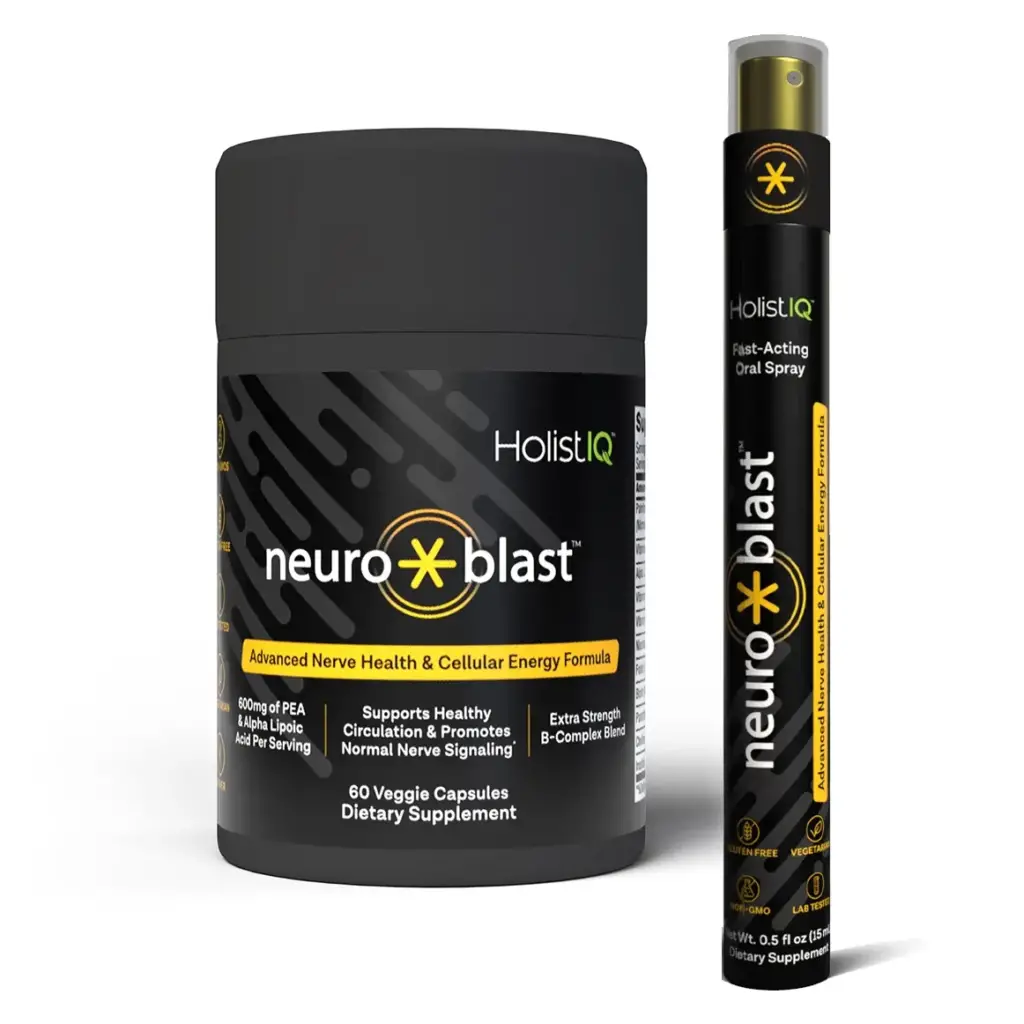
Supplements are a fantastic way to give your body the specific tools it needs for nerve support, but they work best when paired with healthy daily habits. Think of it as building a strong foundation for your well-being. Making small, consistent changes to your lifestyle can create a powerful, positive effect on your nerve health and how you feel overall. When you combine a targeted supplement routine, like the Neuro-Blast System, with supportive daily practices, you create a comprehensive plan for relief. This holistic approach addresses your nerve health from multiple angles, giving you the best chance at finding lasting comfort and getting back to the activities you love.
Focusing on a few key areas can make a significant difference. Simple adjustments to what you eat, how you move your body, and how you manage blood sugar and stress can help your nerves get the support they need to function properly. It’s not about a complete life overhaul overnight. Instead, it’s about incorporating manageable changes that add up over time. Let’s walk through some practical steps you can take in each of these areas to build a healthier environment for your nerves.
Eat for Better Nerve Health
The food you eat provides the essential building blocks for your entire body, including your delicate nerves. A diet rich in fruits, vegetables, lean proteins, and healthy fats gives your system a steady supply of vitamins and minerals. Many of these foods contain antioxidants, which help protect your cells from damage. Focusing on nutrients like B vitamins, magnesium, and vitamin D is especially important for nerve function. While supplements help fill any gaps, a nutrient-dense diet creates the ideal environment for your nerves to thrive. You can learn more about how specific vitamins and supplements support nerve health from trusted sources.
Get Moving to Feel Better
When you’re dealing with foot pain, exercise might be the last thing on your mind. However, gentle movement is one of the best things you can do for your nerves. Regular physical activity helps improve blood flow, delivering vital oxygen and nutrients to your nerve endings, especially in your feet and hands. You don’t need to run a marathon; simple activities like daily walks, swimming, or gentle stretching can make a world of difference. The key is consistency. Even 15 to 20 minutes of movement each day can aid your body’s natural processes and help you feel more comfortable.
Keep Your Blood Sugar in Check
For many people, nerve pain is linked to high blood sugar levels. Over time, excess sugar in the bloodstream can damage the small nerves in your feet, leading to discomfort. Keeping your blood sugar within a healthy range is one of the most critical steps you can take to protect your nerves from further damage. This involves working with your doctor, monitoring your levels, and eating a balanced diet that avoids sharp spikes in sugar. Studies also show a link between conditions like type 2 diabetes and deficiencies in certain nutrients, making a well-rounded approach to nutritional support for neuropathic pain even more important.
Manage Your Stress Levels
Living with chronic discomfort can be stressful, and unfortunately, stress itself can make pain feel worse. When your body is in a constant state of stress, it can increase inflammation and sensitivity in your nerves. Finding healthy ways to manage stress is essential for your overall well-being and nerve health. Simple practices like deep breathing exercises, meditation, listening to calming music, or spending time in nature can help calm your nervous system. These stress management techniques don’t have to be complicated; even a few minutes of quiet time each day can help reduce your perception of pain.
Create Your Complete Nerve Support Plan
Finding the right supplements is a huge step toward managing nerve pain, but it’s just one piece of the puzzle. To get the best results, you need a well-rounded plan where supplements work with smart lifestyle choices and professional medical advice. This comprehensive approach gives you the best chance at feeling better and getting back to the activities you love. It’s about partnering with your healthcare provider, combining strategies for maximum effect, and listening to your body to make adjustments.
Combine Supplements With Other Strategies
Supplements work best when they’re part of a bigger health strategy. Many nutrients that support nerve function have antioxidant properties that help protect your cells from damage. To give them a fighting chance, you also need a healthy environment in your body, supported by a nerve-friendly diet, gentle exercise, and good blood sugar management. When you combine a targeted formula like the Neuro-Blast system with positive daily habits, you’re tackling nerve discomfort from multiple angles and supporting your nervous system on a cellular level.
Partner With Your Healthcare Team
Before adding any new supplement to your routine, your first step should always be a conversation with your doctor. They have the full picture of your health, including existing conditions or medications, and can help you avoid negative interactions. Your doctor can provide personalized guidance you can’t get from a label. The National Institutes of Health advises you to consult your health care provider before taking dietary supplements for a health condition. This ensures your choices are safe and align with your overall treatment plan.
Track Your Progress and Adjust
Once you and your doctor have a plan, pay attention to how you feel. Your body is the ultimate source of feedback. Consider keeping a simple journal to track your symptoms, energy levels, and any changes you notice. Are you feeling less tingling? Is your balance improving? Noting these details helps you and your doctor see what’s working. Monitoring your progress also helps you catch any issues early. This active role allows you to fine-tune your approach for the best long-term results.
Related Articles
- How to Treat Nerve Pain in Your Foot at Home
- 5 Best Supplements for Poor Circulation in Feet
- How to Buy Supplements for Foot Neuropathy
- Top 8 Best Vitamins for Neuropathy in Feet
- Foot Pain Archives – Neuro-Blast
Frequently Asked Questions
Do I still need to see my doctor if I’m taking supplements for nerve pain? Absolutely. Think of supplements as a supportive part of your overall health plan, not a replacement for professional medical advice. Your doctor is essential for diagnosing the specific cause of your nerve pain, which is the most important step toward finding effective relief. They can also ensure that any supplements you choose are safe to take with your current medications and health conditions.
How are these specific supplements different from a regular daily multivitamin? A general multivitamin is designed to fill small nutritional gaps for overall wellness. The supplements discussed for nerve health are much more targeted. They contain specific ingredients, like alpha-lipoic acid and acetyl-L-carnitine, often at more potent levels than you’d find in a standard multi. This is because they are formulated to provide the particular building blocks your nervous system needs to repair, protect, and calm itself.
Can supplements completely cure my nerve pain? While supplements can make a significant difference in your comfort and mobility, it’s more accurate to think of them as providing powerful support rather than a “cure.” Nerve damage can be complex, but giving your body the right nutrients helps it manage inflammation, protect against further damage, and support its own natural repair processes. The goal is to reduce your symptoms and improve your quality of life so you can get back to doing what you love.
If I’m taking supplements, do I still need to focus on diet and exercise? Yes, a healthy lifestyle creates the foundation that allows supplements to work their best. Eating a nutrient-rich diet and getting regular, gentle movement helps improve blood flow and reduce inflammation, creating a better internal environment for your nerves. When you combine these positive habits with a targeted supplement plan, you’re tackling the issue from every angle for more comprehensive and lasting results.
How long will it take to feel a difference, and is it safe to take these long-term? Nerve repair is a gradual process, so it’s important to be patient and consistent. While some people notice small improvements in a few weeks, it often takes two to three months of steady use to experience a significant change. Because these supplements provide nutrients that support ongoing nerve function, they are generally designed for long-term use. As always, follow the product’s dosage instructions and keep your doctor informed about your routine.