Finding lasting relief from that fiery, pins-and-needles feeling in your feet is entirely possible. It’s not about finding a single magic bullet, but about building a personal toolkit of strategies that work for you. The most effective plans combine quick, in-the-moment solutions with consistent, long-term habits that support your overall nerve health. From simple foot soaks and the right footwear to targeted nutrition that works on a cellular level, every small step contributes to your comfort. This article will walk you through a comprehensive plan on how to soothe burning feet from neuropathy, empowering you to take control and build a foundation for sustained well-being.
Key Takeaways
- Pinpoint the Underlying Cause: The burning in your feet is a signal, often pointing to nerve damage from conditions like diabetes or vitamin deficiencies. Partnering with your doctor to get an accurate diagnosis is the critical first step toward effective, long-term relief.
- Use a Two-Part Relief Strategy: Manage sudden flare-ups with quick fixes like cool soaks or topical creams, but focus your daily efforts on long-term nerve health through gentle exercise, a nutrient-rich diet, and consistent support from the inside out.
- Make Consistency Your Foundation: Lasting comfort doesn’t come from occasional fixes; it’s built through steady, daily habits. A consistent routine of proper foot care, smart lifestyle choices, and targeted nerve support gives your body the best chance to heal and function properly.
Why Do My Feet Feel Like They’re on Fire?
If you’ve ever felt like you’re walking on hot coals even when your feet are cool to the touch, you’re not imagining things. That intense, painful heat is a very real and disruptive sensation that can make it hard to stand, walk, or even sleep. Understanding what’s causing this fiery feeling is the first step toward finding meaningful relief and getting back to the activities you love. The discomfort often points to an issue with your nerves, which are responsible for sending signals between your feet and your brain. When these communication lines get crossed, the messages can turn into feelings of burning, tingling, or pain.
What is Peripheral Neuropathy?
That persistent burning, tingling, or painful heat in your feet often has a name: peripheral neuropathy. It’s also sometimes called Grierson-Gopalan syndrome. This condition happens when the nerves located outside of your brain and spinal cord, particularly those in your feet and hands, become damaged. Think of these nerves as the body’s wiring system. When the wiring is faulty, it can send all sorts of incorrect signals, including the sensation of intense heat. While it can affect anyone, it’s a common problem that becomes more frequent as we get older, disrupting daily life and making simple movements feel like a major challenge.
How Nerve Damage Causes That Burning Sensation
So, what’s actually happening to create that fire? The main culprit is damage to the nerve fibers in your legs and feet. This damage disrupts the nerves’ ability to function correctly, causing them to send pain signals to your brain even when there’s no actual injury. This nerve damage isn’t random; it’s often the result of underlying health issues. The most common cause is diabetes, but it can also stem from vitamin deficiencies, heavy alcohol use, or physical injuries. The key is to address the problem at its source by focusing on how it works to support nerve health on a cellular level, rather than just masking the symptoms.
Other Telltale Neuropathy Symptoms
The burning sensation is often the most noticeable symptom, but it rarely travels alone. Many people with peripheral neuropathy experience a range of other uncomfortable feelings in their feet, ankles, and lower legs. You might notice numbness that makes it hard to feel the ground beneath you, or sharp, stabbing pains that come and go without warning. Some people also describe a persistent “pins and needles” feeling or a sense of heaviness in their feet. According to the Cleveland Clinic, these symptoms can be mild or severe, and they have a frustrating habit of getting worse at night, right when you’re trying to rest.
What’s Causing the Burn? Common Triggers for Neuropathy
Pinpointing why your nerves are sending these painful signals is the first step toward finding effective, long-term relief. While nerve damage can feel mysterious, it often stems from an underlying health condition or lifestyle factor. Understanding the potential cause is crucial because it helps you and your doctor create a targeted plan to support your nerve health and get you back to feeling like yourself. Let’s look at some of the most common reasons behind that burning sensation.
The Link Between Diabetes and Nerve Pain
If you have diabetes, you’re likely familiar with the importance of managing your blood sugar. One of the most critical reasons for this is to protect your nerves. High blood sugar levels over time can cause significant nerve damage, a condition known as diabetic neuropathy. This damage often starts in the longest nerves of your body, which is why the feet are usually the first to be affected. The burning, tingling, or numbness you feel is a direct result of these nerves struggling to function properly. Managing your diabetes is a key strategy for preventing further damage and easing your symptoms.
How Vitamin Deficiencies Affect Your Nerves
Your nerves rely on a steady supply of specific vitamins to stay healthy and transmit signals correctly. When you’re running low on key nutrients, especially B vitamins like B12, B6, and B1, your nerve health can suffer. A deficiency in these vitamins can lead to damage that results in that familiar burning feeling. This is particularly common among older adults and individuals with certain dietary restrictions that may limit their intake of these essential nutrients. Ensuring your body gets the vitamins it needs is a foundational step in supporting your entire nervous system from the inside out.
The Impact of Alcohol on Nerve Health
While an occasional drink is fine for most, heavy or long-term alcohol use can be toxic to your nerve tissue. This can lead to a condition called alcoholic neuropathy, where the nerves in your body become damaged. Alcohol can also interfere with your body’s ability to absorb essential, nerve-protecting nutrients, making the problem worse. For many, reducing or eliminating alcohol intake can stop further nerve damage and, in some cases, allow the nerves to begin healing. It’s a significant lifestyle change that can have a direct and positive impact on the sensations you’re experiencing in your feet.
Other Underlying Medical Conditions
Sometimes, burning feet are a signal of another health issue that needs attention. A wide range of conditions can contribute to nerve damage and the discomfort that comes with it. Chronic kidney disease, for example, can cause toxins to build up in your body and harm your nerves. Autoimmune diseases, where the body’s immune system mistakenly attacks its own tissues, can also be a cause. Even certain infections or inherited disorders can be the root of the problem. This is why it’s so important to work with your doctor to get an accurate diagnosis.
How to Cool the Burn: Immediate Relief Tips
When that fiery, pins-and-needles feeling strikes, you need relief, and you need it now. While long-term strategies are essential for managing neuropathy, having a few go-to tricks for immediate comfort can make a world of difference in your day-to-day life. These tips are designed to quickly soothe that burning sensation, helping you get back on your feet without waiting for long-term treatments to kick in. Think of these as your first-aid kit for neuropathy flare-ups. They are simple, effective, and can often be done with items you already have at home.
From a simple foot soak to over-the-counter aids, these methods can help turn down the heat when your nerves are screaming. It’s about giving you back a sense of control when the discomfort feels overwhelming. Finding what works best for you might take a little experimentation, but having these options in your back pocket means you’re prepared to handle a flare-up whenever it happens. Remember, these are for temporary relief. The real goal is to address the underlying nerve issues by supporting your nervous system from a cellular level, but in the meantime, let’s get you some comfort.
Try a Cold Water Soak
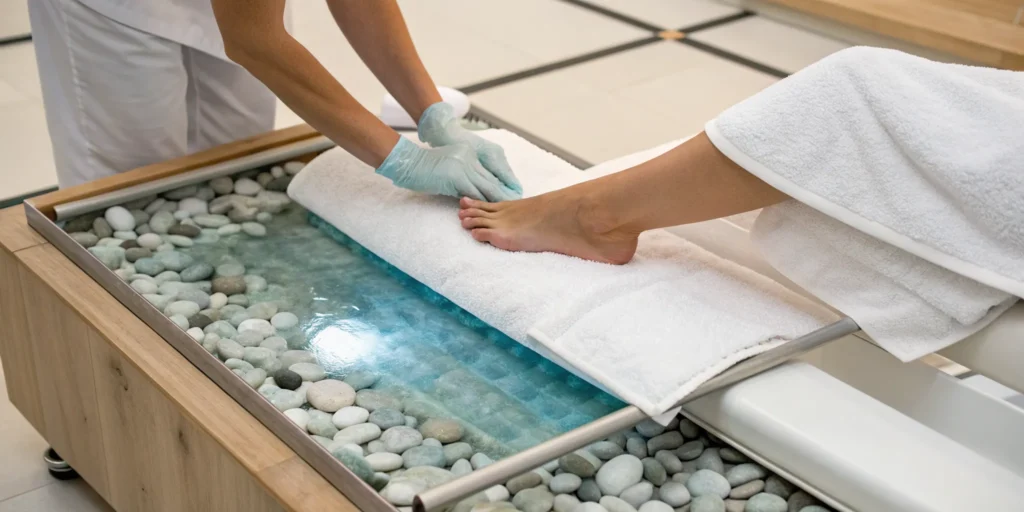
One of the simplest and fastest ways to cool your burning feet is with a cool water soak. This isn’t about shocking your system with ice-cold water, which can sometimes make nerve pain worse. Instead, fill a basin with cool tap water and let your feet rest in it for about 15 minutes. The cool temperature can help calm overactive nerve endings and reduce the sensation of heat. If you’re not near a tub, even pointing a fan at your feet can provide a similar cooling effect. It’s a gentle, drug-free way to get some much-needed relief from burning feet when they feel like they’re on fire.
Use Topical Creams for Soothing Relief
Sometimes, you need to target the discomfort right at the source. Topical creams and ointments can be incredibly effective for this. Look for products containing ingredients like capsaicin (derived from chili peppers), lidocaine, or menthol. These ingredients work by creating a cooling or numbing sensation that can override the burning signals your nerves are sending. Topical treatments can provide localized relief without the systemic side effects of oral medications. Just be sure to test a small patch of skin first to check for any irritation, and it’s always a good idea to chat with your doctor before adding a new product to your routine.
Elevate Your Feet to Reduce Discomfort
Gravity can be your friend when it comes to soothing burning feet. Propping your feet up on a pillow or ottoman can help improve blood flow and reduce any swelling that might be contributing to your discomfort. When you elevate your feet above the level of your heart, you encourage blood to flow back toward your core, which can ease pressure on the nerves and blood vessels in your lower legs and feet. This simple act doesn’t require any special equipment and can be done while you’re reading, watching TV, or resting. It’s a small adjustment that can make a big impact on your comfort level.
Find the Right Over-the-Counter Pain Relievers
For milder pain, an over-the-counter (OTC) pain reliever might be all you need to take the edge off. Medications like ibuprofen (Advil, Motrin IB), naproxen (Aleve), or acetaminophen (Tylenol) can help manage the discomfort associated with neuropathy flare-ups. While they are readily available, it’s important to use them as directed and not to rely on them as a long-term solution. These medications can help you get through a particularly bad day, but they don’t address the root cause of the nerve irritation. Always check with your doctor or pharmacist to make sure OTC pain relievers are a safe choice for you, especially if you take other medications.
Finding Lasting Comfort: Long-Term Solutions
While quick fixes can provide temporary relief, finding lasting comfort from burning feet means looking at the bigger picture. Long-term solutions focus on supporting your body’s ability to heal and maintain nerve health from the inside out. This approach isn’t about a single magic bullet; it’s about creating a supportive ecosystem for your nerves through a combination of smart nutrition, targeted movement, and medical guidance. By addressing the underlying factors that contribute to nerve discomfort, you can build a foundation for sustained well-being and get back to the activities you love.
The following strategies are designed to work together, helping you create a comprehensive plan for managing your symptoms for good. Think of it as investing in your future comfort. Each step you take, from adjusting your diet to incorporating gentle exercise, contributes to a stronger, more resilient nervous system. Understanding how it works on a cellular level can empower you to make choices that provide deep, meaningful support rather than just masking the pain. Let’s explore some of the most effective long-term strategies for soothing your feet.
Support Your Nerves from the Inside Out
Your nerves require specific nutrients to function properly and repair themselves. When your body doesn’t get enough of these essential building blocks, your nerves can suffer. B vitamins, especially B12, are particularly important for maintaining a healthy nervous system. A deficiency in these key vitamins can contribute to the tingling, numbness, and burning sensations associated with neuropathy.
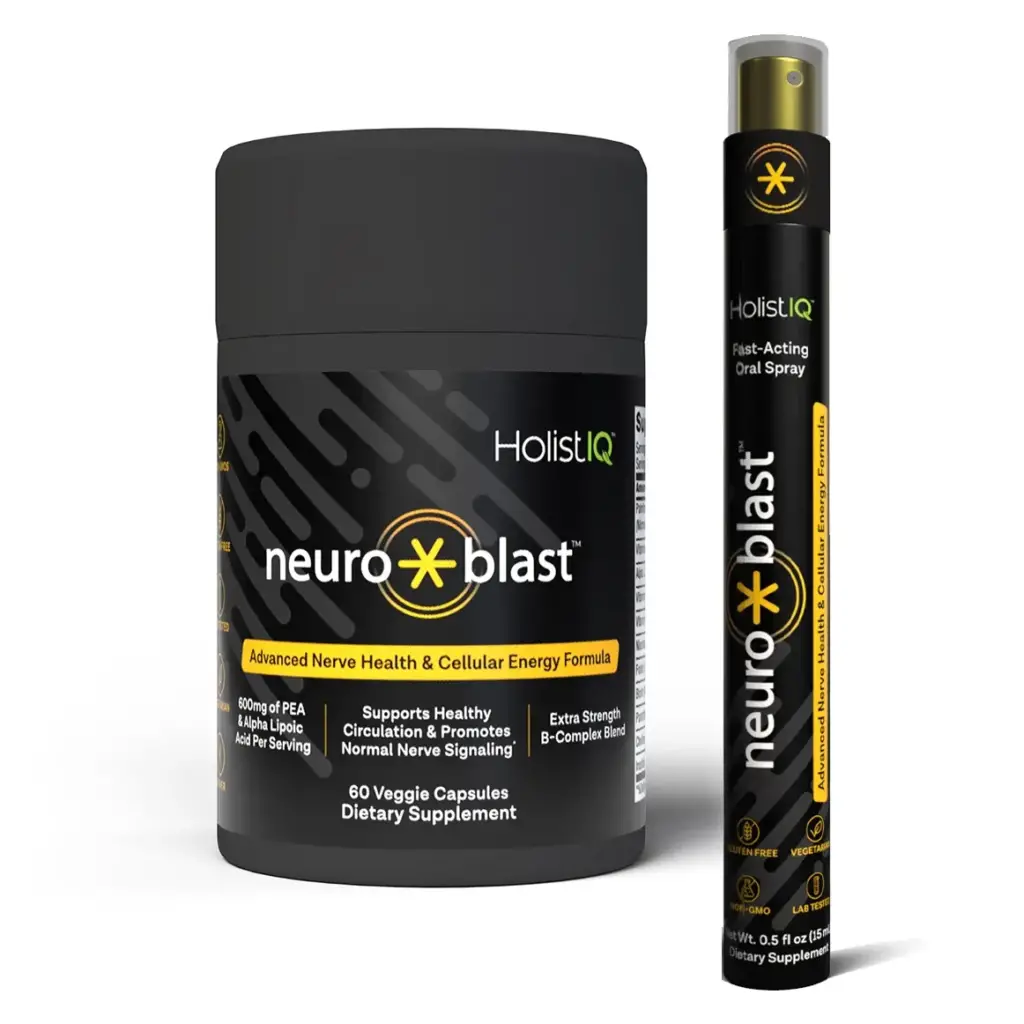
That’s why a targeted approach to nutrition can make a significant difference. A comprehensive support system, like the Neuro-Blast System, is engineered to deliver the specific nutrients your nerves need right at the cellular level. By consistently providing your body with this specialized support, you can help address nutritional gaps and promote long-term nerve health from within.
Talk to Your Doctor About Medications and Supplements
Creating a successful relief plan is a team effort, and your doctor is your most valuable player. They can help you explore various medical treatments that may be right for you. For neuropathic pain, doctors sometimes prescribe medications originally developed for other conditions, such as anticonvulsants or certain types of antidepressants. These can be effective because they work by calming overactive nerves and altering how your brain perceives pain signals.
It’s also crucial to discuss any supplements you’re considering with your healthcare provider. They can review the ingredients, check for potential interactions with your current medications, and help you integrate them safely into your routine. This open conversation ensures your entire care team is on the same page, working together toward your goal of lasting comfort.
Incorporate Gentle Physical Therapy and Exercise
When your feet are hurting, exercise might be the last thing on your mind. However, gentle, regular movement is one of the best things you can do for your nerve health. Activities like walking, swimming, or yoga can significantly reduce pain over time. Exercise improves blood flow, delivering vital oxygen and nutrients to your nerves, especially those in your feet and legs. It also helps improve muscle strength and balance, which can reduce the risk of falls.
For those with diabetic neuropathy, physical activity offers the added benefit of helping to control blood sugar levels. The key is to start slow and choose activities you enjoy. You don’t need to run a marathon; even a short daily walk can make a world of difference. A physical therapist can also help you create a safe and effective exercise plan tailored to your specific needs and abilities.
Eat for Better Nerve Health
The food you eat provides the fuel your entire body runs on, including your nervous system. A balanced diet is a cornerstone of long-term nerve support. Focus on filling your plate with a variety of whole foods like fruits, vegetables, lean proteins, and whole grains. These foods are packed with the vitamins, minerals, and antioxidants your nerves need to thrive and protect themselves from damage. This approach isn’t about restriction; it’s about nourishment.
Think of each meal as an opportunity to give your body the tools it needs for repair and maintenance. A diet rich in these nutrients supports overall wellness, helps maintain a healthy weight, and can assist in managing blood sugar levels, all of which are crucial for anyone dealing with neuropathy. Simple swaps, like choosing whole-grain bread over white or adding a side of leafy greens to your dinner, can add up to big benefits for your nerve health.
Simple Foot Care Habits to Soothe Your Feet
When your feet are constantly sending out distress signals, the idea of relief can feel distant. But you can make a significant difference with a few simple, consistent habits. Think of these daily practices as a way to support your body’s healing process from the outside in. By paying a little extra attention to your feet, you can reduce discomfort, prevent complications, and create a better foundation for long-term nerve health. Paired with a system designed for deep, cellular-level nerve support, these habits can help you feel more comfortable and confident on your feet.
Choose the Right Shoes
The right pair of shoes can feel like a safe haven for sensitive feet. When you have neuropathy, your footwear is more than a fashion statement; it’s a crucial tool for protection and comfort. Look for supportive, cushioned shoes that give your feet plenty of room. Tight shoes and high heels can squeeze your toes and put pressure on sensitive nerves, making symptoms worse. Instead, opt for footwear with a wide toe box and good arch support to distribute your weight evenly. Padded shoes and soft, loose-fitting socks can also help prevent irritation and protect your skin from blisters or sores you might not feel.
Make Daily Foot Checks a Habit
Making a quick foot inspection part of your daily routine is one of the most important things you can do. Since neuropathy can reduce sensation, you might not notice a small cut, blister, or ingrown toenail until it becomes a bigger problem. Take a minute each day, perhaps when you take off your shoes, to look over your entire foot, including the soles and between your toes. If it’s hard to see the bottoms of your feet, a mirror on the floor can help. Daily foot care helps you catch any issues early, before they have a chance to get infected or cause serious complications.
Protect and Moisturize Your Skin
Healthy skin is your body’s first line of defense. For feet affected by neuropathy, keeping the skin intact and hydrated is essential. After washing your feet with mild soap and warm water, be sure to dry them completely, especially between the toes where moisture can lead to fungal infections. Apply a good moisturizer to prevent your skin from becoming dry and cracked, which can create openings for bacteria. For extra relief, consider a soothing foot soak. Soaking your feet for about 15 minutes in a warm Epsom salt bath can help ease aches and calm irritated nerves.
Consider Compression for Better Circulation
Improving blood flow is key to getting oxygen and nutrients to your nerves. Poor circulation can make neuropathy symptoms like burning and tingling even worse. Compression socks can be a great tool to gently encourage blood flow from your feet back toward your heart, which can help reduce swelling and discomfort. They come in various pressure levels, so it’s a good idea to talk with your doctor about what’s right for you. Gentle exercise, like a daily walk or swimming, also works wonders for your circulation and can improve muscle strength to better support your feet.
Lifestyle Changes to Support Nerve Health
Taking a proactive approach to your health can make a significant difference in how you feel day-to-day. While targeted support like the Neuro-Blast System works on a cellular level, pairing it with positive lifestyle habits creates a powerful strategy for managing nerve discomfort. Think of these changes not as restrictions, but as ways to give your body the best possible environment to heal and thrive. Small, consistent adjustments to your daily routine can lead to big improvements in your comfort and mobility, helping you get back to the activities you love.
Manage Your Blood Sugar
If you have diabetes, keeping your blood sugar levels in a healthy range is one of the most important things you can do for your nerve health. High blood sugar can damage nerves over time, leading to or worsening the burning and tingling sensations of neuropathy. The good news is that you have a lot of control here. By working closely with your doctor, you can create a plan to manage your blood sugar effectively. This often involves regular monitoring, taking medications as prescribed, and making thoughtful food choices. Consistent management can help protect your nerves from further damage and may even reduce your current symptoms.
Prioritize Rest and Reduce Stress
Never underestimate the power of rest. Your body does incredible repair work while you sleep, and chronic stress can interfere with these natural processes, often making pain feel more intense. Finding ways to unwind is essential. This doesn’t have to be complicated; it could be as simple as setting aside 10 minutes for deep breathing, listening to calming music, or enjoying a warm bath before bed. Gentle activities like yoga or tai chi are also fantastic because they combine movement with mindfulness, helping to reduce stress while improving strength and balance. Prioritizing quality sleep and building moments of calm into your day gives your nervous system a much-needed break.
Limit Alcohol and Quit Smoking
Making changes to long-standing habits can be tough, but when it comes to nerve health, it’s worth the effort. Both alcohol and smoking can be toxic to your nerves. Heavy alcohol use can directly damage nerve tissue, and smoking constricts blood vessels, reducing the flow of oxygen and vital nutrients to your nerves, which can make neuropathy symptoms worse. If you smoke, creating a plan to quit smoking is a huge step toward protecting your entire body, including your delicate nerves. Similarly, reducing your alcohol intake can prevent further damage and give your nerves a better chance to function properly. Don’t hesitate to ask your doctor for resources and support to help you succeed.
Move Your Body Gently and Regularly
When your feet hurt, exercise might be the last thing on your mind. However, gentle, regular movement is key to improving blood flow, which is crucial for nerve health. You don’t need to run a marathon; simple activities can make a world of difference. A daily walk, swimming, or water aerobics are excellent low-impact options that get your blood circulating without putting too much strain on your feet. According to the Mayo Clinic, regular physical activity can also help control blood sugar levels and improve muscle strength, which supports better balance and mobility. Start slowly, listen to your body, and focus on consistency over intensity.
When to See a Doctor About Burning Feet
While at-home care can provide some relief, persistent burning feet often signal an underlying issue that needs a doctor’s attention. Think of your doctor as your partner in getting to the root of the discomfort. They can help you understand what’s really going on and create a plan that offers more than just a quick fix. Ignoring ongoing symptoms can allow the underlying cause to worsen, so being proactive is one of the best things you can do for your long-term health and mobility. Don’t hesitate to schedule an appointment; it’s the most important step toward finding lasting relief.
Know the Red Flags
It’s time to call your doctor if the burning sensation in your feet is persistent, getting worse, or simply not improving with at-home care. If the feeling spreads up your legs or is accompanied by numbness or tingling, that’s another clear sign to seek medical help. You know your body best, and if something feels off, it’s always better to get it checked out. A medical professional can help you figure out if your symptoms are connected to a condition that needs a specific medical treatment. Catching the problem early often leads to better outcomes and can prevent more serious nerve damage down the road.
Partner with Your Doctor for a Diagnosis
When you see your doctor, they will likely start by asking about your complete health history. Be prepared to discuss your symptoms, lifestyle, diet, and any family health conditions. They will also perform a physical exam to check your reflexes and nerve function. This comprehensive approach helps them connect the dots and pinpoint the cause of your discomfort. This process is a crucial first step in creating an effective treatment plan. Understanding the diagnostic process can make you feel more comfortable and prepared for your appointment, allowing you to work with your doctor to find the right path forward.
Explore Your Treatment Options
Once you have a diagnosis, the main goal is to address the underlying cause. This could mean managing blood sugar for diabetes, taking supplements for a vitamin deficiency, or treating an infection. Your doctor might also prescribe medications specifically for nerve pain, such as gabapentin or pregabalin, to manage your symptoms directly. It’s also a great time to discuss supportive care, like the Neuro-Blast system, which is designed to support nerve health on a cellular level. Working with your doctor, you can explore a combination of medical treatments and supportive systems to create a comprehensive plan that helps you get moving again.
Create Your Personal Relief Plan
Finding what works for your burning feet is a personal process. The most effective approach is often a combination of different strategies tailored to your specific needs and lifestyle. Think of it as building your own toolkit for comfort. By creating a personal relief plan, you can take control and find a sustainable path toward feeling better. This plan should include ways to manage immediate discomfort while also addressing the long-term health of your nerves. It’s about being proactive and finding a rhythm that helps you get back to doing the things you love.
Mix Quick Relief with Long-Term Strategies
A solid plan has two parts: what you do for in-the-moment relief and what you do for lasting nerve health. For immediate comfort when the burning feeling flares up, simple things can make a big difference. Soaking your feet in cool water for about 15 minutes can offer a quick reprieve. You can also explore topical treatments, like creams or patches, for localized relief.
At the same time, focus on long-term solutions. Gentle, regular exercise like walking or swimming can improve muscle strength and reduce pain over time. The most important long-term strategy is to address the root cause of the nerve irritation. A system designed to support the nervous system on a cellular level can be a foundational part of your daily routine, working from the inside out.
Track Your Progress and Adjust Your Plan
Your relief plan isn’t set in stone. It’s a living document that should change as your needs do. A great way to manage this is by keeping a simple journal. Note your symptoms, what you tried, and how you felt afterward. Did a cool soak help more than elevating your feet? Did a walk in the morning feel better than one at night? This information is powerful.
Tracking your progress helps you see what’s working and what isn’t, so you can make adjustments. It also helps you know when it’s time to get more support. If your pain gets worse or doesn’t improve after trying different home remedies, it’s important to see your doctor. Your notes can give them valuable insight, helping you work together to find the best path forward.
Why Consistency is Key to Feeling Better
When it comes to nerve health, consistency is everything. While quick fixes are great for managing flare-ups, true, lasting comfort comes from the small, steady actions you take every day. Treating the underlying cause of nerve discomfort is the only way to prevent more damage and find real relief. This means sticking with your plan even on days when you feel pretty good.
Think of it like this: each healthy meal, gentle exercise session, and daily supplement is another step toward rebuilding your nerve health. Committing to a consistent daily routine gives your body the steady support it needs to repair and function properly. It’s this dedication that will ultimately help you feel better, reduce your symptoms, and get you moving again with confidence.
Related Articles
- 7 Tips for Pain Relief for Feet Burning Fast
- Burning Feet Relief: Why It Happens & How to Stop It
- Your Guide to the Best Treatment for Burning Feet
- How to Get Burning Feet Sensation Relief Fast
Frequently Asked Questions
How do I know if my burning feet are serious enough to see a doctor? You should schedule an appointment if the burning sensation is constant, seems to be getting worse, or starts spreading up your legs. While many at-home strategies can help with comfort, persistent pain is your body’s way of signaling an underlying issue that needs a professional diagnosis. Getting it checked out is the best way to prevent further nerve damage and create an effective, long-term relief plan.
Can this burning sensation be permanently cured? Whether the sensation can be completely resolved depends on the underlying cause. For some people, addressing a vitamin deficiency or managing blood sugar can significantly reduce or even eliminate the symptoms over time. For others, the focus is on managing the discomfort and preventing further damage. The key is to consistently support your nerve health from a cellular level, which gives your body its best chance to repair and function properly.
Why do my feet seem to burn more at night? This is a very common experience. During the day, you are often busy and distracted, which can make the sensations less noticeable. At night, when your body is still and your mind is quiet, the burning and tingling feelings can seem much more intense. Additionally, changes in your body temperature and hormonal cycles during the night can also influence nerve sensitivity, making the discomfort more prominent when you’re trying to rest.
Are there specific foods that are best for nerve health? Yes, focusing on a diet rich in certain nutrients can make a real difference. Your nerves rely heavily on B vitamins, so incorporating foods like salmon, leafy greens, eggs, and lean meats is a great start. Foods high in antioxidants, such as berries, nuts, and colorful vegetables, also help protect your nerves from damage. Think of your diet as a foundational tool for providing your body with the building blocks it needs for nerve maintenance and repair.
I’m worried exercise will make the pain worse. How can it help? It’s a valid concern, but gentle movement is one of the best things you can do for your nerves. The goal isn’t intense, high-impact workouts. Instead, activities like walking, swimming, or stretching improve blood circulation, which is essential for delivering oxygen and nutrients to the nerve endings in your feet. This improved blood flow can reduce pain over time and also helps with balance and muscle strength. The key is to start slowly and listen to your body.