
When foot pain starts dictating your daily life—keeping you up at night or stopping you from enjoying a simple walk—it’s easy to feel helpless. But you can take back control. Finding relief isn’t about waiting for a single magic cure; it’s about building a smart, personalized plan that fits your specific needs. This guide is your roadmap to creating that plan. We’ll cover the full spectrum of options, from immediate at-home care to medical treatments and long-term nerve support. Our goal is to give you the information you need to create a proactive strategy for pain relief for feet burning and get back to living your life on your own terms.
Key Takeaways
- Pinpoint the Underlying Cause: Burning feet are a symptom, not the main problem. The most important step is to work with your doctor to discover the root cause—like diabetes or a vitamin deficiency—so you can create a treatment plan that actually works.
- Balance Quick Comfort with Long-Term Solutions: Use at-home remedies like cool soaks and comfortable shoes for immediate relief when you need it, but pair these temporary fixes with a consistent strategy that addresses the source of the nerve discomfort.
- Support Your Nerves from the Inside Out: Lasting relief comes from focusing on your overall nerve health. This means managing related health conditions, adopting nerve-friendly habits, and using a comprehensive system that provides deep, cellular-level support to prevent further damage.
What Causes That Burning Sensation in Your Feet?
If you’ve ever felt like you’re walking on hot coals, even when your feet are cool to the touch, you know how disruptive that burning sensation can be. It’s more than just a minor annoyance; it’s often a signal from your body that something is wrong with your nerves. This condition, known as peripheral neuropathy, happens when the nerves connecting your spinal cord to your limbs get damaged. Think of it as faulty wiring in your body’s communication system. The good news is that understanding what’s causing the issue is the first and most important step toward finding real, lasting relief. From blood sugar levels to vitamin intake, several factors can contribute to this uncomfortable feeling. Let’s walk through some of the most common culprits so you can start connecting the dots and get back on your feet, comfortably.
How High Blood Sugar Can Damage Nerves
One of the most frequent causes of burning feet is diabetes. When blood sugar levels remain high over a long period, it can become toxic to your nerves, especially the long ones that travel down to your feet. This nerve damage, called diabetic neuropathy, can disrupt the signals sent between your feet and your brain. Instead of feeling normal sensations, your brain might interpret the faulty signals as burning, tingling, or sharp pains. According to the Cleveland Clinic, managing blood sugar is a critical step for anyone with diabetes who is experiencing these symptoms. It’s a clear sign that your body needs extra support to protect its delicate nerve endings.
Other Conditions That Lead to Peripheral Neuropathy
While diabetes is a major factor, it’s certainly not the only cause of peripheral neuropathy. This type of nerve damage can stem from a wide range of health issues. Think of peripheral neuropathy as an umbrella term for damage to the nerves outside of your brain and spinal cord. Various conditions can trigger this damage, including autoimmune diseases like rheumatoid arthritis, infections such as shingles, inherited disorders, and even physical injuries that crush or sever a nerve. Understanding that many different health problems can lead to the same burning sensation is key, as it highlights the importance of getting a thorough diagnosis to pinpoint your specific cause.
The Impact of Vitamin Deficiencies
Your nerves rely on a steady supply of specific nutrients to function correctly. When you’re not getting enough of certain vitamins, particularly B vitamins like B6, B9 (folate), and B12, your nerve health can suffer. These vitamins are essential for maintaining the protective coating around your nerves (the myelin sheath) and for overall nerve cell metabolism. A deficiency can lead to nerve damage that manifests as that familiar burning or tingling in your feet. The connection between vitamin deficiencies and burning feet is a reminder that what we put into our bodies has a direct impact on our nervous system’s health and resilience.
Underlying Medical Issues: Kidney Disease, Alcoholism, and More
Sometimes, burning feet are a symptom of a broader, systemic issue in the body. Chronic kidney disease, for example, can cause toxins to build up in your blood, which can damage nerve tissue. Similarly, long-term excessive alcohol consumption is directly toxic to nerves and can lead to a condition called alcoholic neuropathy. Other potential causes include exposure to certain toxins, chemotherapy treatments, and infections like HIV/AIDS. Because the root cause can be so varied, finding a solution means looking at the bigger picture. Supporting your nervous system on a cellular level helps address the damage, no matter the source, and is fundamental to feeling better.
What Do Burning Feet Actually Feel Like?
If you’ve ever felt like you’re walking on hot coals even when your feet are cool to the touch, you know how unsettling it can be. The sensation of burning feet is more than just a minor annoyance; it’s a distinct and often painful experience that can disrupt everything from your daily walk to a good night’s sleep. Describing this feeling can be tricky, but it often involves a mix of heat, tingling, and sharp pains that signal something is off. Understanding these specific sensations is the first step toward figuring out what’s going on and finding a path to relief.
This feeling is often a sign that your nerves are sending distress signals. While it’s easy to dismiss foot pain, this particular type of discomfort deserves your attention. Let’s break down exactly what these sensations feel like and what they might be telling you about your health.
Identifying the Telltale Burning and Tingling
The most common description of this condition is right in the name: a persistent, uncomfortable burning. This isn’t like the warmth you feel after a long walk; it’s a more intense heat that seems to radiate from the inside out. For many people, this sensation gets noticeably worse at night, making it difficult to fall asleep. Along with the heat, you might experience a constant tingling or a “pins and needles” feeling, similar to when your foot falls asleep. This combination of burning and tingling is a classic sign of burning feet syndrome, a set of symptoms that points to an underlying issue with your nerves.
Numbness, Sharp Pains, and Other Warning Signs
Beyond burning and tingling, your feet might be sending other important signals. You could experience patches of numbness that make it hard to feel the ground beneath you, creating a sense of instability. Some people feel sudden, sharp, or stabbing pains that come and go without warning. Others describe a dull ache or a feeling of heaviness in their feet and legs. You might even notice physical changes, like redness or skin that feels unusually warm. These symptoms are all red flags because burning feet are usually a sign of an underlying medical problem, most commonly nerve damage. Paying attention to these warning signs is crucial for getting to the root of the problem.
Is It Just Aging? Separating Fact from Fiction
It’s a common myth that aches and pains, especially in the feet, are just an unavoidable part of getting older. While our bodies certainly change over time, intense burning sensations are not a normal part of the aging process. More often than not, they are a symptom of a specific health condition. One of the most frequent causes is diabetes, as fluctuating blood sugar levels can harm sensitive nerve endings in the feet. However, many other issues, including vitamin deficiencies, kidney disease, and even certain medications, can lead to the same symptoms. So, if you’re experiencing burning feet, don’t just write it off as another birthday—it’s your body’s way of asking for a closer look.
How Can You Find Quick Relief at Home?
When your feet are burning, you need relief that works right now. While getting to the root cause of nerve discomfort is the ultimate goal, a few simple at-home strategies can make a world of difference in your day-to-day comfort. These methods are easy to try, require minimal supplies, and can help you manage those painful flare-ups. Think of them as your first line of defense for calming angry nerves and getting back to your life. Here are a few practical steps you can take to find soothing relief when you need it most.
Try a Cool Water Soak
One of the simplest and fastest ways to cool the burn is with a cool water soak. This isn’t about shocking your system with ice, but rather about gently calming the inflammation and overactive nerve signals. Fill a basin or your tub with cool—not ice-cold—water and submerge your feet for about 15 minutes. This can be especially helpful in the evening to ease discomfort before you go to sleep. The cool temperature can help temporarily reduce the burning sensation, providing a welcome respite when your feet feel like they’re on fire. It’s a straightforward home remedy that can offer immediate, though temporary, comfort.
Apply Topical Creams for Soothing Relief
Over-the-counter topical treatments can be another great tool for managing burning feet. Look for creams or patches that contain ingredients like lidocaine, which has a numbing effect, or capsaicin, a compound derived from chili peppers that can help desensitize nerve endings over time. These products are applied directly to the skin on your feet, delivering targeted relief right where you need it. However, it’s always a good idea to ask your doctor before trying a new product, especially if you have sensitive skin or other health conditions like diabetes. They can help you choose a safe and effective option for your specific needs.
Gently Massage and Elevate Your Feet
A gentle massage can do wonders for tired, burning feet. Massaging the area helps improve blood flow, which is crucial if poor circulation is contributing to your discomfort. You don’t need to be a professional—simply use your thumbs to apply gentle, circular pressure to the soles of your feet. Pairing this with elevation can be even more effective. Prop your feet up on a few pillows for 15-20 minutes to help reduce any swelling and encourage blood to flow away from your feet, easing pressure and pain. This simple combination can provide significant relief after a long day.
Choose the Right Socks and Shoes
The shoes and socks you wear every day have a major impact on your foot health. Constricting footwear can worsen nerve pain, so opt for comfortable shoes that give your toes plenty of room to move. Look for styles with good cushioning and solid arch support to reduce pressure on the nerves in your feet. It’s best to avoid high heels or flimsy flip-flops. Your choice of socks matters, too. Choose pairs made from breathable, natural fibers like cotton or moisture-wicking blends. These materials help keep your feet dry and cool, preventing the kind of environment that can aggravate burning sensations and other foot-related issues.
When Is It Time to See a Doctor?
While at-home remedies can offer some temporary comfort, it’s easy to fall into a cycle of just managing symptoms without ever addressing the real problem. You might find relief for a few hours, but the burning, tingling, and pain keep coming back. This is your body’s way of sending a signal that something deeper needs attention. Listening to that signal and knowing when to seek professional medical advice is the most important step you can take toward lasting relief.
A doctor can help you get to the bottom of what’s causing your discomfort. They can run tests, review your medical history, and provide an accurate diagnosis—something you simply can’t do on your own. Think of it this way: you wouldn’t try to fix a car’s engine without knowing what’s wrong under the hood. The same goes for your body. An official diagnosis is the roadmap to effective treatment. It ensures you’re not just guessing but are actively working on a solution that targets the root cause of your pain, which is the only way to truly get back on your feet and feel like yourself again.
Don’t Ignore These Red Flag Symptoms
It’s tempting to dismiss burning feet as a minor annoyance, but sometimes it’s a warning sign of a more significant health issue. According to the Cleveland Clinic, that burning sensation can be a symptom of conditions like diabetes or nerve damage that require medical attention. If an underlying condition like diabetes is left untreated, it can lead to permanent damage to your nerves. Think of these symptoms as red flags your body is waving. Ignoring them won’t make them go away; in fact, it could allow the underlying problem to worsen. Catching these issues early gives you the best chance to manage them effectively and prevent long-term complications.
If the Pain Starts Disrupting Your Daily Life
When does foot pain cross the line from being an occasional bother to a major problem? The answer is simple: when it starts interfering with your life. If the burning sensation keeps you up at night, makes it hard to walk, or causes you to skip activities you once enjoyed, it’s time to make an appointment. If you’ve tried at-home treatments and the pain continues or even gets worse, that’s another clear sign you need professional help. A doctor can properly diagnose the cause of your discomfort, which is the most effective way to find a treatment that actually works and helps you reclaim your daily routine.
Why At-Home Care Isn’t Always Enough
Soaking your feet or using a topical cream can feel great in the moment, but these are temporary fixes. They soothe the surface-level symptoms without touching the underlying issue. The primary goal of any effective treatment is to stop more nerve damage from occurring. This means addressing the root cause, whether it’s managing blood sugar levels for diabetes or correcting a vitamin deficiency. Ignoring the core problem can lead to more serious health issues down the road. A comprehensive approach that provides deep, cellular-level support is essential for long-term recovery. This is why systems that work to support the nervous system from the inside out are so critical for lasting relief.
What Are the Medical Options for Lasting Relief?
When home remedies don’t provide the relief you need, it’s time to talk with your doctor. A medical professional can help you create a more targeted plan to manage the pain and address what’s causing it. Depending on your specific situation and the severity of your symptoms, your doctor might suggest a few different paths forward, ranging from medication to more advanced procedures. The goal is to find a sustainable solution that helps you get back to your life, not just mask the pain for a few hours.
Prescription Medications for Nerve Pain
For many people, the first step in a medical treatment plan involves prescription medications. These aren’t your typical over-the-counter pain relievers; they are specifically designed to target nerve pain. Your doctor might prescribe certain types of anticonvulsants or antidepressants, which have been found to be effective at calming the overactive nerves that cause burning sensations. There are also topical treatments like creams or patches that can be applied directly to your feet for localized relief. These medications can be a great starting point for getting symptoms under control and reducing the constant discomfort.
Advanced Medical Procedures and Interventions
If your pain is severe or doesn’t respond well to initial treatments, your doctor may discuss more advanced medical procedures. These interventions are designed to target the pain pathways more directly. For example, treatments like nerve blocks can interrupt pain signals before they reach your brain, providing significant relief for chronic conditions. Another option for persistent pain is spinal cord stimulation, which uses a small implanted device to send low levels of electricity directly to the spinal cord to relieve pain. These options are typically considered after other methods have been tried, but they can be very effective for long-term pain management.
Targeting the Root Cause with Comprehensive Nerve Support
While managing symptoms is important, finding lasting relief means addressing the underlying cause of the nerve discomfort. This approach goes beyond just silencing the pain signals. It can involve simple changes, like wearing more supportive shoes or using custom orthotics to correct foot alignment and reduce pressure on your nerves. For a deeper solution, focusing on the health of your nervous system is key. A comprehensive system that provides deep, cellular-level nerve support can help your body repair and maintain healthy nerve function from the inside out. This strategy aims to restore your body’s natural balance for true, long-term recovery.
How to Keep Burning Feet from Worsening
Once you start feeling that burning sensation, your focus naturally shifts to finding relief. But it’s just as important to think about the long game: how can you stop this from getting worse? Taking proactive steps to care for your feet and manage your overall health can make a significant difference. It’s about creating a supportive environment for your nerves to prevent further damage and give them a chance to heal. These daily practices and lifestyle adjustments are powerful tools in your pain relief plan.
Practice Daily Foot Care
Giving your feet a little extra attention each day can go a long way. For immediate, temporary relief, try soaking your feet in cool water for about 15 minutes. Be sure the water is cool, not ice-cold, to avoid shocking your sensitive skin. What you put on your feet matters, too. Choosing the right shoes is one of the most effective changes you can make. Look for proper footwear that fits well, has a low heel, a wide toe area to prevent cramping, and good arch support. This helps reduce pressure and irritation, giving your feet the stable, comfortable base they need throughout the day.
Adopt Nerve-Healthy Lifestyle Habits
Your daily habits have a direct impact on your nerve health. If you’re not getting enough B vitamins, your nerves may not have the fuel they need to function properly. Consider talking to your doctor about taking Vitamin B supplements, especially B6, B9 (folate), and B12, which are crucial for nerve function. Simple stretches can also help by improving circulation and easing tension in your feet and lower legs. Combining these small adjustments—like gentle stretching, wearing supportive shoes, and addressing potential vitamin deficiencies—creates a holistic approach that provides meaningful, lasting relief from burning sensations.
Manage Your Overall Health Conditions
Often, burning feet are a signal from your body that there’s a larger issue at play. That’s why one of the most critical steps is to manage any underlying health conditions that could be causing nerve damage. For example, if you have diabetes, keeping your blood sugar levels in a healthy range is essential. If alcohol use is a factor, reducing or stopping heavy drinking can allow damaged nerves to begin healing. The most important treatment is to stop any ongoing nerve damage at its source. Working closely with your doctor to manage your overall health is the foundation for finding lasting relief and preventing symptoms from worsening over time.
How to Build Your Personal Pain Relief Plan
Finding what works for your nerve pain isn’t about stumbling upon a single magic bullet. It’s about creating a smart, personalized strategy that fits your body and your life. Since everyone experiences nerve discomfort differently, your relief plan will be unique to you. Think of it as building a personal toolkit, filled with different approaches for different moments—some for immediate comfort and others for long-term nerve health.
Putting together a plan helps you take back a sense of control. It starts with understanding your own symptoms, then moves into combining immediate relief tactics with strategies that address the underlying issues. This proactive approach is far more effective than just reacting to pain when it flares up. By being methodical, you can create a sustainable routine that not only eases your current discomfort but also supports your nervous system’s health for the long haul, helping you get back to the activities you love.
Assess Your Specific Symptoms
Before you can find the right solutions, you need to get specific about the problem. Start by becoming an expert on your own symptoms. Keep a simple journal for a week or two. When does the burning or tingling start? Is it a dull ache or a sharp, stabbing pain? What makes it worse—standing for a long time, certain shoes, the time of day? What makes it feel even a little bit better? As the Cleveland Clinic notes, symptoms can be mild or very strong, and tracking these details gives you powerful information. This log will be incredibly valuable when you talk to your doctor and as you start trying different relief strategies.
Combine Quick Fixes with Long-Term Solutions
When your feet are on fire, you need relief right now. It’s perfectly fine to lean on quick, at-home fixes for immediate comfort. Things like soaking your feet in cool water or trying over-the-counter pain relievers can offer temporary relief when you need it most. But it’s important to see these as just one piece of the puzzle. While they can calm a flare-up, they don’t address what’s causing the pain. Your personal plan should pair these quick fixes with a consistent, long-term strategy designed to provide deeper support. The goal is to create a system that works on multiple levels to give you both immediate comfort and lasting results.
Focus on the Root Cause, Not Just the Symptoms
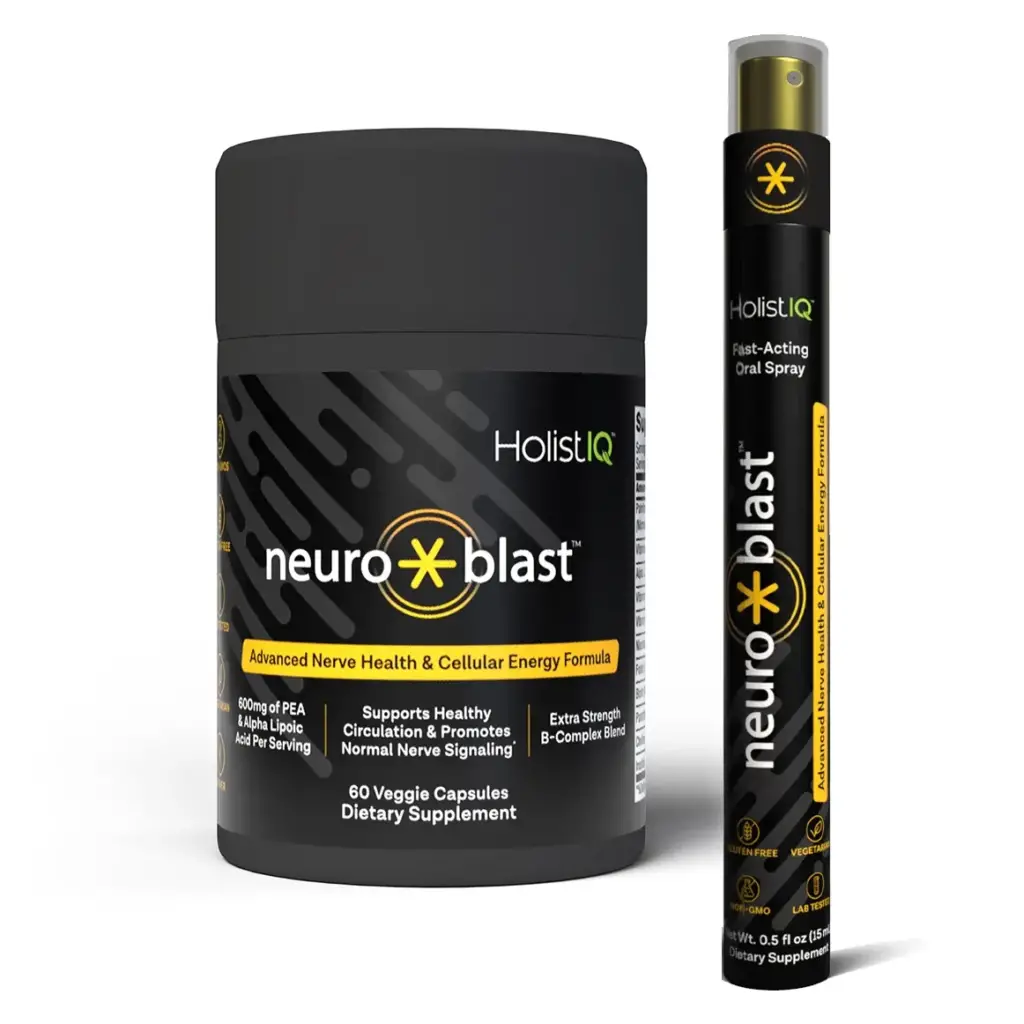
Masking pain is a temporary fix, but true, lasting relief comes from addressing the source of the problem. The most effective treatments focus on stopping ongoing nerve damage. As experts at WebMD point out, treating the underlying cause of the nerve damage is often the best way to relieve the burning sensation for good. This is why a doctor’s diagnosis is so important—it helps you understand why you’re feeling this way. From there, you can build your plan around solutions that do more than just numb the pain. A comprehensive approach like the Neuro-Blast System is designed to support your nerves on a cellular level, helping your body from the inside out.
Why Comprehensive Nerve Support Is Key to Recovery
Finding lasting relief from burning feet means looking deeper than the surface-level symptoms. While quick fixes can offer temporary comfort, a truly effective strategy focuses on the root of the problem: your nerve health. Comprehensive support is about giving your body the tools it needs to not only manage discomfort but also to build a more resilient nervous system for the future. This approach shifts the goal from simply getting through the day to getting back to the activities you love.
Go Beyond Simply Masking Symptoms
Think of that burning sensation as an alarm bell. While a topical cream might quiet the alarm for a little while, it doesn’t address what’s triggering it in the first place. To find real, lasting relief, the focus needs to be on the underlying nerve damage. Experts agree that to effectively address burning feet from neuropathy, it’s essential to stop any ongoing nerve damage. Simply masking the pain without addressing the cause is like painting over a crack in a wall without fixing the foundation. A comprehensive plan works to calm the immediate symptoms while also providing the foundational support your nerves need to prevent further issues.
How AI-Enhanced Systems Support Nerves at a Cellular Level
Modern approaches to nerve health are using advanced technology to provide support in ways that were never before possible. Instead of broad, one-size-fits-all solutions, systems can now offer targeted care that works on a cellular level. The Neuro-Blast system, for example, uses an AI-enhanced process to ensure your body gets a precise combination of ingredients engineered to support nerve function. This means delivering the right nutrients directly to your nerve cells, helping them get what they need to function properly. This deep, cellular-level approach is designed to address the core issues, not just the discomfort they cause.
Build a Healthier Nervous System for the Long Haul
True recovery is a marathon, not a sprint. While addressing the underlying cause of nerve damage is a critical first step, building a healthier nervous system requires a long-term commitment. This involves combining targeted treatments with nerve-healthy lifestyle habits to achieve lasting relief and improve your overall well-being. A comprehensive system like Neuro-Blast is designed for this journey, providing continuous support to help your body maintain nerve health over time. By focusing on long-term resilience, you can work toward not just feeling better now, but staying active and mobile for years to come.
Related Articles
- Burning Feet Relief: Why It Happens & How to Stop It
- Your Guide to the Best Treatment for Burning Feet
- How to Get Burning Feet Sensation Relief Fast
Frequently Asked Questions
Is it normal to get burning feet as I get older? While it’s common to experience more aches as we age, a persistent burning sensation in your feet is not a normal part of getting older. Think of it as a specific signal from your body that something is off, most likely with your nerves. It’s often a symptom of an underlying condition, so it’s always best to take it seriously rather than dismissing it as just another birthday.
How long should I try at-home remedies before calling my doctor? At-home care is great for immediate comfort, but if the burning sensation continues for more than a week or two without improvement, it’s time to make an appointment. You should also see a doctor right away if the pain is severe, comes on suddenly, or if you notice it spreading up your legs. The goal is to find the root cause, and a doctor is your best partner for that.
Can the food I eat actually make a difference for my nerve pain? Absolutely. Your nerves rely on specific nutrients, especially B vitamins, to stay healthy and function correctly. A deficiency in vitamins like B12 can directly contribute to nerve damage that leads to burning and tingling. Focusing on a balanced diet and talking with your doctor about potential supplements can be a powerful part of supporting your nervous system from the inside out.
What’s the real difference between temporary relief and a long-term solution? Temporary relief, like a cool foot soak or a numbing cream, is like hitting the snooze button on an alarm—it quiets the noise for a bit but doesn’t turn it off. A long-term solution focuses on fixing what’s setting off the alarm in the first place. It involves addressing the underlying cause of the nerve discomfort to support healing and prevent future damage, which is the only way to find lasting comfort.
Will this feeling in my feet ever completely go away? The possibility of recovery really depends on the underlying cause and how early it’s addressed. In some cases, especially when the nerve damage is caught early and the cause is managed effectively, symptoms can improve significantly or even resolve. For others, the focus is on managing the discomfort and preventing it from worsening. A comprehensive plan gives you the best possible chance at reducing the sensation and reclaiming your quality of life.