
You may not have heard of Palmitoylethanolamide (PEA), but your body is already an expert on it. PEA is a natural fatty acid your cells create on-demand to handle stress, injury, and inflammation. Think of it as your body’s own internal repair crew, sent directly to the source of discomfort to restore balance. Because it’s a substance your body already knows and trusts, it works in harmony with your natural systems. This makes the idea of palmitoylethanolamide long term use a logical and intuitive approach to managing chronic nerve pain. Instead of introducing a foreign substance, you’re simply giving your body more of what it already uses to heal itself. We’ll explain how this powerful compound works and why supplementing with it can provide the deep, cellular-level support you need.
Key Takeaways
- Feel Confident in Your Long-Term Plan: Because PEA is a natural substance your body already makes, clinical studies show it’s exceptionally safe for continuous use, offering a reliable way to manage discomfort without the concerns of many conventional painkillers.
- Address the Source, Not Just the Symptom: PEA provides lasting relief by working on a cellular level to calm the inflammation and nerve irritation that cause pain, rather than just temporarily hiding the signals.
- Create a Plan for Lasting Success: Get the most from PEA by taking it consistently, choosing a high-absorption formula, and supporting it with healthy habits. Tracking your progress and partnering with your doctor ensures you have an effective strategy for long-term comfort.
What is Palmitoylethanolamide (PEA) and How Does It Work?
If you’ve never heard of Palmitoylethanolamide (PEA), you’re not alone. But this powerful compound isn’t a new discovery—it’s a natural molecule your own body produces to manage pain and inflammation. Think of it as your personal, on-call relief crew. PEA is a type of fatty acid amide, a substance your cells create whenever they experience stress or injury. Its main job is to step in, restore balance, and calm things down right at the source of your discomfort.
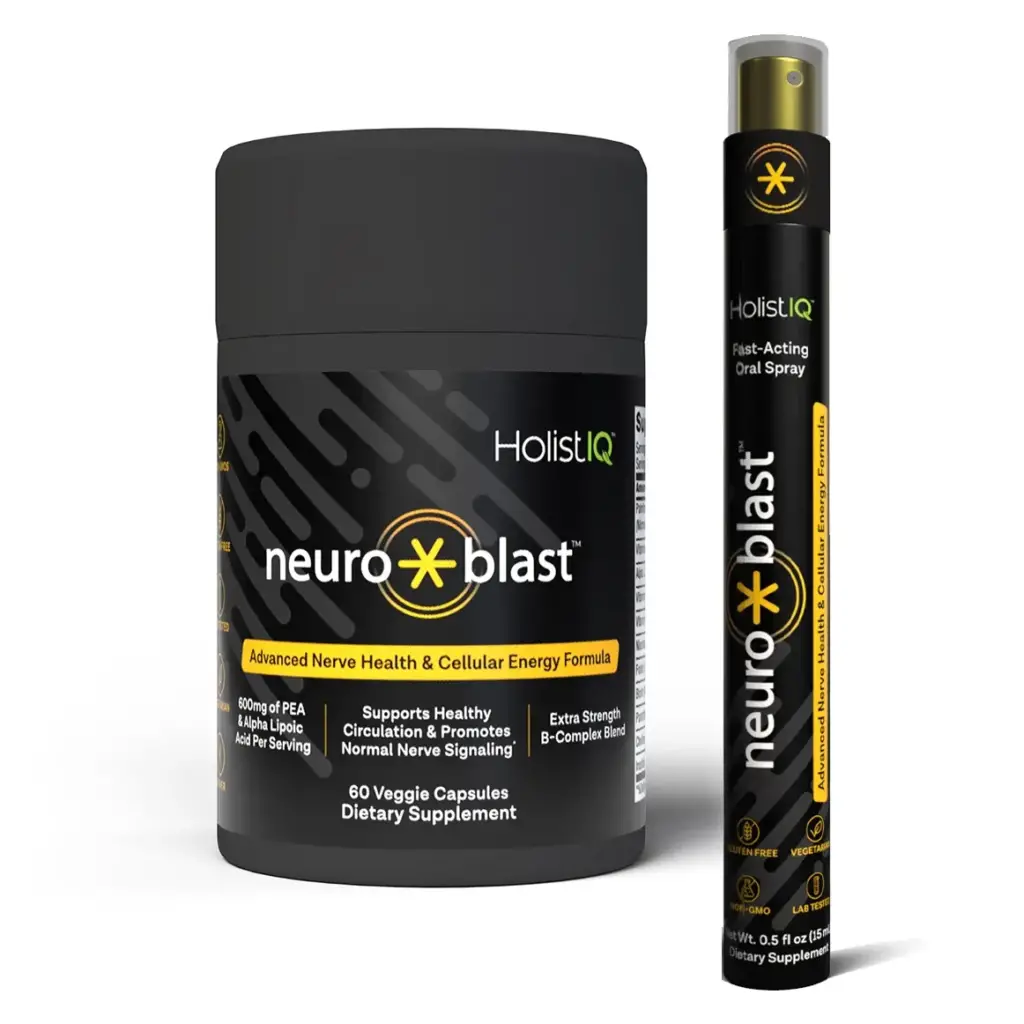
Because it’s made by your own body, PEA works in harmony with your natural systems. It doesn’t just mask symptoms; it interacts with the cells involved in your pain and immune responses to provide genuine comfort. This is a key difference from many traditional pain relievers that simply block pain signals temporarily. PEA goes deeper, addressing the cellular activity that causes the pain in the first place. While PEA is found in small amounts in foods like egg yolks and soybeans, the levels are often not enough to make a significant impact on persistent discomfort. That’s why supplementing with PEA can give your body the extra support it needs to handle chronic pain and help you get moving comfortably again. The Neuro-Blast system is designed to deliver this support effectively.
How Your Body Naturally Produces PEA
Your body has an incredible built-in system for self-repair, and PEA is a key part of it. When a part of your body is damaged or inflamed—whether from an injury, overuse, or a chronic condition—the cells in that area immediately start producing PEA. It’s a direct and localized response to stress. This natural substance acts as a protective agent, signaling to your body that it’s time to begin the healing and balancing process. This on-demand production is your body’s first line of defense against discomfort, working to soothe irritated nerves and tissues right where the problem starts.
How It Fights Pain and Inflammation
PEA provides relief by interacting with your endocannabinoid system—the body’s master regulator for maintaining balance. It helps calm overactive nerve cells (glial cells) and immune cells (mast cells) that are responsible for sending persistent pain and inflammation signals. Instead of just blocking pain, PEA helps resolve the underlying irritation. Research shows PEA can reduce different types of pain, from nerve discomfort to inflammatory joint issues. By supporting your body’s own systems, it offers a way to achieve deep, cellular-level nerve support and find lasting comfort.
What Are the Benefits of Using PEA Long-Term?
When you’re dealing with persistent discomfort, finding a solution that works for the long haul is the ultimate goal. Palmitoylethanolamide (PEA) isn’t just about temporary relief; consistent use can lead to significant improvements in your daily life. By working with your body’s natural systems, PEA offers a steady path toward feeling better, moving more freely, and reclaiming your comfort. It addresses the underlying factors like inflammation and cellular stress that contribute to nerve-related pain. Let’s look at what that means for you.
Easing Chronic Pain and Neuropathy
If nerve pain is a constant part of your day, PEA could be a game-changer. It works by supporting your body’s own pain-relief system, known as the endocannabinoid system. Think of it as giving your internal pain management team a helping hand. Research shows that PEA can significantly reduce chronic pain, making a real difference in the intensity you feel. For over two decades, it has been a go-to for managing neuropathic pain, helping people find consistent and lasting comfort from the tingling, burning, and sharp sensations that can be so disruptive.
Reducing Inflammation and Protecting Cells
Pain and inflammation often go hand-in-hand, especially with nerve-related issues. PEA tackles this at the source by helping to calm the overactive cells that trigger inflammation. Specifically, it soothes the mast cells and glial cells that can cause both inflammation and pain. This isn’t just about masking symptoms; it’s about creating a calmer environment within your body. Studies have shown that PEA is a natural compound that reduces inflammation and even helps protect your cells, including brain cells, from stress. This dual action provides a foundation for lasting nerve support and overall well-being.
Improving Your Mobility and Quality of Life
The true goal is to get back to doing the things you love, right? That’s where the long-term benefits of PEA really shine. When pain and inflammation are under control, everything else starts to fall into place. Studies have found that people taking PEA not only experience pain relief but also see improvements in their quality of life, including better sleep and an easier time with daily activities. Because it has a strong safety profile with fewer side effects than many traditional pain medications, it’s a sustainable choice for long-term management. This means you can focus less on discomfort and more on living your life.
Is It Safe to Take PEA for a Long Time?
When you’re dealing with persistent discomfort, finding a solution you can rely on day after day is a top priority. It’s natural to wonder about the long-term safety of any supplement you add to your routine. The good news is that when it comes to Palmitoylethanolamide (PEA), the research is very encouraging. It’s not just about short-term relief; it’s about finding a sustainable way to support your body and get back to the life you want to live. Let’s look at what the studies say, what to expect, and how PEA compares to other options you might have tried.
What Clinical Research Says About Safety
If you’re considering PEA for the long haul, you’ll be glad to know that clinical research supports its safety. Many studies have followed individuals taking PEA for chronic pain for periods longer than 60 days, and the results are consistently positive. A systematic review of multiple trials found that PEA is very safe, with most studies reporting no side effects at all. This is a significant finding, especially for those who need ongoing support for nerve-related discomfort. The research indicates that PEA can be a reliable part of your daily wellness plan without the significant adverse reactions often associated with other long-term pain management strategies.
Understanding Potential Side Effects
One of the most reassuring aspects of PEA is its gentle nature. While no supplement is entirely without the possibility of side effects, those associated with PEA are typically rare and mild. When they do occur, they are often minor digestive issues, like an upset stomach or a feeling of nausea. Some people might experience a mild headache, but these effects are generally temporary and not severe. Compared to the extensive list of warnings that come with many conventional pain medications, PEA’s safety profile is a breath of fresh air for those seeking a gentle yet effective approach to managing their nerve health.
PEA vs. Traditional Pain Meds: A Safety Comparison
Many people turn to PEA after trying traditional pain medications like NSAIDs or steroids, which can carry risks with long-term use. PEA offers a different path. Because it works with your body’s natural systems to resolve inflammation and discomfort at a cellular level, it’s considered a much safer option. It has fewer and milder side effects, making it suitable for continuous use. Better yet, PEA can often be used alongside standard pain relief regimens, sometimes even enhancing their effects. This makes it a flexible and powerful tool in your journey toward feeling better and getting moving again.
Does Research Show PEA is Effective Long-Term?
When you’re looking for a solution to nerve discomfort, you want something that doesn’t just work now—you need it to work for the long haul. It’s completely fair to ask if the benefits of PEA will stick around. The great news is that a growing body of scientific research points to yes. Scientists have been studying PEA for years, looking specifically at its long-term effectiveness and safety for managing chronic conditions.
The research isn’t just about whether it reduces pain over time; it’s also about how it impacts your overall life. Studies consistently show that PEA is not a temporary fix. Instead, it works with your body to provide sustained support, helping you manage discomfort month after month. This is especially important for neuropathic pain, which is often a persistent, long-term issue. The evidence suggests that with consistent use, PEA can be a reliable partner in your health journey, helping you maintain your mobility and get back to the activities you love without the concerns that come with many traditional pain medications.
Studies on Use Beyond 60 Days
If you’re dealing with chronic discomfort, a 30-day trial isn’t enough. You need to know if a supplement can support you for months or even years. Research on PEA is particularly encouraging on this front. Many studies have followed individuals using PEA for well over 60 days to manage chronic pain, and the results are consistently positive. What’s even more reassuring is that these longer-term studies report a remarkable safety profile. Participants using PEA for extended periods generally don’t experience significant adverse side effects, which sets it apart from many conventional options. This suggests that PEA is not only effective but also well-tolerated for continuous, long-term use.
How Long Was PEA Used in Successful Studies?
It’s helpful to have a realistic timeline in mind when starting any new supplement. When it comes to PEA, many clinical studies report that participants begin to feel noticeable benefits after about four weeks of consistent use. But the history of PEA goes back much further. It has been a trusted part of neuropathic pain management for over two decades. This long history of clinical use provides a strong foundation of trust and reliability. It shows that PEA isn’t a new trend; it’s a well-researched compound that has successfully helped people manage nerve-related discomfort for years, with a track record of both effectiveness and safety.
Do the Benefits Last?
The most important question is whether the relief you feel from PEA will last. According to research, the answer is a resounding yes. Studies show that PEA doesn’t just temporarily mask pain; it provides a significant and lasting reduction in chronic discomfort. But the benefits go even deeper than that. Researchers have found that PEA can also improve patients’ quality of life in meaningful ways. This includes better sleep, less daily disruption from pain, and an improved ability to perform everyday activities. Because PEA is considered a safe and well-tolerated supplement, you can feel confident that these benefits are part of a sustainable plan for your long-term well-being.
How to Take PEA for the Best Long-Term Results
Taking a supplement consistently is the first step, but a few key details can make a significant difference in your long-term success with PEA. How you take it, what form you choose, and your expectations for results all play a role in getting the relief you’re looking for. It’s about creating a smart, sustainable routine. To get the most out of PEA, you need to consider dosage, absorption, and timing. By understanding these factors, you can build a plan that supports your goals of easing discomfort. The Neuro-Blast System is engineered with these principles in mind, providing a comprehensive approach to nerve support.
Finding the Right Long-Term Dosage
While there isn’t a universal “perfect” dose, research gives us solid clues. Many clinical studies found participants saw benefits after about four weeks of consistent use, typically taking PEA once or twice a day. This steady intake helps maintain a consistent level of the compound in your system, allowing it to work on calming nerve discomfort and inflammation. The key is consistency, especially in the first few months, to give your body the chance to respond. Sticking to a daily schedule is the best way to support your long-term goals.
Ultramicronized vs. Standard PEA: What’s the Difference?
Not all PEA is created equal, and the form you take matters. For PEA to work effectively, your body has to absorb it. Research shows that PEA is most effective when its particles are incredibly small, a form known as “ultramicronized.” Think of it like dissolving fine sugar in tea versus a large cube—the smaller particles dissolve faster. This increases the surface area, making it easier for your body to use. This is why understanding how it works on a cellular level is so important for seeing results.
When Can You Expect to Feel a Difference?
Patience and consistency are your best friends when starting PEA. While it begins working on a cellular level right away, noticeable changes in how you feel can take time. Many people in studies report not just a reduction in pain, but also significant improvements in their quality of life. This can mean better sleep and an easier time with daily activities. For many, the goal is simply to get back to doing the things they love, and you can read testimonials from others who have had that experience.
What Conditions Benefit Most from Long-Term PEA?
PEA is a versatile compound that supports the body in several ways, but its benefits really shine for specific chronic conditions. Because it works by calming inflammation and soothing overactive nerve responses, it’s particularly helpful for issues rooted in pain and irritation. If you’re dealing with persistent discomfort that gets in the way of your daily life, understanding where PEA has the most impact can help you decide if it’s the right fit for your wellness plan. The research points to a few key areas where long-term use shows significant promise for providing lasting relief and helping you get back to the activities you love.
Neuropathic Pain and Diabetic Neuropathy
If you experience the tingling, burning, or sharp pains associated with nerve damage, you know how disruptive it can be. This is where PEA truly stands out. It has been a part of neuropathic pain management for decades because it gets to the source of the problem. Instead of just masking the pain, PEA works on a cellular level to calm the overactive immune responses in your nerves that cause so much discomfort. By reducing that underlying inflammation, it helps soothe the entire system. This is especially beneficial for people with peripheral or diabetic neuropathy who are looking for a sustainable way to manage their symptoms and improve their mobility without relying on harsh medications.
Osteoarthritis and Chronic Joint Pain
That deep, aching pain in your joints from osteoarthritis can make simple movements feel like a major challenge. PEA can offer a gentle yet effective way to manage this kind of discomfort. It’s often used to treat various painful conditions, including knee osteoarthritis, because of its powerful anti-inflammatory properties. Multiple studies have shown that PEA can significantly reduce joint pain and stiffness, making it easier to walk, climb stairs, and stay active. By calming the inflammation that wears away at your joints, PEA helps improve function and provides a steady sense of relief, allowing you to focus more on your life and less on your pain.
Fibromyalgia and Inflammatory Conditions
Living with fibromyalgia means dealing with widespread pain, fatigue, and a host of other symptoms that can feel overwhelming. Because PEA helps regulate the body’s pain and inflammation signals, it can be a valuable tool for managing this complex condition. Research shows that PEA is consistently well-tolerated by people and effective in managing chronic pain while improving overall well-being. Its gentle action makes it a suitable option for long-term use, helping to dial down the body’s inflammatory responses without causing disruptive side effects. This can lead to fewer flare-ups, more energy, and a better quality of life for those navigating fibromyalgia or other chronic inflammatory issues.
PEA Drug Interactions and Precautions
One of the most common questions about starting a new supplement is, “Will this interfere with my current medications?” It’s a smart question to ask, and when it comes to PEA, the news is overwhelmingly positive. Because PEA is a substance your body already produces, it has an excellent safety profile and is generally well-tolerated. Most research shows that it’s very unlikely to cause problems with other medications.
Still, being informed is key to feeling confident and safe. While PEA is known for its gentle nature, every person’s health situation is unique. Understanding the general guidelines and knowing when to have a conversation with your doctor will ensure you can add PEA to your routine with total peace of mind. Let’s walk through what you need to know.
Medications to Watch Out For
The great news is that PEA has a very low risk of interacting with other drugs. It’s been studied alongside many common medications, including those often prescribed for nerve discomfort, with positive results. In fact, research on the therapeutic utility of PEA found no adverse effects when it was combined with analgesics like tramadol, gabapentin, and pregabalin.
Some studies even show that PEA can work synergistically with over-the-counter pain relievers like acetaminophen. While it’s extremely uncommon, some sources note a theoretical possibility of interaction with drugs that affect the central nervous system. Because of this, the golden rule is to simply keep your doctor in the loop. They can review your full medication list and give you personalized advice.
Who Should Be Extra Cautious?
While PEA is safe for most adults, certain groups should always exercise a bit more caution before starting any new supplement. If you are pregnant, planning to become pregnant, or breastfeeding, it’s best to hold off on taking PEA, as there isn’t enough research yet to confirm its safety in these situations.
Additionally, if you have a significant pre-existing medical condition, especially one that affects your liver or kidneys, it’s wise to consult your healthcare provider first. They understand your health history and can help you make the best decision for your body. This advice isn’t unique to PEA—it’s a good practice for any dietary supplement you’re considering. Your health is a team effort, and your doctor is a key player on your team.
When to Talk to Your Doctor
The best time to talk to your doctor is before you start taking PEA. This conversation is the most reliable way to ensure it fits seamlessly into your health plan. Think of it as a simple check-in for your own well-being and confidence.
Be sure to schedule a chat with your doctor if:
- You take any prescription medications, especially for pain, mood, or other nerve-related conditions.
- You have an ongoing health condition.
- You are preparing for any type of surgery.
- You have any questions or concerns at all.
Your doctor can provide tailored guidance and help you feel completely comfortable. If you have questions about how our own system works, our team is also here to help on our support page.
How Does Long-Term PEA Compare to Other Nerve Support?
When you’re dealing with persistent nerve discomfort, you’ve likely explored a few different options for relief. It’s natural to wonder how a long-term plan with PEA stacks up against other methods, especially the conventional painkillers many of us reach for first. The goal is always to find something that not only works but is also gentle on your body over time. PEA offers a different approach by working with your body’s natural systems to manage discomfort at its source, rather than just silencing the alarm bells.
Unlike options that simply mask symptoms, PEA is about providing foundational support for your nervous system. This can lead to more sustainable results and a better quality of life, helping you get back to the activities you love. It’s also incredibly versatile. PEA can be a powerful standalone supplement, but it also plays well with other natural ingredients, creating a more comprehensive strategy for your health. This synergy is key for anyone looking for more than just temporary relief. Let’s look at how it compares directly to other common choices for nerve support.
The Benefits of PEA Over Conventional Painkillers
If you’ve ever worried about the long-term effects of conventional painkillers, you’re not alone. Many over-the-counter and prescription options come with a list of potential side effects that can be concerning with daily use. This is where PEA really stands out. Clinical studies consistently show that PEA is well-tolerated by people, even when taken for extended periods. Most research reports no significant side effects, and the few that are mentioned are typically mild, temporary stomach issues.
This strong safety profile offers peace of mind. Instead of just blocking pain signals, PEA works to calm inflammation and support cellular health, addressing the underlying issues causing discomfort. This makes it a compelling alternative for managing chronic pain, offering a way to find relief that balances effectiveness with safety without the risks associated with many traditional medications.
Pairing PEA with Other Natural Supplements
One of the best things about PEA is that it doesn’t have to work alone. It can be a fantastic team player, often working even better when combined with other natural supplements to support your nervous system. This is the idea behind a comprehensive approach like the Neuro-Blast System, which pairs PEA with other key ingredients to provide deep, cellular-level support.
Research shows that PEA can enhance the effectiveness of other health strategies, including lifestyle changes like diet and exercise. Because it works on a fundamental level within your body, it creates a solid foundation for other supplements and healthy habits to build upon. This makes PEA a versatile and important part of a holistic plan to manage your health, helping you get back to moving and feeling your best.
Get the Most Out of Your Long-Term PEA Plan
Starting a new supplement like PEA is a fantastic step toward managing your nerve health. But to truly get the best results, it helps to see PEA as one part of a bigger wellness picture. By pairing it with a few simple habits and staying in tune with your body, you can create a comprehensive plan that supports your long-term comfort and mobility. Think of it as building a support system for your body, where PEA is a key player on your team. This proactive approach helps you take control of your health journey and ensures you’re getting every possible benefit from your new routine.
Lifestyle Changes to Support Your Results
PEA works best when it’s part of a healthy lifestyle. Simple changes to your daily routine can amplify its effects, helping you feel better faster. Integrating PEA with a balanced diet and regular movement creates a powerful combination for your overall well-being. You don’t need to overhaul your life overnight. Start with small, manageable steps, like adding more anti-inflammatory foods to your meals or going for a short daily walk. These actions support your body’s natural healing processes, and research suggests that PEA can enhance the effectiveness of these positive lifestyle choices. It’s all about creating an environment where your body, supported by PEA, can thrive.
How to Track Your Progress
How do you know if your PEA plan is working? By tracking your progress. Keeping a simple journal can make a huge difference. Each day, jot down your pain levels on a scale of 1 to 10, what activities you were able to do, and your overall energy. This isn’t just for motivation; it provides valuable information. Over time, you’ll be able to see clear patterns and celebrate small victories, like walking a little farther or sleeping more soundly. Monitoring your response helps you understand how your body is reacting and gives you concrete data to share with your doctor, making your next appointment even more productive.
Partnering with Your Doctor for Best Results
Even though PEA is known for its excellent safety profile, it’s always a good idea to keep your doctor in the loop. Think of your doctor as your health partner. When you share your progress journal and discuss your PEA plan, you’re giving them the full picture of your health. This allows them to help you create the most effective regimen possible. PEA can often be safely added to standard treatments, and your doctor can confirm it’s the right fit for you. This collaborative approach is central to our philosophy at Neuro-Blast, a doctor-led system designed to provide comprehensive support for your nerve health.
Related Articles
- Palmitoylethanolamide (PEA) Archives – Neuro-Blast
- Palmitoylethanolamide Side Effects: What to Know
- 5 Best Palmitoylethanolamide Supplements of 2026
- How Does PEA Work for Pain? A Simple Guide
Frequently Asked Questions
Why haven’t I heard of PEA before if it’s so effective? That’s a great question. While PEA might seem new, it has actually been researched and used in Europe for managing nerve discomfort for decades. It’s a natural compound your body already makes, so it hasn’t had the big marketing push that many synthetic drugs receive. It’s gaining more attention now as people are actively looking for gentle, sustainable, and well-researched options to support their long-term health.
Do I have to take PEA forever to keep feeling the benefits? For chronic conditions like nerve discomfort, consistency is the key to lasting relief. Think of PEA as ongoing support for your body’s natural pain and inflammation management system. Because it works by helping your cells maintain balance, stopping it would mean losing that support. Most people find that continuous, daily use is the best way to maintain their comfort and mobility long-term.
Can I take PEA with my current pain medication? PEA is known for its excellent safety profile and generally doesn’t interfere with other medications. In fact, some studies show it can work well alongside conventional pain relievers. However, your health situation is unique. It’s always the best practice to have a quick chat with your doctor before adding any new supplement to your routine, just to ensure it’s the right fit for your specific plan.
What makes PEA different from other natural supplements for nerve pain? Many natural supplements provide general anti-inflammatory benefits, which is great. PEA is different because it works directly with your body’s own endocannabinoid system—the master regulator of balance. It specifically helps calm the overactive nerve and immune cells that are at the root of so much discomfort. Instead of just providing a helpful ingredient, it supports the very system your body designed to manage pain and irritation.
Is it possible to take too much PEA? PEA is remarkably well-tolerated, and clinical studies have used various dosages with a very high safety record. Side effects are rare and typically very mild, like an upset stomach. While there isn’t a known risk of overdose, it’s always best to stick to the recommended dosage on the product label. This ensures you’re following a plan that is both effective and supported by research.