
Simply masking the symptoms of nerve discomfort can feel like a frustrating, endless cycle. You get temporary relief, but the underlying issue remains. A more effective approach is to focus on supporting your body from the inside out, addressing the problem at a cellular level. This is where natural nerve repair comes in. It’s about giving your nervous system the specific building blocks and supportive environment it needs to heal itself. In this article, we’ll cover the foundational pillars of this process—from targeted nutrition and supplements to therapies that encourage regeneration—so you can move beyond just managing discomfort and start truly supporting your body’s recovery.
Key Takeaways
- Combine supportive habits for better results: Lasting nerve support comes from integrating multiple strategies, including a nutrient-rich diet, gentle movement, and quality sleep, to create a powerful foundation for your body’s healing process.
- Give your body the right tools to heal: You can actively assist your body’s natural repair system by providing it with essential nutrients, improving circulation through consistent exercise, and reducing inflammation with smart lifestyle choices.
- Focus on consistency, not speed: Nerve repair is a gradual process that addresses the root cause of discomfort. Be patient and aim for steady progress, celebrating small improvements in mobility and comfort as signs that your efforts are paying off.
What is Nerve Damage?
Let’s start with the basics. Nerve damage, often called neuropathy, is what happens when nerves get hurt or stop working correctly. Think of your nervous system as the body’s intricate communication network, with nerves acting as the wires that send messages between your brain and everything else—your muscles, skin, and organs. When these delicate wires are damaged, the signals can get crossed, weakened, or completely lost.
This communication breakdown is what leads to those frustrating and often painful sensations. You might experience sharp or burning pain, persistent numbness, a “pins and needles” feeling, or muscle weakness that makes everyday activities a challenge. It’s your body’s way of telling you that its communication system is struggling and needs support.
Understanding that this is a physical issue happening deep within your body is the first step toward finding relief. The discomfort you feel isn’t just “in your head”; it’s a real response to nerves that can’t send and receive messages properly. The focus shouldn’t just be on masking these symptoms, but on providing the deep, cellular-level support your nerves need to function correctly. By addressing the root of the problem, you can help your body’s internal wiring get back on track and start the journey to feeling like yourself again.
How Damaged Nerves Affect Your Body
The most common type of nerve damage is peripheral neuropathy, which affects the nerves outside of your brain and spinal cord—primarily those connecting to your limbs and organs. When these nerves are damaged, you’ll often feel it first in your hands and feet, since the nerve signals have the longest distance to travel to these areas. The damage disrupts their ability to send clear messages, which can cause a range of confusing sensations. You might feel weakness, persistent pain, or numbness. It can also affect your body’s ability to sense pain, temperature, or touch correctly, making you more sensitive or, conversely, less able to feel things.
Common Causes of Nerve Damage
Nerve damage doesn’t happen out of the blue; there’s usually an underlying cause. One of the most well-known culprits is diabetes, as high blood sugar can harm the small blood vessels that supply your nerves. However, it’s far from the only one. Physical injuries from accidents, falls, or even sports can directly damage nerves. Certain lifestyle factors, like excessive alcohol use, can also be toxic to nerve tissue. Sometimes, the cause is internal, stemming from autoimmune diseases or infections. Even a lack of essential nutrients, particularly vitamins like B12, D, and E, can compromise nerve health over time. Identifying the potential cause is a key part of creating an effective plan for support and recovery.
What Are the Signs of Nerve Damage?
Nerve damage can feel different for everyone, and its signals can be subtle at first. You might dismiss a little tingling or weakness as just a part of getting older, but these feelings are your body’s way of telling you something isn’t right. Paying attention to these early warnings is the first step toward getting the support you need. Understanding what to look for can help you have a more productive conversation with your doctor and get on the path to feeling better and moving more freely.
Key Physical Symptoms to Watch For
Your nervous system is your body’s communication network, and when there’s a disruption, it sends out some clear signals. These symptoms often start in the hands and feet and can range from mildly annoying to seriously disruptive. It’s important to listen to what your body is telling you.
You might have nerve damage if you experience:
- Numbness or tingling: That persistent “pins and needles” sensation.
- Burning or sharp pain: This discomfort is often more noticeable at night.
- Muscle weakness: You might find yourself dropping things more often or feeling unsteady on your feet.
- A feeling of tightness: Some people describe it as feeling like they’re wearing tight gloves or socks when they aren’t.
- Extreme sensitivity: A light touch or a change in temperature might feel painful.
Recognizing these signs is a crucial part of understanding how nerves recover and what you can do to support the process.
When to See a Doctor
While it’s great to be proactive about your health, self-diagnosing can be tricky. If any of the symptoms above sound familiar, your first and most important step is to schedule a visit with your doctor. They can perform the right tests to get to the bottom of what’s going on and rule out other conditions.
It’s especially important to talk to a healthcare professional before starting any new regimen. Even natural treatments for neuropathy can have unexpected effects, so getting a green light from your doctor is essential. Think of them as your partner in health—they can help you create a safe and effective plan tailored just for you. If your symptoms ever get worse, let them know right away.
How Does Your Body Repair Nerves Naturally?
It might feel like nerve discomfort is a permanent part of your life, but your body has a remarkable, built-in capacity for healing. While it’s not an overnight fix, understanding how your body’s natural repair process works is the first step toward supporting it. The journey to feeling better involves giving your body the right tools and conditions to do its job effectively.
Your Body’s Built-In Repair System
Your body is constantly working to heal itself, and that includes your nerves. The process of nerve regeneration is possible at any age, but it does require patience. Think of newly grown nerves as “baby nerves” that need time and training to learn how to send signals correctly again. In a healthy young adult, nerves regrow at about one inch per month, a rate that naturally slows as we get older. This gradual recovery means that consistency in your health habits is key to seeing long-term improvement and helping those new nerves mature and function properly.
How to Support Natural Healing
You can play an active role in your body’s healing process. Gentle, consistent movement is one of the most powerful ways to support nerve repair. Exercise increases blood flow, delivering vital oxygen and nutrients that healing nerves crave, while also keeping your muscles strong. Even simple activities can make a big difference. Staying well-hydrated is also crucial, as water helps your body maintain the electrolyte balance needed for proper nerve signaling. Incorporating specific exercises, like balance and coordination drills, can further help retrain your nerves and restore function, giving your body the support it needs to get you moving again.
Explore Natural Therapies for Nerve Support
Beyond what you eat and how you move, several hands-on therapies can play a huge role in supporting your body’s nerve repair process. Think of these as powerful allies in your journey toward feeling better and getting back to the activities you love. These approaches work in different ways—some focus on relieving physical pressure on your nerves, while others aim to improve circulation or tap into your body’s own pain-relief systems.
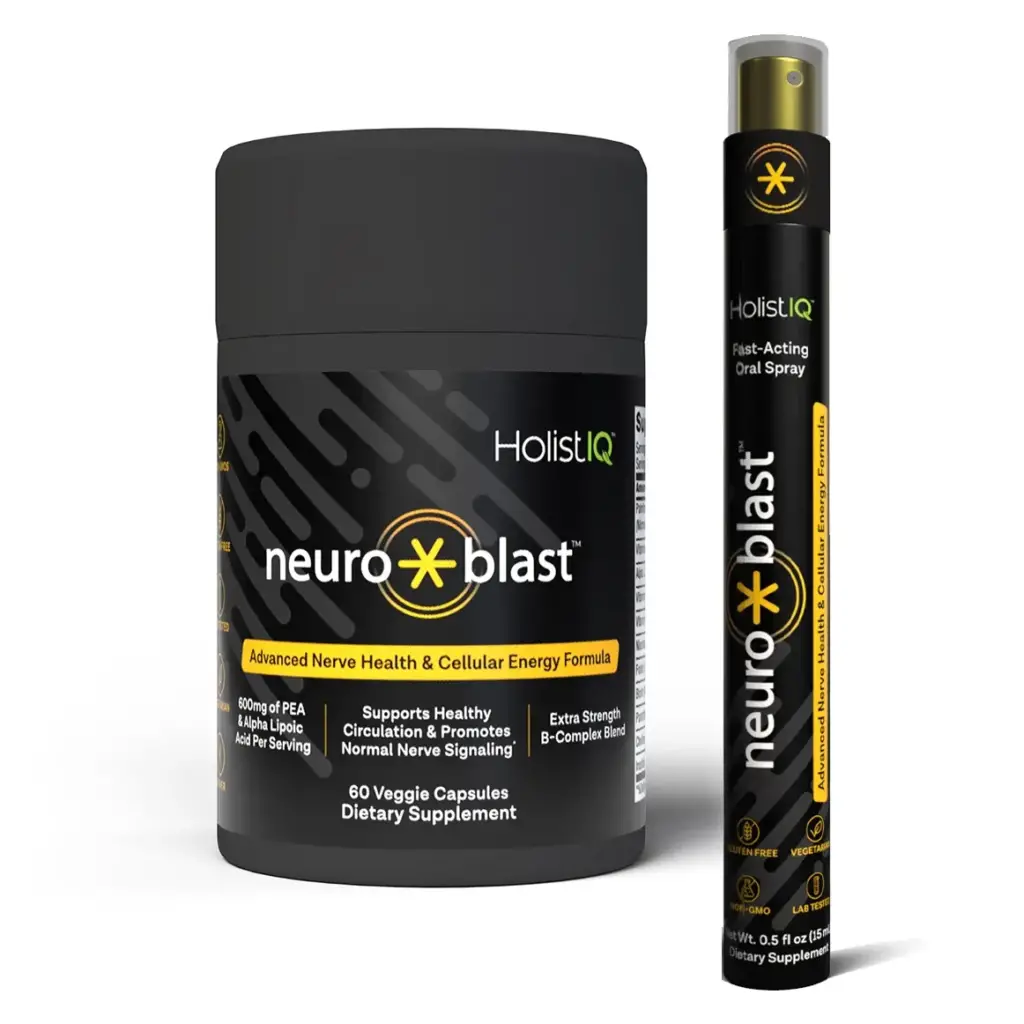
The great thing about exploring these options is that they can complement the other positive changes you’re making. Combining a supportive supplement system like the Neuro-Blast System with therapies that address the structural and functional aspects of your body can create a truly comprehensive approach to nerve health. Many of these natural treatments are designed to work with your body, not against it, helping to create the ideal environment for healing. Let’s look at a few popular and effective natural therapies that might be right for you.
Chiropractic Care and Physical Therapy
If you’ve ever felt like your body is “out of alignment,” chiropractic care might be a great fit. A chiropractor makes gentle adjustments to your spine to relieve pressure on nerves, which can improve how well they send and receive signals. On the other hand, physical therapy is all about movement. A physical therapist will guide you through specific exercises designed to strengthen the muscles around your nerves, improve your flexibility, and help your nerves recover. Both of these therapies are focused on helping you regain mobility and function better in your daily life.
Acupuncture and Mind-Body Practices
Acupuncture is an ancient practice that involves placing very thin needles at specific points on the body. The idea is to stimulate your nervous system and encourage it to release natural pain-relieving chemicals. Many people find it incredibly relaxing and effective for managing nerve discomfort. Similarly, mind-body practices like yoga, tai chi, and meditation can be powerful tools. They help reduce the stress that often makes nerve issues worse, while gentle movements can improve balance and body awareness, making it easier and safer to get around.
Massage and Low-Level Laser Therapy
A good massage does more than just feel nice—it can be a therapeutic tool for nerve support. Massage therapy helps improve blood circulation, which brings vital oxygen and nutrients to your damaged nerves. It can also reduce swelling and ease the aches and pains that come with nerve discomfort. A more high-tech option is Low-Level Laser Therapy (LLLT). This non-invasive treatment uses specific light wavelengths to penetrate the skin and encourage cellular repair right where it’s needed. It’s a promising way to help regenerate nerve tissue while reducing pain and inflammation.
Fuel Your Nerves: The Role of Nutrition
Think of food as the building blocks for your body’s internal repair crew. What you eat can either support your body’s natural healing processes or get in the way. When it comes to nerve health, certain nutrients are absolute superstars, helping to reduce inflammation, protect nerve endings, and support the communication lines that run throughout your body. Making a few thoughtful additions to your diet can be a powerful step toward feeling better.
A well-rounded, nutrient-dense diet is fundamental for managing nerve discomfort and supporting your body’s ability to repair itself. It’s not about a complete overhaul overnight, but rather about consistently giving your nerves the fuel they need to function at their best. Let’s look at a few key players you’ll want to have on your team.
The Power of B Vitamins
B vitamins, especially B6 and B12, are essential for healthy nerve function. They play a crucial role in maintaining the structure of your nerves and ensuring signals are transmitted correctly. When your body has enough of these vitamins, it’s better equipped to handle nerve repair. You can find these powerhouses in leafy greens like spinach and kale. Adding a handful of spinach to a smoothie or a side of sautéed kale to your dinner is an easy way to give your nerves some much-needed support.
Fight Inflammation with Omega-3s
Chronic inflammation can be a major source of nerve irritation and pain. That’s where omega-3 fatty acids come in. Known for their powerful anti-inflammatory properties, omega-3s help calm things down on a cellular level. They are also instrumental in rebuilding the myelin sheath—the protective coating around your nerves that helps signals travel quickly and efficiently. You can find a healthy dose of omega-3s in fatty fish like salmon, mackerel, and sardines. Including these foods that may heal nerve damage in your weekly meal plan can make a significant difference.
Load Up on Antioxidants and Minerals
Antioxidants are like your body’s personal security guards, protecting your cells from damage. For nerves, this protection is vital. Berries—think strawberries, blueberries, and raspberries—are packed with antioxidants and Vitamin C, which helps repair nerve tissue and reduce inflammation. Another fantastic ingredient to add to your routine is turmeric. It contains curcumin, a compound celebrated for its ability to reduce swelling and support nerve regeneration by shielding them from further harm. A sprinkle of turmeric in your soup or tea is a simple, effective habit to adopt.
Get Moving: How Exercise Supports Nerve Repair
When you’re dealing with nerve discomfort, the thought of exercise can feel overwhelming. But gentle, consistent movement is one of the most powerful things you can do to support your body’s natural healing process. Think of it less as a workout and more as a way to wake up your nerves and give them the resources they need to repair themselves.
Exercise works its magic in a few key ways. It increases blood flow, which delivers a fresh supply of oxygen and vital nutrients directly to your damaged nerves. It also helps reduce inflammation, a common source of pain and irritation. Most importantly, physical activity stimulates the release of special growth factors that actively encourage nerve regeneration. The goal isn’t to run a marathon; it’s to find gentle activities you enjoy and can do consistently. Even small steps can lead to significant progress in getting you back to the life you love.
Improve Circulation with Aerobic Exercise
One of the best ways to support nerve repair is to get your heart pumping with some gentle aerobic exercise. When your blood is flowing freely, it acts like a delivery service, bringing everything your nerves need to heal right to their doorstep. This improved circulation is essential for clearing out waste products and reducing inflammation around the nerve cells.
You don’t need to engage in high-intensity workouts to see benefits. Activities like brisk walking, swimming, water aerobics, or riding a stationary bike are fantastic low-impact options. Research shows that consistent aerobic activity, like using a treadmill, can promote significant recovery even after serious nerve damage. The key is to start slowly, listen to your body, and aim for consistency. A short walk each day is far more beneficial than one strenuous workout a week.
Enhance Your Balance and Body Awareness
Nerve damage can sometimes throw off your body’s internal GPS, a sense called proprioception. This is your ability to know where your body parts are without looking at them. When this sense is weakened, you might feel unsteady on your feet, which can make walking feel precarious. The good news is that you can retrain this system with specific balance and awareness exercises.
Practices like Tai Chi and yoga are excellent for this because they involve slow, deliberate movements that challenge your balance in a safe, controlled way. You can also try simple exercises at home, like standing on one foot while holding onto a chair for support. Using tools like balance pads can also help. These activities help re-establish the connection between your brain and your body, improving stability and building confidence with every step. A deeper look into exercise and nerve regeneration shows just how effective these practices can be.
Build Strength and Increase Flexibility
Strengthening the muscles that support your affected nerves can make a world of difference. Strong muscles act like a natural brace, reducing strain on sensitive areas and improving your overall stability. At the same time, focusing on flexibility helps keep your muscles and joints limber, which can ease the stiffness and tightness that often accompany nerve discomfort.
You can build strength with simple bodyweight exercises, like sit-to-stands from a sturdy chair, or by using light resistance bands. For flexibility, incorporate gentle daily stretches, holding each for 20-30 seconds without bouncing. This powerful combination of physical movement and biochemical signals is critical for accelerating healing and helping to restore motor function. By making your muscles both stronger and more pliable, you provide a healthier, more supportive environment for your nerves to heal.
Can Supplements Help Speed Up Recovery?
When you’re focused on nerve repair, a healthy diet is your foundation. But let’s be honest, getting all the specific nutrients your nerves crave from food alone can be a challenge. This is where targeted supplements can play a powerful supporting role. Think of them as giving your body a concentrated dose of the essential building blocks it needs to carry out its natural repair processes. The right combination of vitamins, antioxidants, and amino acids can help protect nerve cells from further damage, support energy production within the nerves, and promote regeneration. These nutrients work together to reduce inflammation and combat oxidative stress, two major culprits that can hinder your body’s ability to heal.
While no supplement is a magic bullet, incorporating them into your routine can help create an optimal environment for recovery. It’s about providing your nervous system with the specific tools it needs to do its job more effectively. This approach focuses on addressing discomfort at a cellular level, which is key for long-term support and getting you moving again. By understanding how it works, you can make informed choices that align with your body’s recovery goals. A well-formulated supplement system can be a game-changer, complementing your diet and lifestyle changes to help you feel your best.
Essential Supplements for Nerve Health
Certain nutrients are superstars when it comes to nerve health. A great place to start is with B vitamins, especially B1, B6, and B12, which are vital for proper nerve signaling. Another key player is Alpha Lipoic Acid, a powerful antioxidant that helps protect nerve cells from oxidative stress and can reduce pain. Acetyl-L-Carnitine is also known for its ability to enhance nerve regeneration by supporting energy production. Finally, Ubiquinone (CoQ10) is an antioxidant that supports mitochondrial function in nerve cells, which is crucial for their repair and overall function.
How to Choose a High-Quality Supplement
Walking down the supplement aisle can feel overwhelming, but a few simple guidelines can help you choose wisely. First, look for ingredient transparency. The label should clearly list all ingredients and their amounts, ideally in clinically studied dosages. Next, check for third-party testing, which means an independent lab has verified the product’s purity and potency. Stick with reputable brands that have positive customer reviews and a clear commitment to quality. Finally, read the “other ingredients” list and avoid products with unnecessary fillers, artificial colors, and preservatives. Your goal is to find a clean, effective formula that gives your body exactly what it needs to thrive.
Simple Lifestyle Changes for Better Nerve Health
Supporting your body’s natural nerve repair process doesn’t always require a complete life overhaul. Sometimes, the most significant improvements come from small, consistent adjustments to your daily routine. Think of these lifestyle changes as the foundation upon which all other efforts—like nutrition, exercise, and supplements—are built. By creating an environment that fosters healing, you give your body the best possible chance to recover and thrive. Focusing on high-quality sleep and reducing your exposure to stress and toxins are two of the most powerful changes you can make to support your nerve health from the inside out.
Prioritize Sleep for Nerve Recovery
Sleep is your body’s dedicated time for repair. While you rest, your system is hard at work mending tissues, consolidating memories, and restoring balance. For your nerves, this is a critical period of recovery. Quality sleep allows your body to reduce inflammation and carry out the intricate processes needed to repair nerve cells. To make the most of this natural healing cycle, try to establish a consistent sleep schedule, even on weekends. Creating a relaxing bedtime routine—like reading a book or taking a warm bath—can signal to your body that it’s time to wind down and prepare for a night of deep, restorative rest.
Manage Stress and Avoid Toxins
Chronic stress and environmental toxins can create major roadblocks on your path to recovery. Stress keeps your body in a constant state of high alert, which can increase inflammation and interfere with healing. Simple stress-management techniques like deep breathing, gentle walks in nature, or spending time on a favorite hobby can make a real difference. At the same time, reducing your exposure to toxins found in things like cigarette smoke and excessive alcohol can lighten the load on your system. Staying well-hydrated is also key, as water helps your body flush out waste and supports the effective transmission of nerve signals.
What to Expect: The Nerve Repair Timeline
One of the first questions on everyone’s mind is, “How long will this take?” It’s completely understandable to want a clear finish line. The truth is, nerve repair is a marathon, not a sprint, and the timeline is unique to each person. Your body has an incredible capacity to heal, but it does so on its own schedule.
The journey to feeling better involves a combination of patience, consistency, and the right support. While there’s no magic number, understanding the factors that influence recovery can help you set realistic expectations and celebrate the small victories along the way. Let’s walk through what the process can look like.
What Affects Your Recovery Time?
Several factors influence how quickly your nerves can recover. Your age, overall health, and the severity of the nerve damage all play a part. Healthy nerves can regenerate, but it’s a slow and steady process. Research shows that nerves grow back at a rate of about one millimeter per day, or roughly one inch per month. For older adults, this rate can be a bit slower. If your nerves are irritated but not completely severed, the healing process might take anywhere from six to twelve months. The key is to create an environment that supports this natural regeneration.
Patience and Progress: Setting Realistic Goals
Since natural therapies work by supporting your body’s own healing mechanisms, they don’t offer an overnight fix. It often takes four to eight weeks of consistent use to notice tangible changes. This is because you’re addressing the root cause, not just masking symptoms. Movement is also a huge piece of the puzzle. Gentle exercise helps retrain new nerve pathways and keep your muscles strong. As you incorporate supportive habits and a system like the Neuro-Blast System, focus on gradual progress. Maybe you can stand a little longer or walk a bit farther this week. These small improvements are signs that you’re on the right track.
Related Articles
- 15 Natural Alternatives for Nerve Pain Relief
- 15 Natural Remedies for Neuropathy Discomfort
- 12 Home Remedies for Neuropathy in Legs and Feet
Frequently Asked Questions
Is nerve damage reversible? Your body has an amazing capacity to repair itself, and that includes your nerves. While the process isn’t an overnight fix, nerve cells can regenerate. The key is to create the right environment for that healing to happen. By consistently providing your body with the right nutrients, gentle movement, and overall support, you give those nerves the best possible chance to rebuild and improve their function over time.
Why do my hands and feet tingle so much? Think of your nerves as long communication wires. The signals traveling to your hands and feet have the longest journey to make from your brain and spinal cord. When there’s damage or interference along that line, those are the areas where the messages are most likely to get scrambled first, resulting in that common “pins and needles” sensation.
I’m in a lot of pain. Won’t exercise make it worse? That’s a completely valid concern. The idea isn’t to push through pain but to introduce gentle, consistent movement. Activities like walking or swimming increase blood flow, which delivers oxygen and nutrients that your nerves need to heal. Starting slowly and listening to your body is crucial. Even a five-minute walk can begin the process of waking up your nerves and strengthening the muscles that support them.
With so many suggestions, where should I even start? It can feel like a lot, so the best approach is to start small. First, always discuss any new plan with your doctor. After that, pick just one or two simple things to focus on. You could start by adding a short, daily walk to your routine and making one nutritional change, like eating fatty fish twice a week. Small, consistent habits are what build momentum and lead to lasting results.
How long should I try these natural approaches before I know if they’re working? Because you’re supporting your body’s deep, cellular repair process rather than just masking symptoms, it takes time to notice a difference. Many people begin to feel gradual improvements after four to eight weeks of consistent effort. Look for small signs of progress, like better balance, less intense sensations, or being able to stand or walk for a little longer than before. These are the signals that you’re on the right path.