
That frustrating “pins and needles” feeling in your hands and feet can be a confusing and persistent problem. You might assume it’s poor circulation or a pinched nerve, but the cause could be hiding in your medicine cabinet. Many of us reach for supplements to improve our health, but we rarely consider the potential downsides of overdoing it. The question of can too much vitamins cause tingling is one that everyone taking supplements should ask. When certain vitamins, particularly B6, build up in your system, they can become toxic to your nerve cells, leading to the very symptoms you might be trying to prevent. This guide will help you understand this connection and protect your nerve health.
Key Takeaways
- Supplements Are the Usual Suspects: Nerve tingling from vitamins is almost always caused by high-dose supplements, particularly Vitamin B6. At the same time, a deficiency in other vitamins like B12 can cause similar symptoms, highlighting the need for balance rather than megadoses.
- Get Your Vitamins from Your Plate: The safest and most effective way to nourish your nerves is through a balanced diet. It’s nearly impossible to reach toxic vitamin levels from food, which provides nutrients in a way your body can easily manage.
- Listen to Your Body and Act Quickly: If you’re taking supplements and notice new tingling or numbness, don’t wait. Stop taking the supplement immediately and schedule an appointment with your doctor to get a clear diagnosis and prevent further irritation.
Which Vitamins Cause Tingling in High Doses?
It’s a strange thought, but you can absolutely have too much of a good thing—especially when it comes to vitamins. We often think of them as purely beneficial, a simple way to support our health. But when we take high-dose supplements without medical guidance, we can unintentionally cross a line. The body is a finely tuned system, and flooding it with an excessive amount of a single nutrient can throw that system out of balance. One of the most surprising and concerning side effects of this is nerve-related tingling, numbness, or that frustrating “pins and needles” feeling, which often shows up in the hands and feet.
This happens because certain vitamins, when present in extremely high concentrations, can become toxic to our nerve cells. Instead of supporting nerve function, they begin to interfere with it, leading to the very symptoms you might be trying to prevent. This is a condition known as peripheral neuropathy, and it’s a serious consequence of over-supplementation. Understanding which vitamins carry this risk is the first step toward protecting your nerve health and making sure your wellness routine is helping, not hurting. Below, we’ll look at the main culprits and how they can affect your body.
Vitamin B6 (Pyridoxine): The Main Offender
Of all the vitamins, B6 is the one most directly linked to causing tingling and nerve issues when taken in high doses. While Vitamin B6 is crucial for a healthy nervous system, an overload from supplements can cause it to build up in your blood. This excess can lead to direct nerve damage, a condition called peripheral neuropathy. The symptoms often start subtly but can progress to persistent tingling, burning sensations, numbness, and even muscle weakness, usually in your hands and feet. It’s a clear example of how more isn’t always better, and why sticking to recommended amounts is so important for keeping your nerves safe.
Vitamin B3 (Niacin): The Risks of Too Much
While it’s not typically the cause of nerve-specific tingling like Vitamin B6, taking too much Vitamin B3 (niacin) can create its own set of uncomfortable side effects. The most common reaction is the “niacin flush,” which can make your skin turn red, feel warm, and become very itchy. Beyond that, high doses can also bring on headaches, dizziness, and an upset stomach. These symptoms are your body’s way of signaling that it has too much niacin to handle. While different from the nerve damage caused by B6, it’s another important reminder that every vitamin has a limit.
Vitamin E: A Fat-Soluble Vitamin to Watch
Vitamin E is a fat-soluble vitamin, which means that unlike water-soluble vitamins (like the B vitamins), your body doesn’t easily flush out any excess. Instead, it stores extra Vitamin E in your liver and fat tissues. This makes it possible for toxic levels to build up over time if you’re consistently taking high-dose supplements. While Vitamin E toxicity doesn’t usually cause tingling, it can lead to other issues like nausea, headaches, fatigue, and problems with blood clotting. Because it can accumulate in your system, it’s wise to be mindful of your intake to avoid a gradual buildup that could impact your health.
Other Vitamins That Can Affect Your Nerves
The relationship between vitamins and your nerves is all about finding the right balance. As we’ve seen, an excess of Vitamin B6 is a primary cause of supplement-induced tingling. However, it’s just as important to know that a deficiency in certain vitamins can be equally harmful. For instance, low levels of Vitamin B12 are a well-known cause of nerve damage and tingling sensations. Similarly, a lack of Vitamin D can contribute to a range of neurological issues. Your nervous system needs a precise amount of these key nutrients to function at its best, helping you feel good and get moving again.
How Can Too Many Vitamins Damage Your Nerves?
It’s natural to think that if some vitamins are good for you, more must be better. But when it comes to your nerve health, that’s not always the case. Certain vitamins, when taken in very high doses from supplements, can go from helpful to harmful. Instead of supporting your nervous system, they can overwhelm it and lead to the very symptoms you’re trying to avoid, like tingling and numbness. Understanding how this happens is the first step toward finding the right balance for your body and supporting your nerves in a safe, effective way.
What Happens Inside Your Body
When you take a supplement, your body gets to work absorbing the nutrients. But if you introduce an excessive amount of a specific vitamin, like B6, your system can’t process it all properly. The surplus builds up in your bloodstream and can become toxic to your nerve cells. This overload can directly cause nerve damage, particularly to the protective sheath that covers your nerves. When this sheath is damaged, the signals your nerves send and receive get scrambled, leading to uncomfortable sensations like tingling, pain, or numbness, often starting in your hands and feet.
Fat-Soluble vs. Water-Soluble: Why It Matters
Vitamins fall into two categories: fat-soluble and water-soluble. Your body stores fat-soluble vitamins (A, D, E, and K) in your fatty tissues, so they can build up to toxic levels over time. Water-soluble vitamins, like the B-complex family, are different—your body typically flushes out any excess through urine. However, some water-soluble vitamins can still cause harm in extremely high doses. Vitamin B6 is a prime example. While your body needs it, getting too much from B6 supplements can overwhelm your system faster than it can be cleared, leading to nerve-related side effects. It’s almost always supplementation, not food, that causes this issue.
What Is Vitamin-Induced Peripheral Neuropathy?
When high doses of a vitamin, most commonly B6, cause nerve damage, it can lead to a condition called peripheral neuropathy. This means the nerves outside of your brain and spinal cord—your peripheral nerves—are affected. These are the nerves that control sensation and movement in your limbs. An excess of B6 can directly harm these nerves, causing symptoms like tingling, burning, numbness, and a “pins and needles” feeling. In more serious cases, it can progress to muscle weakness and a loss of reflexes. This specific type of peripheral sensory neuropathy, as it primarily impacts the nerves responsible for sensation in your hands and feet.
What Are the Symptoms of Nerve-Related Vitamin Toxicity?
When you’ve taken too much of a certain vitamin, your body has ways of sending you signals that something isn’t right. The challenge is that these symptoms can be subtle at first and are often mistaken for other issues. Understanding what to look for is the first step in protecting your nerve health. The signs of vitamin toxicity often manifest as new or worsening nerve-related sensations, which can be confusing if you’re already dealing with neuropathy. Paying close attention to how your body feels, especially after starting a new high-dose supplement, can help you catch potential problems before they become more serious.
Spotting the Early Warning Signs
The first clues of nerve-related vitamin toxicity often appear as strange sensations in your body. Common signs of nerve irritation from too much vitamin B6 can include tingling, burning, or a feeling of numbness. You might also experience classic “pins and needles” feelings, which can be quite unsettling. Some people also report muscle weakness or even a loss of reflexes. These symptoms are your nervous system’s way of telling you it’s overwhelmed. It’s important to listen to these early signals and not dismiss them as just a part of getting older or a flare-up of existing conditions.
How Symptoms Progress in Your Hands and Feet
If the vitamin toxicity continues, these initial symptoms don’t usually stay in one place. The sensations of tingling and numbness often start in your fingers and toes and can gradually spread up your limbs. This progression is a key indicator that the issue might be systemic, like a vitamin overload, rather than a localized problem like a pinched nerve. Think of it as a wave moving inward from your extremities. This pattern happens because the longest nerve fibers—the ones that reach your hands and feet—are often the most vulnerable to damage.
The “Stocking-Glove” Sensation Explained
As symptoms advance, they can develop into a distinct pattern that doctors call “stocking-glove” neuropathy. This name perfectly describes the feeling: the numbness, tingling, and weakness primarily affect the areas of your body that would be covered by stockings and gloves. According to research on vitamin B6 toxicity, this is a hallmark symptom. It’s a clear sign that the peripheral nerves in your hands and feet are being affected. Visualizing this pattern can help you more accurately describe your symptoms to a healthcare professional, leading to a faster and more accurate diagnosis.
When to See a Doctor Immediately
This is the most important takeaway: if you are taking supplements, especially high-dose B6, and you start to notice any of these nerve-related symptoms, you need to act. The first step is to stop taking the supplement immediately. The second, and most critical, step is to see your doctor. Don’t wait to see if the symptoms go away on their own. Getting a prompt medical evaluation is essential to confirm the cause of your symptoms and create a plan to prevent any further nerve damage. Your doctor can run tests to check your vitamin levels and guide you on the path to recovery.
How Much Is Too Much? Safe Daily Vitamin Limits
When you’re trying to support your nerve health, it’s easy to think that more vitamins must be better. But your body works in a delicate balance, and it’s possible to get too much of a good thing, especially when it comes to supplements. Overloading on certain vitamins can unfortunately lead to the very symptoms you’re trying to solve, like tingling and numbness.
The key is to understand your limits. Health organizations have established specific guidelines to help you stay safe and avoid toxicity. These guidelines are known as Tolerable Upper Intake Levels (ULs), and they represent the maximum daily amount of a nutrient you can take without risking adverse health effects. Knowing these numbers is one of the most powerful things you can do to protect your nerves while still giving your body the support it needs. Let’s walk through the specific limits for the vitamins most commonly linked to nerve-related issues.
Know Your Tolerable Upper Intake Levels (ULs)
Think of a Tolerable Upper Intake Level, or UL, as a safety ceiling for your daily vitamin intake. It’s not a recommended dose, but rather the highest level of daily consumption that is considered safe for nearly everyone. These limits are set by scientific bodies like the National Academy of Medicine and are based on extensive research. They are especially important to pay attention to when you’re taking supplements, as it’s much easier to exceed these levels with concentrated doses than it is through food alone. Staying below the UL helps ensure you get the benefits of a vitamin without crossing into potentially harmful territory.
Vitamin B6: The 50 mg Daily Limit
When it comes to vitamin-induced tingling, Vitamin B6 is the most common nutrient to watch. While the official Tolerable Upper Intake Level in the United States is 100 mg per day, many experts recommend a more conservative limit. Adverse effects like neuropathy have been reported at doses above 50 mg per day. To be even safer, the European Food Safety Authority (EFSA) suggests a much lower UL of just 12 mg per day. It’s important to remember that these risks are almost exclusively linked to high-dose supplements, not the B6 you get naturally from eating foods like chicken, fish, and potatoes.
Niacin (B3): The 35 mg Daily Limit
For adults, the safe upper limit for niacin is 35 mg per day from supplements. Going above this amount can cause a well-known side effect called the “niacin flush,” where your skin becomes red, warm, and itchy. This reaction happens because high doses of niacin cause the small blood vessels in your skin to dilate. For some people, this intense flushing can also be accompanied by a tingling or prickling sensation. While it’s usually temporary and not dangerous, it’s a clear sign that you’ve taken too much. Sticking to the recommended daily amounts will help you avoid this uncomfortable side effect.
Vitamin E: The 1,000 mg Daily Limit
The Tolerable Upper Intake Level for Vitamin E is set at 1,000 mg per day for adults. While this limit is quite high, exceeding it can lead to different kinds of problems. Unlike B vitamins, which can directly impact nerve tissue in high doses, too much Vitamin E can interfere with blood clotting. This can increase your risk of bleeding, especially if you are also taking blood-thinning medications. While it may not directly cause tingling, any condition that affects your circulation can indirectly impact your nerve health. It’s another reminder that maintaining the right balance is crucial for your overall well-being.
Can Too Little of a Vitamin Also Cause Tingling?
It’s a bit of a paradox, isn’t it? While taking too much of certain vitamins can lead to tingling and nerve issues, not getting enough can cause the exact same symptoms. Your body’s nervous system is incredibly sensitive and relies on a precise balance of nutrients to function correctly. When that balance is thrown off—either by too much or too little of a key vitamin—your nerves are often the first to send out a warning signal, which can show up as that frustrating pins-and-needles sensation. It’s all about finding the right amount to keep your nerves happy and healthy.
The Fine Line Between Too Little and Too Much
Think of your vitamin intake like a scale that needs to be perfectly balanced. On one side, you have toxicity from over-supplementing, and on the other, you have a deficiency from not getting enough. Both extremes can disrupt your nerve function. The key thing to remember is that vitamin toxicity almost always comes from high-dose supplements, not from the food you eat. It’s very difficult to get a harmful amount of B6 from chicken or bananas, for example. A deficiency, however, can easily happen if your diet is lacking or if your body has trouble absorbing certain nutrients. This is why focusing on a nutrient-rich diet is your safest bet for giving your body exactly what it needs—no more, no less.
Vitamin B12 Deficiency and Your Nerves
Vitamin B12 is a powerhouse for your nervous system. It plays a critical role in creating and maintaining the health of nerve cells, specifically the protective myelin sheath that covers them. You can think of myelin as the insulation around an electrical wire; without it, signals get crossed, slowed, or stopped altogether. A B12 deficiency can cause this sheath to break down, leading to neurological problems like numbness and tingling in your hands and feet. This is especially common in older adults and individuals who follow a plant-based diet, as B12 is primarily found in animal products. If you’re experiencing these symptoms, it’s worth checking in with your doctor about your B12 levels.
How a Lack of Vitamin D Affects You
We often hear about Vitamin D in relation to strong bones, but it’s also incredibly important for your brain and nerve health. When your levels are low, it can contribute to a range of neurological symptoms, including that familiar tingling in your limbs, mood changes, and persistent fatigue. Since our primary source of Vitamin D is sunlight, deficiency is quite common, particularly for those who live in colder climates or spend a lot of time indoors. While some foods like fatty fish and fortified milk contain Vitamin D, it can be challenging to get enough from diet alone. A simple blood test can tell you if a lack of this “sunshine vitamin” could be contributing to your nerve discomfort.
Find Your Body’s Perfect Balance
So, how do you stay in that nutritional sweet spot? The most reliable and safest strategy is to prioritize whole foods. The best way to get the daily vitamins you need is to eat a balanced diet that includes a wide variety of fruits, vegetables, lean proteins, legumes, and whole grains. Eating a colorful plate ensures you’re getting a spectrum of nutrients that work together to support your overall health, including your nervous system. This food-first approach helps you avoid the risks of over-supplementing while naturally correcting potential deficiencies. It’s a simple, effective way to give your body the tools it needs to function at its best and support your nerves from the inside out.
Where Can You Get Vitamins Safely from Food?
Focusing on your diet is one of the most effective ways to get the nutrients your body needs without the risk of overdoing it with supplements. When you eat whole foods, you’re getting vitamins packaged with fiber, enzymes, and other micronutrients that help your body absorb and use them correctly. This natural synergy is hard to replicate in a pill and is the foundation for building strong nerve health.
Get Your B Vitamins from Poultry, Fish, and Lean Protein
Lean proteins are fantastic sources of B vitamins, especially the B6 your nerves rely on. Adding more chicken, turkey, and fish like salmon to your weekly meals is a great strategy. These foods provide high-quality protein and are rich in B vitamins that support your nervous system. The Mayo Clinic confirms that food sources of vitamin B-6 include poultry and fish, making them an easy and delicious way to meet your daily needs. A simple baked salmon with roasted vegetables can be a great step toward nourishing your nerves.
Find Natural B6 in Potatoes and Non-Citrus Fruits
You don’t have to rely on animal products for your B6, as many plant-based foods are packed with this essential vitamin. Potatoes and other starchy vegetables are some of the major sources of this vitamin, along with chickpeas and bananas. Adding a baked potato to your dinner, tossing chickpeas into a salad, or grabbing a banana for a snack are simple ways to get more B6 naturally. This variety ensures you’re getting a wide range of other nutrients that work together to keep your body healthy.
Balance Your Nutrition with Nuts, Seeds, and Grains
A well-rounded diet is about more than just one vitamin. For comprehensive nerve support, include a variety of nutrient-dense foods. Whole grains like oats and brown rice, legumes like beans and lentils, and leafy green vegetables are all excellent choices. These foods provide a spectrum of B vitamins, magnesium, and antioxidants that protect your cells from damage. Sprinkling sunflower seeds on your salad or starting your day with oatmeal are easy habits that contribute to a balanced intake of essential nutrients for your entire body.
Why Whole Foods Are the Safest Source
Ultimately, the best way to get your daily vitamins is through a diet full of whole foods. Your body is designed to process nutrients from food, where they exist in harmony with other compounds that aid absorption. A supplement often provides a single, highly concentrated nutrient in isolation, which can lead to problems. A balanced diet with a wide variety of fruits, vegetables, whole grains, and lean proteins is the safest and most reliable strategy for long-term health.
How to Prevent Vitamin-Related Nerve Damage
Taking control of your nerve health means being mindful of what you put into your body, especially when it comes to supplements. While vitamins are essential, getting the dosage wrong can unfortunately lead to the very symptoms you’re trying to avoid. The good news is that preventing vitamin-related nerve damage is entirely possible with a bit of knowledge and a few proactive habits. It’s not about avoiding vitamins altogether, but about creating a smart, safe, and effective routine.
Let’s walk through some simple, actionable steps you can take to protect your nerves while still giving your body the nutrients it needs. By being intentional with your supplements, you can avoid the pitfalls of overconsumption and focus on supporting your nervous system for the long haul. Think of this as your personal safety checklist for supplementation—a guide to help you feel confident in the choices you make for your health.
Supplement Safely with Proper Dosing
When it comes to vitamins, more isn’t always better. This is especially true for Vitamin B6, where high doses can lead to nerve damage. According to health experts, signs of B6 toxicity often include the familiar and frustrating symptoms of tingling, burning, numbness, and muscle weakness. To stay safe, it’s crucial to stick to the recommended daily amounts unless your doctor has specifically advised you otherwise. Treating your supplement routine with this level of care ensures you’re helping your body, not accidentally harming it. You can find more information on Vitamin B6 toxicity from trusted health sources.
Always Read the Supplement Label
Think of yourself as a detective when you’re looking at your supplements. Vitamin B6 can be a hidden ingredient in products you might not expect, like multivitamins, sports drinks, or even other mineral supplements like magnesium and zinc. Make it a habit to read every label carefully to see exactly what’s inside. This simple step helps you keep a running total of your daily intake from all sources, preventing you from unintentionally consuming too much. Being aware of what’s in each bottle is the first line of defense against accidental over-supplementation.
Avoid Risky Supplement Combinations
It’s easy to create a risky situation by “stacking” multiple supplements without realizing you’re doubling or tripling up on certain vitamins. Everyone’s body is different, and some people are more sensitive to high doses than others. Your body might process vitamins in a unique way, making you more susceptible to toxicity even at levels that are generally considered safe. To avoid this, try to simplify your routine. Instead of taking many individual supplements, consider a well-formulated system or focus on getting your nutrients from whole foods to prevent overloading your system.
Talk to Your Doctor for Personalized Advice
Your healthcare provider is your best resource for creating a supplement plan that’s right for you. They can assess your individual needs, check your vitamin levels with a blood test, and offer personalized recommendations. If you’re taking B6 and start to notice any new tingling, numbness, or trouble with your balance, stop taking it and schedule a visit with your doctor right away. A professional can help you understand what’s happening and guide you safely. This partnership is a cornerstone of a responsible health plan, which is why our team at Neuro-Blast is doctor-led and committed to science-backed support.
What to Do if You Suspect Vitamin-Induced Tingling
If you’re experiencing unusual tingling and think your supplements might be the cause, it’s completely normal to feel concerned. The good news is that you can take clear, immediate steps to address the issue. Acting quickly is key to preventing further problems and starting on the path to feeling better. Don’t try to push through the symptoms or hope they’ll disappear on their own. Instead, think of this as a moment to listen to what your body is telling you and respond with care.
Your first priority is to remove the potential cause, and then get a professional opinion to understand what’s happening. From there, you can focus on recovery and giving your nervous system the support it needs to heal. We’ll walk through each step, so you know exactly what to do.
Step 1: Stop Taking the Supplement
The very first thing you should do is stop taking the supplement you suspect is causing the tingling. This is especially critical if you’re taking high doses of vitamin B6. Continuing to take a supplement that your body can’t handle can make nerve-related symptoms worse. Think of it like turning off a leaky faucet before you start cleaning up the water. By stopping the supplement, you remove the source of the problem, which is the most important step toward preventing any further irritation to your nerves. Don’t wait—make this your immediate first action.
Step 2: Get a Medical Evaluation
After you’ve stopped the supplement, your next call should be to your doctor. Self-diagnosing is never a good idea, as tingling can be a symptom of many different conditions. A medical professional can run tests to confirm if vitamin toxicity is the culprit and rule out other possibilities. They can also assess the extent of any nerve irritation and give you a clear, personalized plan for moving forward. This professional medical evaluation is non-negotiable for ensuring you get the right diagnosis and care for your specific situation.
Understand the Recovery Process
It’s important to have realistic expectations about healing. There isn’t a specific medicine to reverse vitamin B6 toxicity; the main treatment is simply to stop taking the supplement and let your body recover. For many people, symptoms slowly improve over months or even years. The nerves need time to repair themselves, and this process can’t be rushed. Be patient with your body and focus on creating a healthy environment that supports this natural healing. Consistency and patience are your best allies during this time.
How to Support Your Nerves as You Heal
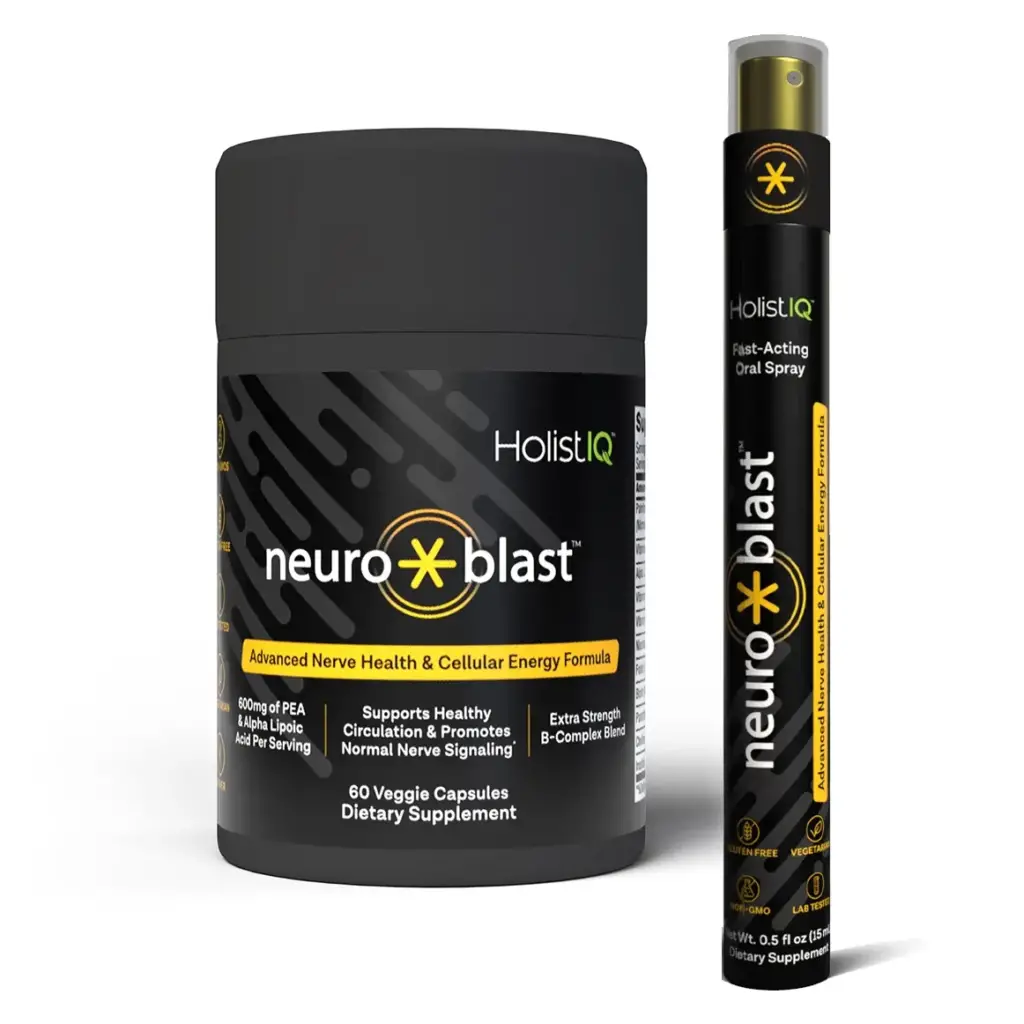
As your body recovers, focus on nourishing it with whole foods. You can get all the B vitamins you need from a balanced diet that includes poultry, fish, nuts, and bananas, which won’t cause toxicity. This is also the perfect time to give your nervous system extra support. The Neuro-Blast system is designed to work at the cellular level, providing targeted support for nerve health from the inside out. By combining a nutrient-rich diet with a system engineered to address the root causes of nerve discomfort, you can create a powerful plan for long-term health and get back to moving with confidence.
Support Healthy Nerves with the Right Nutrition
When you’re dealing with nerve discomfort, it’s natural to look for solutions that can help you feel better quickly. Nutrition plays a huge role in the health of your nervous system, but it’s all about finding the right balance. More isn’t always better, especially when it comes to supplements. Instead of overloading your system, the goal is to provide steady, sustainable support that allows your body to function at its best. By focusing on a well-rounded diet and smart, targeted support, you can give your nerves the building blocks they need to thrive without the risks that come from overdoing it. This approach helps your body on a cellular level, creating a foundation for lasting comfort and health.
The Power of Balanced Vitamins for Nerve Health
The best way to fuel your body is through whole foods. For most people, a balanced diet provides all the vitamin B6 your nerves need without any risk of toxicity. You can find this essential nutrient in everyday foods like chicken, fish, potatoes, chickpeas, and bananas. When you get your vitamins from your plate, your body can absorb and use them as needed, naturally discarding any excess. This built-in safety mechanism is why you don’t hear about people getting nerve damage from eating too many bananas. Relying on food first is a simple, effective strategy to ensure your nerves get consistent support without accidentally crossing into dangerous territory.
Address the Root Cause, Not Just the Symptoms
If you’re experiencing tingling from too much vitamin B6, the first step is to stop taking the supplement. While this removes the source of the problem, the healing process can be slow. Nerve damage, or peripheral sensory neuropathy, can take months or even years to improve, and sometimes the effects can be long-lasting. This is why it’s so important to focus on addressing the root cause of nerve irritation rather than just managing the symptoms. By supporting your body’s natural repair processes, you can work toward genuine, long-term relief. The goal is to help your nervous system rebuild and function properly, allowing you to get back to your life with confidence.
Create a Long-Term Plan for Your Nerve Health
Building a sustainable plan for your nerve health starts with awareness. It’s crucial to understand that your daily diet likely covers your vitamin needs and to recognize the risks of high-dose supplements. For vitamin B6, the recommended upper limit for adults is 50 milligrams per day—a number that many supplements far exceed. Always check labels and talk with your doctor before adding any new supplement to your routine. A long-term strategy should prioritize a nutrient-rich diet and include a support system, like the Neuro-Blast System, designed to work with your body to promote nerve health from the inside out.
Related Articles
Frequently Asked Questions
Is it possible to get a toxic amount of Vitamin B6 just from the food I eat? It’s practically impossible to reach a toxic level of Vitamin B6 from your diet alone. Your body is incredibly smart at processing and using nutrients from whole foods like chicken, fish, and potatoes. The risk of nerve-related side effects comes almost exclusively from high-dose supplements, which provide a concentrated amount of the vitamin that can overwhelm your system. So, you can continue to enjoy B6-rich foods without any worry.
I stopped taking my high-dose B6 supplement. How long will it take for the tingling to go away? Nerve recovery is a gradual process, and the timeline is different for everyone. Once you remove the source of the irritation by stopping the supplement, your body can begin to heal. For many people, symptoms slowly improve over several months, but it’s important to be patient. The key is to focus on supporting your body with a healthy lifestyle and giving your nerves the time they need to repair themselves.
My multivitamin contains Vitamin B6. Should I stop taking it to be safe? Most standard multivitamins contain a safe and appropriate amount of Vitamin B6 that is well below the upper limit. The issue arises when you combine a multivitamin with other individual supplements that also contain B6, leading to an unintentionally high total dose. The best course of action is to read the labels on everything you take and discuss your full supplement routine with your doctor to ensure your total daily intake is in a safe range.
How can I tell if my tingling is from too much of a vitamin or not enough? The symptoms of vitamin toxicity and deficiency can feel frustratingly similar. The only way to know for sure what’s causing your tingling is to see your doctor. They can review your diet and supplement use, and they may order a blood test to check your vitamin levels. This will give you a clear answer and help you create a plan to get your body back in balance.
If I can’t rely on high-dose B6, what’s a safe way to support my nerve health? The safest and most effective strategy starts with a balanced diet full of nutrient-rich whole foods. Beyond that, you can look for a comprehensive support system that nourishes your nerves without overloading them. The Neuro-Blast system, for example, is designed to work on a cellular level to address the root causes of nerve discomfort, providing targeted support that complements a healthy lifestyle rather than creating an imbalance.