
Let’s be honest: if you’re living with chronic discomfort, you’ve likely tried countless supplements that promised the world and delivered very little. It’s easy to become skeptical. PEA is different, but not because it’s some magic pill. It’s different because it supports a system your body already has in place to manage pain signals at their source. It works on a deep, cellular level to calm irritated nerves. The crucial factor, however, is finding a high-quality product your body can actually use. Many supplements fail on this point. This article is for the smart, discerning consumer. We’ll cut through the hype and give you the facts on what truly makes the best pea supplement for pain effective, so you can invest in something that has a real chance of helping.
Key Takeaways
- Work with your body, not against it: PEA is a natural compound your body already produces to manage discomfort. Supplementing with it supports your internal systems to calm overactive nerves at the source, making it a gentle yet effective approach to pain relief.
- Prioritize absorption for real results: Standard PEA is hard for your body to use. Look for “micronized” or “ultramicronized” forms on the label, as these smaller particles are much easier to absorb and are proven to be more effective.
- Stay consistent for long-term relief: PEA is not an instant fix; it needs time to build up in your system. Take it daily for at least four weeks to accurately gauge its benefits, and start with a dose between 300-600mg.
What is PEA and How Does It Relieve Pain?
If you’re looking for effective pain relief, you may have come across an ingredient called PEA. PEA, short for Palmitoylethanolamide, isn’t a synthetic chemical cooked up in a lab. It’s a fatty acid amide that your own body produces to help manage pain and inflammation. It’s also found naturally in foods like egg yolks and soybeans. Think of it as one of your body’s built-in peacemakers, working to calm things down when your nerves are sending out distress signals.
The reason PEA is getting so much attention is because of how it interacts with our internal systems. It works with your body’s endocannabinoid system—the same system that helps regulate mood, sleep, and pain perception. By supporting this system, PEA helps restore balance and reduce discomfort without the harsh side effects associated with many traditional pain medications. It’s a way of working with your body’s natural processes, not against them, to provide relief. The goal is to support the nervous system on a deep level, helping you feel better from the inside out.
How PEA Fights Pain at the Source
So, how does PEA actually work to quiet down pain? It operates on a cellular level. Imagine your cells have tiny receptors, or docking stations, that are involved in sending pain signals. PEA fits into these specific receptors, essentially telling them to calm down and stop firing so intensely. This process helps to soothe overactive nerves and reduce inflammation right at the source.
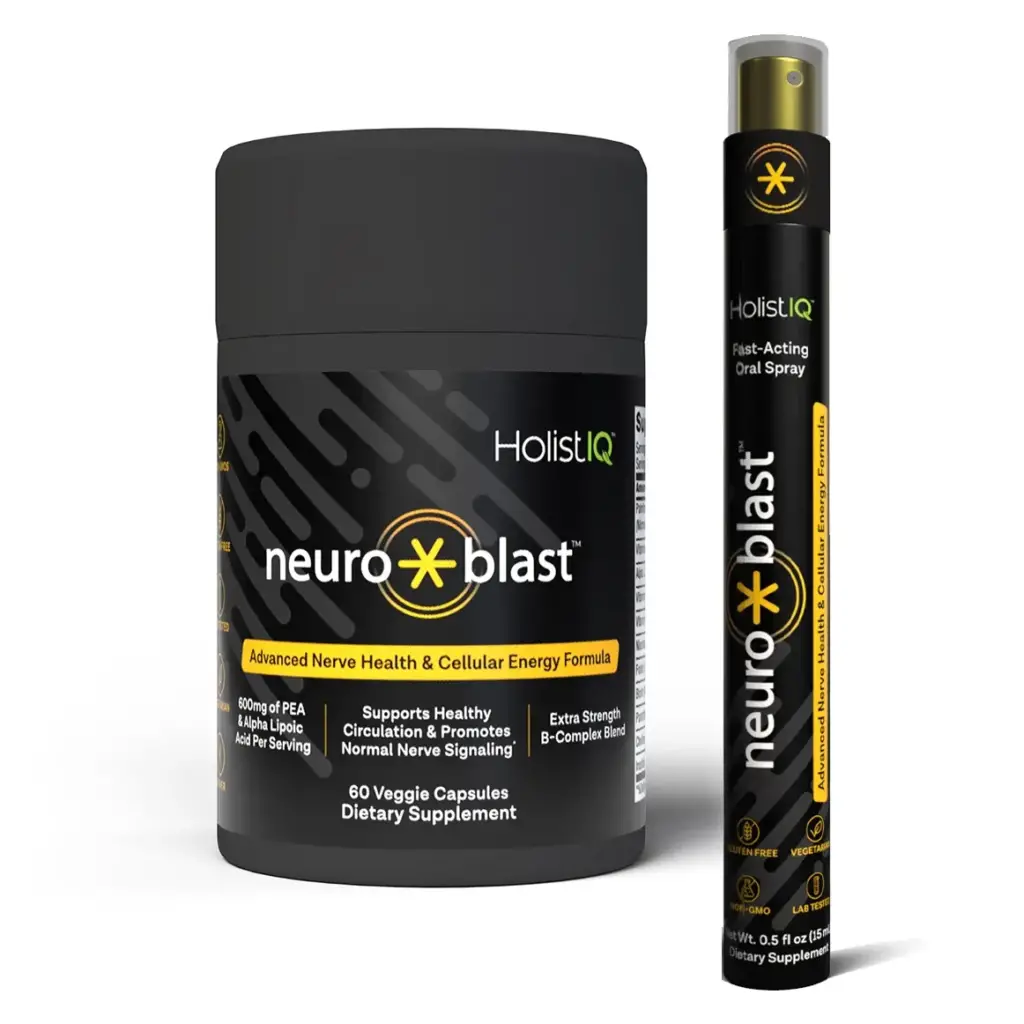
This is why PEA is a key component in advanced formulas like the Neuro-Blast System, which focuses on providing deep, cellular-level support for the nervous system. Instead of just masking the pain, PEA helps address the underlying irritation and sensitivity. By supporting your nervous, immune, and muscle systems, it encourages your body to return to a more comfortable and balanced state, helping you get moving again.
What Kind of Pain Can PEA Help With?
PEA is particularly effective for chronic pain, especially pain that stems from nerve irritation or inflammation. Clinical studies have shown that PEA can significantly reduce discomfort from various types of neuropathic and inflammatory pain. This makes it a promising option for people dealing with persistent conditions that haven’t responded well to other treatments.
People have found relief with PEA for a range of issues, including the nerve discomfort associated with neuropathy, fibromyalgia, chronic pelvic pain, and even migraines. Research has shown that on a standard 11-point pain scale, people taking PEA reported a notable drop in their pain levels compared to those taking a placebo. This highlights its potential as a reliable tool in your pain management toolkit.
Does the Type of PEA Matter for Pain Relief?
When it comes to getting results from a PEA supplement, the specific type you choose is incredibly important. You could be taking the recommended dose, but if your body can’t properly absorb it, you won’t experience the full benefits. The core issue with standard PEA is its low bioavailability, meaning it doesn’t dissolve well and much of it passes through your system without ever being used.
That’s why you’ll see different forms of PEA on the market, like micronized and ultramicronized versions. These aren’t just marketing terms; they refer to advanced processing methods that make the PEA much easier for your body to absorb and put to work. Think of it this way: the more PEA your body can actually use, the more effective it will be at supporting your nerve comfort and helping you get moving again. Choosing a high-quality, bioavailable form ensures you’re not just taking a supplement, but truly nourishing your body on a cellular level.
Micronized vs. Ultramicronized: What’s the Difference?
The terms “micronized” and “ultramicronized” simply refer to the size of the PEA particles. To make PEA more effective, manufacturers grind it down into incredibly fine particles. The smaller the particle, the more easily it can be absorbed into your bloodstream. Standard PEA has large particles that the body struggles to break down. Research shows that micronized and ultramicronized forms, which have much smaller particles, dissolve more readily and lead to better therapeutic outcomes. When you’re comparing products, check the label for these terms or for specific branded ingredients like Levagen+ or PEA-FM, which are engineered for superior absorption.
Why Delivery Systems and Formulations Matter
Beyond particle size, the overall delivery system is key to a PEA supplement’s success. Because PEA is a fatty acid amide, it naturally resists mixing with water. Since your body is mostly water, this creates a challenge for absorption. The best PEA supplements use smart formulations to overcome this. They are designed to ensure the PEA particles don’t clump together and can travel effectively into your system. This is why simply buying the cheapest PEA powder you can find might not give you the results you’re looking for. A well-designed product with an advanced delivery system does the hard work for you, making sure the active ingredient gets where it needs to go.
Ingredients That Work Better Together
PEA is powerful on its own, but its effects can be even greater when combined with other supportive ingredients. Certain nutrients can work in harmony with PEA to create a synergistic effect, meaning the combined benefit is greater than the sum of its parts. For example, some formulations pair PEA with ingredients like Vitamin D or Linoleic Acid (LA). These combinations have been shown to activate the body’s pain-modulating receptors more effectively than PEA alone. When choosing a supplement, look for a thoughtful formula that includes these types of complementary ingredients to provide more comprehensive support for your nervous system.
How to Choose the Best PEA Supplement
Walking down the supplement aisle or scrolling through online stores can feel overwhelming. When it comes to PEA, the options seem endless, and it’s tough to know which one will actually help you feel better. The truth is, not all PEA supplements are created equal. The effectiveness of a PEA supplement doesn’t just depend on the dosage; it’s heavily influenced by how it’s made and, most importantly, how well your body can absorb it. A high-dose supplement is useless if your body can’t access the active ingredient to calm your nerves and ease discomfort. This is where understanding the science behind the supplement becomes your greatest tool.
To make sure you’re investing in a product that can genuinely support your nerve health and help you get moving again, you need to become a savvy shopper. This means looking past the marketing claims and focusing on a few key details that signal quality and efficacy. We’ll walk through exactly what to look for on the label, from particle size to third-party certifications, and how to research a brand to ensure it aligns with your health goals. Think of this as your personal buyer’s guide to finding the right support for your body’s needs, so you can make a choice that truly makes a difference in your daily comfort and mobility.
Check the Particle Size and Processing
Standard PEA has a large particle size, which makes it difficult for your body to absorb and use effectively. Think of it like trying to fit a large key into a tiny lock—it just doesn’t work well. To solve this, leading supplement makers use special processing methods to shrink the particle size. Look for terms like “micronized” or “ultramicronized” on the label. This means the PEA has been broken down into much smaller particles, significantly improving its bioavailability. Patented, branded forms like Levagen+ often use advanced technologies to enhance absorption even further. A systematic review of PEA studies confirms that these enhanced forms are more effective for managing chronic pain, so this is one detail you don’t want to overlook.
Look for Third-Party Testing and Quality Seals
The supplement industry isn’t as tightly regulated as pharmaceuticals, which means quality can vary dramatically between brands. That’s why third-party testing is so important. An independent lab can verify that the product contains the amount of PEA stated on the label, is free from harmful contaminants like heavy metals or pesticides, and is manufactured safely. Look for seals on the bottle from organizations like NSF International or USP, and check if the brand follows Good Manufacturing Practices (GMP). This ensures you’re getting a pure and potent product. While PEA is generally well-tolerated, knowing it’s been vetted by a third party provides an essential layer of confidence and safety.
Research the Brand’s Reputation
A flashy label doesn’t always mean a quality product. Take some time to look into the company behind the supplement. Do they specialize in nerve health or pain management? A company with a clear focus, like Neuro-Blast, is often more invested in creating a truly effective product. Look for transparency—a reputable brand will be open about its ingredient sourcing, manufacturing standards, and the science behind its formulas. Check for genuine customer testimonials and reviews that speak to the product’s effectiveness for conditions similar to yours. Brands that invest in patented, clinically studied ingredients demonstrate a commitment to quality and results that you can trust.
Our Top-Rated PEA Supplements for Pain Relief
Finding the right supplement can feel like searching for a needle in a haystack, especially when you’re dealing with persistent discomfort. The good news is that you have excellent options. When it comes to PEA, the effectiveness often comes down to the formulation—how it’s made and what it’s combined with. A well-designed supplement considers how your body will absorb and use the PEA, which makes a huge difference in the results you feel. We’ve looked at some of the leading choices to help you understand what sets them apart and find the one that best fits your needs for managing nerve-related pain.
Neuro-Blast System
The Neuro-Blast System stands out because it’s more than just a PEA capsule. It’s a complete, doctor-led system designed to address nerve discomfort at the cellular level. It combines capsules with a rapid-absorb oral spray, offering a two-pronged approach to support your nervous system. What makes it truly unique is its AI-enhanced formulation, which aims to get to the root cause of discomfort rather than just masking symptoms. For anyone looking to get moving again and find lasting relief from neuropathy-related issues, this comprehensive approach is designed for deep, targeted support.
Levagen+ Advanced Formula
Levagen+ is a popular name in the PEA space, largely because of its focus on absorption. It uses a patented technology called LipiSperse®, which is specifically designed to help your body absorb PEA more effectively. Think of it this way: it doesn’t matter how much of a supplement you take if your body can’t use it. By improving how PEA dissolves in your system, Levagen+ aims to increase its bioavailability, potentially leading to faster and more noticeable relief. This makes it a strong contender if you want to ensure you’re getting the most out of every dose.
PEA-FM Micronized Formula
If you’ve tried other supplements without much success, a micronized formula might be the answer. Standard PEA has large particles that can be difficult for your body to absorb. Micronization is a process that breaks these particles down into much smaller sizes. The PEA-FM Micronized Formula is a great example of this. By making the PEA particles smaller, it significantly improves absorption and effectiveness. This formulation is an excellent choice for individuals who need an extra edge in getting the PEA to where it needs to go in the body.
Other Quality PEA Options
Beyond specific brands, it’s helpful to know that PEA is widely considered to be very safe and well-tolerated. When you’re comparing different products, look for brands that are transparent about their manufacturing processes and provide third-party testing for purity and potency. Most clinical studies report minimal to no side effects, which is a huge plus for anyone managing chronic conditions. This strong safety profile means you can feel confident exploring a quality PEA supplement as part of your pain management plan, knowing it’s a gentle yet effective option for your body.
How Much PEA Should You Take for Pain?
Figuring out the right amount of any new supplement can feel like a bit of a guessing game. With PEA, the goal is to find the dose that works for your body and your specific needs. While there are general guidelines backed by research, remember that everyone is different. Factors like your body weight, metabolism, and the intensity of your discomfort can all play a role.
Before you start, it’s always a great idea to chat with your doctor. They can help you figure out a safe starting point and make sure PEA is a good fit for your overall health plan. Think of this as a partnership—you know your body best, and your doctor has the medical expertise to guide you.
A common approach with PEA is to start with a slightly higher “loading dose” for the first few weeks to help it build up in your system, and then transition to a lower “maintenance dose” for long-term support. This isn’t necessary for everyone, but it’s a strategy some people find effective. The most important thing is to listen to your body and adjust as needed. The following sections will give you a clear, research-backed starting point to help you find what feels right for you.
Finding Your Starting Dose
When you’re just starting with PEA, you don’t need to overdo it. A systematic review of clinical trials found that people experienced benefits with daily doses between 300mg and 600mg. This is a great starting range. Beginning on the lower end, around 300mg, allows you to see how your body responds before increasing the amount. Some studies suggest higher doses can offer more significant results, but it’s wise to start low and gradually increase if you feel you need more support. This approach helps you find your personal sweet spot without taking more than you need.
When and How Often to Take PEA
Consistency is the key to getting results with PEA. This isn’t something you take only on bad days; it’s meant to be part of your daily routine. Most general dosing guidelines recommend taking PEA every day, with total daily amounts ranging from 300mg to 1200mg. You can take your dose all at once or split it between the morning and evening—find what works best for your schedule. The important part is to take it consistently for at least a few weeks to allow it to build up in your system and start working on a cellular level.
How Long Until You See Results?
It’s natural to want relief as soon as possible, but PEA works with your body over time. It’s not an instant fix. While some people report feeling better in as little as two weeks, it’s more common to notice significant improvements after about four weeks of consistent daily use. So, patience is important here. Give your body at least a month to respond before deciding how well it’s working for you. Tracking your symptoms in a simple journal can be a great way to see your progress and notice subtle changes along the way.
How to Add PEA to Your Daily Routine
Starting a new supplement can feel like one more thing to add to your to-do list, but incorporating PEA into your day is simpler than you might think. The key is making it a consistent habit. While your body naturally produces some PEA, it often isn’t enough to provide a therapeutic effect when you’re dealing with persistent discomfort. That’s where supplementation comes in, offering the extra support your system needs to manage pain signals and reduce inflammation.
Think of it like watering a plant. A little bit of water now and then won’t do much, but consistent, daily watering helps it thrive. The same principle applies to PEA. Adding it to your daily routine gives your body a steady supply of this powerful compound, allowing it to build up in your system and work effectively. The goal is to create a simple, sustainable habit that supports your long-term comfort and mobility.
Tips for Getting the Best Results
Consistency is your best friend when it comes to PEA. To get the most out of your supplement, you’ll want to take it every single day. Research suggests that a treatment course of at least four weeks is needed to see if it helps, with many studies showing significant support for comfort levels after just a few weeks of daily use.
To make it easier to remember, try taking your PEA at the same time each day. You could pair it with your morning coffee, your lunch, or your evening routine. By linking it to an existing habit, you’re more likely to stick with it. The Neuro-Blast System is designed for simple, daily use to help you stay on track and achieve the best possible results.
What to Expect on Your Pain Relief Timeline
Patience is important when you start taking PEA. While it would be great to feel relief overnight, it takes time for the compound to build up in your system and start working on a cellular level. Some studies have shown benefits in as little as 10 to 14 days, but most people report noticeable improvements after about four weeks of consistent use.
For some, it can take a few months to feel the full effects, so don’t get discouraged if you don’t feel a dramatic change right away. Everyone’s body is different, and your personal timeline will depend on various factors. You can read testimonials from others to get a better sense of the journey and see how PEA has helped them over time.
Using PEA with Other Pain Relief Methods
PEA can be a fantastic addition to your existing pain management plan. It works well on its own but can also be used alongside other methods to create a more comprehensive approach to your comfort. Because it works by supporting your body’s natural processes, it’s generally considered a safe option to combine with other strategies.
For example, some people find that taking PEA with other anti-inflammatory supplements provides even better results. It’s a versatile tool for managing different types of pain, from joint discomfort to nerve-related issues. By understanding how it works at a cellular level, you can see how PEA can fit into a broader wellness routine that includes gentle exercise, a healthy diet, and other supportive therapies.
Common Myths About PEA, Debunked
When you’re exploring new ways to manage discomfort, it’s easy to run into conflicting information. Palmitoylethanolamide (PEA) is no exception. Let’s clear the air and look at some of the most common myths surrounding this compound so you can feel confident about the facts.
Myth: PEA is Addictive or a Stimulant
The short answer is no. It’s understandable to be cautious, especially with so many pain relief options carrying risks of dependency. However, PEA is a naturally occurring fatty acid amide that your body produces on its own. It works by interacting with your body’s endocannabinoid system to help calm inflammation and pain signals at a cellular level. Unlike many prescription painkillers, it doesn’t have psychoactive effects or stimulant properties. A systematic review of multiple studies confirms that PEA is not known to be addictive, making it a reassuring choice for long-term support.
Myth: PEA is a Miracle Cure
While PEA has been a game-changer for many people dealing with chronic discomfort, it’s important to have realistic expectations. It isn’t an overnight miracle cure that works the same for everyone. Think of it as a powerful tool in your pain management toolkit, not a magic wand. The effectiveness of PEA can vary based on your individual body chemistry, the source of your pain, and your overall health. It works best when integrated into a comprehensive wellness plan that might include gentle exercise, a balanced diet, and other supportive therapies. Consistency is key to giving it the best chance to work for you.
Myth: PEA Isn’t Safe to Take
Safety is always a top priority, and the good news is that PEA has a strong safety profile. It is generally well-tolerated, and clinical studies have reported no significant adverse side effects for most people. Because it’s a substance your body already recognizes, the risk of a negative reaction is low. That said, it’s always a smart move to consult with your healthcare provider before adding any new supplement to your routine. This is especially true if you are pregnant, nursing, or taking other medications, as they can give you personalized advice based on your health history.
Is PEA Safe? Side Effects and Precautions
It’s smart to ask about the safety of any new supplement you’re considering, and PEA is no exception. The great news is that PEA has an excellent safety profile and is generally very well-tolerated. Because it’s a substance your body already produces, it works in harmony with your natural systems rather than introducing something foreign.
Still, it’s important to understand the full picture before adding it to your routine. While side effects are rare and typically mild, and interactions are not a known issue, there are a few things to keep in mind. As with any supplement, the best first step is always a conversation with your doctor. They can help you decide if PEA is the right fit for your specific health needs and give you personalized advice. Let’s walk through what the research says about PEA’s safety.
Understanding Potential Side Effects
When you look at the research, you’ll find that PEA is consistently shown to be gentle on the body. In most high-quality studies, including many double-blind randomized controlled trials, participants taking PEA reported no more side effects than those taking a placebo.
In the rare instances where side effects were noted, they were very mild and temporary. A small number of people have reported minor stomach discomfort, but this is not a common experience. For the vast majority of users, PEA can be taken without any unwanted effects, making it a comfortable choice for long-term use in managing discomfort and supporting your nervous system.
Who Should Be Cautious with PEA?
While PEA is safe for most adults, it’s always best to err on the side of caution if you are pregnant or breastfeeding. There isn’t enough reliable information to confirm its safety for the baby during this time, so the standard recommendation is to avoid use.
Beyond that, if you have any pre-existing health conditions or are preparing for surgery, it’s a good idea to check in with your healthcare provider before starting PEA. This simple step ensures that it fits seamlessly and safely into your overall wellness plan. Your doctor knows your health history best and can provide guidance tailored specifically to you.
Potential Drug Interactions to Know
One of the most common concerns with any new supplement is how it might affect your current medications. Fortunately, this is another area where PEA stands out. Currently, there is no clinical information suggesting that PEA is interacting with other medicines. This makes it a straightforward addition for many people who are already taking other medications for their health.
However, it’s always a best practice to keep your doctor and pharmacist in the loop. If you take multiple medications, especially for chronic conditions, run it by them first. They can offer peace of mind and confirm that adding PEA won’t cause any issues with your current treatment plan.
PEA vs. Other Pain Relief Options
When you’re dealing with persistent discomfort, you’ve likely explored a wide range of options. Understanding how PEA fits into the picture can help you make a more informed choice for your body. Unlike many conventional methods that simply mask symptoms, PEA works with your body’s own systems to address discomfort at a deeper level. It’s not about just turning off a switch, but about restoring balance.
This approach is what makes it a compelling choice for those seeking a sustainable way to manage pain. It’s about supporting your body’s natural ability to heal and regulate itself, which is a fundamental shift from how many traditional pain relievers work. Let’s look at how PEA compares to both over-the-counter drugs and other natural supplements.
How PEA Differs from Traditional Painkillers
One of the biggest differences between PEA and traditional painkillers is where it comes from. PEA is a natural compound your body already produces to manage pain and inflammation. When you take it as a supplement, you’re essentially reinforcing a system that’s already in place. It works to calm discomfort while also providing deep, cellular-level nerve support.
This is a stark contrast to many over-the-counter drugs that can sometimes come with a long list of side effects. Clinical studies have found PEA to be remarkably safe and well-tolerated, with most participants reporting no adverse effects. This makes it a valuable option for people who are sensitive to other pain medications or are looking for a long-term solution without the associated risks.
Comparing PEA to Other Natural Supplements
Even among natural supplements, PEA stands out, particularly for nerve-related discomfort. Research shows it’s effective for various types of chronic pain, including neuropathic pain, fibromyalgia, and migraines. It works by interacting with receptors throughout the body that modulate pain signals, offering a gentle yet effective approach.
While some supplements focus on a single benefit, PEA’s strength is amplified when combined with other supportive ingredients. For instance, pairing it with specific vitamins or fatty acids can create a more powerful effect than taking PEA alone. This is why a comprehensive system can be so effective. It’s a versatile tool that can help reduce the need for other pain medications, giving you more control over your wellness routine.
Find the Right PEA for Your Pain Relief
When you’re dealing with nerve discomfort, you want a solution that actually works. While palmitoylethanolamide (PEA) is a fantastic compound for managing pain, not all supplements are created equal. The effectiveness of a PEA supplement comes down to a few key factors: how it’s made, what it’s paired with, and how well your body can actually use it. Getting these details right is the difference between feeling a little better and truly getting your life back.
Think of it like this: you can have the best ingredients for a recipe, but if you don’t prepare them correctly, the final dish will fall flat. The same goes for PEA. Let’s walk through what to look for to make sure you’re choosing a high-quality supplement that can deliver the relief you’re looking for.
Prioritize How It’s Processed
Your body’s ability to absorb PEA is probably the most important factor in whether it will work for you. Standard PEA has large particles that are difficult for your digestive system to absorb, meaning much of it can pass through your system without ever getting to where it needs to go. This is why the manufacturing process is so critical.
Look for products that use micronized or ultramicronized PEA. This simply means the PEA particles have been broken down to be much smaller, which dramatically increases how much your body can absorb and use. Research shows that these enhanced forms are more effective for pain management. Formulations like Levagen+ are specifically designed with this in mind, using patented technology to improve how well the PEA dissolves in your system.
Look for Helpful Companion Ingredients
PEA is powerful on its own, but it can work even better when combined with other supportive ingredients. Some formulas include compounds that create a synergistic effect, meaning the ingredients work together to produce a result that’s greater than what they could achieve alone. For example, combining PEA with ingredients like Vitamin D or certain fatty acids can enhance its ability to interact with your body’s pain-modulating receptors.
This is the idea behind a comprehensive system that addresses nerve health from multiple angles. Instead of just one ingredient, you get a team of nutrients working together to support your nervous system on a cellular level. When you’re comparing products, check the label for these kinds of thoughtful combinations.
Find the Right Dose for You
Finally, let’s talk about dosage. Finding the right amount of PEA is key to getting results. Studies on chronic pain often use daily dosages between 300mg and 600mg, with some people finding more relief at higher amounts. Most experts agree that starting within this range is a good approach.
When you begin taking a PEA supplement, it’s important to be consistent. It can take a few weeks for the compound to build up in your system and for you to notice a real difference in your comfort levels. Pay attention to how you feel and don’t be afraid to adjust as needed, but always stick to the product’s recommended guidelines. Choosing a supplement with effective dosages and a high-quality, absorbable form of PEA gives you the best possible chance at finding lasting relief.
Related Articles
- How Does PEA Work for Pain? A Simple Guide
- PEA Pain Relief Reviews: Does It Really Work?
- Palmitoylethanolamide Side Effects: What to Know
- 5 Best Palmitoylethanolamide Supplements
- The 6 Best PEA Supplements Reviewed
Frequently Asked Questions
How long will it take before I feel a difference with PEA? It’s important to think of PEA as a long-term supporter for your body, not an instant fix. While some people start to notice improvements in a couple of weeks, it’s more common to feel a significant shift after about four weeks of consistent, daily use. PEA works by gradually building up in your system to help calm overactive nerves, so giving it at least a month is the best way to see how well it can work for you.
Is it safe to take PEA with my prescription medications? PEA is known for being very well-tolerated, and currently, there are no known clinical interactions with other medicines. This is one of its major benefits. However, it is always a smart and responsible practice to speak with your doctor or pharmacist before adding any new supplement to your routine. They can review your current medications and give you personalized advice to ensure it’s a great fit for your health plan.
Why should I choose a micronized PEA supplement over a standard one? The form of PEA you take makes a huge difference in your results. Standard PEA has large particles that your body struggles to absorb, meaning much of it goes to waste. Micronized or ultramicronized PEA has been processed into incredibly fine particles. This simple change makes it much easier for your body to absorb and put to work, leading to more effective and reliable support for your nerve comfort.
Will PEA make me feel drowsy or “out of it”? No, you don’t have to worry about that. PEA works by supporting your body’s natural systems to calm pain signals and inflammation at a cellular level. It does not have any psychoactive properties, so it won’t make you feel drowsy, high, or mentally foggy. You can take it with confidence, knowing it’s designed to help you feel better and more comfortable without interfering with your clarity.
Do I only need to take PEA on days when my pain is bad? For the best results, you should take PEA every day. It’s not like an over-the-counter painkiller that you take for immediate, temporary relief. Instead, PEA works cumulatively over time to help restore balance to your nervous system. Consistent daily use allows it to build up in your body and provide steady, long-term support for managing discomfort.