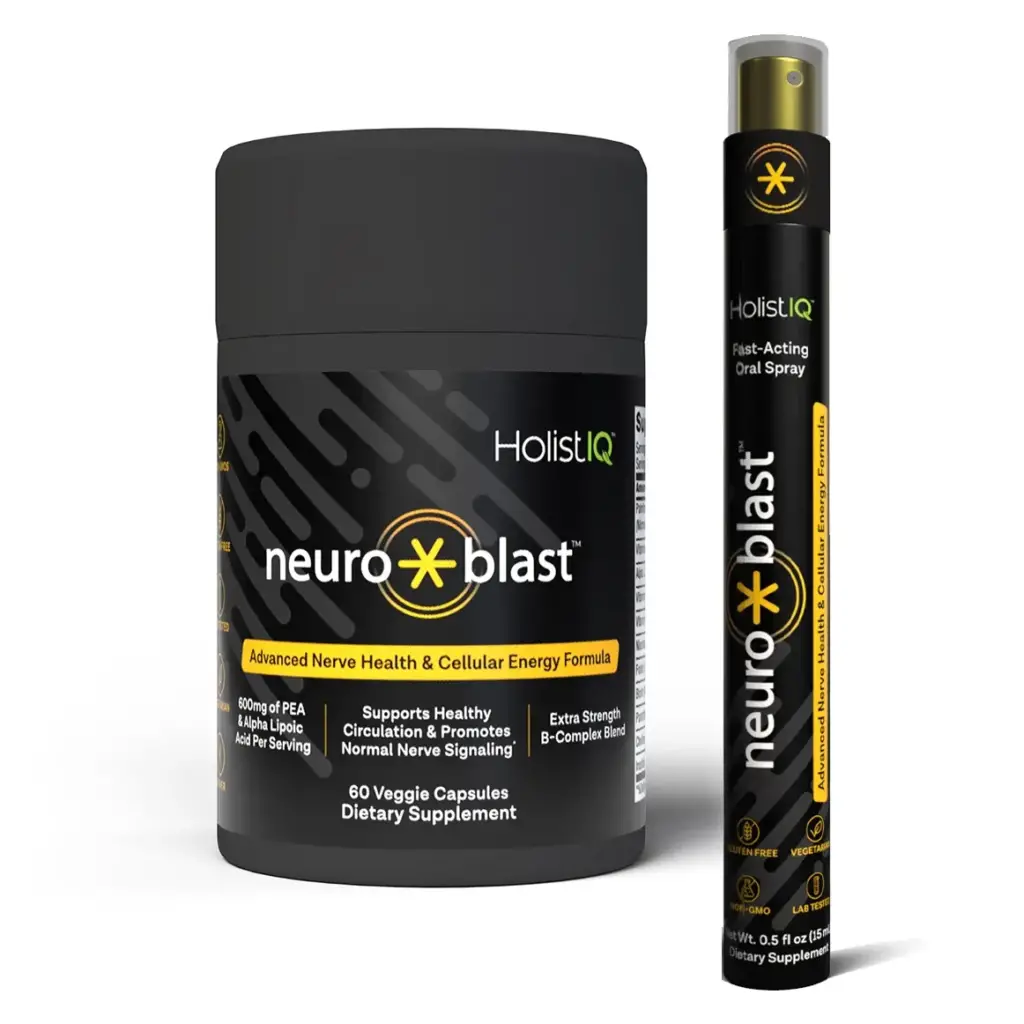

Taking a vitamin B12 supplement is one thing, but ensuring your body can actually use it is another challenge entirely. As we get older, our ability to absorb B12 through our digestive system can decline, meaning that standard pills may not be giving you the full benefit. This is why the form of the supplement is just as critical as the dose. Before you can find relief, you need a delivery method that gets this vital nutrient directly to your cells. We’ll cover how different forms work and what the research says about the ideal vitamin b12 neuropathy dosage for maximum absorption.
Key Takeaways
- Prioritize Vitamin B12 for Nerve Protection: This essential vitamin is crucial for maintaining the protective myelin sheath around your nerves. A deficiency can disrupt nerve signals, leading to common symptoms like tingling, numbness, and poor balance.
- Choose the Right Form and Dosage for Better Results: Research suggests a daily dose of 500-2,000 mcg of methylcobalamin for nerve support. Consider a rapid-absorb oral spray to bypass potential digestive issues and ensure your body gets the full amount.
- Create a Safe and Effective Plan with Your Doctor: Always consult your healthcare provider before starting B12 to find your ideal dose and avoid medication interactions. Remember that consistency is key, as it can take 3-6 months to experience significant, lasting improvements.
Why Your Nerves Need Vitamin B12
Think of your nerves as the body’s electrical wiring. For signals to travel quickly and correctly from your brain to your limbs, that wiring needs proper insulation. Vitamin B12 is one of the most important nutrients for maintaining this system. When your levels are low, this communication network can start to break down, leading to the tingling, numbness, and discomfort associated with neuropathy. Understanding how B12 works on a cellular level is the first step in giving your nerves the support they need. Our doctor-led, AI-enhanced nerve support system is designed around this very principle.
How B12 builds protective nerve sheaths
One of vitamin B12’s most critical jobs is helping create and maintain the myelin sheath. This is a fatty, protective layer that wraps around your nerve fibers, much like the plastic coating on an electrical wire. Myelin insulates the nerves, allowing electrical impulses to transmit quickly and efficiently. When you don’t have enough B12, the synthesis of myelin can slow down or become impaired. This leaves your nerves exposed and vulnerable to damage, which can disrupt signals and cause the classic symptoms of neuropathy. Supporting myelin health is fundamental to protecting your nerves from further damage.
The link between B12 and nerve communication
Beyond just protecting your nerves, vitamin B12 plays a direct role in how well they communicate. Healthy myelin sheaths ensure that nerve signals travel at the right speed without getting lost or jumbled. Studies have shown that B12 supplementation can lead to significant improvements in neuropathy symptoms, including pain levels and the speed at which nerves send signals. When your nerves can communicate effectively, you might notice better coordination, reduced tingling, and an overall decrease in discomfort. This is why ensuring you have adequate B12 is so essential for managing nerve-related symptoms and getting back to your daily activities.
Spotting the Warning Signs of B12 Deficiency
It’s easy to dismiss a little tingling in your hands or feeling more tired than usual as just a part of getting older. But sometimes, these subtle feelings are your body’s way of sending a message that something is off. A vitamin B12 deficiency can sneak up on you, with symptoms that are often vague at first. Paying attention to these early signals is key, because catching a deficiency early can make all the difference in protecting your nerve health.
Think of it like a slow leak in a tire. At first, you might not notice anything wrong, but over time, the pressure drops until it starts affecting how you drive. Similarly, when your B12 levels are low, your nerves lose the support they need to function correctly. This can lead to a range of symptoms, from minor annoyances to more serious issues that impact your mobility and quality of life. Understanding what to look for is the first step toward addressing the root cause and getting back to feeling like yourself. The Neuro-Blast system is designed to provide deep, cellular-level support to help your body address these issues.
Early tingles, numbness, and balance issues
One of the first places a B12 deficiency shows up is in your hands and feet. Have you ever felt that pins-and-needles sensation, unexplained numbness, or even a strange buzzing? These are classic early warning signs. Because B12 is so crucial for maintaining the protective myelin sheath around your nerves, a shortfall can disrupt the signals between your brain and your limbs. This can also lead to muscle weakness, general tiredness, and even problems with your balance. You might find yourself a bit unsteady on your feet, which is another subtle clue that your nerves aren’t communicating as they should. Common symptoms of B12-related nerve damage include this very numbness and tingling.
How to recognize progressive nerve-related symptoms
If those early signs are overlooked, a B12 deficiency can lead to more noticeable problems. The initial tingling might progress to more persistent nerve issues. According to the Mayo Clinic, when B12 levels become very low, you might experience more significant muscle weakness, vision problems, and even changes in your mood or memory. It’s not just about physical sensations; a deficiency can impact your cognitive function, too. The key thing to remember is that these symptoms tend to get worse over time if the underlying deficiency isn’t addressed. Recognizing that these seemingly unrelated issues could all point back to a lack of B12 is crucial for taking the right steps toward supporting your nerve health.
How Much Vitamin B12 Should You Take for Neuropathy?
Figuring out the right amount of vitamin B12 can feel like a guessing game, but you don’t have to go it alone. While there isn’t a single magic number that works for everyone, research gives us a clear and effective starting point. The key is to understand the recommended dosages, the different forms of B12 available, and why your personal needs might be unique. Let’s walk through what the studies show so you can have a more informed conversation with your doctor.
What the research says about effective dosages (500-2000 mcg daily)
When you look at the science, a clear pattern emerges. Studies show that effective doses of vitamin B12 for nerve support typically fall between 500 and 2,000 micrograms (mcg) per day. For those with milder symptoms, a daily dose of 500 to 1,000 mcg is often a good place to start. If your discomfort is more moderate, research suggests that increasing the dose to between 1,000 and 2,000 mcg daily may provide more significant relief. Think of these numbers not as rigid rules, but as a well-researched guide to help you and your healthcare provider find the amount that works best for your body.
Methylcobalamin vs. cyanocobalamin: Which is better?
You might notice that B12 supplements come in different forms, most commonly methylcobalamin and cyanocobalamin. For nerve health, methylcobalamin often comes out ahead. This is the most active form of B12, meaning your body can use it immediately without having to convert it first. In fact, a study found that taking 1 mg (or 1,000 mcg) of oral methylcobalamin daily for a year significantly helped people with diabetic neuropathy. Because it’s already in the format your nervous system prefers, many people choose methylcobalamin to support nerve function and find relief from tingling and numbness.
Why your ideal dosage might be different
The dosage ranges from clinical studies are an excellent starting point, but your body is unique. The perfect amount of B12 for you depends on several personal factors, including the severity of your symptoms, your overall health, and your body’s ability to absorb the vitamin. As we get older, our ability to absorb B12 from food and pills can decrease. Certain medications and digestive conditions can also interfere with this process. This is why a one-size-fits-all approach doesn’t work. Your doctor can help you find a personalized dose and may suggest alternative forms, like sublingual sprays, to ensure your body gets what it needs.
Comparing B12 Supplements: Pills, Sprays, and Shots
Once you decide to add more vitamin B12 to your routine, the next question is: which form is best? Walking down the supplement aisle, you’ll find pills, capsules, and sprays. Your doctor might even recommend injections. It’s easy to assume they all do the same thing, but the way your body takes in and uses B12 can vary dramatically depending on the delivery method.
The key difference comes down to absorption. For B12 to work its magic on your nerve sheaths and support cellular health, it first has to get into your bloodstream. Pills have to survive the long journey through your digestive system, sprays are absorbed directly in your mouth, and shots deliver the vitamin straight to your muscle. Understanding these pathways is the first step in choosing the supplement that will give you the most effective support for your nerve health. Let’s look at how each one works.
Oral supplements vs. injections for nerve relief
For many people, a daily B12 pill is the most familiar option. It’s simple and convenient, but it’s not always the most efficient. When you swallow a pill, it has to pass through your stomach acid and digestive tract before it can be absorbed. Factors like age, certain medications, and digestive issues can interfere with this process, meaning you might not get the full dose listed on the bottle.
On the other end of the spectrum are B12 injections, which are administered by a healthcare professional. Research shows that for severe nerve discomfort, injections can be highly effective. One study found that high-dose B12 shots led to significant pain reduction in 85% of patients, compared to only 60% of those taking oral supplements. While powerful, injections require a prescription and regular doctor visits, making them a less practical choice for long-term, daily management.
The benefits of sublingual and rapid-absorb sprays
Sublingual sprays and dissolvable tablets offer a fantastic middle ground between pills and shots. “Sublingual” simply means “under the tongue.” When you use a B12 spray, the vitamin is absorbed directly into your bloodstream through the rich network of capillaries in your mouth. This method cleverly bypasses the digestive system, making it a great option for anyone with absorption concerns.
This direct-to-bloodstream route is especially helpful as we get older or for those with gastrointestinal conditions that can hinder nutrient uptake from food and pills. A rapid-absorb oral spray ensures you get a consistent, reliable dose every time. It combines the effectiveness of direct absorption with the convenience of at-home use, giving you a simple way to support your nerve health daily.
How your body absorbs different forms of B12
Let’s quickly recap how your body processes each B12 form. Pills rely on a healthy digestive system and a specific protein called “intrinsic factor” to be absorbed in the small intestine. If either of those is compromised, absorption drops. Injections skip this entirely by delivering B12 directly into your muscle tissue for a potent, immediate supply.
Sublingual sprays offer a unique advantage by absorbing through the mucous membranes under your tongue. This method avoids common digestive hurdles, allowing the B12 to enter your system quickly and efficiently. A comprehensive approach often involves a system designed for optimal absorption, combining a daily capsule for sustained release with a spray for rapid delivery. This ensures your body has the steady supply of B12 it needs to repair and maintain healthy nerve function.
Before You Start: What to Know About B12 Supplements
Adding a vitamin B12 supplement to your routine can feel like a proactive step toward feeling better, and it often is. But before you grab the first bottle you see, it’s smart to have a game plan. Think of this as your personal pre-launch checklist. A little preparation ensures you’re choosing the right supplement for your needs and using it safely and effectively.
Taking a moment to understand a few key things—like how B12 might interact with other medications or why a quick chat with your doctor is so important—can make all the difference. It helps you get the most out of your supplement and ensures it’s working in harmony with your body. This isn’t about adding complexity; it’s about being intentional so you can focus on what really matters: getting back to moving comfortably and confidently. Let’s walk through what you need to know to start on the right foot.
Why you should talk to your doctor first
Before starting any new supplement, especially for something as important as nerve health, it’s always best to have a conversation with your doctor. They can help you pinpoint the right dose for your specific situation and make sure it won’t cause problems with any other medications you’re taking. Your doctor understands your full health picture and can offer personalized advice that a search engine simply can’t. This conversation is a crucial first step to creating a safe and effective nerve support plan that truly works for you.
Potential interactions with other medications
It’s important to know that some common medicines can make it harder for your body to absorb vitamin B12. According to the Mayo Clinic, this includes certain drugs for digestive problems, seizures, gout, and diabetes, like metformin. Even common stomach acid reducers, such as omeprazole, can interfere with B12 absorption. This is another key reason why looping in your doctor is so important. They can review your current medications and help you figure out the best way to get the B12 you need without compromising your other treatments.
How to track your B12 and methylmalonic acid levels
How do you know if your B12 supplement is actually working? Your doctor can order a few simple lab tests to track your progress. These tests measure your serum B12 levels and often include a check on your methylmalonic acid (MMA) levels, which can be a more sensitive indicator of a B12 deficiency. They might also order a complete blood count (CBC). Regular lab tests are a great tool to guide your treatment, confirm the supplement is doing its job on a cellular level, and make any necessary adjustments to your dosage along the way.
When Can You Expect Relief? The B12 Neuropathy Timeline
When you’re dealing with nerve discomfort, the first question on your mind is probably, “How long until I feel better?” It’s completely understandable to want a clear answer. While everyone’s body is different, research gives us a general roadmap for what you might expect when you start supplementing with vitamin B12.
The key is consistency. Supporting your nerves on a cellular level doesn’t happen overnight, but with steady use, you can give your body the resources it needs to begin the repair process. Think of it as a gradual journey back to comfort and mobility. Patience and consistency are your best friends here, as your nervous system slowly rebuilds and strengthens. Let’s look at what the studies say and what factors might influence your personal timeline.
How long it takes to feel a difference, according to studies
Research on B12 for neuropathy suggests a phased timeline for relief. Many people start to notice the first subtle changes, like a slight reduction in tingling, within the first 2 to 4 weeks of consistent supplementation. As you continue, more significant improvements often follow. Between 6 and 12 weeks, many individuals report a more noticeable decrease in discomfort.
For substantial, lasting relief, studies indicate a timeline of about 3 to 6 months. This is the period where the body has had enough time to use the B12 to help repair protective nerve sheaths. This general timeline highlights why it’s so important to stick with your plan, even if you don’t feel dramatic changes right away.
Factors that can speed up or slow down your results
Several things can influence how quickly you feel a difference. A major factor is how well your body absorbs vitamin B12. As we age, our ability to absorb B12 from food and traditional pills can decrease. This is why the form of B12 you take matters. Sublingual sprays or liquids that absorb under the tongue can bypass the digestive system, delivering support more directly.
Your starting B12 levels and the dosage you take also play a big role. Someone with a severe deficiency may need a higher dose and a bit more time to see results. The Neuro-Blast system is designed for deep, cellular-level support to address these factors. Working with your doctor to monitor your levels can also help ensure you’re on the right track.
Who Needs to Watch Their B12 Levels Most?
Vitamin B12 is essential for healthy nerve function in everyone, but some of us need to be more mindful of our levels. Certain life stages and health factors can make it harder for your body to get and use the B12 it needs. If you fall into one of the groups below, paying closer attention to your B12 intake could be a key step in supporting your nerve health and staying active.
Why absorption can decrease after age 50
As we get older, our bodies naturally change, and that includes how we process nutrients. For many people over 50, B12 absorption becomes less efficient. This often happens because of a decrease in stomach acid, which is needed to separate B12 from the protein in food so your body can use it. These age-related changes in the gastrointestinal tract are quite common and can lead to a gradual decline in B12 levels, even if your diet is rich in it. That’s why it’s so important for older adults to monitor for signs of deficiency and consider supplements that are easier for the body to absorb.
Health conditions and medications that impact B12
Beyond age, specific health issues and medications can significantly interfere with your body’s ability to absorb vitamin B12. Certain health conditions like Crohn’s disease, celiac disease, or pernicious anemia directly affect your digestive system’s capacity to take in this vital nutrient. The same goes for common medications. If you take proton pump inhibitors (like omeprazole) for acid reflux or metformin for diabetes, your B12 absorption could be reduced. It’s a good idea to speak with your doctor about your B12 status if you manage any of these conditions or take these medications regularly, as you may need a more direct form of supplementation to maintain healthy nerve function.
Can You Overdo It on Vitamin B12?
It’s a valid question, especially when you’re considering higher doses to manage nerve discomfort. You want relief, but you also want to be safe. The good news is that Vitamin B12 is generally considered safe, even in larger amounts. Because it’s a water-soluble vitamin, your body typically takes what it needs and flushes out the rest through your urine. This is quite different from fat-soluble vitamins, which can build up in your system.
However, that doesn’t mean more is always better. The goal is to find the right amount that supports your nerve health without overdoing it. While most people get enough B12 from their diet, those of us dealing with neuropathy often need more to help repair and protect our nerves.
Understanding the safety of high-dose B12
Because your body is so good at getting rid of excess B12, a true “overdose” is extremely rare. Research has shown that even high-dose B12 therapy is well-tolerated by most people. The key is to remember that you should always take supplements for a specific reason, not just because. Taking a targeted approach ensures you’re giving your body what it actually needs to support nerve function.
While B12 is safe, taking extremely high doses might lead to mild side effects for some individuals. These aren’t typically serious, but it’s always smart to be aware of how your body is responding to any new supplement regimen.
What to watch for with high-dose supplements
If you’re taking a high-dose B12 supplement, just listen to your body. In some cases, people have reported mild issues like headaches, nausea, or a feeling of weakness. It’s also a great reason to keep your doctor in the loop. They can help you find the perfect dosage and monitor your progress to ensure everything is working as it should.
Your doctor might also suggest occasional lab tests to check your serum B12 and methylmalonic acid (MMA) levels. This helps confirm that your body is absorbing and using the vitamin effectively. It’s all part of a smart, comprehensive system for managing your nerve health and making sure you get the best possible results.
Your Complete Nerve Support Plan (Beyond B12)
While vitamin B12 is a powerhouse for nerve health, it doesn’t work in isolation. Think of it as the star player on a team—it performs best when supported by other key nutrients and healthy habits. Creating a comprehensive plan is about giving your body all the tools it needs to repair and maintain your nervous system. This approach moves beyond addressing a single deficiency and focuses on building a strong foundation for long-term nerve support.
Other B vitamins that work with B12
The B vitamins are a family, and they function best together. For nerve health, B12’s most important teammates are vitamin B6 and folate (B9). Vitamin B6 is essential for creating neurotransmitters, the chemical messengers that allow your nerves to communicate effectively. Folate plays a critical role in cell growth and repair, which is vital for maintaining the health of your nerve endings. Combining these nutrients creates a synergistic effect, offering more complete support than B12 alone. A well-rounded formula, like the Neuro-Blast System, is designed with this teamwork in mind to provide comprehensive, multi-level support.
Foods and habits that help your body use B12 effectively
A balanced diet is your first line of defense. Incorporating a nerve-healthy diet rich in B vitamins can make a significant difference. This includes foods like salmon, lean poultry, eggs, and leafy greens like spinach and kale. However, when you’re managing nerve discomfort, food alone may not provide the therapeutic doses required to restore your levels. That’s where targeted supplementation comes in. An advanced formula can deliver nutrients directly to your cells for maximum absorption and effectiveness. Understanding how it works on a cellular level can help you see why this approach is so important for getting you moving again.
Related Articles
- Vitamin B12 Nerve Damage Repair Dosage Explained
- B Complex Benefits for Nerve Pain: What Science Says
- B12 or B Complex for Neuropathy: Which Is Better?
- The 7 Best Vitamins for Your Nervous System
- The 6 Best Vitamins for Nerve Damage and Repair
Frequently Asked Questions
Why might I need a B12 supplement if I already eat a balanced diet? It’s a great question. Even with a perfect diet, our ability to absorb B12 from food can decline as we get older. This is often due to a natural decrease in stomach acid, which is essential for separating B12 from the protein in foods like meat and eggs. A supplement provides B12 in a form that your body can use more readily, bypassing some of those common absorption hurdles.
What makes a sublingual spray different from a regular B12 pill? The main difference is the delivery route. A pill has to survive the journey through your digestive system, where factors like low stomach acid can prevent you from getting the full dose. A sublingual spray is absorbed directly into your bloodstream through the rich network of capillaries under your tongue. This bypasses the digestive tract, ensuring a more direct and reliable dose gets to where it’s needed.
I’ve been taking B12 for a few weeks and don’t feel a huge change. Is it working? Nerve support is a gradual process, not an overnight fix. It takes time for your body to build up its B12 levels and use them to repair and maintain the protective sheaths around your nerves. While some people notice subtle improvements within the first month, more significant relief often takes a few months of consistent use. Patience and consistency are your best allies here.
I take medication for acid reflux. Does that affect how I should take B12? Yes, it absolutely can. Common medications that reduce stomach acid can also make it much harder for your body to absorb B12 from food and traditional pills. This is a perfect example of why it’s so important to chat with your doctor before starting a new supplement. They can help you find the right form and dosage of B12 that works with your current health plan.
Is B12 the only vitamin I should be focused on for nerve health? While B12 is a star player, it works best as part of a team. Other B vitamins, especially B6 and folate (B9), are also vital for nerve function. B6 helps with nerve communication, and folate is crucial for cell repair. Taking them together creates a synergistic effect, offering your nervous system more complete and well-rounded support than B12 could on its own.