
Finding relief from nerve pain is a personal journey, and what works for one person might be different for you. Think of it as a gentle calibration process. PEA is a fantastic tool for this process because it supports your body’s own systems. This personalized approach is especially important when determining your pea for nerve pain dosage. Instead of following a rigid rule, it’s about listening to your body and understanding the factors that influence your needs. We’ll explore how your specific condition, your body’s response, and even the form of PEA you take all play a role in finding the right amount for you.
Key Takeaways
- PEA Addresses Nerve Discomfort at the Source: It works with your body’s natural systems to calm inflammation and soothe overactive nerve signals, offering a different approach than simply masking symptoms.
- Your Ideal Dose Requires Patience and Observation: The best strategy is to start with a standard dose, remain consistent for several weeks, and then make gradual adjustments based on your body’s response.
- Prioritize Quality and Professional Guidance: Since supplements aren’t all created equal, choose a reputable product and always consult your doctor before starting PEA to ensure it fits safely into your overall health plan.
What is PEA and How Does It Work?
If you’re exploring natural ways to manage nerve discomfort, you’ve likely come across PEA, or Palmitoylethanolamide. It might sound complex, but it’s a compound your body already knows well. Think of it as one of your body’s own tools for managing pain and inflammation. When nerve discomfort flares up, your body’s natural supply of PEA might not be enough to handle the job. That’s where supplementation comes in, offering a way to support your system and help it get back to a more comfortable state. Understanding how PEA works on a cellular level can help you see why it’s a promising option for finding lasting relief.
How Your Body Uses PEA Naturally
PEA is a fatty acid amide, a natural substance your body produces to restore balance when it senses pain or inflammation. It’s part of your internal toolkit for self-healing and regulation. You can also find small amounts of it in foods like egg yolks, soybeans, and peanuts. Because your body already recognizes and creates PEA, supplementing with it is a way of working with your body’s existing processes, not against them. The goal is to reinforce your natural defenses against discomfort, giving your system the support it needs to calm overactive nerve signals and help you get moving again.
The Science: How PEA Calms Nerve Signals
So, how does PEA actually quiet down nerve pain? It works by interacting with specific receptors in your cells, particularly one called PPAR-α, which plays a key role in managing pain and inflammation. PEA also influences the behavior of certain immune cells, like mast cells and glial cells, which are often involved in nerve irritation. When these cells become overactive, they can contribute to chronic discomfort. The therapeutic utility of PEA lies in its ability to gently tell these cells to calm down, helping to interrupt the cycle of pain signaling at a microscopic level.
Reducing Nerve Inflammation
Inflammation is a major contributor to nerve pain. When nerves are inflamed, they become hypersensitive and send continuous pain signals to your brain. One of the primary ways PEA provides relief is by directly addressing this inflammation. By calming the overactivity in your nerve and immune cells, PEA helps reduce pain at its source instead of just masking the symptoms. This approach is central to how our Neuro-Blast System is designed to work, supporting your nervous system on a cellular level to provide deep, meaningful relief and help restore your quality of life.
Finding Your Ideal PEA Dosage for Nerve Pain
Figuring out the right amount of PEA to take is a personal process, since everyone’s body and pain levels are different. The goal is to find the sweet spot that gives you relief without taking more than you need. Think of it as a gentle calibration process. It’s not about starting with the highest dose possible, but rather about listening to your body and adjusting as you go.
This approach helps you understand how PEA works with your system to support your nerves from a cellular level. By starting with a standard dose and making small changes, you can find the most effective and sustainable routine for managing your nerve discomfort and getting back to the activities you love.
What’s a Good Starting Dose?
A common and sensible way to begin is by taking one 400mg capsule of PEA three times a day. This schedule allows you to introduce it to your system steadily and see how your body responds. Some clinical case series have also explored starting with 600mg twice a day for about 10 days to gauge its initial effectiveness. This initial phase is all about observation. It gives you a baseline to understand how PEA interacts with your body before you decide if you need to make any adjustments.
When to Consider a Higher Dose
If you’ve been on the starting dose for a couple of weeks and feel like you need more support, you might consider increasing your intake. A typical next step is to move to two 400mg capsules three times a day. On the other hand, if you experience significant relief, you may be able to lower your dose. Some people find that dropping to 300mg twice a day is enough to maintain their comfort once their pain is under control. The key is to make one adjustment at a time and give your body a week or two to adapt before making another change.
Is There a Maximum Safe Dose?
It’s important to know the recommended upper limits to stay safe while managing your pain. The maximum suggested daily dose for PEA is 2400mg. This is equal to six 400mg capsules or eight 300mg capsules per day. Sticking within this guideline is crucial for your safety. While PEA is known for its strong safety profile, respecting the maximum dose ensures you can focus on its benefits without worry. Studies on its use in conditions like nerve compression syndromes confirm its effectiveness within these safe limits.
What Affects Your Personal PEA Dosage?
Finding the right amount of PEA to take isn’t about following a rigid formula; it’s about understanding your own body and its unique needs. Think of it as a personal calibration process. The dosage that works wonders for one person might be different for you, and that’s completely normal. Several key factors come into play, including the specific type of discomfort you’re experiencing, how your body metabolizes supplements, and your general health profile.
Understanding these variables helps you set realistic expectations and work toward finding a dose that supports your goals. It’s a journey of listening to your body and adjusting as you go. The goal is to find that sweet spot where you feel a noticeable difference in your daily comfort and mobility. The Neuro-Blast system is designed to support this process by providing a consistent, high-quality source of PEA, allowing you to focus on how you feel and make adjustments from a stable baseline. Let’s walk through the main factors that will influence your ideal dosage.
Your Specific Pain and Condition
The nature of your nerve discomfort plays a big role in determining your starting PEA dose. Research has shown that PEA can be beneficial for many kinds of nerve-related issues, from the tingling associated with diabetes to the sharp pains of sciatica. The intensity and persistence of your symptoms are important considerations. Someone dealing with chronic, long-term back pain might find they need a different dosage schedule than someone managing intermittent carpal tunnel syndrome. The key is to match the support to the demand your body is placing on its nervous system.
How Your Body Responds
Everyone’s body is different, and your individual response time is a crucial piece of the puzzle. Some people begin to feel a positive shift within one to three weeks of starting PEA, while for others, it might take a bit longer. It’s important to be patient and consistent. Pay close attention to your body and any changes you notice in your comfort levels. If you’ve been taking a higher dose for a month or two without seeing the results you hoped for, it may be a sign that PEA isn’t the right fit for you. You can see how others have described their experience on our testimonials page.
Your Age, Weight, and Overall Health
While factors like your age and weight can influence how your body processes supplements, PEA is known for being remarkably safe and well-tolerated. It’s a substance your body produces naturally, and studies have not reported serious side effects or negative interactions with other medications. Because of its strong safety profile, the starting dose doesn’t usually need major adjustments based on these factors alone. Instead, they are part of the bigger picture of your overall wellness. The most important thing is to start with a standard dose, see how you feel, and adjust from there.
How Long Until PEA Starts Working?
When you’re dealing with nerve discomfort, you want relief as soon as possible. It’s completely understandable to wonder how long it will take for a new supplement to make a difference. With PEA, it’s important to remember that it works differently than a typical over-the-counter pain reliever. Instead of just masking symptoms, PEA works with your body’s own systems to calm inflammation and soothe overactive nerve signals. This process takes a little time.
The timeline for feeling results can vary quite a bit from person to person. Factors like the severity of your discomfort, your overall health, and how consistently you take it all play a role. While some people notice a change within a couple of weeks, others may need a bit more time for the effects to build up. The key is to be patient and consistent as you allow PEA to support your nervous system on a cellular level. Think of it not as a quick fix, but as a gradual process of restoring balance to your body.
When to Expect Initial Relief
It’s natural to be eager for results, and the good news is you might not have to wait too long. Many people begin to feel a noticeable improvement within the first one to three weeks of starting PEA. For some, this timeline might extend to about five weeks. This initial relief can be subtle at first—perhaps you notice a little less tingling in your feet, or you can stand for longer without that familiar burning sensation. A case series on PEA’s therapeutic utility found this range to be common among patients. The key is to pay attention to these small changes, as they are often the first sign that PEA is beginning to work.
Why Consistency is Key
To get the most out of PEA, you have to make it a regular part of your routine. Because it works by accumulating in your system to calm nerve inflammation, taking it sporadically won’t deliver the results you’re looking for. Most people report seeing the most significant improvements within two to eight weeks of consistent, daily use. Think of it like watering a plant; a single watering helps, but consistent care is what allows it to truly thrive. Making your Neuro-Blast System a non-negotiable part of your morning or evening routine is the best way to ensure you’re giving it a real chance to help you get moving again.
Knowing When to Adjust Your Dose
If you’ve been taking a starting dose of PEA consistently for a few weeks and aren’t feeling the level of relief you’d hoped for, it might be time to consider an adjustment. It’s not uncommon for individuals to need a slightly higher dose to achieve the desired effect. For example, some protocols suggest that if an initial dose isn’t sufficient after a couple of weeks, you can increase it. However, it’s absolutely essential to do this thoughtfully. Before making any changes to your supplement routine, you should always have a conversation with your doctor. They can help you find the right dosage for your specific needs and ensure it fits safely into your overall health plan.
Are There Side Effects with PEA?
When you’re dealing with nerve discomfort, the last thing you want is a solution that causes more problems. That’s why so many people are interested in PEA—its safety profile is one of its most significant benefits. Because it’s a substance your body already produces, it’s generally well-tolerated, and serious side effects are not a common concern. Still, it’s always wise to understand how any new supplement might affect you before you begin.
Understanding PEA’s Safety Profile
One of the most reassuring things about PEA is that it’s a natural part of your body’s own toolkit for managing inflammation and discomfort. It isn’t a foreign substance. Extensive research has shown that PEA is generally safe to take, even for long periods. Studies have not reported serious adverse effects or negative interactions with other medications, which is great news if you’re already managing other health conditions. This strong therapeutic utility makes it a reliable choice for those seeking gentle yet effective support for their nerve health without introducing harsh chemicals into their system.
Rare Side Effects to Note
While most people take PEA without any issues, a very small number might experience mild effects, especially when first starting. These can include feelings of nausea, sleepiness, or a racing heart (palpitations). The good news is that these are not only rare but often preventable. A great way to let your body adjust is by following the golden rule of supplements: start low and go slow. Beginning with a smaller dose gives your system time to acclimate, which can help you sidestep these minor issues altogether. You can find more patient information on what to expect when you begin taking PEA.
Who Should Be Cautious with PEA?
PEA has been successfully used by people dealing with nerve pain from a wide range of conditions, including diabetic neuropathy and post-surgery discomfort. However, it’s always smart to be your own best health advocate. Before adding any new supplement to your routine, including PEA, it’s a good idea to have a conversation with your doctor. This is especially important if you are pregnant, breastfeeding, or have a complex medical history. Your doctor can help you determine the right approach for your specific needs and ensure it fits seamlessly into your overall wellness plan. If you have questions, our team is also here to support you.
Can You Combine PEA with Other Medications?
One of the most common questions we hear is whether it’s safe to take PEA while using other medications for pain or different health conditions. It’s a great question to ask, and the answer is generally very reassuring. PEA is known for its excellent safety profile and typically doesn’t interfere with other treatments, which is a huge plus when you’re trying to manage a complex issue like nerve pain. Many people find that adding PEA to their routine creates a more comprehensive approach to their discomfort. This strategy, often called a “multimodal” approach, simply means using different types of support to achieve better results. Think of it as building a team to support your body’s health. While one medication might work one way, PEA works differently on a cellular level to calm inflammation and soothe irritated nerves. This is why it’s so important to have a conversation with your doctor before adding any new supplement to your regimen. They understand your full health picture and can give you the best advice on how to safely incorporate PEA into your daily life.
Taking PEA with Prescription Drugs
If you’re currently taking prescription medications for nerve pain or other conditions, you’ll be glad to know that PEA can often be used right alongside them without issues. Research suggests this combination can lead to more effective pain relief by tackling discomfort from multiple angles. Think of it as having two different tools to work on the same problem. While one medication might block pain signals, PEA works on a cellular level to calm inflammation and soothe irritated nerves. This is why it’s crucial to keep your doctor in the loop. They can help you understand how PEA fits into your existing treatment plan and ensure everything works together smoothly for your benefit.
Using PEA with Over-the-Counter Pain Relievers
Many of us reach for over-the-counter (OTC) pain relievers like ibuprofen or naproxen (known as NSAIDs) for temporary relief. PEA is generally well-tolerated and can be safely combined with these common medications. Because PEA has very few reported side effects, it’s considered safe for long-term use, which is a significant advantage over some OTC options that can cause stomach issues over time. Even though it’s safe, it’s still a smart move to check with your doctor or pharmacist first. They can confirm that the combination is right for you and help you avoid any potential issues, giving you peace of mind as you work to get moving again.
How to Time Your Doses
When you’re taking more than one thing, figuring out when to take what can feel a bit like a puzzle. A common approach for starting PEA is to take it twice a day, but how does that fit in with your other medications? There isn’t a single strict rule, and the best schedule is one you can stick with consistently. Some people prefer to space out their PEA dose from their other medications by an hour or two, while others find it easier to take them all at once. The most important thing is to follow the guidance from your healthcare provider. They can help you create a simple, effective schedule that aligns with your specific needs and the way PEA works in your body.
Do Different Forms of PEA Affect the Dose?
When you’re trying to find the right amount of PEA to take, the form it comes in plays a surprisingly big role. It’s not just about what’s convenient; the delivery method can change how much your body absorbs and how quickly you feel the effects. Think of it like drinking a glass of water versus taking small sips throughout the day—both hydrate you, but the experience and immediate impact are different. Understanding these differences is a key step in creating a PEA plan that works for you and your specific needs. Let’s break down how the most common forms of PEA can influence your dosage strategy.
Micronized vs. Standard PEA
You might see the term “micronized” on PEA supplement labels and wonder what it means. It’s actually a pretty important distinction. Micronization is a process that breaks down the PEA particles into much smaller sizes. Why does this matter? Smaller particles are easier for your body to absorb. Research on the efficacy of Palmitoylethanolamide shows that this improved bioavailability means you might be able to take a lower dose of micronized PEA and get the same level of relief as a higher dose of standard PEA. It’s about working smarter, not harder, by giving your body a form of PEA it can use more efficiently.
Capsules vs. Sprays and Powders
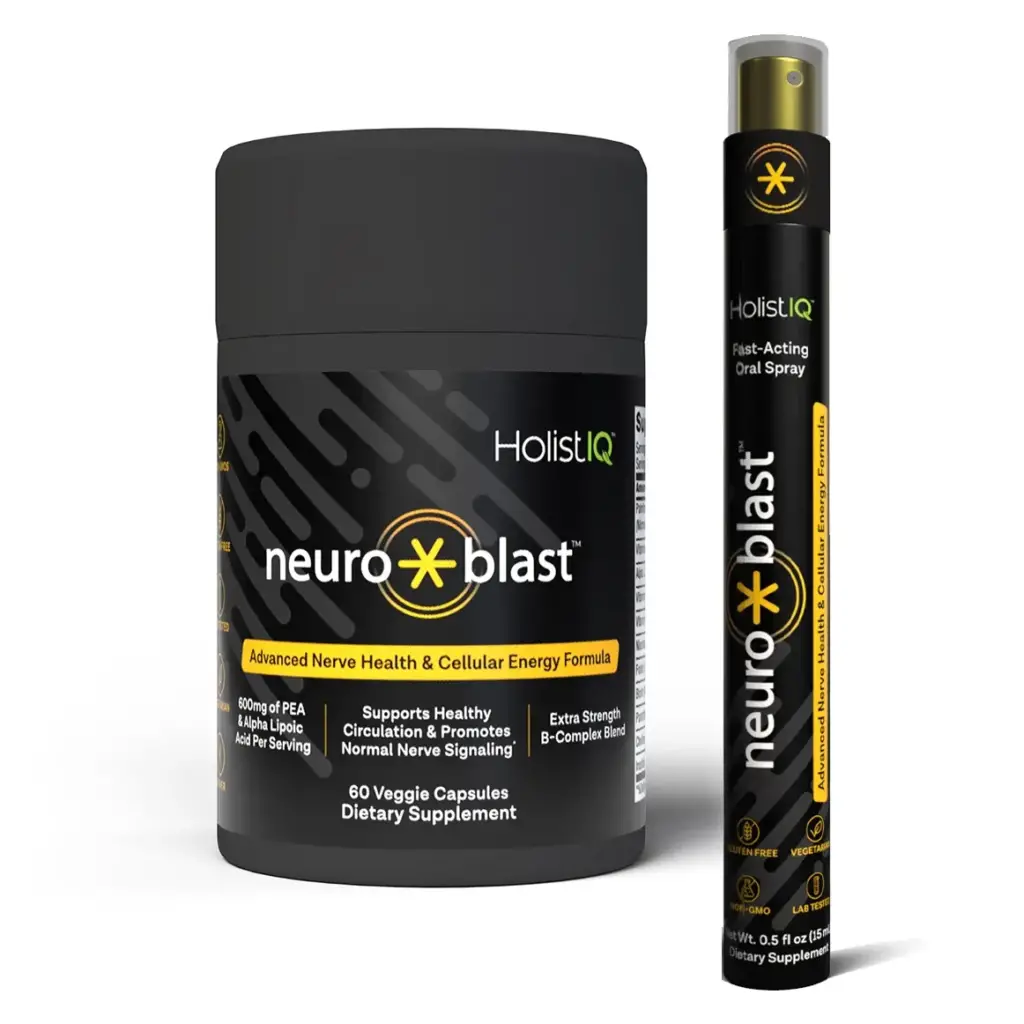
PEA comes in several different forms, and each has its own timeline for getting to work. Capsules are a popular choice because they’re simple and deliver a pre-measured dose. However, they have to pass through your digestive system first, which means it can take a bit longer to feel the effects. On the other hand, delivery methods like sublingual sprays, which you use under your tongue, can provide faster relief because the PEA is absorbed directly into your bloodstream. This is why a comprehensive approach like the Neuro-Blast System, which combines capsules for sustained support and a spray for more immediate needs, can be so effective.
How the Form You Take Changes Your Needs
Ultimately, the best form of PEA depends on your personal goals. Are you looking for steady, all-day support? Capsules might be your go-to. Do you need quicker relief for sudden flare-ups of nerve discomfort? A spray could be a great tool to have on hand. Some people even use powders, which allow for more customized dosing. The key is to understand how each form works so you can tailor your approach. A strategy that combines different forms can help you manage both long-term nerve health and acute moments of pain, giving you a more flexible and responsive plan for getting back to your life.
How to Start PEA Safely
Starting any new supplement can feel like a big step, but it doesn’t have to be complicated. When it comes to PEA, a thoughtful approach can make all the difference in finding the relief you’re looking for. The key is to be methodical: choose a quality product, find the right dose for your body, and pay attention to how you feel. Think of it as a partnership with your body. By following a few simple guidelines, you can safely see if PEA is the right fit for your nerve support plan and get one step closer to moving with comfort and ease again.
Choose a High-Quality Supplement
Since PEA is a dietary supplement, it isn’t regulated in the same way as prescription medication. This means quality can vary significantly from one brand to another. Look for products from reputable companies that are transparent about their ingredients and manufacturing processes. A high-quality supplement will often be certified for its contents, ensuring you’re getting a pure and effective product. Our doctor-led team developed Neuro-Blast with this in mind, focusing on a formula that provides deep, cellular-level support you can trust. Choosing a premium product is the first and most important step in your journey.
Start Low and Increase Gradually
The golden rule for starting PEA is “start low and go slow.” This gives your body time to adjust and helps you find the minimum effective dose for your needs. A common starting point is 400mg taken three times per day. Stick with this for a few weeks to see how your body responds. If you feel you need more support, you can gradually increase the amount. The goal is to find the sweet spot that works for you. The Neuro-Blast System is designed to make dosing simple, helping you stay consistent as you find your ideal amount.
Track Your Progress and Pain Levels
Patience is your best friend when starting PEA. It works by supporting your body’s natural processes, which can take time. You might not feel a dramatic change overnight. Many people begin to notice benefits within a few weeks, but it can take up to three months to experience the full effect. Consider keeping a simple journal to track your pain levels, mobility, and overall well-being. This can help you see subtle improvements over time and confirm that you’re on the right track. Seeing how others have progressed can also be encouraging, and you can read some of their stories here.
When to Talk to Your Doctor
It’s always a good idea to keep your doctor informed about any supplements you’re taking, including PEA. While it’s known for its excellent safety profile and can typically be taken with other pain medications, your doctor can offer personalized advice. They can help you monitor your progress and ensure it fits well with your overall health plan. If you’ve been taking a higher dose for one to two months and haven’t noticed a meaningful benefit, it may be time to discuss other options with your provider. For more answers to common questions, our FAQ page is a great resource.
Related Articles
- PEA Side Effects: Are They Common or Serious?
- Palmitoylethanolamide (PEA) Archives – Neuro-Blast
- PEA Pain Relief Reviews: Does It Really Work?
- Palmitoylethanolamide Side Effects: What to Know
Frequently Asked Questions
Is PEA just another painkiller? Not at all. Think of over-the-counter pain relievers as a temporary fix that blocks pain signals from reaching your brain. PEA works very differently. It’s a substance your body naturally produces to help calm inflammation and soothe irritated nerves directly at the source. Instead of just masking the discomfort, it works with your body on a cellular level to restore balance, which is why the relief can feel more meaningful and sustained over time.
Can I take PEA every day for a long time? Yes, and that’s one of its biggest advantages. Because PEA is a natural compound that your body already recognizes and produces, it has an excellent safety profile and is well-suited for long-term daily use. Unlike some other pain management options that can cause issues with extended use, PEA is gentle on your system, allowing you to consistently support your nerve health without worry.
What should I do if I miss a dose? If you happen to miss a dose, don’t worry or feel the need to double up. Just take your next scheduled dose as you normally would and continue with your regular routine. The goal with PEA is to maintain a consistent level in your system over time, so the most important thing is to get back on track and stick with it daily.
Why does the Neuro-Blast System have both capsules and a spray? We designed the system to give you comprehensive support. The capsules are for steady, all-day relief. They release PEA gradually to help manage nerve discomfort on a foundational level. The rapid-absorb oral spray is for those moments when you need faster support. It’s absorbed directly under the tongue, bypassing the digestive system to get to work more quickly on sudden flare-ups. Together, they provide a complete approach for both long-term management and immediate needs.
If PEA works so well, why isn’t it a prescription drug? PEA is classified as a dietary supplement because it’s a naturally occurring fatty acid amide that your body produces on its own. You can also find it in small amounts in foods like egg yolks and soybeans. Since it’s a natural compound and not a synthetic drug, it’s regulated as a supplement. This is also why it’s so important to choose a high-quality, doctor-led formula to ensure you’re getting a pure and effective product.