
Managing nerve discomfort often feels like a frustrating cycle of temporary fixes that never seem to address the root of the problem. Simply masking the pain doesn’t give your nerves the support they need to actually heal and function properly. A more effective strategy is to work with your body, providing it with the specific nutrients required for deep, cellular-level repair. This approach focuses on creating an internal environment where your nerves can thrive. In this article, we’ll break down the best vitamins for neuropathy in feet, focusing on the key players that help protect nerve tissue, fight inflammation, and support long-term health for lasting relief.
Key Takeaways
- Prioritize Key Nerve-Supporting Nutrients: Focus on a core group of vitamins and antioxidants, particularly the B-vitamin complex, Alpha-Lipoic Acid, and Vitamin D. These nutrients provide the essential building blocks for repairing nerve coatings and protecting cells from damage.
- Combine Diet and Supplements for Best Results: While a nutrient-rich diet creates a healthy foundation, it’s often not enough to provide the therapeutic doses needed for nerve repair. High-quality supplements fill this gap by delivering concentrated, targeted support where your body needs it most.
- Create a Smart and Safe Supplement Strategy: Always work with your healthcare provider before starting any new vitamin regimen. They can help you determine the right dosages, avoid harmful interactions with medications, and ensure your plan is both safe and effective for your specific needs.
What Is Foot Neuropathy?
If you’re dealing with tingling, numbness, or sharp pains in your feet, you’re not just imagining it. These sensations are often signs of foot neuropathy, a condition that affects the nerves connecting your brain and spinal cord to the rest of your body. Understanding what’s happening on a cellular level is the first step toward finding meaningful relief and getting back to the activities you love. Let’s break down what foot neuropathy is, what it feels like, and why the right nutrients are so important for your nerve health.
Defining Peripheral Neuropathy
Think of your nervous system as your body’s intricate communication network. Your peripheral nerves are the wires that carry messages between your brain and your feet, telling them to move or letting you know if you’ve stepped on something sharp. Peripheral neuropathy occurs when these nerve “wires” get damaged, causing those messages to get scrambled, delayed, or lost completely. This damage can stem from various sources, including diabetes, physical injuries, infections, and—importantly—a lack of essential vitamins. When your nerves don’t have the building blocks they need to stay healthy, their ability to communicate effectively starts to decline.
Common Symptoms You Might Feel
Because neuropathy disrupts nerve signals, the symptoms can feel strange and varied. You might experience a persistent “pins and needles” sensation, a burning feeling, or sharp, jabbing pains that appear out of nowhere. For many, it starts with a gradual numbness in the toes that slowly spreads up the feet. This loss of feeling can be particularly concerning, as it makes it harder to notice small cuts or injuries, which can lead to more serious problems. These symptoms aren’t just minor annoyances; they are your body’s way of telling you that your nerves are under stress and need support.
Why Vitamins Are Key for Nerve Health
Your nerves are living tissue, and just like the rest of your body, they require specific nutrients to function correctly and repair themselves. Vitamins, especially B vitamins, are crucial for maintaining the protective coating around your nerves (called the myelin sheath) and fueling the energy processes within nerve cells. A deficiency in key vitamins can directly contribute to nerve damage or make existing neuropathy worse. Providing your body with the right nutrients gives your nerves the resources they need to fight back against damage. This is why a system that supports the nervous system on a deep, cellular level can make a significant difference.
How Vitamins Support Your Nerves
Think of your nervous system as a complex electrical grid. For it to work properly, it needs the right materials for maintenance and fuel for energy. Vitamins and other key nutrients are those essential supplies. When your body doesn’t get enough of them, this intricate system can start to break down, leading to the tingling, numbness, and pain associated with neuropathy. Providing your body with the right vitamins helps ensure your nerves have what they need to function, repair, and protect themselves from further damage.
This isn’t about finding a single magic bullet, but rather about creating a supportive environment for your nerves. Just as you need a balanced diet for overall health, your nerves require a specific mix of nutrients to maintain their structure and signaling ability. Deficiencies in certain vitamins, especially the B-group, are directly linked to nerve issues. By addressing these nutritional gaps, you can give your body a foundational tool to manage nerve discomfort and support its natural healing processes. The goal is to reinforce your body’s own ability to maintain a healthy nervous system from the inside out.
Fueling Cellular Repair
Your nerves are constantly working, and that requires a lot of energy. B vitamins are the superstars when it comes to fueling your nerve cells. They play a critical role in everything from converting food into cellular energy to helping build and maintain the protective coating around your nerves, known as the myelin sheath. When this coating is healthy, nerve signals travel quickly and efficiently. According to the Mayo Clinic, deficiencies in key B vitamins like B1, B6, and B12 can directly contribute to nerve damage. Supplying your body with these nutrients gives your nerves the raw materials they need for daily repair.
Protecting Nerves with Antioxidants
Every day, your cells face a threat called oxidative stress, which is damage caused by unstable molecules. This process can be particularly harmful to nerve cells. Antioxidants are powerful compounds that act like a security team, neutralizing these damaging molecules before they can cause harm. Alpha-Lipoic Acid (ALA) is a potent antioxidant that has been studied for its ability to protect nerve tissue. Research suggests it can be particularly helpful in shielding nerves from oxidative damage, which is a common concern for people with diabetic neuropathy. By reducing this cellular stress, antioxidants help create a safer environment for your nerves to thrive.
What the Research Says About Vitamin Effectiveness
While many people report positive results from using vitamins for nerve support, it’s helpful to know what the science says. Several studies have explored the connection between specific nutrients and nerve health. For example, some research indicates that Alpha-Lipoic Acid may help improve symptoms like pain and numbness, though results can be mixed. Additionally, animal studies have found that B vitamins and other supplements may help with neuropathy symptoms. A small 2017 study specifically noted that ALA was useful in protecting against oxidative damage in people with diabetic neuropathy. This growing body of research highlights how targeted nutrition can be a valuable part of a comprehensive nerve support plan.
The Best B Vitamins for Nerve Relief
When it comes to nerve health, the B-vitamin family is a team of all-stars. These essential nutrients are famous for their role in energy production, but they are just as critical for maintaining a healthy, functioning nervous system. They help build and protect nerve cells, ensure signals are sent correctly, and even help reduce inflammation. Because B vitamins are water-soluble, your body doesn’t store them for long, which means you need to get them regularly through your diet or supplements. For anyone dealing with the discomfort of neuropathy, understanding what each B vitamin does is the first step toward finding relief. Let’s look at the key players and how they work together to support your nerves.
Vitamin B1 (Thiamine): The Nerve Messenger
Think of Vitamin B1, or thiamine, as the primary energy source for your nerve cells. Nerves require a tremendous amount of energy to send signals correctly throughout your body, and thiamine is essential for converting carbohydrates into that usable fuel. It also plays a vital part in creating neurotransmitters—the chemical messengers that allow your nerves to communicate. When thiamine levels are low, this communication can break down, leading to symptoms like tingling and numbness, particularly in the feet. Ensuring you have enough thiamine is a foundational step in supporting nerve function and maintaining a healthy nervous system.
Vitamin B6 (Pyridoxine): Benefits and Cautions
Vitamin B6 is another key player in the health of your nervous system, helping to produce important neurotransmitters like serotonin and norepinephrine that regulate mood and communication between nerve cells. It’s crucial for maintaining the health of the myelin sheath, the protective covering around your nerves. However, this is one vitamin where more is not better. While a deficiency can contribute to neuropathy, taking excessively high doses of B6 can actually cause or worsen nerve damage. It’s important to stick to recommended amounts and talk with your doctor before starting a high-dose supplement to find the right balance for your body.
Vitamin B12 (Cobalamin): Repairing Nerve Coatings
If your nerves were electrical wires, Vitamin B12 would be the insulation. This vitamin is absolutely essential for building and maintaining the protective myelin sheath that covers your nerves. Without enough B12, this coating can wear away, leaving nerves exposed and vulnerable to damage. This can disrupt nerve signals, leading to the classic symptoms of peripheral neuropathy. A B12 deficiency is a well-known cause of nerve issues, so ensuring you have adequate levels is critical for anyone looking to repair and protect their nerves. It’s especially important for older adults and those on certain diets, who may be at higher risk for deficiency.
Why a B-Complex Offers Comprehensive Support
While each B vitamin has a specific job, they all work together as a team. Think of them as a crew working on the same project: your nervous system. A deficiency in one can impact the effectiveness of the others. This is why a B-complex supplement, which contains a blend of several B vitamins, is often recommended for nerve health. This approach ensures your body has all the tools it needs to work synergistically. A comprehensive B-complex can help fuel nerve cells, maintain the myelin sheath, and support proper signaling all at once, offering a more complete strategy for managing neuropathy symptoms than taking a single B vitamin alone.
More Powerful Nerve Protectors to Know
While B vitamins get a lot of attention for nerve health, they aren’t the only players on the field. Several other vitamins and antioxidants offer powerful support by protecting your nerves from damage, helping them repair, and even easing pain signals. Think of them as the essential backup crew for your nervous system. Getting to know these nutrients can add another layer of support to your daily routine, helping you build a more comprehensive plan for managing foot neuropathy and staying active.
Vitamin D for Nerve Function and Pain Relief
Vitamin D, often called the “sunshine vitamin,” does more than just support strong bones. It’s also crucial for nerve function and helps your body absorb calcium effectively. When your Vitamin D levels are low, you might find that your sensitivity to pain increases, which can make neuropathy symptoms feel even more intense. Ensuring you have enough of this vital nutrient can be a simple yet effective step in managing nerve-related discomfort. Whether through safe sun exposure, fortified foods, or a quality supplement, keeping your Vitamin D levels in a healthy range is a smart move for your nerves.
Alpha-Lipoic Acid (ALA), a Potent Antioxidant
Think of Alpha-lipoic acid (ALA) as a personal bodyguard for your nerve cells. It’s a powerful antioxidant that works to protect your tissues from the kind of damage that can lead to or worsen neuropathy, especially in cases related to diabetes. What makes ALA unique is that it’s both water- and fat-soluble, meaning it can work in every part of your body. Some studies have also shown it has the potential to help lower blood sugar levels. While more research is always helpful, incorporating ALA can be a great way to give your nerves an extra layer of defense against oxidative stress.
Acetyl-L-Carnitine (ALCAR) for Nerve Regeneration
Acetyl-L-carnitine, or ALCAR, is an amino acid that plays a big part in your body’s energy production. It’s particularly important for maintaining nerve cell health because it helps fuel the cells that need to repair and regenerate. For people with neuropathy, this is a huge deal. Research suggests that ALCAR can help reduce pain and improve how well your nerves function, especially if you start taking it early on in your neuropathy journey. By supporting your body’s natural repair processes at a cellular level, ALCAR can help you get ahead of nerve damage and discomfort.
Magnesium for Clearer Nerve Signals
Magnesium is a mineral that’s involved in over 300 processes in your body, including sending and receiving nerve signals. When it comes to neuropathy, magnesium may help facilitate nerve regeneration and has been linked to reduced symptoms in some patients. Think of it as helping to clear the lines of communication between your brain and your feet, allowing for stronger, clearer signals. A diet rich in magnesium—found in foods like leafy greens, nuts, and seeds—is a great foundation for nerve health. For those who need extra support, a supplement can help ensure your nerves have the magnesium they need to function properly.
Which Vitamins Are Most Effective for Foot Neuropathy?
When you’re dealing with nerve discomfort, you want to know what truly works. While many nutrients play a role in your body’s overall function, some are particularly powerful for supporting nerve health and easing the symptoms of foot neuropathy. Think of these vitamins and supplements as a specialized support team for your nervous system. They work by protecting nerve cells from damage, helping them repair, and reducing the inflammation that can make pain worse. Let’s look at the top contenders, what science says about them, and a few hidden gems you might not know about.
Comparing the Top Nutrients
If you’re building a foundation for nerve support, B vitamins are the cornerstone. Vitamins B1, B6, and B12 are essential for basic nerve health and function. Another key player is Vitamin D. Low levels of this “sunshine vitamin” have been linked to increased pain sensitivity, so ensuring you have enough is important for managing discomfort. Finally, Alpha-Lipoic Acid (ALA) is a potent antioxidant that helps protect your nerve tissues from damage. These three—B vitamins, Vitamin D, and ALA—are often the first line of nutritional support recommended for those with neuropathy.
Science-Backed Recommendations for Best Results
Beyond the basics, research points to several other compounds that can make a real difference. Studies show that Acetyl-L-Carnitine can help reduce pain and improve nerve function, especially when started early. Magnesium is another crucial mineral that may support nerve regrowth and help keep signals clear. Don’t forget about Omega-3 fatty acids, commonly found in fish oil. These healthy fats are fantastic for fighting inflammation, which is often a major contributor to neuropathy symptoms. Including these science-backed options can provide a more comprehensive approach to managing your nerve health.
Key Supplements People Often Overlook
Some of the most effective nutrients for nerve support aren’t as well-known. Curcumin, the active compound in turmeric, has powerful anti-inflammatory and antioxidant properties that can help soothe irritated nerves. Another one is N-Acetyl Cysteine (NAC), an antioxidant that may protect nerves from swelling and damage. Zinc also plays an important role as an anti-inflammatory agent that can influence pain pathways. These supplements are often overlooked but can be incredibly helpful additions to your routine, offering another layer of protection and support for your hard-working nerves.
How Do Vitamins Actually Reduce Neuropathy Pain?
It’s easy to think of vitamins as a simple fix, but their role in managing neuropathy pain is much more complex and targeted. They don’t just mask the symptoms; they work on a cellular level to address the root causes of nerve damage and discomfort. Think of it like tending to a garden. You can’t just pull the weeds; you also need to nourish the soil so healthy plants can grow. Similarly, the right vitamins provide the essential building blocks your nerves need to repair themselves, defend against damage, and communicate effectively.
By supplying your body with these specific nutrients, you’re supporting the natural processes that protect and regenerate nerve tissue. This involves everything from rebuilding the protective coating around your nerves to fighting off the inflammation and cellular stress that cause so much of the pain. Understanding this process helps you see that taking vitamins isn’t just about chasing relief—it’s about investing in the long-term health of your nervous system. The goal is to create an internal environment where your nerves can truly thrive, allowing you to get back to the activities you love.
The Process of Nerve Repair and Protection
Your nerves are like intricate electrical wires that need proper insulation and energy to work correctly. B vitamins—especially B1, B6, and B12—are fundamental for this. They help maintain the myelin sheath, the protective coating around your nerves, ensuring signals are sent clearly and without interruption. Another key player is Acetyl-L-Carnitine, which helps your cells produce the energy needed for nerve repair. When your body has a steady supply of these nutrients, it has the tools to mend damaged nerves and protect them from further harm. This is the foundation of providing true cellular-level support for your nervous system.
How Long Until You Might Notice a Difference?
This is the question everyone asks, and the honest answer is: it varies. Nerve repair is a gradual process, not an overnight event. The time it takes to feel a change depends on several factors, including the extent of the nerve damage, your overall health, and how consistent you are with your vitamin regimen. Some people report feeling subtle improvements in a few weeks, while for others, it may take a few months to notice a significant shift in pain, tingling, or numbness. It’s helpful to read about other people’s experiences to set realistic expectations. Patience and consistency are your best allies on this journey.
Addressing Nerve Stress and Inflammation
Much of the pain from neuropathy comes from two culprits: inflammation and oxidative stress. Oxidative stress is essentially cellular damage caused by unstable molecules, and it can wreak havoc on your delicate nerve endings. This is where antioxidants come in. Alpha-Lipoic Acid (ALA) is a powerful antioxidant that helps neutralize these damaging molecules and can even help your body recycle other antioxidants. At the same time, nutrients like Vitamin D play a crucial role in managing inflammation throughout the body. By tackling both stress and inflammation, these dietary supplements help create a calmer, healthier environment for your nerves.
Food vs. Supplements: Which Is Better for Nerve Health?
When it comes to supporting your nerves, the debate between getting nutrients from food versus supplements is a common one. The simple answer is that you really need both. Think of it as a partnership: a healthy diet builds the foundation, while targeted supplements provide the high-potency support your nerves need to repair and function properly. Food gives your body a wide array of vitamins, minerals, and antioxidants in their natural state, which is always the best place to start.
However, getting the therapeutic amounts of specific vitamins needed to address nerve discomfort through diet alone can be incredibly difficult. Factors like age, certain health conditions, and medication use can also affect how well your body absorbs nutrients from food. This is where a high-quality supplement comes in. It delivers concentrated, bioavailable forms of the exact nutrients your nerves are craving, filling in any gaps your diet might leave behind. A combined approach gives you the most comprehensive support to help you get moving again.
Vitamin-Rich Foods to Add to Your Diet
Building a nerve-friendly diet is a powerful first step. Focus on whole foods packed with the nutrients your nervous system relies on. You can start by incorporating more vitamin-rich foods that are known to support nerve function. For B vitamins, which are critical for nerve signaling, add eggs, lean poultry, and leafy greens like spinach to your meals. To get more omega-3 fatty acids, which help reduce inflammation, try adding fatty fish like salmon, walnuts, and flaxseeds to your weekly rotation. Don’t forget Vitamin D, which you can get from fortified milk and direct sunlight. These foods create a strong nutritional base for your body to work from.
When to Consider Using a Supplement
While a healthy diet is essential, there are times when you should consider supplements for more targeted support. If you have a known vitamin deficiency, such as low B12, a supplement is often necessary to restore your levels. Neuropathy itself can sometimes be caused or worsened by these deficiencies. Furthermore, the amount of a specific vitamin needed to actively repair nerve damage is often much higher than what you can realistically get from food. It’s always important to talk with your doctor before adding any new supplement, as they can interact with medications and need to be taken correctly for your specific health needs.
How to Choose a High-Quality Supplement
Not all supplements are created equal, and choosing the right one is key for safety and effectiveness. Low-cost vitamins are often made with synthetic ingredients that your body can’t absorb well, meaning you won’t get the benefits. In some cases, the wrong form of a vitamin, like certain types of B6, can even be counterproductive. When looking for a supplement, check for products that use bioavailable forms of nutrients, which are easier for your body to use. A complete nerve support system designed by doctors ensures the ingredients are included at the right dosages and work together to provide deep, cellular-level support.
Important Safety and Risk Factors
Adding vitamins to your routine can be a game-changer for nerve health, but it’s important to approach it with care. More isn’t always better, and the quality of what you take matters immensely. Think of it less like a guessing game and more like a precise science. The goal is to give your body exactly what it needs to support nerve function without overloading it or causing unintended problems. This is why understanding the potential risks is just as important as knowing the benefits.
Before you start any new supplement, especially if you’re managing other health conditions or taking medications, having a conversation with your healthcare provider is the best first step. They can help you make informed choices that align with your specific health needs. A well-designed nerve support system considers these complexities from the start, using specific nutrient forms and dosages that are both effective and safe. The key is to work with your body, not against it, by providing targeted support that addresses the root causes of discomfort. By being mindful of dosage, potential interactions, and your body’s signals, you can use vitamins as a powerful and safe tool on your path to feeling better.
Finding the Right Dosage
When it comes to vitamins, the right dosage is everything. Too little won’t have the desired effect, while too much can be harmful. It’s also crucial to recognize that not all supplements are created equal. If you’re buying supplements based on price alone, you might be getting poorly made vitamins that your body can’t properly absorb. In some cases, these low-quality formulas can even create a toxic effect that damages your nerves.
It’s also helpful to understand what dosage recommendations mean. The Recommended Dietary Allowances (RDAs) you see on labels refer to the total amount of a nutrient you need from all sources—including food, drinks, and supplements. A thoughtful approach ensures you’re getting a therapeutic amount that supports your nerves without pushing you into a toxic range.
Potential Drug Interactions and Side Effects
Just because supplements are available over the counter doesn’t mean they exist in a bubble. They can interact with prescription and non-prescription medications, sometimes affecting how well your medicine works or causing unexpected side effects. For example, certain supplements can interfere with blood thinners, blood pressure medications, or diabetes treatments.
A specific concern for neuropathy is vitamin B6. While essential for nerve health, excessive supplementation can lead to vitamin B6 toxicity, a condition that can actually cause or worsen sensory neuropathy. This is why it’s so important to review your entire health plan with a professional. Your doctor or pharmacist can help you spot potential drug-nutrient interactions and ensure your supplement strategy is safe and supportive.
Warning Signs of Vitamin Toxicity
Your body is great at using what it needs and getting rid of the excess, but high doses of certain vitamins can overwhelm this system, leading to toxicity. Many supplements on the market contain forms of B vitamins—especially B6—that either don’t help or can actively make neuropathy worse. This is why paying attention to how you feel is so important.
Warning signs of vitamin toxicity can vary but may include worsening numbness or tingling, muscle weakness, skin rashes, nausea, or stomach pain. If you start a new supplement and notice any new or worsening symptoms, it’s a clear signal to stop taking it and check in with your doctor. Listening to your body is one of the most effective ways to stay safe and ensure your vitamin plan is truly helping you.
Common Myths About Vitamins for Neuropathy
When you’re dealing with nerve discomfort, you’ll try almost anything to find relief. It’s easy to get lost in a sea of information, where bold claims and “miracle” solutions are everywhere. Let’s clear up some of the most common myths about using vitamins for neuropathy so you can make informed choices for your health. The goal isn’t to find a magic pill, but to build a solid, science-backed strategy that gives your nerves the support they need to function better.
Separating “Cures” from Real Support
You’ve probably seen ads for supplements that promise to cure neuropathy overnight. It’s important to approach these with a healthy dose of skepticism. While vitamins are absolutely essential for nerve health, they are part of a supportive approach, not a standalone cure. The truth is, many supplements on the market aren’t created with nerve health in mind. Some even contain the wrong forms of B vitamins—especially B6—which can fail to help or, in some cases, even make symptoms worse. True support comes from giving your body the specific, high-quality nutrients it needs to foster an environment for nerve repair. It’s about consistent, targeted nourishment, not a quick fix.
Setting Realistic Expectations
One of the most discouraging myths is that nerve damage is always permanent and can’t be improved. While it’s true that managing neuropathy is a long-term process, it’s not a hopeless one. Your body has an incredible capacity for healing, and providing it with the right building blocks is a key step. Vitamins and other nutrients work by supporting your body’s natural repair mechanisms and protecting nerves from further stress. This process takes time. You won’t see a change overnight, but with consistency, you can create the right conditions for your nerves to heal and rebuild. Reading through real stories from others on a similar path can be a powerful reminder that progress is possible.
Why Diet Alone May Not Be Enough
A healthy diet full of whole foods is the foundation of wellness, and it’s non-negotiable for managing neuropathy. Cutting back on processed foods, sugar, and refined carbs is a huge step in the right direction. However, relying on diet alone might not be enough to get your nerves the high-potency support they need. As we age, our bodies sometimes become less efficient at absorbing nutrients from food. Furthermore, the amount of a specific vitamin needed to actively support nerve repair can be much higher than what you can realistically get from your meals. This is where a targeted supplement can make a real difference, filling in the gaps and delivering therapeutic amounts of the nutrients your nerves are craving. A complete nerve support system is designed to provide these specific nutrients in forms your body can easily use.
Create Your Vitamin Plan for Foot Neuropathy
Ready to put this knowledge into action? Building a vitamin plan that works for you is about more than just buying a few bottles from the store. It’s about creating a smart, safe, and personalized strategy to support your nerve health from the inside out. A thoughtful approach ensures you’re getting the right nutrients in the right amounts without creating new problems. Think of it as a three-step process: consulting with a professional, listening to your body, and integrating your vitamin routine into a broader plan for wellness. Let’s walk through how to do it right.
Talk with Your Healthcare Provider
Before you start any new supplement, your first step should always be a conversation with your doctor. This is non-negotiable, especially when managing a condition like neuropathy. Your doctor can run tests to see if you have any vitamin deficiencies and recommend specific dosages based on your unique health profile. More importantly, they can help you avoid risky situations. As the Mayo Clinic points out, some supplements can interfere with medications or even cause harm to your kidneys. This conversation isn’t just a formality—it’s a crucial step to ensure your vitamin plan is both safe and effective.
Monitor Your Progress and Make Adjustments
Once you and your doctor have settled on a plan, your role is to pay attention to how you feel. Your body is the ultimate source of feedback. Are you noticing any changes in your symptoms? Do you feel any different, for better or worse? Keep a simple log to track your progress and any side effects. It’s also important to remember that more isn’t always better. Taking too much of any supplement can be harmful, so stick to the recommended dosage. Schedule regular check-ins with your healthcare provider to discuss your progress. They can make adjustments to your plan as needed to ensure you continue to get the best results safely.
Pair Vitamins with a Complete Nerve Support System
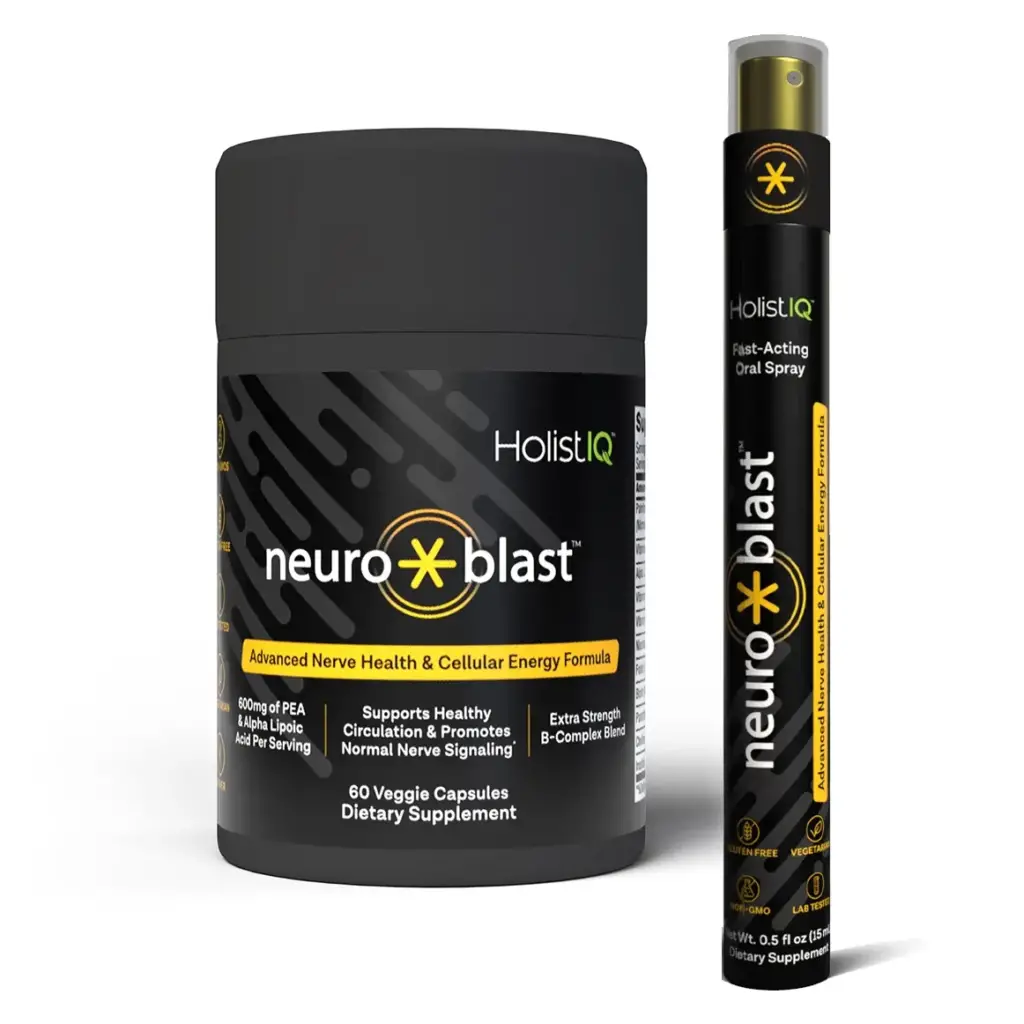
Vitamins are a fantastic tool, but they work best as part of a team. Research suggests that supplements are most helpful when used alongside other proven strategies for managing neuropathy. This includes a healthy diet, regular exercise, and any treatments your doctor has prescribed. For truly comprehensive care, consider integrating your vitamin plan with a system designed for deep, cellular-level support. The Neuro-Blast system, for example, combines essential nutrients in a targeted way to help address the root causes of nerve discomfort. By pairing the right vitamins with a complete nerve support system, you give your body a powerful, multi-faceted approach to feeling better and getting moving again.
Related Articles
- The 4 Best Vitamins for Neuropathy Nerve Pain
- The 6 Best Vitamins for Nerve Damage and Repair
- B Vitamins Archives – Neuro-Blast
- 6 Key Vitamins for Neuropathy in Your Feet
Frequently Asked Questions
How long will it take to feel a difference after starting vitamins for nerve pain? Nerve repair is a gradual process, so patience and consistency are key. While some people report subtle improvements within a few weeks, it can take a few months to notice a more significant shift in sensations like tingling or numbness. The timeline really depends on your individual health and the extent of the nerve damage. Think of it as providing your body with a steady supply of construction materials—it takes time to rebuild.
Can I get all the nutrients I need for nerve health just from my diet? A healthy diet is the best foundation, but it can be very difficult to get the high-potency amounts of specific nutrients needed for nerve repair from food alone. For example, you would need to eat an enormous amount of certain foods to get a therapeutic dose of Alpha-Lipoic Acid. Supplements help fill in these gaps, delivering a concentrated dose of the exact nutrients your nerves need to heal.
I’ve heard that taking too much of a certain vitamin can be bad for you. Is that true? Yes, that’s absolutely correct, and it’s why quality and proper dosage are so important. For instance, while Vitamin B6 is crucial for nerve health, taking excessively high doses of a low-quality synthetic form can actually cause or worsen nerve damage. This is why it’s essential to talk with your doctor and choose a well-formulated system that provides nutrients in safe, effective amounts.
With so many options, which vitamins are the most important to start with? If you’re building a foundational plan for nerve support, the B-vitamin family is the best place to start, particularly B1, B6, and B12. These are the workhorses for nerve function and repair. Beyond that, the antioxidant Alpha-Lipoic Acid (ALA) is another key player for protecting nerve cells from damage. These nutrients provide a powerful and well-rounded starting point for your routine.
Will taking these vitamins completely cure my foot neuropathy? It’s important to see vitamins as a powerful tool for support, not an overnight cure. Neuropathy is a complex condition, and managing it involves a comprehensive approach. These nutrients work by giving your body the resources it needs to repair nerve tissue, reduce inflammation, and protect against further damage. This can lead to a significant reduction in symptoms and improved function, but it’s about supporting your body’s healing process over the long term.