
The tingling, numbness, and sharp pains in your legs are often your nerves crying out for help. Your nervous system relies on a steady supply of oxygen-rich blood to function correctly. When circulation is compromised, this vital supply line gets disrupted, and your nerves are the first to feel the effects. This deep connection between blood flow and nerve health is why understanding what are the symptoms of poor blood circulation in the legs is so critical. These symptoms are direct signals that your nerves aren’t getting the support they need. By recognizing them, you can address the problem at its source and help restore comfort and mobility.
Key Takeaways
- Listen to What Your Legs Are Telling You: Don’t dismiss symptoms like muscle cramping during walks, constant cold feet, or slow-healing sores. These are direct signs that your legs aren’t getting the blood flow they need to function properly.
- Simple Habits Make a Big Difference: Improving circulation doesn’t require extreme measures. Incorporating daily walks, focusing on a whole-foods diet, and working to quit smoking are powerful, practical steps you can take to support your blood vessels.
- Nourish Your Nerves to Manage Discomfort: The tingling, numbness, and pain from poor circulation are distress signals from your nerves. Since restricted blood flow starves them of nutrients, providing direct cellular support for your nervous system is a key strategy for finding relief.
What Is Poor Circulation in the Legs?
Think of your circulatory system as your body’s internal delivery service. It’s responsible for sending blood, oxygen, and nutrients to every single cell. When this system is running smoothly, everything works as it should. But when something disrupts that flow, it creates what we call poor circulation. This means your cells aren’t getting enough of the good stuff, and waste isn’t being carried away efficiently.
Poor circulation often shows up in the parts of your body farthest from your heart, like your hands, feet, and especially your legs. It’s not a disease on its own but rather a symptom of an underlying health issue. Ignoring it can lead to discomfort and more serious problems down the line. Understanding what’s happening inside your body is the first step toward finding relief and getting back to the activities you love. That’s why recognizing the signs and knowing the causes are so important for your overall health and mobility.
How Leg Circulation Works
Your heart pumps oxygen-rich blood through your arteries to the rest of your body, all the way down to your toes. Once the cells have taken the oxygen and nutrients they need, your veins carry the deoxygenated blood back to the heart to start the cycle over again. The journey from your legs back to your heart is an uphill battle against gravity. When blood vessels become damaged or narrowed, this process gets sluggish. This limited blood flow is the core of poor circulation, and it can start slowly before causing noticeable problems.
What Causes Poor Circulation?
Several factors can slow down your circulation. One of the most common culprits is a condition called peripheral artery disease (PAD), which is often caused by atherosclerosis. This is when a fatty, waxy substance called plaque builds up inside your arteries, making them narrow and stiff. It’s like a traffic jam in your blood vessels.
Other common causes of poor circulation include:
- Diabetes: High blood sugar can damage blood vessels over time.
- High Blood Pressure: This can weaken artery walls, making them more susceptible to plaque buildup.
- Blood Clots: These can block blood flow partially or completely.
- Smoking: Nicotine damages the lining of the arteries and makes blood thicker.
These conditions can affect your entire body, including the delicate network of nerves that rely on a healthy blood supply to function correctly. Supporting your system on a cellular level is key, which is why understanding how it all works together is so crucial.
Signs of Poor Circulation in Your Legs
Your body has a way of sending you signals when something isn’t quite right, and your legs are often one of the first places to raise a flag. Poor circulation happens when blood flow to a specific part of your body, like your legs, is reduced. This means your tissues aren’t getting all the oxygen and nutrients they need to function properly. While it might start as a minor annoyance, ignoring the signs can lead to more serious issues down the road.
Think of your circulatory system as a complex highway system, with your heart as the central hub. When there’s a traffic jam or a roadblock in the arteries and veins leading to your legs, the delivery of oxygen-rich blood slows to a crawl. This “traffic jam” can be caused by various conditions, most notably peripheral artery disease (PAD), where plaque builds up in the arteries. Recognizing the early warning signs is the first and most important step you can take toward addressing the root cause and getting back to feeling your best. Let’s walk through the specific symptoms to watch for, from physical sensations to visible changes in your skin.
Physical Symptoms Not to Ignore
Some of the most common signs of poor circulation are feelings you can’t see. You might experience numbness or a tingling, “pins-and-needles” sensation in your legs and feet, similar to when your foot falls asleep. Swelling, also known as edema, in your feet and ankles is another tell-tale sign, as reduced blood flow can cause fluid to accumulate. One of the more serious warning signs of poor circulation is the development of sores or ulcers on your feet that are slow to heal. Because the area isn’t getting enough blood, your body’s natural healing process is compromised, making even small cuts a potential problem.
Changes in Skin and Temperature
Your skin can offer some of the clearest visual clues about your circulation. Do your feet always feel cold, even when you’re bundled up? A constant coldness in your legs or feet is a classic symptom. You might also notice changes in skin color. Your skin may look unusually pale or even take on a bluish tint, which indicates a lack of oxygenated blood. In some cases, the skin on your legs might appear shiny and tight. Another surprising sign is a change in hair and nail growth. You may find that the hair on your legs grows slower than it used to or stops growing altogether, and your toenails may become brittle and grow more slowly. These are all signs that your peripheral artery disease may be affecting nutrient delivery.
Pain and Cramping Patterns
Pain is often what finally gets our attention, and the pain from poor circulation has a distinct pattern. You might feel cramping, aching, or a sense of tiredness in your calf, thigh, or foot muscles. The key characteristic of this pain, known as claudication, is that it typically appears during physical activity like walking or climbing stairs and then disappears after a few minutes of rest. This happens because your muscles demand more oxygen when you’re active, and your compromised circulation just can’t keep up. Once you stop moving, the demand for oxygen decreases, and the pain subsides. This predictable, on-and-off pattern is a major indicator that it’s time to investigate the cause.
How Poor Leg Circulation Impacts Your Health
Ignoring the signs of poor circulation is more than just putting up with discomfort—it can have significant consequences for your overall health. When your legs and feet don’t get the oxygen-rich blood they need, it sets off a chain reaction that can affect everything from your skin to your nerves and even your mobility. Think of it as a traffic jam in your body’s delivery system. Essential nutrients and oxygen can’t get where they need to go, and waste products can’t be cleared out efficiently. This slowdown can lead to a range of issues, some of which can become quite serious if left unaddressed. Understanding these potential impacts is the first step toward taking control and getting the support your body needs to function at its best.
The Risks of Leaving Circulation Issues Untreated
It’s easy to dismiss cold feet or occasional leg cramps as minor annoyances, but they can be early warnings of bigger problems. When blood flow is consistently restricted, it can lead to serious conditions like peripheral artery disease (PAD), a condition where narrowed arteries reduce blood flow to your limbs. Over time, this can increase the risk of blood clots, heart attack, and stroke. Addressing circulation issues early on isn’t just about feeling more comfortable; it’s a crucial part of protecting your long-term cardiovascular health. Paying attention to your body’s signals and discussing them with a doctor can help you manage these risks before they become more severe.
How It Affects Wound Healing and Infections
Have you ever noticed that a small cut or scrape on your leg or foot takes forever to heal? Poor circulation is often the culprit. Your blood carries the oxygen, nutrients, and immune cells necessary for tissue repair. When that supply line is slow, the healing process stalls. Cuts or sores that linger for weeks are a clear sign that your tissues aren’t getting enough blood to mend themselves properly. This slow healing doesn’t just leave you with a nagging wound; it also opens the door for infections. A minor injury can become a serious problem if your body can’t fight off bacteria effectively, making proactive care essential.
The Link Between Nerve Damage and Mobility
That tingling “pins and needles” feeling in your legs and feet is a classic sign that your nerves aren’t happy, and poor circulation is often to blame. Nerves require a steady supply of oxygenated blood to function correctly. When they’re deprived of it, they can start sending faulty signals, leading to numbness, tingling, and pain. This discomfort can directly impact your mobility. You might experience cramping or heaviness in your calves when you walk, which only gets better with rest. This nerve-related discomfort can make it difficult to stay active and enjoy your daily life. Providing deep, cellular-level nerve support can help address the root cause of this discomfort.
When to See a Doctor for Circulation Symptoms
While it’s great to be informed about your health, self-diagnosing can be tricky. Some symptoms are more than just minor annoyances—they’re your body’s way of telling you it’s time to call in a professional. Knowing the difference between a sign that warrants a doctor’s visit and one that requires immediate medical attention is key to protecting your health and mobility. Let’s walk through what to look for so you can feel confident in your next steps.
Red Flags: When to Seek Immediate Medical Help
Some circulation symptoms are urgent and shouldn’t be ignored. If you experience any of these red flags, it’s time to seek immediate medical help. A sudden and dramatic change in skin color—like your skin turning purple, black, or stark white—can signal a severe blockage. Similarly, if a leg or foot suddenly becomes cool to the touch, pale, or numb, it’s a major warning sign of a complication from peripheral artery disease. These symptoms indicate a critical lack of blood flow that needs to be addressed by a medical professional right away to prevent serious damage. Don’t wait—head to an emergency room or call for help immediately.
Symptoms That Mean It’s Time for a Check-Up
Other symptoms might not feel like an emergency, but they are clear signals that you should schedule a check-up with your doctor. Don’t dismiss persistent pain in your legs or arms that doesn’t go away, even when you’re resting. This could point to an underlying circulation issue. You should also book an appointment if you notice your legs are red, hot, or swollen, as this can indicate a problem that needs a closer look. Finally, the appearance of new sores or ulcers on your legs is another important reason to see your healthcare provider. Being proactive is the best way to manage your health and stay active.
How to Improve Leg Circulation
Taking proactive steps to improve your leg circulation can have a huge impact on your comfort, mobility, and overall health. The great news is that many effective strategies are within your control, from simple daily habits to working with your doctor on a treatment plan. By focusing on movement, diet, and a few helpful techniques, you can support better blood flow and help your body, including your nerves, get the oxygen and nutrients it needs to thrive. Let’s walk through some of the most effective ways to get your circulation moving in the right direction.
Medical Treatment Options
If you’re experiencing symptoms of poor circulation, the first and most important step is to talk with your doctor. They can perform a physical exam and run tests to get to the root of the issue. Based on their findings, a medical treatment plan can be tailored specifically for you. This might involve medications to manage underlying conditions like high blood pressure or high cholesterol, which are common culprits behind circulation problems. In some cases, your doctor might recommend a structured exercise program or other procedures. Don’t hesitate to start this conversation; getting a proper diagnosis is key to finding the most effective path forward for your health.
Exercises to Get Your Blood Flowing
Gentle, consistent movement is one of the best things you can do for your circulation. You don’t need to run a marathon to see benefits. Walking is a fantastic place to start. A helpful approach is to walk until you feel discomfort, rest for a moment, and then start again. This method can encourage your body to form new, small blood vessels, creating natural bypasses around any blockages. Other low-impact activities like swimming, cycling, or even simple leg lifts and ankle pumps while seated can also get your blood flowing. The goal is to make regular physical activity a part of your daily routine, even if you start with just a few minutes at a time.
Diet Tips and Why Quitting Smoking Helps
What you eat plays a direct role in the health of your blood vessels. Focusing on a diet rich in fruits, vegetables, whole grains, and lean proteins can make a real difference. These foods are packed with vitamins, minerals, and antioxidants that help reduce inflammation and keep your arteries flexible. It’s also wise to limit processed foods, sugar, and unhealthy fats. If you smoke, quitting is one of the most powerful actions you can take for your circulation. Smoking causes arteries to narrow and harden, which dramatically restricts blood flow. Finding the right support to quit smoking can significantly improve your circulatory health and your quality of life.
Using Compression and Elevation
Two simple but effective techniques for improving leg circulation are compression and elevation. Elevating your legs—ideally above the level of your heart—for 15 to 20 minutes a few times a day uses gravity to help blood flow back out of your legs and reduce swelling. Your doctor may also recommend wearing compression stockings or socks. These garments apply gentle, steady pressure to your legs, which helps prevent blood from pooling in your veins and encourages it to move back toward your heart. It’s important to get a proper fitting and recommendation from your healthcare provider, as they can ensure you get the right level of compression for your specific needs.
How Nerve Support Helps Circulation-Related Discomfort
You might be surprised to learn how closely your nerves and your circulatory system work together. When you experience discomfort in your legs from poor circulation, it’s often your nerves sending out the distress signals. Healthy blood flow is essential because it acts as a delivery service, bringing vital oxygen and nutrients to your nerve endings. If that delivery service is slow or unreliable, your nerves can’t function properly, leading to sensations like tingling, numbness, or sharp pains.
While addressing the root cause of poor circulation is important, you can also take steps to directly support your nerves. Think of it as giving your nerves the tools they need to stay strong and resilient, even when their supply line is compromised. By focusing on nerve health, you can help manage the discomfort associated with circulation issues and get back to feeling more like yourself. This two-pronged approach—improving blood flow while also nourishing your nerves—can make a significant difference in your daily comfort and mobility.
Why Nerve Health and Circulation Go Hand-in-Hand
Your nerves are incredibly active, constantly sending and receiving signals throughout your body. This high level of activity requires a lot of energy, which is supplied by your bloodstream. Healthy circulation ensures a steady stream of oxygen-rich blood reaches even the tiniest nerves in your feet and legs. This oxygen is critical, as it provides the fuel for the pumps inside your nerve cells that allow them to communicate effectively. When circulation is poor, this fuel supply dwindles. Your nerves essentially begin to starve, which can lead to damage and the painful symptoms you feel.
How Cellular Support Makes a Difference
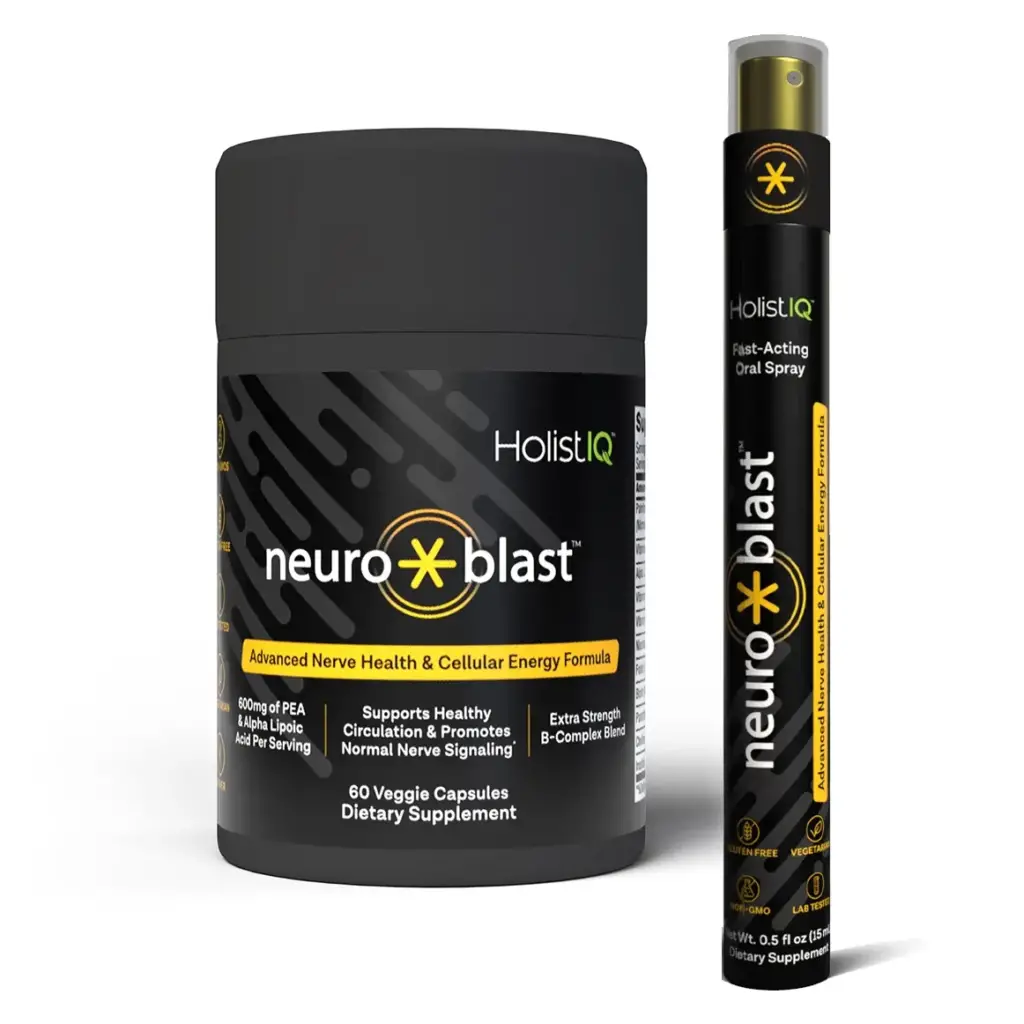
If poor circulation is cutting off your nerves’ fuel supply, what can you do? Besides working on improving blood flow, you can also provide your nerves with the specific building blocks they need to repair and protect themselves. A diet rich in antioxidants and B vitamins is a great start, as these nutrients are crucial for nerve function. Taking this a step further, a system designed to provide deep, cellular-level nerve support can help fortify your nervous system from the inside out. This approach ensures your nerves have a reserve of essential resources to draw from, helping them withstand the stress caused by reduced blood flow and allowing you to keep moving with greater comfort.
Related Articles
- The Best and Worst Foods for Neuropathy – Neuro-Blast
- Is Burning a Sign of Nerve Healing? What to Know
- When Neuropathy hits your legs, it also toys with your mind. – Neuro-Blast
- Living Well With Neuropathy: Strength for Body and Mind
Frequently Asked Questions
How can I tell the difference between regular muscle soreness and pain from poor circulation? The biggest clue is the timing. Muscle soreness from a new workout usually shows up a day or two later and feels like a dull, constant ache that gradually gets better. Pain from poor circulation, often called claudication, is different. It typically feels like a sharp cramp in your calves or thighs that starts when you’re active, like walking up a hill, and then disappears completely after you rest for a few minutes. It’s that predictable on-and-off pattern that signals a potential circulation issue.
Is poor circulation something that can be completely reversed? While some underlying causes, like plaque buildup in the arteries, can’t be entirely undone, you can absolutely make significant improvements to your blood flow and manage your symptoms. Think of it less as a cure and more as a condition you can actively control. Through consistent lifestyle changes like diet and exercise, along with any treatments your doctor recommends, you can prevent the issue from progressing and dramatically improve your comfort and mobility.
If I can only make one change to help my circulation, what should it be? If you smoke, the single most powerful thing you can do for your circulation is to quit. Nothing damages your blood vessels more directly. If you’re a non-smoker, the best change is to incorporate gentle, consistent movement into your daily routine. A simple daily walk, even just for 10-15 minutes at a time, encourages your body to improve blood flow and can make a world of difference over time.
Why do my feet tingle if the problem is with my blood vessels? That’s a great question. Think of your nerves as high-performance electrical wires that need a constant supply of fuel—oxygen and nutrients—to work correctly. Your blood vessels are the delivery trucks that bring that fuel. When poor circulation creates a traffic jam, the fuel delivery gets cut off. Without enough fuel, your nerves can’t send clear signals, and they start to misfire. That misfiring is what you feel as tingling, numbness, or “pins and needles.”
Is poor circulation just a normal part of getting older? It’s true that the conditions that cause poor circulation become more common as we age, but it is definitely not an inevitable part of getting older. Poor circulation is a sign of an underlying health issue, not a birthday. By staying active, eating well, and managing conditions like high blood pressure or diabetes, you can maintain healthy circulation at any age. It’s about being proactive with your health, not just accepting discomfort as a given.