
Think of your nervous system as a complex highway, with nerves acting as the roads that carry vital messages throughout your body. When these roads fall into disrepair, you start to notice problems—like traffic jams of pain or detours that cause numbness and weakness. To fix them, you need the right construction materials. In this case, those materials are specific vitamins and nutrients. They are the essential building blocks your body uses to patch up damage, protect the nerve pathways, and keep signals flowing smoothly. This guide will walk you through the best vitamins for nerve damage and repair, explaining what each one does and how it contributes to rebuilding your body’s internal communication network so you can get moving with confidence.
Key Takeaways
- Fuel Your Nerves with Key Vitamins: Your nervous system requires specific building blocks to function and repair itself. Prioritize B vitamins (B1, B6, B12) for energy and protection, and powerful antioxidants like Alpha-Lipoic Acid to defend against the cellular stress that contributes to discomfort.
- Your Diet Lays the Groundwork: Supplements provide targeted support, but the food you eat every day creates the right environment for healing. Focus on incorporating anti-inflammatory foods like fatty fish, leafy greens, and berries to complement your vitamin routine and support nerve health from the inside out.
- Lifestyle Habits Amplify Your Results: Lasting relief comes from a comprehensive approach. Simple, consistent habits like gentle daily movement, prioritizing sleep, and managing stress work together with your supplements to reduce inflammation and encourage your body’s natural repair processes.
The Top Vitamins for Nerve Health and Repair
When you’re dealing with nerve discomfort, it’s easy to feel like your body is working against you. But providing it with the right fuel can make a world of difference. Your nerves are intricate communication lines that rely on specific vitamins and nutrients to function correctly, protect themselves from damage, and even repair themselves. Think of these vitamins as the essential building blocks for your entire nervous system.
A healthy diet is always the best place to start, but sometimes food alone isn’t enough to get the therapeutic levels needed to address deficiencies or provide deep support. That’s where targeted supplementation comes in. The right combination of vitamins can help reduce oxidative stress, support the protective coating around your nerves, and provide the energy your nerve cells need to thrive. Understanding how it works on a cellular level is the first step toward finding lasting relief. Below, we’ll explore the key vitamins that have been shown to play a vital role in nerve health and repair.
Vitamin B1 (Thiamine)
Vitamin B1, also known as thiamine, is a powerhouse for your nervous system. It plays a critical role in converting the food you eat into energy that your nerve cells can use. While most people get enough thiamine from their diet, certain conditions can lead to a deficiency, putting nerve health at risk. For instance, individuals who have had gastric bypass surgery may have trouble absorbing it. A special, more absorbable form of this vitamin called Benfotiamine is often recommended because it may be more effective at supporting nerve function and easing discomfort.
Vitamin B6 (Pyridoxine)
When it comes to Vitamin B6, balance is everything. This vitamin is essential for creating neurotransmitters—the chemical messengers that transmit signals between nerves. However, both too little and too much B6 can cause problems. While a deficiency can lead to nerve issues, taking excessively high doses over a long period can also result in nerve damage. For this reason, it’s important to stick to recommended amounts. Most high-quality B-complex supplements are formulated with a safe and effective dose, giving your nerves the support they need without tipping the scales.
Vitamin B12 (Cobalamin)
Vitamin B12 is absolutely crucial for maintaining the health of the myelin sheath, the protective layer that insulates your nerves. Without enough B12, this sheath can degrade, leading to significant nerve problems. Unfortunately, B12 can be difficult for the body to absorb. People who follow a strict vegan diet, take antacids long-term, or have digestive conditions like Crohn’s disease are at a higher risk for deficiency. If your body has trouble absorbing B12 from pills, your doctor might suggest injections to ensure your nerves get the protection they need.
Alpha-Lipoic Acid (ALA)
Alpha-lipoic acid, or ALA, is a potent antioxidant that works wonders for nerve health. It helps combat oxidative stress, a process where harmful molecules called free radicals damage cells, including your delicate nerve cells. This kind of stress is a common factor in many conditions that cause nerve discomfort, like diabetes. By neutralizing these free radicals, ALA not only protects your nerves but may also help with insulin and blood sugar levels. You can learn more about the role of vitamins and supplements for nerve health from trusted resources.
Acetyl-L-Carnitine
Think of Acetyl-L-Carnitine as a guardian for your nerves. This amino acid helps produce energy within your cells and plays a key role in protecting the myelin sheath. While research on its effects is ongoing, some studies suggest it supports nerve growth and helps reduce oxidative stress. It’s generally considered a safe and valuable addition to a nerve support routine. By working at the cellular level, ingredients like this one are fundamental to a comprehensive approach like the Neuro-Blast System, which is designed to provide deep, foundational support for your nervous system.
Vitamin D
You might know Vitamin D as the “sunshine vitamin,” but its benefits go far beyond bone health. Research has shown that many people experiencing nerve issues, particularly those with diabetes, often have low levels of Vitamin D. While the science is still developing on whether low Vitamin D directly causes nerve damage, maintaining adequate levels is an important part of your overall wellness strategy. Ensuring you have enough of this key vitamin helps create the right internal environment for your body to manage inflammation and support healthy nerve function.
How Vitamins Work to Repair Your Nerves
Vitamins aren’t just a quick fix; they work deep within your body to support its natural healing processes. Think of them as the essential tools your nervous system needs to function correctly, protect itself from damage, and begin the repair process. Each vitamin plays a specific role, from providing the energy your nerve cells need to function to building a protective shield around them. By understanding how these key nutrients work, you can see why they are so crucial for finding lasting relief and getting back to the activities you love.
Fueling Nerve Function and Energy
Your nerves are constantly sending signals, a process that requires a lot of energy. B vitamins—especially B1, B6, and B12—are the powerhouses that fuel this entire system. Often called “neurotropic” vitamins, they are vital for maintaining healthy nerves and can help reduce common symptoms like tingling and numbness. Vitamin B1 helps convert the food you eat into energy for your nerve cells, while B12 is essential for creating the protective layer around your nerves. Together, they ensure your nervous system has the resources it needs to operate smoothly and efficiently.
Protecting and Rebuilding the Myelin Sheath
Imagine your nerves are like electrical wires. The myelin sheath is the protective coating around them, ensuring signals travel quickly and without interruption. When this sheath gets damaged, signals can misfire, leading to pain and weakness. This is where nutrients like Acetyl-L-Carnitine come in. It acts as a guardian for the myelin sheath, helping to protect it from further harm. Some studies even suggest it can support nerve growth and reduce cellular stress, giving your body a better chance to rebuild and repair this critical insulation.
Guarding Against Oxidative Stress with Antioxidants
Every day, your body is exposed to factors that cause oxidative stress, a process that can be compared to rust forming on your cells. This damage is particularly harmful to nerve cells. Antioxidants are your body’s defense team, and Alpha-Lipoic Acid (ALA) is one of its star players. ALA is unique because it’s both water- and fat-soluble, meaning it can work in every part of the cell to neutralize damaging free radicals. This is especially important for people with conditions like diabetes, where oxidative stress is a major contributor to nerve damage.
Easing Inflammation and Nerve Discomfort
Chronic inflammation can put constant pressure on your nerves, leading to persistent pain, tingling, and discomfort. Calming this inflammation is a key step toward finding relief. Curcumin, the active compound in turmeric, is a natural anti-inflammatory that has been used for centuries. It works by helping to quiet the body’s inflammatory response at a cellular level. Research suggests that curcumin can be particularly effective for easing nerve-related symptoms like numbness in the hands and feet, making it a powerful addition to any nerve support routine.
Finding Your Right Dosage for Nerve Repair
Once you’ve identified the right vitamins for your nerve health, the next logical question is, “How much should I take?” Finding the correct dosage is just as important as choosing the right supplement. Too little might not give you the support you need, while too much of certain vitamins can cause unwanted side effects. The goal is to find that sweet spot where your body gets exactly what it needs to repair and maintain healthy nerve function.
Think of it like watering a plant. You need to provide enough water for it to thrive, but overwatering can be just as harmful as underwatering. Your body’s nutritional needs work in a similar way. The ideal dosage can depend on several factors, including your age, diet, existing health conditions, and the severity of your nerve discomfort. While there are general guidelines that offer a great starting point, your personal needs might be unique. That’s why it’s so helpful to understand the recommended ranges for key vitamins and to work with a healthcare professional who can help you tailor a plan that’s perfect for you. Let’s walk through the typical dosages for the most effective nerve-supporting vitamins.
Daily Guidelines for B Vitamins
B vitamins are a powerhouse for nerve health, but their dosages aren’t one-size-fits-all. For vitamin B12, studies suggest that daily amounts between 500 to 2,000 mcg can be effective for mild to moderate neuropathy. When it comes to vitamin B6, it’s important to be mindful of the upper limit. Most health experts recommend that adults should not exceed 100 mg per day to avoid potential toxicity. Getting the balance right is key to providing your nerves with the fuel they need to function properly without overdoing it. These guidelines are a solid starting point for supporting your nervous system.
Dosing Alpha-Lipoic Acid and Acetyl-L-Carnitine
Alpha-lipoic acid (ALA) and acetyl-L-carnitine (ALCAR) are two other key players in nerve repair. ALCAR, in particular, has been shown in research to be a very safe supplement that can effectively support nerve health. It works by helping to produce energy within your cells and protecting nerves from damage. While specific dosages can vary, many studies look at amounts ranging from 500 to 1,500 mg per day. As with any supplement, starting with a lower dose can help you see how your body responds before gradually increasing it based on your doctor’s advice.
Vitamin D Needs for Optimal Nerve Health
Often called the “sunshine vitamin,” Vitamin D is crucial for more than just bone health. It also plays a vital role in nerve function and repair. Studies suggest that maintaining adequate levels of vitamin D may help alleviate pain for people experiencing diabetic neuropathy. Many people are deficient in vitamin D without even knowing it, so getting your levels checked can be a great first step. Your doctor can recommend a daily dosage, often measured in International Units (IU), to help you reach and maintain an optimal level for your overall health and nerve support.
When to Discuss Higher Doses with Your Doctor
While these guidelines are helpful, they are not a substitute for professional medical advice. Before you start any new supplement or consider changing your dosages, it is essential to consult with your doctor. A healthcare professional can provide personalized recommendations based on your specific health profile and needs. They can also ensure that any new vitamins won’t interact with medications you’re already taking. This conversation is a critical step in creating a safe and effective plan to get you moving again with confidence.
Eating for Nerve Health: Vitamin-Rich Foods
While a targeted supplement system can provide powerful, cellular-level support, the food you eat every day lays the groundwork for your nerve health. Think of it as building a strong foundation. A diet rich in specific vitamins and antioxidants can help protect your nerves, support their natural repair processes, and reduce the discomfort that gets in the way of your life. You don’t need to become a gourmet chef or completely overhaul your kitchen overnight. Instead, focus on incorporating more whole, nutrient-dense foods into the meals you already enjoy.
Making thoughtful food choices is an empowering way to take an active role in your own well-being. It’s about nourishing your body from the inside out to give your nervous system the best possible resources to function properly. By understanding which foods are packed with nerve-friendly vitamins, you can turn your grocery list into a tool for better health. Let’s look at some of the most important nutrients for your nerves and where you can find them.
Where to Find B Vitamins for Full Nerve Support
B vitamins are absolute powerhouses for your nervous system. You might hear them called “neurotropic” vitamins because they play such a direct role in keeping nerves healthy and helping them heal. Vitamin B12, for example, is essential for maintaining the protective myelin sheath around your nerves.
You can find these crucial vitamins in a variety of delicious foods. For B1 (thiamine), think whole grains, pork, and legumes. Vitamin B6 (pyridoxine) is plentiful in poultry, fish like salmon and tuna, and chickpeas. And for B12 (cobalamin), which is key for nerve regeneration, look to animal products like meat, fish, eggs, and dairy. Adding these foods to your meals is a great first step in supporting your nerve health through diet.
Natural Sources of Alpha-Lipoic Acid
Alpha-lipoic acid, or ALA, is a potent antioxidant that your body produces naturally, but you can also get it from food. As an antioxidant, its main job is to fight off damage from free radicals, which can harm nerve cells. Research suggests ALA can help improve nerve function and ease common neuropathy symptoms like tingling, burning, and numbness.
While it’s found in many foods, the amounts are relatively small. Still, every little bit helps. You can find ALA in vegetables like spinach, broccoli, and Brussels sprouts. Red meat, particularly organ meats like liver and kidney, are also rich sources. Incorporating these foods into your diet contributes to your body’s overall antioxidant defenses, which is a key part of a holistic approach to managing nerve discomfort.
Getting Vitamin D from Food and Sunshine
Often called the “sunshine vitamin,” Vitamin D is known for its role in bone health, but it’s also important for your nerves. Some studies have shown that people with nerve discomfort, especially related to diabetes, often have low levels of Vitamin D. While more research is needed to confirm a direct link, maintaining adequate levels is a smart move for your overall health.
Your body produces Vitamin D when your skin is exposed to sunlight, so getting a little sun each day can be beneficial. You can also find it in foods like fatty fish (salmon, mackerel), fortified milk and cereals, and egg yolks. Since it can be tough to get enough from food alone, it’s a good idea to have your doctor check your levels to see if you might need additional support.
Simple Meal-Planning Tips for Healthy Nerves
Eating for nerve health is all about consistency, not perfection. Simple adjustments to your daily routine can make a significant difference over time. Start by focusing on adding more color to your plate—think leafy greens, bright bell peppers, and berries. These are packed with the antioxidants your nerves need. Try swapping processed snacks for a handful of nuts or seeds, which provide healthy fats and B vitamins.
Planning a few meals for the week can also help you stay on track. Maybe it’s a salmon dinner one night and a chicken and veggie stir-fry the next. Remember, these dietary changes work best alongside other healthy habits. Gentle daily movement, like a short walk, can also support nerve function and help you feel your best.
Signs It’s Time for Nerve Support Vitamins
Recognizing the signals your body sends is the first step toward feeling better. Nerve discomfort isn’t something you just have to live with. Often, these feelings are your body’s way of pointing to an underlying issue, which can sometimes be related to your nutritional intake. If you’re experiencing persistent tingling, weakness, or other unusual sensations, it might be time to consider whether your nerves are getting the support they need. Paying attention to these signs can help you take proactive steps to support your nerve health and get back to the activities you love.
Common Symptoms of Nerve Damage
Nerve discomfort can show up in many different ways, and the experience is unique for everyone. You might feel a persistent weakness in your hands or feet, a sharp, burning sensation, or unexplained pain that just won’t go away. These feelings can be caused by a number of things, including certain autoimmune diseases that create nerve pain. It’s also well-established that deficiencies in key nutrients, especially vitamins B6 and B12, can lead to these exact symptoms. If any of this sounds familiar, it’s a clear sign that your nervous system may need more support.
Early Warning Signs You Shouldn’t Ignore
Sometimes, the signs of nerve issues start small. You might notice a tingling “pins and needles” feeling in your fingers or toes, or sudden, sharp pains that seem to come out of nowhere. Other early signals include numbness in certain areas, a gradual weakening of your muscles, or a burning sensation that you can’t explain. These are not just random aches and pains; they are important messages from your body. Ignoring them can allow the underlying issue to progress. Recognizing these early signs of a potential nerve injury gives you the chance to address the problem before it becomes more serious.
How a Vitamin Deficiency Can Affect Your Nerves
Your nerves rely on a steady supply of specific vitamins to function correctly. When you don’t get enough of them, your nerves can become damaged. A deficiency in vitamin B12, for example, is a known cause of peripheral neuropathy—a condition characterized by damage to your peripheral nerves. The good news is that this link is well-understood, and health organizations recognize that addressing these deficiencies is a key part of feeling better. By replenishing your body’s supply of essential vitamins for neuropathy, you can give your nerves the building blocks they need to repair and function properly, which can help ease your symptoms.
Understanding Different Types of Nerve Issues
You may hear your doctor use the term “peripheral neuropathy,” and it can sound complicated. Really, it’s just a broad term for a range of conditions that damage the nerves outside of your brain and spinal cord. These are the nerves that run to your limbs and organs, and when they’re affected, you can experience a wide variety of symptoms, from numbness to pain. Sometimes the issue affects a single nerve, but often it involves multiple nerves at once. Understanding that these symptoms fall under a specific type of condition can help you have more informed conversations with your healthcare provider and find the right path forward.
What to Know About Vitamin Safety and Side Effects
When you’re dealing with nerve discomfort, it’s natural to want to do everything you can to feel better. Adding vitamins to your routine is a fantastic step, but it’s just as important to be smart about it. While vitamins are essential for our health, the old saying “more is better” doesn’t always apply. Think of it like watering a plant—the right amount helps it thrive, but too much can cause problems. Every vitamin has a role to play, and they work best within a certain range. Going far beyond the recommended amounts, especially for long periods, can sometimes lead to unwanted side effects or interfere with how your body functions.
That’s why understanding dosages and safety is key. It’s not about being scared of supplements; it’s about being an informed and empowered manager of your own health. Knowing the upper limits for certain vitamins and being aware of any specific precautions helps you get all the benefits without any of the drawbacks. This knowledge allows you to choose supplements confidently and ensure they’re working with your body, not against it. Before starting any new supplement regimen, it’s always a good idea to have a conversation with your doctor to make sure it aligns with your specific health needs.
The Upper Limits for Vitamin B6
Vitamin B6 is a powerhouse for nerve health, but it’s one where you definitely need to stick to the recommended dose. Taking excessively high amounts of B6 over a long time can ironically lead to a condition called peripheral neuropathy—the very type of nerve issue many people are trying to address. Because of this, health authorities recommend that daily supplements for adults should not provide more than 100 mg of vitamin B6. Always check the label on your supplements to see how much B6 is in a single serving and make sure you’re staying within this safe upper limit.
Safety Considerations for B12 and Other B Vitamins
The good news about Vitamin B12 is that it’s generally considered very safe, even at higher doses. Your body is smart; it only absorbs a small amount of B12 from your food and supplements, and it gets rid of the excess. However, the real challenge with B12 isn’t toxicity—it’s absorption. Not getting enough B12 can lead to serious nerve problems. People who follow a strict vegan diet, use antacids long-term, or have certain digestive conditions may struggle to absorb enough B12 from their diet alone, making a high-quality supplement a crucial part of their routine.
Precautions for Alpha-Lipoic Acid
Alpha-lipoic acid (ALA) is a potent antioxidant that offers great support for nerve health, but there’s one important precaution to keep in mind. If you have a lack of Vitamin B1 (thiamine), which can sometimes be associated with heavy alcohol use, taking ALA could be harmful. This is because ALA can affect how your body uses the thiamine it has available. It’s a great example of how vitamins and nutrients work together in a complex system. If you have any concerns about your B1 levels or your diet, it’s best to talk with your healthcare provider before adding an ALA supplement to your daily regimen.
Separating Fact from Fiction on Vitamin Safety
It’s easy to get confused by all the health information out there, so let’s clear up a common misconception. Many people think that Recommended Dietary Allowances (RDAs) refer only to the vitamins you get from supplements. In reality, Recommended Dietary Allowances account for the total amount of a nutrient you should get from all sources—including food, drinks, and supplements combined. A well-designed supplement isn’t meant to replace a healthy diet but to fill in the nutritional gaps. This is why choosing a comprehensive formula like the Neuro-Blast System can be so effective, as it’s designed to provide targeted support that complements your diet.
How to Choose a High-Quality Nerve Supplement
Walking down the supplement aisle can feel overwhelming. With so many bottles promising relief, how do you know which one will actually work for you? Choosing a high-quality nerve supplement isn’t about grabbing the first one you see; it’s about understanding what your nerves truly need to thrive. The right supplement goes beyond just masking symptoms—it provides the essential building blocks your body needs for repair and protection.
Making an informed choice means looking at a few key factors: the quality and form of the ingredients, the clarity of the label, and whether the formula works as a complete system. A truly effective supplement is designed for maximum absorption so your body can make the most of every nutrient. Think of it as an investment in your mobility and comfort. By learning what to look for, you can confidently select a supplement that offers genuine, cellular-level support to help you get back to doing what you love.
What to Look for in Quality and Bioavailability
When it comes to supplements, quality is everything. But quality isn’t just about purity; it’s also about bioavailability—how much of a nutrient your body can actually absorb and use. You could be taking a supplement with a high dose of a vitamin, but if it’s in a form your body can’t easily process, you won’t get the benefits. Look for supplements that use bioavailable forms of vitamins, like methylcobalamin for B12, which is the active form your body can use immediately. Many of the best vitamins and supplements for nerve health also have antioxidant properties, which help protect your delicate nerve cells from damage.
Reading and Understanding Supplement Labels
Supplement labels can look like a foreign language, but they contain crucial information. The first thing to check is the “Amount Per Serving” to see exactly how much of each nutrient you’re getting. Pay attention to the Recommended Dietary Allowances (RDAs), which are the daily amounts of vitamins and minerals you need from all sources, including food and drinks. The label should also clearly list the form of each vitamin. A transparent company will provide this level of detail, showing they’ve carefully selected ingredients for their effectiveness. Avoid products with vague “proprietary blends” that don’t disclose the amounts of individual ingredients.
Why a Complete System Beats Single Vitamins
You might be tempted to buy a single vitamin, like B12, to address your nerve discomfort. However, nerve health is complex, and your body often needs a team of nutrients working together. For example, B vitamins are synergistic, meaning they are more effective when taken as a complex. They collaborate to support different aspects of nerve function, from energy production to myelin sheath repair. A complete system that combines multiple science-backed ingredients can address the various pathways involved in nerve damage and repair. This comprehensive approach is far more powerful than relying on a single nutrient to do all the heavy lifting.
The Neuro-Blast Difference: A Cellular Approach to Nerve Support
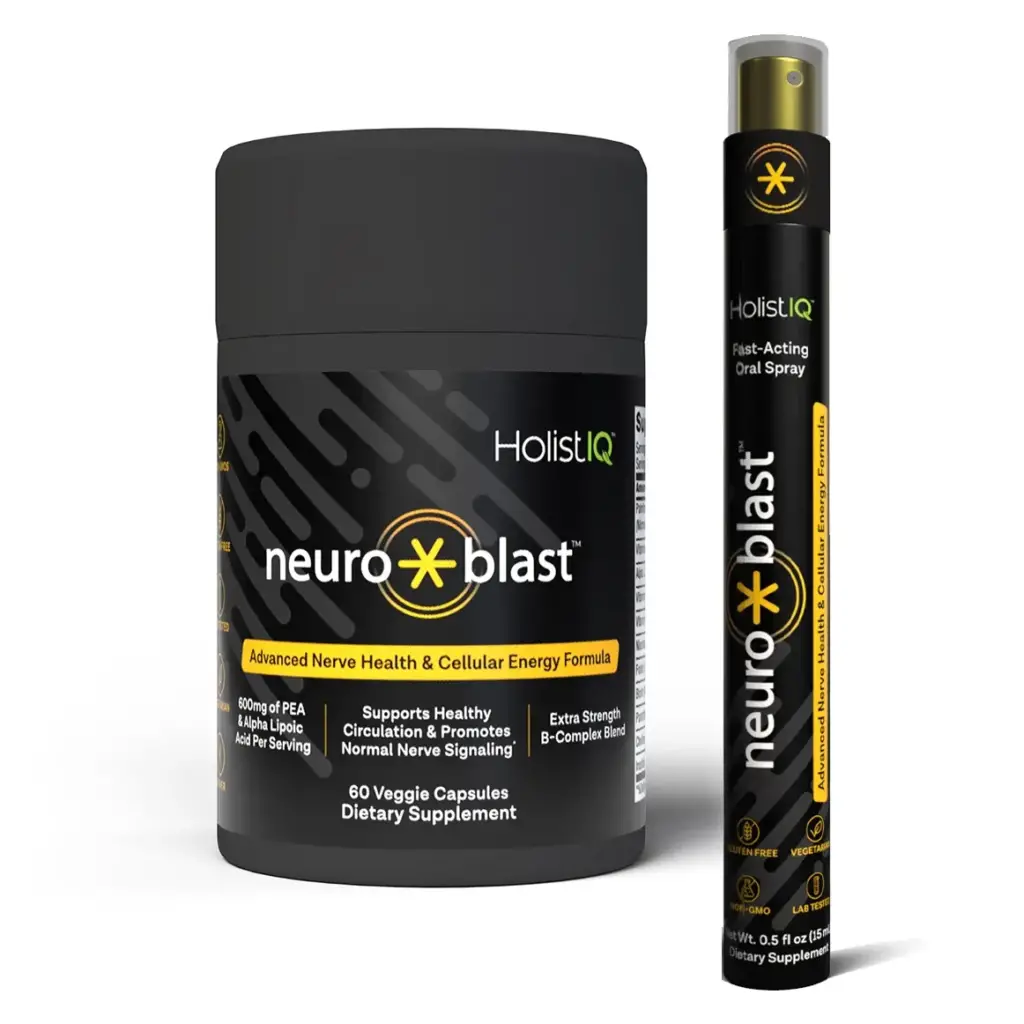
This is where the Neuro-Blast system truly stands out. Instead of just offering a collection of vitamins, we’ve developed a comprehensive, AI-enhanced system designed to support your nervous system at the cellular level. Our formula includes highly bioavailable ingredients like Acetyl-L-Carnitine, which research shows is a safe and effective nutrient for supporting nerve health. The Neuro-Blast System combines our daily capsules with a rapid-absorb oral spray to ensure your body gets a steady supply of the nutrients it needs for repair. This dual-delivery method is designed to address the root causes of nerve discomfort, moving beyond temporary relief to provide deep, lasting support.
Lifestyle Habits That Complement Your Vitamin Routine
Taking the right vitamins is a huge step toward supporting your nerve health, but your daily habits are just as important. Think of it like this: supplements provide the essential building blocks for repair, while your lifestyle creates the right environment for that healing to happen. When you combine a high-quality nerve support system with healthy habits, you give your body its best chance to recover. Small, consistent changes in how you move, eat, and rest can make a remarkable difference in how you feel, helping you get back to the activities you love.
How Exercise Encourages Nerve Regeneration
When you’re dealing with nerve discomfort, the thought of exercise can feel overwhelming. But you don’t need to run a marathon to see benefits. Gentle, consistent movement is key to improving blood flow, which delivers vital oxygen and nutrients to your damaged nerves. Simple lifestyle adjustments like a daily walk, light stretching, or swimming can reduce stiffness and help manage pain. Start small with just 10-15 minutes a day and gradually increase as you feel more comfortable. The goal is to encourage your body’s natural healing processes and support your mobility, one step at a time.
The Impact of Stress and Sleep on Nerve Health
Chronic stress and poor sleep can be major roadblocks to nerve repair. When you’re stressed, your body releases hormones that can increase inflammation and oxidative stress—two key factors in nerve damage. A lack of quality sleep also prevents your body from performing its essential overnight repairs. To counter this, try incorporating simple relaxation techniques into your day, like deep breathing or listening to calming music. Prioritizing a consistent sleep schedule in a dark, quiet room gives your nervous system the downtime it needs to heal and regenerate effectively.
Daily Dietary Habits That Promote Repair
While a targeted supplement like the Neuro-Blast System delivers crucial vitamins for nerve support, the food you eat every day lays the foundation for your overall health. Focus on building an anti-inflammatory diet rich in whole foods. This includes leafy greens like spinach, healthy fats from avocados and olive oil, and omega-3s found in fish like salmon. Berries, nuts, and green tea are also packed with antioxidants that help protect your nerves from further damage. These dietary choices work hand-in-hand with your supplements to create a powerful environment for nerve repair.
Building a Simple, Effective Routine for Your Nerves
Creating a nerve-healthy lifestyle doesn’t require a complete overhaul. It’s about building a simple, sustainable routine that you can stick with. Start by anchoring your new habits to your existing schedule. For example, take your supplements with breakfast, go for a short walk after lunch, and spend five minutes stretching before bed. By combining high-quality supplements with these small, intentional lifestyle changes, you create a comprehensive approach to nerve care. This consistency is what ultimately makes the biggest impact on your long-term comfort and well-being.
Related Articles
Frequently Asked Questions
Can I get all these nerve-supporting vitamins just from food? A healthy diet is the best foundation for your health, but when you’re trying to repair nerve damage, food alone often isn’t enough. To get the higher, therapeutic amounts of nutrients like B12 or Alpha-Lipoic Acid needed to make a real difference, you would have to eat very large quantities of specific foods. A high-quality supplement provides these targeted nutrients in a concentrated, bioavailable form to ensure your body gets the consistent support it needs for cellular repair.
How long does it take to notice a difference from taking nerve support vitamins? Nerve repair is a gradual process, so it’s important to be patient and consistent. This isn’t an overnight fix. While every person’s body is different, many people begin to notice subtle improvements after several weeks of consistent use. The key is to stick with your routine, as the vitamins are working at a deep, cellular level to protect and rebuild your nerves over time.
Is it better to take a bunch of individual vitamins or one complete formula? While it might seem like a good idea to pick and choose, nerve health is complex and requires a team of nutrients working together. Vitamins, especially the B-complex family, are synergistic, meaning they are more effective when combined. A complete, well-designed formula takes the guesswork out of it by providing a balanced blend of ingredients that support nerve function from multiple angles, ensuring you get the right nutrients in the right amounts.
What are the most common signs that I might have a vitamin deficiency affecting my nerves? Your body often sends clear signals when your nerves aren’t getting the support they need. You might notice a persistent tingling or “pins and needles” feeling in your hands or feet, unexplained muscle weakness, or sharp, sudden pains. Numbness in certain areas is another common sign. These sensations are your body’s way of telling you that your nervous system may be lacking the essential building blocks it needs to function properly.
Are there any risks with taking too much of a certain vitamin for nerve health? Yes, balance is crucial. While most of the vitamins that support nerve health are very safe, it is possible to get too much of a good thing. For example, taking excessively high doses of Vitamin B6 over a long period can actually cause nerve issues. This is why it’s so important to choose a professionally formulated supplement that provides effective yet safe dosages and to always talk with your doctor before starting a new health regimen.