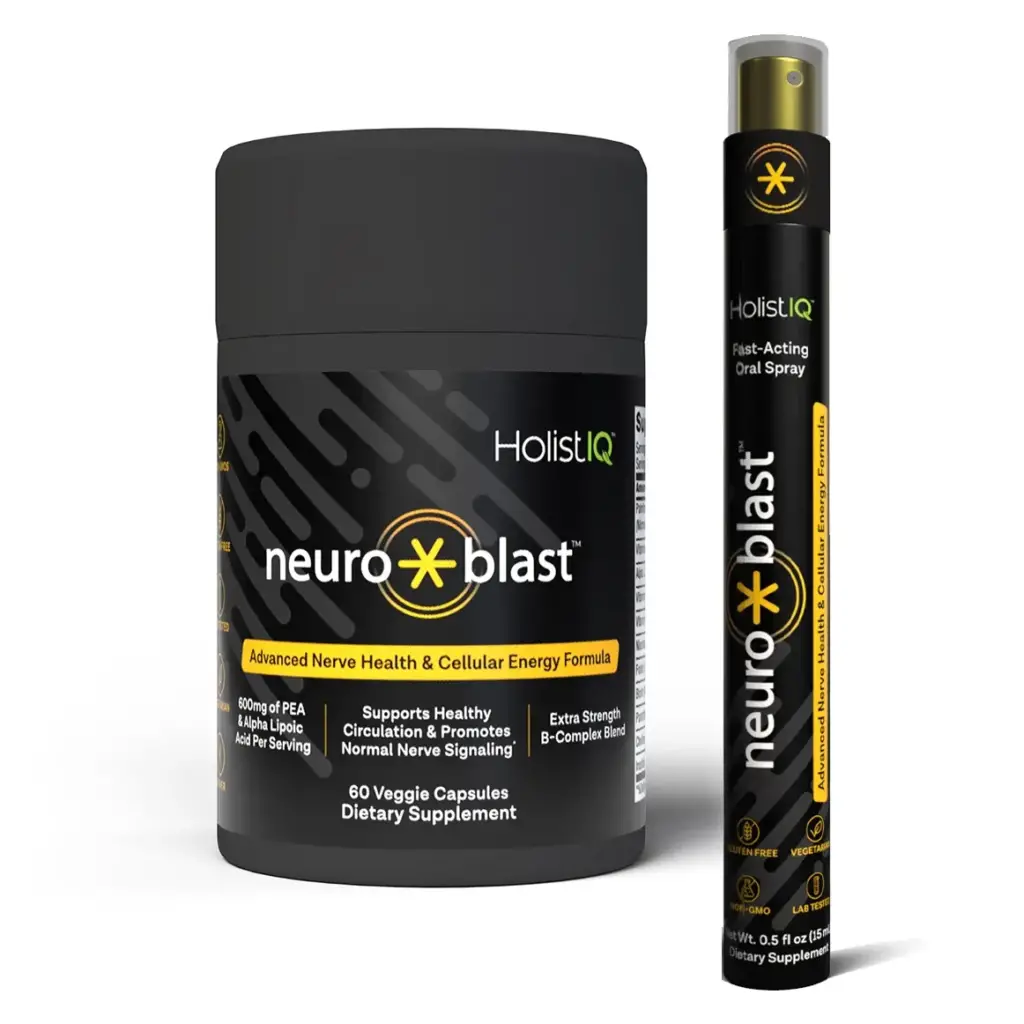

Think of managing nerve discomfort as a two-part strategy: you need to calm the immediate irritation and protect against future damage. This is precisely where the combination of PEA and ALA shines. While each ingredient is effective on its own, their true power is unlocked when they work as a team. PEA directly interacts with your body’s pain and inflammation pathways to provide a soothing effect. At the same time, ALA works as a master antioxidant, neutralizing harmful free radicals that can harm delicate nerve tissue. This dual-action approach provides a more complete solution. In this guide, we’ll break down the synergistic PEA and ALA supplement benefits for long-term nerve support.
Key Takeaways
- Combine PEA and ALA for comprehensive nerve support: PEA works to calm inflammation and pain signals, while ALA acts as an antioxidant shield to protect your nerve cells from damage. Using them together offers a more complete strategy for managing discomfort.
- Work with your body, not against it: These compounds support your body’s natural systems for managing pain and inflammation at a cellular level. This approach helps restore balance for more sustainable relief instead of just masking symptoms.
- Choose a quality supplement and stick with it: For the best results, select a product that is third-party tested for purity and designed for high absorption. Consistency is crucial, so make it a non-negotiable part of your daily routine after talking with your doctor.
What Are PEA and ALA Supplements?
If you’re exploring ways to manage nerve discomfort, you’ve likely come across a few key ingredients that show up time and again. Two of the most promising are Palmitoylethanolamide (PEA) and Alpha-Lipoic Acid (ALA). These aren’t synthetic chemicals created in a lab; they are powerful compounds that your body already recognizes and uses. Understanding what they are and how they work is the first step toward finding effective, sustainable relief and getting back to the activities you love. Let’s break down what makes these two nutrients so special for nerve health.
What is Palmitoylethanolamide (PEA)?
Think of PEA as your body’s own natural soothing agent. Palmitoylethanolamide (PEA) is a fatty acid amide that your body produces to help calm discomfort and reduce inflammation when it needs it most. You can also find it in small amounts in foods like soy and egg yolks. What makes PEA so interesting is its ability to interact with cells involved in your body’s pain and inflammation response. Research has shown that it has significant analgesic properties, making it a well-studied compound for managing chronic pain, particularly the kind that stems from nerve irritation. It works gently to restore balance at a cellular level.
What is Alpha-Lipoic Acid (ALA)?
Now, let’s talk about Alpha-Lipoic Acid (ALA). If PEA is a soothing agent, you can think of ALA as your nerves’ personal bodyguard. It’s a potent antioxidant that is also naturally produced in the body and found in foods like spinach, broccoli, and organ meats. ALA’s primary role is to protect your cells from oxidative damage. What makes it unique is that it’s both water- and fat-soluble, meaning it can work in almost any part of your body. This powerful antioxidant action is why ALA is so beneficial for nerve health—it helps shield delicate nerve cells from damage and plays a key role in energy metabolism.
How These Nutrients Support Your Body
When you combine PEA and ALA, you get a comprehensive approach to nerve support. PEA works directly on calming the pathways that signal pain and inflammation, offering relief for aching joints and nerve discomfort. At the same time, ALA is working to provide that crucial antioxidant shield, protecting your nerve cells from stress and damage while supporting your overall metabolic health. This dynamic duo doesn’t just put a temporary band-aid on the issue. Instead, they work with your body’s natural systems to address nerve discomfort from multiple angles. Studies show PEA can provide therapeutic benefits for pain modulation, creating a foundation for ALA to protect and support long-term nerve function.
The Science-Backed Benefits of PEA
Palmitoylethanolamide, or PEA, might sound complex, but its role in your body is beautifully simple. It’s a fatty acid amide that your own cells produce to help calm discomfort and restore balance. Think of it as your body’s natural repair crew, called in whenever there’s stress or injury. The problem is, when you’re dealing with chronic nerve issues, your body’s natural production of PEA might not be enough to handle the job.
That’s where supplementation comes in. By giving your body more of this powerful compound, you can help support its efforts to soothe agitated nerves and reduce inflammation. Researchers have been studying PEA for decades, and the evidence points to some incredible benefits for those struggling with nerve-related discomfort. It works by interacting with your body’s internal systems to address the root causes of pain, rather than just masking the symptoms. Let’s look at what the science says about how PEA can help you get back to feeling like yourself.
Easing Pain and Discomfort
One of the most well-documented benefits of PEA is its ability to ease persistent pain. If you feel like you’ve tried everything, this is where PEA truly shines. A comprehensive review of multiple studies found that PEA significantly reduced chronic pain. On a standard 11-point pain scale, people taking PEA reported an average pain reduction of nearly 1.7 points compared to those who didn’t. While that number might seem small, anyone living with daily discomfort knows that even a slight improvement can make a world of difference in your quality of life, helping you move more freely and comfortably.
Calming Inflammation
Chronic inflammation is often a key culprit behind nerve pain. It’s like a fire alarm that just won’t turn off, causing your nerves to send constant distress signals. PEA works to quiet this alarm. Research shows that PEA helps reduce inflammation at a cellular level by calming overactive nerve cells and their support crew, known as glial cells. When these cells get agitated, they contribute to nerve inflammation and sensitivity. PEA gently tells them to settle down, which helps dial down the inflammatory response and gives your nerves a chance to heal. This approach targets one of the underlying sources of discomfort for more sustainable relief.
Protecting Your Nerves
Beyond just managing symptoms, PEA also plays a protective role for your nervous system. Think of it as a shield for your nerve cells. Its gentle, restorative action helps safeguard nerves from ongoing stress and damage. This neuroprotective quality is crucial for long-term nerve health. Studies suggest that PEA’s wide-ranging actions provide therapeutic benefits for everything from brain health to recovery and pain modulation. By supporting your nerves on a foundational level, PEA helps build a more resilient nervous system, which is a key step in managing chronic conditions and maintaining your mobility and comfort for years to come.
The Health Benefits of Alpha-Lipoic Acid (ALA)
Alpha-Lipoic Acid, or ALA, is a fascinating compound that your body makes in small amounts. It’s a powerful antioxidant that works hard to protect your cells from damage. While you can find it in foods like spinach, broccoli, and red meat, getting enough through diet alone can be a challenge, which is why many people turn to supplements. ALA is unique because it’s both water- and fat-soluble, meaning it can work in every cell and tissue in your body. This versatility is what makes it such a valuable player in supporting overall wellness, from managing blood sugar to, most importantly, promoting nerve health. Understanding how it works on a cellular level is key to seeing its full potential for your health journey.
A Powerful Antioxidant Shield
Think of ALA as your body’s personal bodyguard against cellular damage. It’s a potent antioxidant that helps neutralize harmful molecules called free radicals. These unstable molecules can cause oxidative stress, a process that contributes to aging and various health issues. By fighting off this damage, ALA helps protect your cells and keep them functioning properly. This protective shield is crucial for maintaining the health of your entire body, especially your delicate nerve tissues, which are particularly vulnerable to oxidative stress. Its ability to regenerate other antioxidants like vitamin C and glutathione further strengthens your body’s natural defense system.
Supporting Healthy Blood Sugar Levels
Beyond its antioxidant duties, ALA also plays an important role in how your body uses energy. Research has shown that it can help support healthy blood sugar levels by improving insulin sensitivity, which allows your cells to use glucose more effectively. This is particularly beneficial for individuals who need to manage their blood sugar closely. When your blood sugar is stable, it reduces the risk of complications that can affect your entire body, including your nerves. Maintaining healthy blood sugar levels is a cornerstone of long-term health, and ALA can be a helpful tool in that effort.
Aiding Nerve Health
For anyone dealing with nerve discomfort, this is where ALA really shines. It has been extensively studied for its ability to support nerve health and function, especially for those with conditions like diabetic neuropathy. ALA helps protect nerve cells from damage caused by high blood sugar and oxidative stress. Many people find that it helps reduce common symptoms like tingling, burning, and numbness in their hands and feet. By improving blood flow to the nerves and supporting their structure, ALA can help you feel more comfortable and get back to the activities you love.
How Do PEA and ALA Work Together on Nerve Pain?
When you’re dealing with nerve discomfort, you want a solution that gets to the root of the problem. That’s where the combination of Palmitoylethanolamide (PEA) and Alpha-Lipoic Acid (ALA) truly shines. Think of them not as two separate ingredients, but as a coordinated team working together to support your nervous system. While each has its own impressive benefits, their combined action creates a powerful synergistic effect.
PEA and ALA tackle nerve-related issues from different but complementary angles. One works to calm overactive nerve signals and soothe inflammation, while the other provides a strong antioxidant defense to protect your nerves from further damage. This dual-action approach means you’re getting comprehensive support that addresses both the symptoms and the underlying cellular stress. By working in harmony, they help restore balance to your nervous system, allowing your body to manage discomfort more effectively and get you moving again.
Working at a Cellular Level to Relieve Pain
To understand how PEA and ALA help, we have to look at what’s happening deep inside your body. Nerve discomfort often starts with inflammation and overactive nerve signals at the cellular level. PEA steps in to directly address this by calming specific immune cells in your nervous system, called glial cells. When these cells become overactive, they contribute to inflammation and pain. PEA helps dial them back down, soothing the irritation. It provides this deep, cellular-level nerve support by interacting with your body’s own internal systems. Meanwhile, ALA acts as a powerful antioxidant, protecting your nerve cells from damage caused by oxidative stress, a common issue that can worsen nerve-related problems.
Interacting with Your Body’s Natural Pain System
One of the best things about PEA and ALA is that they work with your body’s natural processes, not against them. PEA interacts with your endocannabinoid system, which is your body’s built-in network for managing pain, inflammation, and balance. By supporting this system, PEA helps your body regulate pain signals more effectively. On the other hand, alpha-lipoic acid supports your metabolic health. It helps improve how your body uses insulin, which is crucial because high blood sugar levels can contribute to nerve damage over time. Together, they help reinforce your body’s own defense and repair mechanisms, creating a more resilient internal environment.
What the Research Says
You don’t just have to take our word for it—the science behind these ingredients is compelling. Studies have shown that PEA can make a significant difference for people dealing with chronic pain. For instance, one major systematic review found that people taking PEA reported a notable reduction in their pain scores compared to those who didn’t. Research also suggests that PEA can help improve the body’s resilience to stress, which often goes hand-in-hand with chronic discomfort. When combined with the nerve-protecting and antioxidant power of ALA, you have a formula grounded in solid scientific evidence aimed at providing meaningful relief.
Who Can Benefit Most from PEA and ALA?
If you’re dealing with persistent nerve discomfort, you might be wondering if PEA and ALA are right for you. These two compounds work on a cellular level to address the root causes of pain and inflammation, making them a powerful option for a surprising range of conditions. From nerve damage related to diabetes to the daily aches of chronic pain, understanding who benefits most can help you decide if this combination is the missing piece in your wellness puzzle.
Support for Diabetic Neuropathy and Nerve Damage
Diabetic neuropathy is one of the most common reasons people experience nerve pain, and it’s an area where PEA and ALA really shine. PEA is a natural fatty acid that your body already produces, and studies show it can significantly help with nerve-related pain and inflammation. One study found that a combination including PEA and ALA led to a 33% drop in pain scores for people with diabetic neuropathy. By working to soothe irritated nerves and protect them from further damage, this duo offers a supportive approach to managing the tingling, burning, and discomfort that can disrupt your life.
Relief for Chronic Pain and Osteoarthritis
Living with chronic pain or osteoarthritis can feel like a constant battle, but PEA offers a gentle yet effective way to find relief. Research has shown that PEA can meaningfully reduce chronic pain levels. For those with osteoarthritis, taking PEA has been found to lessen pain and improve mobility, helping you get back to the activities you love. Instead of just masking symptoms, PEA works with your body’s internal systems to calm the inflammation that often drives chronic pain. This makes it a valuable tool for long-term comfort and better movement, as many of our customers have shared in their stories.
Aid for Neurodegenerative Conditions
Beyond specific types of pain, PEA and ALA also offer broader support for your nervous system and brain health. PEA is known for its ability to calm overactive nerve signals and reduce inflammation deep within your cells. It works with your body’s natural endocannabinoid system to restore balance. This has therapeutic benefits for a range of applications, including immunity and overall brain health. By providing this kind of deep, cellular-level nerve support, the combination of PEA and ALA can be a foundational part of maintaining a healthy and resilient nervous system as you age.
Is It Safe to Take PEA and ALA Together?
When you’re trying to manage nerve discomfort, you want to know that the supplements you’re taking are not only effective but also safe. The good news is that PEA and ALA are generally considered safe to take together. In fact, they work on different pathways in your body, which is why they can be such a powerful combination for nerve support.
Think of them as two different specialists working on the same team. Research suggests that PEA can be taken with many other substances and may even enhance the pain-relieving effects of some analgesics. Because they have distinct jobs—PEA as a calming and protective agent and ALA as a powerful antioxidant—they don’t interfere with each other. Instead, they offer a more comprehensive approach to soothing your nerves and addressing discomfort from multiple angles. This synergy is why the Neuro-Blast system combines them, and why many people find that taking them together provides more noticeable relief than taking either one alone.
Why They Work Better as a Team
The real magic happens when PEA and ALA join forces. PEA is a master multitasker; it works on multiple molecular targets to help calm inflammation and modulate pain signals throughout your body. It’s like having a skilled negotiator that quiets down the overactive pain messages your nerves are sending.
Meanwhile, Alpha-Lipoic Acid (ALA) comes in with its powerful antioxidant abilities. It helps protect your nerve cells from oxidative stress, which is a key contributor to nerve damage and discomfort. By increasing the antioxidants circulating in your body, ALA acts as a shield for your delicate nerve endings. When you combine PEA’s calming action with ALA’s protective shield, you get a supportive duo that addresses both the symptoms and the underlying cellular stress associated with nerve issues.
Finding the Right Dosage for You
Figuring out the right amount of any supplement can feel tricky, and the best first step is always a conversation with your doctor. That said, clinical studies give us a good starting point. For PEA, research suggests that effective daily doses can range anywhere from 300 mg to 2,400 mg. The right amount for you will depend on your specific needs and health goals.
For ALA, studies focusing on nerve health often use doses between 600 mg and 1,800 mg per day. It’s important to find a balance that gives you benefits without any unwanted effects. To take the guesswork out of it, systems like Neuro-Blast are formulated with specific, synergistic doses of PEA and ALA, designed to provide comprehensive support based on scientific research.
Potential Drug Interactions to Know
While PEA and ALA are a great team, it’s crucial to be aware of how they might interact with other medications. According to current information, PEA has no known drug interactions, making it very well-tolerated for most people.
Alpha-Lipoic Acid, however, requires a bit more caution. Because it can lower blood sugar levels, you should not take it without your doctor’s guidance if you are using insulin or other diabetes medications. It can also interfere with treatments for thyroid conditions and certain cancer therapies. This is why an open conversation with your healthcare provider is so important. They can review your current medications and help you safely add new supplements to your routine.
Understanding the Side Effects and Safety
Starting any new supplement means thinking about safety first. You want relief, not a new set of worries. Fortunately, both PEA and ALA have been studied for their effects, giving us a clear picture of what to expect. Understanding their safety profiles can help you feel confident as you take the next step in managing your nerve health. It’s all about having the right information so you can work with your body, not against it. Let’s walk through what you need to know about potential side effects and, most importantly, when to bring your doctor into the conversation.
Common Side Effects of PEA
If you’re concerned about side effects, you can feel reassured when it comes to Palmitoylethanolamide (PEA). It’s widely known for being incredibly gentle on the system. Extensive research shows that PEA is very well-tolerated by most people, even when taken for long periods. In fact, a review of multiple clinical studies highlighted its strong safety profile, with very few adverse effects reported by participants. This means you can focus on the potential benefits for your nerve comfort without the extra stress of harsh side effects. It’s a reliable choice for those seeking steady, long-term support.
Common Side Effects of ALA
Alpha-Lipoic Acid (ALA) is a potent antioxidant, and while it’s safe for most, some people might experience mild side effects. Most commonly, these are related to digestion and can include things like an upset stomach or nausea. In some rare cases, a skin rash may occur. The most significant consideration with ALA is its effect on blood sugar. Because it can lower blood sugar levels, it’s essential to be mindful if you are managing diabetes or taking any related medications. Being aware of this allows you to incorporate ALA into your routine safely and effectively.
When to Talk to Your Doctor First
Before starting PEA, ALA, or any new supplement, the best first move is always to chat with your doctor. This conversation is a key part of making sure you’re doing what’s best for your unique health needs. It’s especially critical if you have an underlying health condition, like diabetes, or are taking other prescription medications. Your doctor can look at the big picture and help you avoid potential interactions between supplements and your current treatments. This simple step empowers you to move forward with confidence, knowing you’ve made an informed and safe decision for your well-being.
Adding PEA and ALA to Your Daily Routine
Starting a new supplement regimen can feel like one more thing to remember, but weaving PEA and ALA into your day doesn’t have to be complicated. The key to seeing real results is consistency. Think of it less as a chore and more as a daily act of self-care that supports your body’s nerve health from the inside out. By creating a simple, sustainable routine, you give these powerful nutrients the best possible chance to do their work. Let’s walk through a few practical steps to make these supplements a seamless part of your life. The Neuro-Blast system is designed for easy integration into your daily wellness practices, helping you get the most out of every dose.
When to Take Your Supplements
For many people, taking PEA and ALA in the morning with breakfast is a great way to start the day. This helps with absorption and can prevent any potential stomach upset. Since research suggests that PEA supplementation may improve how your body handles stress and uses energy, a morning dose can align perfectly with your body’s natural rhythm. If you find that splitting your dose works better for you—perhaps one in the morning and one with your evening meal—that’s perfectly fine too. The most important thing is to find a time that you can stick with every single day. Consistency is what allows these compounds to build up in your system and provide lasting support.
Lifestyle Tips to Maximize Results
Your daily habits can significantly influence how well supplements work. PEA, for instance, may enhance the benefits of lifestyle changes like diet and exercise. You can also support your body’s use of ALA by eating an antioxidant-rich diet. Think colorful fruits and vegetables like berries, spinach, and bell peppers. Gentle movement, like a daily walk or stretching, can also improve circulation and complement the work PEA and ALA are doing for your nerves. These small, healthy choices work together with your supplements to create a powerful support system for your overall well-being, helping you feel your best and get moving again.
How to Build a Consistent Routine
The secret to consistency is making it easy. Try “habit stacking”—taking your supplements right after an activity you already do every day, like pouring your morning coffee or brushing your teeth. A simple pill organizer can also be a lifesaver, taking the guesswork out of your daily dose. You could also set a recurring alarm on your phone as a friendly reminder. Remembering to take your supplements consistently allows PEA and ALA to deliver their full range of benefits, which can include everything from pain modulation to better sleep and recovery. By making it a non-negotiable part of your day, you’re investing in your long-term comfort and mobility.
How to Choose a High-Quality Supplement
Walking down the supplement aisle—or browsing online—can feel overwhelming. With so many bottles and brands all making big promises, how do you know which one is actually worth your money and will deliver the results you need? The truth is, not all supplements are created equal. The quality, purity, and form of a supplement can make a huge difference in how well your body uses it. When you’re investing in your health, especially for something as important as nerve support, you want to be sure you’re choosing a product that is both safe and effective.
Making an informed choice doesn’t have to be complicated. By focusing on a few key factors, you can confidently select a high-quality PEA and ALA supplement that gives your body the best possible support. Think of it as creating a simple checklist to ensure you’re getting a premium product designed for maximum impact. Let’s walk through what to look for.
Look for High Absorption
It’s not just about what’s in the supplement, but how much of it your body can actually absorb and use. This is known as bioavailability. If a nutrient isn’t in a form your body can easily process, it won’t do you much good. For PEA to be effective, it needs to reach your cells to activate key proteins that help manage your body’s response to discomfort. A supplement designed for high absorption ensures that these powerful ingredients get to where they need to go to provide deep, cellular-level support. Look for products that specifically mention enhanced absorption or bioavailability to get the most out of every dose.
Check for Third-Party Testing and Purity
How can you be sure that what’s on the label is what’s actually in the bottle? That’s where third-party testing comes in. This means an independent lab, with no connection to the supplement company, has tested the product to verify its purity and potency. This unbiased check ensures the supplement is free from harmful contaminants and contains the exact amount of active ingredients claimed on the label. Choosing a brand that is transparent about its testing gives you peace of mind that you’re taking a safe, high-quality product. A doctor-led company will always prioritize this level of quality control.
Find the Right Form for You
PEA and ALA come in various forms, including capsules, powders, and even topical creams. The right one for you depends on your specific needs and lifestyle. Capsules are convenient for consistent, systemic support throughout the day. However, some delivery methods, like an oral spray, can offer more rapid absorption for when you need faster relief. Some of the most effective solutions offer a combined approach. For example, the Neuro-Blast System includes both capsules for foundational support and a rapid-absorb oral spray, giving you a comprehensive tool kit to manage nerve discomfort from multiple angles.
What Results Can You Expect and When?
When you start a new health routine, the big question is always, “How long until I feel a difference?” It’s completely understandable to want to know when you can expect relief. While everyone’s body responds differently, we can look at the research to get a general idea of the timeline for PEA and ALA. The most important thing to remember is that these ingredients work with your body to address discomfort at a cellular level, which takes time and consistency. Think of it not as a quick fix, but as a steady process of rebuilding and supporting your nerve health from the inside out. Giving your body the time it needs is the first step toward lasting comfort.
How Long Until PEA Starts Working?
Patience and consistency are your best friends when it comes to PEA. Most people begin to notice a positive change within two to eight weeks of taking it regularly. While some clinical trials have shown benefits in as little as two weeks, the most significant improvements often appear after about a month of consistent use. This is because PEA works by calming overactive cells and restoring balance within your nervous system. It’s a gradual process, so sticking with your routine every day is key to giving it the chance to work effectively. Think of it as laying a new foundation for your nerve health—it doesn’t happen overnight, but the results are built to last.
How Long Until You See ALA’s Benefits?
The timeline for alpha-lipoic acid can be a bit more varied, as it plays a different role in your body. ALA is a powerful antioxidant that works to protect your cells from damage. Its benefits are often more about long-term nerve protection and supporting overall metabolic health rather than immediate pain relief. Some research suggests it can help with nerve-related discomfort, but the exact timing isn’t set in stone. Instead of looking for a dramatic shift in a short period, consider ALA a crucial part of your daily defense system, working behind the scenes to keep your nerves healthy and resilient over time.
What Can Affect Your Results?
You have more influence over your results than you might think! Your daily habits can play a huge role in how well PEA and ALA work for you. For instance, combining PEA with a healthy lifestyle, including a balanced diet and regular, gentle exercise, can enhance its effectiveness. Similarly, eating a diet rich in antioxidants—think colorful fruits and vegetables—can support ALA’s function in your body. Simple choices can create a powerful synergistic effect, helping the ingredients in the Neuro-Blast System work even better. By pairing your supplement routine with positive lifestyle changes, you’re giving your body the best possible support for nerve health.
Related Articles
Frequently Asked Questions
Will this completely get rid of my nerve pain? It’s best to think of PEA and ALA as powerful tools for managing discomfort and improving your quality of life. Because they work with your body’s natural systems to calm inflammation and protect nerve cells, they help address the underlying issues contributing to your pain. While many people experience a significant reduction in their discomfort, the goal is to restore balance and support your body so you can move more freely and comfortably, rather than promising a total cure.
I’m already on medication for pain or diabetes. Is it safe to add PEA and ALA? This is an excellent question and one you absolutely must discuss with your doctor. While PEA is known for being very well-tolerated with no known drug interactions, ALA can affect blood sugar levels. If you are taking insulin or other diabetes medications, your doctor needs to be involved to monitor you safely. They can review all your medications and supplements to ensure your health plan is safe and effective for you.
Are these supplements only for people with diagnosed nerve conditions? While PEA and ALA are particularly effective for nerve-related discomfort, their benefits are much broader. PEA’s ability to calm inflammation can help with general aches and pains, and ALA is a powerful antioxidant that supports overall cellular health for everyone. You don’t need a specific diagnosis to benefit from a more balanced inflammatory response and better protection against cellular stress.
How is taking a supplement different from just getting these from food? Your body does produce PEA and ALA, and you can find them in small amounts in foods like egg yolks, spinach, and broccoli. However, to get the concentrated dose needed to calm persistent nerve discomfort and provide a strong antioxidant shield, food sources alone are not enough. Supplementation provides a therapeutic amount that allows these compounds to work effectively on a cellular level.
Do I need to take PEA and ALA forever to keep feeling the benefits? Since PEA and ALA work to support your body’s ongoing cellular processes, consistency is what delivers lasting results. Think of it less like a short-term fix and more like a long-term investment in your nerve health and mobility. Continuing to take them helps maintain that balanced, protected internal environment, allowing you to stay active and comfortable.