
Nerve pain is more than just a surface-level problem; it’s a sign that your body’s communication network needs support. True, lasting relief often comes from addressing the underlying causes, whether it’s chronic inflammation, nutrient deficiencies, or cellular damage. Instead of just silencing the alarm, the goal is to support your nervous system on a deeper, cellular level. This article will walk you through powerful natural alternatives for nerve pain relief that work with your body, not against it. We’ll cover everything from anti-inflammatory foods to essential vitamins that help your body repair and protect itself.
Key Takeaways
- Create a Supportive Daily Routine: Lasting relief comes from consistent, daily habits, not a single quick fix. Combine anti-inflammatory foods, gentle movement, and stress-reducing practices to build a lifestyle that helps your body manage discomfort and heal.
- Focus on Nutrients that Rebuild and Protect: Address nerve pain at a cellular level by prioritizing key vitamins and compounds. B vitamins and omega-3s help repair the protective nerve sheath, while antioxidants fight the inflammation that often makes pain worse.
- Always Partner with Your Doctor: Natural remedies can be powerful, but they aren’t always right for everyone. Keep your doctor informed about any supplements or therapies you’re trying to ensure your wellness plan is safe, coordinated, and effective for your specific needs.
What Causes Nerve Pain?
Understanding the source of your nerve pain is the first step toward managing it. Nerve pain, also known as neuropathic pain, isn’t like a typical headache or a sore muscle. It happens when there’s damage or dysfunction in the nervous system itself, causing nerves to send faulty pain signals to your brain. This can feel like burning, tingling, shooting, or stabbing sensations, often without an obvious cause. The discomfort is a sign that something is disrupting your body’s communication network. By exploring the root causes, you can better understand what’s happening on a cellular level and find a path toward feeling better and getting back to the activities you love.
Defining Neuropathy
Neuropathy is the medical term for damage to your nerves, particularly the peripheral nerves outside of your brain and spinal cord. Think of these nerves as the body’s electrical wiring, carrying messages between your brain and the rest of your body. When this wiring gets damaged, the signals can get crossed, short-circuit, or stop completely. This is why neuropathy can cause such a strange mix of sensations, from intense pain to a complete loss of feeling. Chronic neuropathic pain is a long-lasting condition that can significantly impact your daily life, making simple tasks feel monumental. It’s not just “in your head”—it’s a real physical condition resulting from nerve damage.
How Diabetes Affects Nerves
One of the most common causes of neuropathy is diabetes. Over time, high blood sugar levels can be toxic to your nerves, damaging the delicate nerve fibers throughout your body. This condition, known as diabetic neuropathy, most often affects the nerves in your legs and feet. You might notice numbness that makes it hard to feel the ground, or painful tingling and burning that gets worse at night. Managing blood sugar is a critical step in preventing further damage, but for many, the discomfort has already set in. It’s a frustrating cycle, as the pain can make it difficult to exercise, which is an important part of managing diabetes.
Nerve Pain from Injuries and Trauma
Your nerves can also be damaged by physical injuries. This can happen suddenly from a car accident, a fall, or surgery, or it can develop slowly from repetitive stress on a certain part of your body. For example, pressure on the median nerve in your wrist can lead to carpal tunnel syndrome, while a herniated disk can pinch the sciatic nerve and cause radiating pain down your leg. When a nerve is compressed, stretched, or cut, it can’t function properly. This traumatic nerve damage can lead to chronic pain, weakness, and numbness in the affected area long after the initial injury has healed.
The Role of Vitamin Deficiencies
Your nerves need specific nutrients to stay healthy and function correctly. A deficiency in certain vitamins, especially B vitamins, can lead to significant nerve damage and pain. Vitamin B12, for instance, is essential for maintaining the protective sheath (myelin) that covers your nerves. Without enough B12, this sheath can deteriorate, leaving your nerves exposed and vulnerable. Deficiencies in other B vitamins like B1 (thiamine) and B6 are also linked to neuropathy. These deficiencies can happen if your diet is lacking, or if your body has trouble absorbing nutrients due to age, alcoholism, or certain medical conditions.
How Natural Remedies Soothe Nerve Pain
When you’re dealing with nerve pain, finding relief that goes beyond just masking the symptoms can feel like a huge win. Natural remedies work in a few key ways to address the discomfort at its source. Instead of just one approach, they offer a multi-faceted strategy that supports your body’s ability to heal and manage pain. Think of it as a team effort: some ingredients work to cool down inflammation, others help rebuild damaged nerve cells, and some even intercept the pain signals before they reach your brain.
This holistic approach is what makes natural alternatives so appealing. They can help create an internal environment where your nerves are protected and supported, rather than just irritated. By focusing on things like cellular repair and antioxidant protection, you’re not just looking for a temporary fix—you’re investing in the long-term health of your nervous system. The goal is to help your body get back in balance so you can feel more like yourself and get back to the activities you love.
Calming Inflammation Naturally
Inflammation is one of the biggest culprits behind persistent nerve pain. When your nerves are damaged or irritated, your body’s inflammatory response can go into overdrive, creating a cycle of swelling and pain that’s hard to break. Many natural remedies, particularly certain herbs, contain powerful compounds that help reduce this inflammation. They work by gently dialing down the body’s inflammatory signals, which can ease the pressure on sensitive nerves and soothe the surrounding tissues. This isn’t about shutting down your body’s natural healing process, but rather guiding it back to a more balanced state, giving your nerves the calm environment they need to recover.
Aiding Cellular Repair
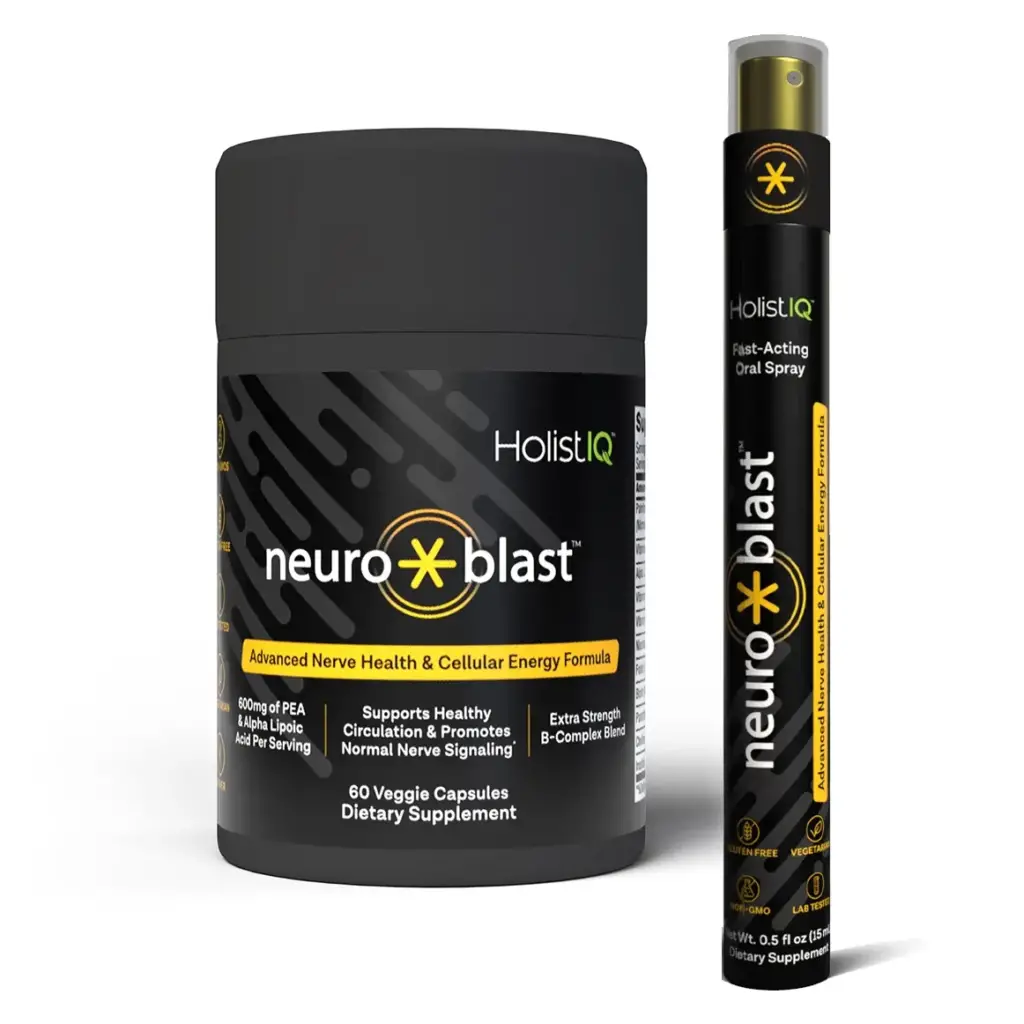
Nerve pain often starts with damage at the cellular level. For your nerves to function correctly, these cells need to be healthy and strong. Some natural compounds provide the essential building blocks your body needs to repair and maintain nerve cells. This process supports the protective coating around your nerves, known as the myelin sheath, which is crucial for sending clear signals throughout your body. By supporting your nervous system on a cellular level, you’re helping to address the root cause of the discomfort. The Neuro-Blast System is designed with this principle in mind, providing targeted nutrients to support your body’s natural repair mechanisms.
Blocking Pain Signals at the Source
Some natural remedies work by directly interacting with your pain pathways. Think of it like a gatekeeper that can stop pain messages from traveling along the nerves to your brain. A great example is capsaicin, the compound that gives chili peppers their heat. When used topically, it can initially cause a warming sensation but then works to block pain signals from the nerves in that area. This provides targeted relief right where you need it most. It’s a clever way to manage discomfort without affecting your entire system, allowing you to find relief from localized nerve pain.
Protecting Nerves with Antioxidants
Every day, our cells face stress from factors like diet and the environment. This creates unstable molecules called free radicals, which can damage cells, including your delicate nerve cells. This process is called oxidative stress. Antioxidants are powerful substances that act like a defense system, neutralizing free radicals before they can cause harm. Ingredients like Alpha-Lipoic Acid (ALA) are well-known antioxidants that can help protect nerve cells from damage and reduce symptoms like pain and numbness. By including more antioxidants in your routine, you create a protective shield for your nerves, giving them a better chance to heal and function properly.
Herbal Allies for Nerve Relief
Nature offers some powerful tools for managing nerve discomfort. Certain herbs and plant-based compounds have been studied for their ability to calm inflammation, protect nerve cells, and even block pain signals. Incorporating these herbal allies into your routine could provide another layer of support in your journey toward feeling better. From the golden spice in your kitchen cabinet to compounds derived from chili peppers, these natural options work in different ways to address the complex issue of nerve pain. As with any new supplement or treatment, it’s always a good idea to chat with your doctor first to make sure it’s a safe and appropriate choice for you.
The Power of Turmeric and Curcumin
You might know turmeric as the bright yellow spice that gives curry its color, but its benefits go far beyond the kitchen. Turmeric contains an active compound called curcumin, which is a potent anti-inflammatory. For nerve pain, this is key because inflammation often contributes to the discomfort and damage. Studies suggest that curcumin can help reduce swelling around nerves, which may ease pain and pressure. It also acts as an antioxidant, protecting nerve cells from further harm. Some research even indicates it can support the regrowth of injured nerves, making it a promising natural option for long-term nerve health.
Supporting Nerves with Alpha-Lipoic Acid
Alpha-lipoic acid, or ALA, is a powerful antioxidant that your body produces naturally, but sometimes a little extra support can make a difference. It plays a vital role in cellular energy production and helps protect your body from damaging free radicals. For those with nerve pain, particularly diabetic neuropathy, ALA has been shown to help reduce symptoms like pain, tingling, and numbness. By improving blood flow to the nerves and fighting oxidative stress, ALA can support nerve function and aid in the healing process. It’s available as a supplement and is found in foods like spinach, broccoli, and red meat.
Finding Topical Relief with Capsaicin
If you’ve ever eaten a hot chili pepper, you’ve experienced the power of capsaicin. This is the active component that gives peppers their heat, and it doubles as a natural pain reliever. When applied to the skin as a cream or patch, capsaicin works by first creating a warming sensation and then blocking pain signals from local nerves. Over time, it can desensitize nerve endings in the area, providing targeted relief from discomfort. It’s a great option for localized pain, as you can apply it directly where you feel the ache. Just be sure to wash your hands thoroughly after using it to avoid getting it in your eyes.
Managing Pain with Medical Cannabis
In recent years, medical cannabis has gained attention as a serious option for managing chronic pain, including nerve pain. The plant contains compounds called cannabinoids, with THC and CBD being the most well-known. These compounds interact with your body’s endocannabinoid system, which helps regulate pain, mood, and sleep. Research and patient reports suggest that medical cannabis can significantly reduce the intensity of nerve pain and improve overall quality of life. It may also help with related issues like anxiety and sleep disturbances that often accompany chronic discomfort. Laws vary by location, so it’s essential to speak with a healthcare provider to see if this is a suitable and legal option for you.
Support Your Nerves with These Vitamins & Supplements
While a balanced diet is your first line of defense, sometimes it’s not enough to get the specific nutrients your nerves need to thrive. Certain vitamins and supplements can play a starring role in calming irritation, supporting nerve structure, and helping your body repair itself from the inside out. Think of them as a dedicated support system for your nervous system. A comprehensive approach like the Neuro-Blast System is designed to provide this kind of targeted, cellular-level support, but understanding the key players is the first step. Let’s look at a few essential nutrients that have been shown to make a real difference for nerve health.
Why B Vitamins Are Crucial for Nerve Function
Think of B vitamins as the essential maintenance crew for your nervous system. This group of vitamins, especially B1, B6, and B12, is critical for maintaining the health of your nerve cells. They play a direct role in nerve signal transmission and in building and protecting the myelin sheath—the protective coating around your nerves. When you’re running low on B vitamins, this sheath can wear down, leaving your nerves exposed and more susceptible to pain and damage. That’s why ensuring you have adequate levels is so important; studies show that low levels of B vitamins, particularly B12, can directly cause or worsen nerve pain.
The Link Between Vitamin D and Pain
You probably know Vitamin D as the “sunshine vitamin,” essential for strong bones. But its benefits don’t stop there. This vitamin also plays a key part in protecting your nerves and managing pain responses. Research has found a clear connection between low Vitamin D levels and chronic pain, including neuropathy. It helps regulate the growth and function of nerve cells and can reduce the kind of inflammation that makes nerve pain worse. Getting enough sunlight is a great start, but depending on where you live and the time of year, a supplement might be necessary to keep your levels in the optimal range for nerve support.
How Magnesium Helps Muscles and Nerves
Magnesium is a powerhouse mineral that’s involved in over 300 bodily processes, including nerve function and muscle relaxation. For people with nerve pain, it’s particularly helpful because it can calm down overactive nerve signals. It acts as a natural gatekeeper, preventing nerve cells from becoming overly excited and sending too many pain messages to your brain. Low magnesium levels are often seen in people experiencing nerve pain, especially those with type 2 diabetes. Adding magnesium-rich foods like leafy greens, nuts, and seeds to your diet or considering a supplement can help soothe both your muscles and your nerves.
Using Omega-3s to Fight Inflammation
Chronic inflammation is a major contributor to nerve pain, creating a hostile environment that irritates nerves and prevents them from healing. This is where omega-3 fatty acids come in. Found in fatty fish like salmon and mackerel, as well as in flaxseeds and walnuts, omega-3s are powerful anti-inflammatory agents. They work to cool down inflammation throughout your body. Specifically for nerves, omega-3s are a key building block for the myelin sheath, the protective layer that insulates your nerve fibers. By rebuilding this sheath and reducing inflammation, omega-3s help your nerves function better and hurt less.
Foods That Help (and Hurt) Nerve Pain
What you eat has a direct impact on how you feel, and that’s especially true when it comes to nerve pain. Think of food as fuel for your body’s repair processes. The right nutrients can help calm inflammation, support cellular regeneration, and protect your nerves from further damage. On the other hand, certain foods can trigger inflammation and make your symptoms worse. Making thoughtful changes to your diet is a powerful, proactive step you can take to manage discomfort and support your body’s natural healing abilities. It’s not about a complete overhaul overnight, but about making small, consistent choices that add up to big relief over time.
Add These Anti-Inflammatory Foods to Your Plate
Focusing on anti-inflammatory foods is a great place to start. Leafy greens like spinach and kale are packed with B vitamins, which are essential for nerve repair. Fatty fish such as salmon and mackerel provide omega-3 fatty acids that help protect the myelin sheath around your nerves. For a powerful antioxidant boost, add nuts like almonds and fruits like blueberries to your diet. Even a simple spice like turmeric contains curcumin, a compound known for its potent anti-inflammatory effects that can help reduce swelling and support nerve regeneration. These foods give your nervous system the building blocks it needs to function well.
Foods to Avoid for Better Nerve Health
Just as important as what you add to your diet is what you limit. Many common foods can increase inflammation and worsen nerve pain. Processed foods, which are often high in unhealthy fats and refined sugars, are major culprits. A high sugar intake, in general, can contribute to nerve damage and intensify pain. You might also find that caffeine and alcohol aggravate your symptoms or increase pain sensitivity. For some people, dairy and certain grains can be inflammatory triggers, so it can be helpful to pay attention to how you feel after eating them.
Try the Mediterranean Diet for Nerve Support
If you’re looking for a simple framework to follow, the Mediterranean diet is an excellent choice for nerve health. This way of eating emphasizes whole foods like fruits, vegetables, whole grains, lean proteins (especially fish), and healthy fats like olive oil. Because it’s naturally rich in the anti-inflammatory and antioxidant-rich foods we’ve talked about, it creates an ideal environment for supporting your nerves. It’s less of a strict “diet” and more of a sustainable lifestyle that helps reduce pain while promoting overall wellness, which is exactly what your body needs to get moving again.
Move Better, Feel Better: Therapies for Nerve Pain
When you’re dealing with nerve pain, the idea of movement can feel daunting. But certain physical therapies can be incredibly helpful for managing discomfort and improving your mobility. These hands-on approaches work by soothing tense muscles, improving circulation, and calming overactive pain signals. Think of them as supportive tools in your wellness toolkit—ways to care for your body that complement your overall health plan. From gentle stretches to targeted temperature therapy, these methods can help you feel more in control and comfortable in your own skin. Exploring these options can be a proactive step toward getting you back to the activities you love.
Gentle Yoga and Stretches to Try
Gentle movement is one of the best things you can do for your body, and yoga is a fantastic way to start. You don’t need to be a pretzel to benefit from it. Simple, slow-moving yoga practices can help make nerves healthier while also improving your balance and flexibility. A focus on deep breathing during these exercises also helps calm the entire nervous system, which can dial down your body’s pain response. Consider trying a restorative or Hatha yoga class, or simply look up some gentle stretches for nerve pain that you can do at home. The key is to listen to your body and never push into sharp pain.
The Benefits of Acupuncture
Acupuncture is a traditional practice that has been used for centuries to manage pain. It involves placing very thin needles at specific points on the body. The idea is that this process can help rebalance your body’s energy, but modern research suggests it may work by triggering the release of natural pain-numbing chemicals or by blocking pain signals from reaching the brain. While studies on acupuncture for nerve pain have shown mixed results, it has very few side effects. For that reason, many people find it’s a low-risk therapy worth trying. If you decide to explore it, make sure you find a licensed and experienced practitioner.
Effective Massage Therapy Techniques
A good massage does more than just relax you; it can also help ease the muscle tightness and spasms that often come with nerve pain. By working on the soft tissues, a skilled therapist can help improve blood flow to affected areas, which delivers more oxygen and nutrients to your nerves. While its direct impact on chronic nerve pain isn’t fully established, many people find it provides significant relief from related muscle tension. Talk to a massage therapist about your symptoms—they can recommend a gentle approach, like a Swedish massage, and will know to avoid applying deep pressure directly over sensitive nerves.
Using Heat and Cold Therapy
Sometimes the simplest remedies are the most effective. Applying heat or cold can offer powerful, temporary relief right where you need it. Heat, from a warm bath or a heating pad, is great for relaxing stiff muscles and encouraging blood flow, which can soothe dull, persistent aches. Cold therapy, using a cold pack wrapped in a towel, works by numbing the area and reducing inflammation, making it ideal for sharp, acute pain. You can alternate between heat and cold to get the benefits of both, but always protect your skin and limit each application to about 15-20 minutes.
Create Your Natural Relief Routine
Finding what works for your nerve pain is a personal process, and building a consistent routine is one of the best ways to support your body. Think of it less as a strict set of rules and more as a daily rhythm that helps you feel your best. When you combine different natural strategies—like targeted supplements, nourishing foods, and gentle therapies—you create a powerful system for managing discomfort and getting back to the activities you love.
The key is consistency. Natural approaches often work by supporting your body’s own healing mechanisms, and that takes time. A scattered approach might bring fleeting relief, but a dedicated routine gives your body the steady support it needs for lasting change. This is your chance to take an active role in your wellness. By creating a simple, repeatable plan, you can learn what your body responds to and build habits that support your nerve health for the long haul. It’s about making small, intentional choices every day that add up to a big difference in how you feel.
How to Schedule Your Supplements
Consistency is everything when it comes to supplements. To get the most out of them, try taking them at the same time each day. Pairing them with a meal, like breakfast, can help your body absorb the nutrients and may prevent an upset stomach. The Neuro-Blast System, for example, is designed to fit easily into your daily schedule to provide steady, cellular-level support. Before adding any new supplement to your routine, it’s always a good idea to chat with your doctor. They can help you understand how it might interact with other medications you’re taking and ensure it’s the right choice for you.
Plan Your Meals for Nerve Health
What you eat has a direct impact on inflammation and nerve function. You don’t need to overhaul your entire diet overnight, but you can start by making small, positive changes. Focus on incorporating whole foods packed with nutrients that fight swelling and protect your nerves. A balanced diet rich in fruits, vegetables, whole grains, and lean proteins gives your body the building blocks it needs for repair. Try adding a side of leafy greens to your dinner or swapping a processed snack for a handful of berries. These simple additions can make a significant difference in reducing pain and supporting your overall nerve health.
Start Slow and Listen to Your Body
When you’re trying new natural remedies, it’s tempting to do everything at once. However, a slow and steady approach is much more effective. Introduce one new thing at a time, whether it’s a supplement, a type of exercise, or a dietary change. This allows you to see how your body truly responds without any guesswork. Pay close attention to any changes in your symptoms, energy levels, or overall well-being. Your body provides constant feedback, and learning to listen to it is one of the most powerful tools you have. Remember, natural remedies can be very effective, but it’s wise to discuss them with your doctor first.
Time Your Treatments for the Best Results
Just like with supplements and meals, timing your other therapies can maximize their benefits. Think about what your body needs at different points in the day. Maybe a warm compress on your feet in the morning helps ease stiffness, or a few gentle stretches before bed helps you relax into a more restful sleep. Applying heat or cold to affected areas can offer wonderful, temporary relief. By scheduling these small acts of self-care into your day, you create comforting rituals that not only soothe physical pain but also help calm your mind. It’s about creating a predictable rhythm of relief that your body can count on.
Lifestyle Habits That Support Nerve Recovery
While targeted treatments are essential, the small choices you make every day create the foundation for your recovery. Think of your daily habits as the support system that helps your body heal and manage nerve discomfort more effectively. By focusing on a few key areas—sleep, stress, movement, and diet—you can create an environment where your nerves have the best possible chance to repair. These aren’t drastic overhauls but simple, consistent adjustments that can lead to real improvements in how you feel and move.
Improve Sleep for Better Nerve Repair
Getting enough quality sleep is non-negotiable for nerve health. While you rest, your body is hard at work repairing damaged cells, including your nerves. When sleep is cut short or disrupted, this vital repair process gets interrupted, which can make you more sensitive to pain the next day. To improve your rest, try to stick to a consistent sleep schedule, even on weekends. Create a relaxing bedtime routine, like reading a book or taking a warm bath. Making your bedroom a dark, quiet, and cool sanctuary can also signal to your body that it’s time to wind down and begin its important nightly repair work.
Manage Stress to Reduce Pain
If you’ve noticed your nerve pain feels worse on stressful days, you’re not imagining it. Stress floods your body with hormones like cortisol, which can increase inflammation and make your nerves more sensitive to pain signals. Finding simple ways to manage daily stress can make a significant difference. You don’t need a complicated routine; even five minutes of deep breathing exercises can help calm your nervous system. Consider incorporating activities you enjoy into your day, whether it’s listening to music, spending time in nature, or connecting with a friend. These small moments of calm can help lower your body’s stress response and ease your pain.
Find the Right Exercise Schedule
When you’re in pain, exercise might be the last thing on your mind, but gentle movement is one of the best things you can do for your nerves. Regular, low-impact activity improves blood flow, which delivers oxygen and essential nutrients to your nerve endings. It also helps reduce inflammation and prompts your body to release endorphins, its own natural pain relievers. Start with gentle options like walking, swimming, or tai chi. The goal isn’t to push through pain but to move your body in a way that feels good. Always listen to your body, start slowly, and gradually increase your activity as you feel stronger.
Avoid Triggers like Alcohol and Smoking
Certain lifestyle habits can directly interfere with nerve recovery. Smoking is particularly harmful because it constricts your blood vessels, reducing the flow of oxygen-rich blood that your nerves need to heal. Over time, this can make nerve pain worse. Similarly, excessive alcohol consumption can be toxic to nerve tissue and can interfere with your body’s ability to absorb crucial nutrients, like B vitamins, that are essential for nerve function. Cutting back or quitting these substances can be a powerful step in protecting your nerves from further damage and supporting your body’s ability to repair itself.
Play It Safe: What to Know About Risks & Interactions
Exploring natural options for nerve pain is an empowering step toward feeling better. But just because something is labeled “natural” doesn’t mean it’s the right fit for everyone. Your body is unique, and what works for one person might not work for you. It’s all about making smart, informed choices. Before you add new supplements or therapies to your routine, it’s wise to understand how they might interact with your current health plan. This isn’t about creating fear; it’s about giving you the confidence to build a relief strategy that is both safe and effective. Think of it as doing your homework to ensure every part of your wellness plan works together seamlessly. By staying informed and cautious, you can safely incorporate natural remedies and get the best possible results on your journey to recovery.
Common Supplement and Medication Interactions
It’s easy to think of supplements as completely separate from prescription medications, but they can sometimes influence each other. Certain herbs and vitamins can affect how your body absorbs or metabolizes a prescription, potentially making it less effective or causing unexpected side effects. For example, some supplements can thin the blood, which could be risky if you’re already taking an anticoagulant. This is why transparency with your doctor is so important. Always let them know about any new supplement you’re considering. Additionally, if you are pregnant or breastfeeding, it’s crucial to consult with a healthcare professional before trying anything new, as some natural remedies may not be safe during this time.
Debunking Myths About Natural Remedies
One of the biggest myths about natural remedies is that they are a one-size-fits-all cure. The truth is, their effectiveness can vary widely from person to person and depend on the specific cause of your nerve pain. A remedy that works wonders for inflammation-based pain might not do much for pain caused by a vitamin deficiency. It’s helpful to view natural pain relievers as powerful tools in your toolkit, not magic wands. They often work best as part of a broader, more holistic approach to wellness. Managing your expectations and listening to your body will help you find what truly provides relief for your unique situation.
Partner with Your Healthcare Provider
You and your doctor are a team. Keeping them in the loop about the natural therapies you’re trying is one of the smartest things you can do for your health. Your doctor can offer valuable insights into which remedies are most likely to help, recommend proper dosages, and watch for any potential interactions with your current treatments. While many people are finding success with natural treatments for peripheral neuropathy, this approach should complement, not replace, your medical care. If your pain gets worse or doesn’t improve, your doctor needs to know. Working together ensures you have a comprehensive, safe, and effective plan to get you moving and feeling like yourself again.
When to Talk to Your Doctor
While natural remedies can be a powerful part of your wellness toolkit, they work best as a complement to professional medical care, not a replacement for it. Your doctor is your most important partner in managing nerve health. They can provide an accurate diagnosis, help you understand the root cause of your pain, and ensure the strategies you’re using are both safe and effective. Open communication with your healthcare provider is the foundation of a successful nerve support plan, allowing you to make informed decisions and find a path toward lasting relief.
Red Flags That Need Medical Attention
It’s important to recognize when self-care isn’t enough. If you have constant nerve pain, please don’t try to just push through it. Persistent discomfort is a clear signal from your body that it’s time to seek professional advice. You should also schedule a visit if your pain continues or worsens despite making lifestyle changes or trying other remedies. An accurate diagnosis is the first step toward effective treatment, and your doctor can help rule out more serious conditions and get you on the right track.
Combining Natural and Medical Treatments Safely
Creating a routine that includes both medical treatments and natural support is a great strategy, but it needs to be done safely. Before adding any new supplement or herbal remedy to your regimen, it’s essential to talk with your doctor or pharmacist. Some natural remedies can interact with prescription medications or cause side effects you might not expect. Your doctor can review everything you’re taking to prevent negative interactions and help you build a comprehensive, cohesive plan. This partnership ensures every part of your wellness routine is working together for your benefit.
Related Articles
- Alpha Lipoic Acid for Nerve Pain: What to Know
- How It Works – Neuro-Blast
- Neuropathy Diet Guide: Foods to Eat & Avoid for Nerve Health
Frequently Asked Questions
There are so many options here. Where’s the best place to start? It can definitely feel like a lot at once! My best advice is to start small and choose one or two things that feel the most manageable for you right now. Maybe that’s adding a 10-minute walk to your daily routine or focusing on incorporating one anti-inflammatory food, like spinach or salmon, into your dinners. The goal isn’t to overhaul your entire life overnight, but to build small, consistent habits that your body can benefit from over time.
How long will it take to feel a difference with these natural approaches? That’s a great question, and the honest answer is that it really varies for everyone. Natural remedies work by supporting your body’s own healing and repair processes, which isn’t an overnight fix. Some people might notice subtle improvements in a few weeks, while for others it might take a couple of months of consistent effort. The key is patience and consistency. Think of it as nurturing your body back to health rather than looking for a quick solution.
Can I replace my prescription medication with these natural remedies? This is a really important point. You should never stop or change your prescribed medication without talking to your doctor first. Think of these natural strategies as a supportive part of your overall wellness plan—they are meant to work alongside your medical care, not replace it. Your doctor can help you safely integrate these approaches to create a comprehensive plan that’s right for you.
How much does changing my diet really matter for nerve pain? It matters a great deal. Food is the fuel your body uses to repair itself, and your nerves are no exception. Eating foods that fight inflammation gives your nervous system the building blocks it needs to heal, while sugary or processed foods can make inflammation worse. You don’t have to become a gourmet chef; simply focusing on adding more whole foods like fruits, vegetables, and lean proteins can make a significant impact on your pain levels.
How do supplements like the Neuro-Blast System fit into a natural relief plan? A targeted supplement system can be a powerful piece of the puzzle. While a healthy diet and lifestyle create the right environment for healing, a system like Neuro-Blast provides a concentrated dose of specific nutrients designed to support your nervous system on a cellular level. It helps fill in any nutritional gaps and gives your body the dedicated tools it needs to repair nerve tissue and function properly.