
The idea of using “natural” remedies can sometimes feel vague, but many of these approaches are backed by solid science. From the powerful anti-inflammatory properties of curcumin found in turmeric to the nerve-protecting effects of Ginkgo biloba, certain plant-based compounds have been studied for their ability to directly address the mechanisms behind nerve pain. This guide cuts through the noise to focus on what truly works. We will explore the evidence-based natural alternatives for neuropathy discomfort, explaining how specific herbs, supplements, and lifestyle adjustments can help reduce inflammation, improve circulation, and protect your nerve cells from further damage. Think of this as your practical roadmap to integrating nature’s most effective solutions into your daily routine for lasting relief.
Key Takeaways
- Tackle discomfort from the inside out: A comprehensive approach is most effective. Support your nerves internally with a nutrient-rich diet and targeted supplements, while managing daily symptoms with external methods like gentle exercise and topical treatments.
- Make anti-inflammatory choices a priority: Chronic inflammation can worsen nerve irritation. You can actively reduce it by filling your plate with colorful fruits, leafy greens, and healthy fats while limiting processed foods and sugar.
- Put safety first by consulting your doctor: Natural remedies can be powerful, so it’s essential to talk with your healthcare provider before adding new herbs or supplements. This simple step helps you avoid unwanted interactions with medications and ensures your plan is right for you.
What is Neuropathy?
If you’re dealing with strange sensations like weakness, pain, or numbness in your hands and feet, you might be experiencing peripheral neuropathy. It’s a condition that happens when the nerves outside of your brain and spinal cord—the ones that connect to your limbs and organs—become damaged. Think of these nerves as the body’s electrical wiring. When that wiring gets frayed, the signals between your brain and the rest of your body can get mixed up, leading to discomfort and a range of frustrating symptoms.
Understanding what’s happening on a deeper level is the first step toward finding relief. The damage can interfere with your body’s ability to move, feel, and function properly. At Neuro-Blast, we focus on addressing these issues at their source by supporting your nervous system on a cellular level. The goal isn’t just to mask the symptoms but to help your body’s communication network get back on track so you can feel more like yourself again.
What are the symptoms of peripheral neuropathy?
Because neuropathy can affect different types of nerves, the symptoms can vary quite a bit from person to person. It all depends on which nerve signals are being disrupted.
If your motor nerves (which control muscle movement) are affected, you might notice muscle weakness, twitching, or find it harder to move your arms and legs. On the other hand, if your sensory nerves are damaged, you could experience tingling, numbness, or an extreme sensitivity to touch. Some people lose their sense of balance or can’t feel changes in temperature. And when autonomic nerves (which manage body functions like digestion and heart rate) are involved, symptoms can include dizziness, excessive sweating, or bladder issues.
What are the common causes of nerve damage?
Pinpointing the cause of nerve damage can be tricky because so many factors can contribute to it. One of the most well-known causes is diabetes, but the list doesn’t stop there. Physical injuries, infections, and autoimmune diseases where the body mistakenly attacks its own tissues can also lead to neuropathy.
Other underlying health issues, like kidney or liver problems, can play a role. Even certain medications, including some chemotherapy drugs, are known to cause nerve damage as a side effect. Lifestyle choices matter, too; smoking and excessive alcohol use can worsen existing nerve issues or even cause them directly. Understanding the potential root causes is a critical part of creating a plan to manage your symptoms effectively.
Natural Alternatives vs. Conventional Treatments
When you’re dealing with nerve discomfort, you want relief that works. Many people wonder if they should stick with conventional medications or explore natural alternatives. The truth is, it’s not always an either-or situation. Natural remedies can be powerful on their own or work alongside traditional treatments to help you manage your symptoms and feel more like yourself again. The key is understanding how they compare in terms of effectiveness and safety so you can make an informed choice with your doctor.
Are natural remedies as effective as medication?
It’s a fair question, and the research is promising. Many plant-derived compounds have been shown to significantly ease the symptoms of neuropathic pain. A review of botanical interventions for neuropathy found that ingredients like capsaicin (from chili peppers) have powerful anti-inflammatory and pain-relieving properties that can effectively reduce discomfort.
In fact, scientific evidence reports that many complementary and alternative therapies are effective in reducing pain, particularly in cases of diabetic neuropathy. This suggests that natural approaches can be a beneficial part of your overall treatment plan, helping to fill in the gaps that conventional medicine might miss and supporting your body’s healing process from a different angle.
What about safety and side effects?
While “natural” often sounds safer, it’s important to approach any new treatment with care. Both oral and topical herbal remedies can reduce neuropathic pain, but their safety profiles can vary. Because of this, the safety profiles of herbal medicinal products for neuropathic pain should be carefully evaluated with your healthcare provider to avoid any potential adverse effects or interactions with other medications you’re taking.
One of the main benefits of using natural treatments is that they often come with fewer side effects and can enhance your overall health. They are also generally less likely to lead to dependence compared to some conventional pain medications. By working with a professional, you can find a safe and effective way to incorporate them into your routine.
The Most Effective Herbal Remedies for Neuropathy
If you’re exploring natural ways to manage nerve discomfort, you’ll find that some of the most effective options have been used for centuries. Herbal remedies can be a powerful part of your wellness toolkit, offering properties that can help soothe, protect, and reduce the inflammation often associated with neuropathy. Many of these plants contain active compounds that have been studied for their ability to support nerve health and provide relief from the tingling, numbness, and pain that can disrupt your life.
Integrating herbs into your routine is a way to take an active role in your own comfort and well-being. It’s about finding gentle, plant-based support that works with your body. The goal is to find solutions that help you feel more like yourself again, so you can get back to walking, gardening, or playing with your grandkids without being held back by discomfort. Of course, it’s important to remember that “natural” doesn’t always mean it’s right for everyone. Before adding any new herb to your routine, especially if you’re taking other medications, it’s a great idea to chat with your doctor. They can help you make sure it’s a safe choice for your specific situation. Let’s look at three of the most well-researched herbal remedies that can help you feel more comfortable.
Fight Inflammation with Curcumin and Turmeric
You probably know turmeric as the bright yellow spice that gives curry its signature color, but its benefits go far beyond the kitchen. The magic comes from its active compound, curcumin, which is a potent anti-inflammatory. Chronic inflammation is often a key player in nerve pain, and curcumin works by modulating inflammatory pathways that contribute to discomfort and swelling. By calming this inflammation, curcumin can help ease the irritation around your nerves, leading to less pain. You can add more turmeric to your meals, but for a more concentrated dose, many people turn to curcumin supplements to get the most therapeutic benefit.
Protect Your Nerves with Ginkgo Biloba
Ginkgo biloba is an ancient plant extract known for its impressive neuroprotective properties. Think of it as a shield for your nerve cells. It helps protect them from damage while also working to reduce pain and inflammation. One of the key ways ginkgo supports nerve health is by improving blood circulation. Healthy blood flow is essential for delivering oxygen and vital nutrients to your nerves, which helps them function properly and repair themselves. By supporting both nerve protection and circulation, ginkgo biloba offers a two-pronged approach to managing neuropathy symptoms and promoting long-term nerve resilience.
Soothe Discomfort with Topical Capsaicin
If you’ve ever eaten a spicy chili pepper, you’ve experienced the power of capsaicin. This is the compound that gives peppers their heat, and it has remarkable pain-relieving abilities when used topically. Capsaicin creams, gels, and patches are applied directly to the skin over the area where you feel pain. It works by depleting something called “substance P,” a chemical that transmits pain signals to your brain. With regular use, capsaicin essentially wears out the pain messengers in that area, leading to significant relief. It’s one of the most studied botanical interventions for neuropathy and offers a great way to target localized discomfort.
Vitamins and Supplements That Support Nerve Health
Think of your nervous system as the intricate communication network of your body. For signals to travel clearly and without interruption, this network needs the right building blocks and maintenance crew. That’s where specific vitamins and supplements come in. While a nutrient-rich diet is always your first line of defense, sometimes your body needs a more concentrated dose of certain compounds to support nerve structure and function, especially when you’re dealing with discomfort.
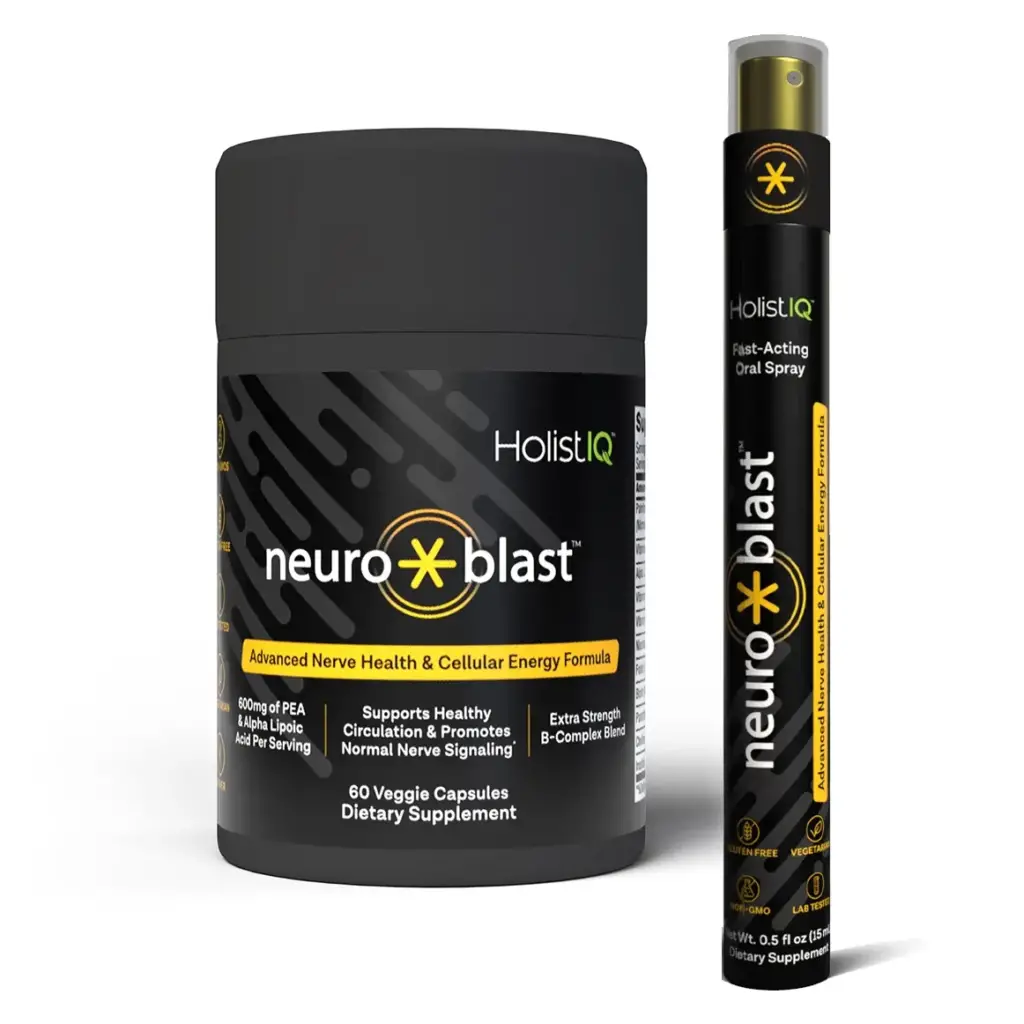
Adding targeted supplements to your routine can provide your body with the essential resources it needs to protect and maintain nerve cells. These nutrients play critical roles, from building the protective sheath that surrounds your nerves to fighting off the cellular damage that can lead to irritation and pain. It’s about creating an internal environment where your nerves can thrive. Many comprehensive formulas, like the Neuro-Blast System, are designed around these key ingredients to provide deep, cellular-level support. By focusing on these foundational nutrients, you can take an active role in managing your nerve health from the inside out.
Support Nerve Function with B Vitamins
When it comes to nerve health, B vitamins are true powerhouses. Vitamins B12 and B9 (folate), in particular, are essential for nerve health because they help maintain the myelin sheath—the protective coating that insulates your nerves and ensures signals are transmitted properly. When you’re deficient in these key vitamins, that protective layer can wear down, leaving your nerves vulnerable to damage and miscommunication. For many people, supplementing with B-complex vitamins can be a simple yet effective step toward giving your nerves the structural support they need to function correctly and reduce discomfort.
Get Antioxidant Support from Alpha-Lipoic Acid
Alpha-lipoic acid (ALA) is a powerful antioxidant that works to protect your cells from damage caused by free radicals. What makes it especially useful for nerve health is its ability to function in both water- and fat-based tissues, allowing it to work throughout the body. This cellular protection can be particularly helpful for individuals experiencing nerve discomfort related to high blood sugar. While research is still ongoing, early studies suggest that ALA can play a significant role in soothing the burning and tingling sensations associated with neuropathy, making it a promising addition to a nerve support plan.
Add Omega-3s and Magnesium to Your Routine
Chronic inflammation can put pressure on your nerves and contribute to ongoing discomfort. Omega-3 fatty acids, commonly found in fish oil, are well-known for their anti-inflammatory properties, which may help calm irritation throughout the nervous system. Alongside omega-3s, magnesium is another crucial mineral for nerve function. It plays a role in regulating nerve signals and helping to relax the nervous system. While more research is needed to fully understand their direct impact on neuropathy, incorporating these supplements can help create a healthier, less inflammatory environment for your nerves.
How Your Diet Can Reduce Neuropathy Discomfort
What you eat plays a huge role in how you feel, and that’s especially true when you’re dealing with nerve discomfort. Think of food as a tool that can either help calm your nerves or add to the irritation. By making thoughtful choices, you can create an internal environment that supports nerve health, reduces inflammation, and helps you feel more in control of your body. It’s not about a perfect diet, but about consistently giving your body the right building blocks for cellular repair.
A nutrient-rich diet works from the inside out, providing the vitamins and minerals your nervous system needs to function properly. When you focus on whole, unprocessed foods, you’re directly combating some of the underlying issues, like inflammation and oxidative stress, that can make neuropathy symptoms worse. This approach complements other efforts you’re making to manage your discomfort, creating a holistic plan for long-term wellness. Let’s look at a few simple, actionable ways you can adjust your meals to support your nerves and get back to feeling your best.
Eat Anti-Inflammatory Foods to Support Your Nerves
Inflammation is often a key player in nerve pain. When your body is in a constant state of inflammation, it can irritate sensitive nerves and make your symptoms worse. The good news is that you can fight back with your fork. Filling your plate with anti-inflammatory foods is a powerful strategy for calming your system. Think colorful fruits and vegetables like berries and leafy greens, healthy fats from avocados and olive oil, and fatty fish rich in omega-3s like salmon. Certain herbs and spices are also fantastic for this. Turmeric, which contains curcumin, is well-known for its anti-inflammatory properties. You can also explore adding cayenne pepper or black cumin to your meals for an extra soothing effect.
Manage Your Blood Sugar and Stay Hydrated
If your neuropathy is related to diabetes, managing your blood sugar is non-negotiable for nerve health. But even if it’s not, avoiding sharp spikes and crashes in blood sugar can help reduce nerve irritation. Foods that cause rapid sugar spikes—like white bread, sugary sweets, and heavily processed snacks—can contribute to inflammation and stress on your system. Instead, focus on balanced meals with lean protein, fiber-rich vegetables, and whole grains. This helps keep your energy steady and your nerves happy. And don’t forget about water! Staying properly hydrated is essential for all your body’s functions, including nerve signaling and cellular health.
Know Which Foods to Avoid
Just as important as what you add to your diet is what you choose to limit. Certain substances are known to aggravate nerve damage and can undo your hard work. Alcohol is a major one, as heavy use can be toxic to nerves and worsen neuropathy symptoms. It’s best to cut back significantly or avoid it altogether. Similarly, smoking damages blood vessels, which restricts blood flow and oxygen to your nerves, making the pain more intense. Beyond these, try to minimize your intake of highly processed foods, which are often packed with unhealthy fats, sugar, and artificial ingredients that can fuel inflammation.
Lifestyle Changes to Help Manage Nerve Pain
Making small adjustments to your daily routine can have a big impact on how you feel. Beyond diet and supplements, your lifestyle choices create the foundation for your overall well-being and can significantly influence nerve discomfort. The goal isn’t to overhaul your life overnight, but to incorporate simple, sustainable habits that support your nervous system and help you feel more in control.
Focusing on gentle movement, stress reduction, and maintaining a healthy weight can work together to reduce pressure on your nerves, improve circulation, and lower inflammation. Think of these changes as powerful tools you can use every day to support your body’s health and get you back to doing the things you love.
Try Gentle Exercise and Physical Therapy
When you’re dealing with discomfort, the thought of exercise can be intimidating. But gentle, consistent movement is one of the best things you can do for your nerve health. Being active helps improve blood flow to your arms and legs, delivering vital oxygen and nutrients to your nerves. For many, regular exercise can also help manage blood sugar levels, which is a key factor in preventing further nerve damage.
You don’t need to run a marathon to see benefits. Start with low-impact activities like walking, swimming, or gentle stretching. Many people find that practices like Tai Chi can also improve balance and reduce stress. A physical therapist can also create a personalized plan to help you build strength and stability safely.
Manage Stress and Improve Your Sleep
Stress and poor sleep can create a vicious cycle, making nerve pain feel more intense. When you’re stressed, your body releases hormones that can increase inflammation and pain sensitivity. A lack of quality sleep only makes this worse, leaving you feeling exhausted and less able to cope. Taking steps to manage your stress is a direct way to help soothe your nervous system.
Simple mindfulness techniques, like deep breathing or meditation, can help calm your mind and lessen the intensity of pain signals. Creating a relaxing bedtime routine—like turning off screens an hour before bed and making sure your room is cool and dark—can also pave the way for more restorative sleep, giving your body the time it needs to repair.
Find a Healthy Weight Management Plan
Maintaining a healthy weight is another important piece of the puzzle. Carrying extra weight can put added pressure on your nerves, particularly in your feet and legs, which can worsen symptoms. It can also contribute to systemic inflammation, which is often a root cause of nerve irritation. Finding a weight that’s healthy for you can relieve some of that physical strain and support your body’s overall function.
This isn’t about restrictive dieting. Instead, focus on creating a balanced, sustainable approach to eating that includes whole foods and regular, gentle movement. By combining a nutrient-rich diet with consistent activity, you can work toward a healthy weight that supports not just your nerves, but your entire body. A healthy weight management plan is a long-term strategy for feeling your best.
Natural Topical Treatments for Relief
When nerve discomfort flares up, finding immediate relief is a top priority. While internal support from diet and supplements works on the root causes, topical treatments and physical therapies can offer comfort right where you need it. These methods focus on soothing symptoms on the surface, helping to ease pain, reduce inflammation, and improve blood flow to the affected areas. Think of them as your go-to toolkit for managing daily discomfort. From a simple warm bath to a targeted massage with essential oils, these approaches can be easily integrated into your routine. They work wonderfully alongside a comprehensive nerve support system like Neuro-Blast, which provides deep, cellular-level support from within. By combining these external, soothing practices with a strong internal foundation, you create a powerful, two-pronged approach to managing your nerve health. It’s about having options and feeling empowered to handle your symptoms in the moment, so you can continue to live an active, fulfilling life. These natural topical solutions are gentle, accessible, and can make a real difference in your day-to-day comfort, helping you feel more in control and less defined by your discomfort. Let’s look at a few simple yet effective options you can try at home.
Soothe with Warm Therapy and Saltwater Baths
Sometimes the simplest remedies are the most effective. Soaking in a warm bath can be incredibly soothing for nerve discomfort. The warmth helps increase blood circulation to your hands and feet, which can ease the stiffness and numbness that often come with neuropathy. For an extra layer of relief, try adding Epsom salts or regular sea salt to your bath. The magnesium in Epsom salts is known to help relax muscles and reduce inflammation. Just a 20-minute soak can make a noticeable difference in your comfort levels, making it a perfect way to unwind at the end of the day.
Use Essential Oils and Massage for Relief
Essential oils offer a fragrant and therapeutic way to manage localized discomfort. Certain oils, like lavender, eucalyptus, and bergamot, contain properties that may help reduce pain and inflammation. The key is to never apply them directly to your skin. Always dilute a few drops of essential oil with a carrier oil, such as coconut, jojoba, or olive oil, before gently massaging it into the affected area. This not only protects your skin but also combines the benefits of the oils with the healing power of touch. A gentle massage can further improve circulation and provide a comforting sense of relief.
Explore Acupuncture and Other Therapies
Acupuncture is an ancient practice that involves stimulating specific points on the body, usually with thin needles. The goal is to trigger your body’s natural healing responses. Some studies suggest that acupuncture may prompt the nervous system to release chemicals that alter your perception of pain. While many people find it helpful for reducing neuropathy symptoms, it’s often considered a complementary therapy. This means it works best when used alongside your primary treatments. Other hands-on therapies like chiropractic care and reiki are also explored by some, but it’s always best to discuss these options with your doctor to see if they fit into your overall wellness plan.
What to Know Before Trying Natural Treatments
Exploring natural alternatives can feel empowering, giving you more options for managing your nerve discomfort. But before you add new herbs, supplements, or therapies to your routine, it’s important to proceed with care. “Natural” doesn’t automatically mean it’s the right fit for everyone, and your safety should always come first. Taking a thoughtful approach means understanding how a new remedy might interact with your current medications, ensuring you’re using high-quality products at the correct dosage, and knowing when to lean on your doctor for guidance. By covering these bases, you can create a relief plan that is both effective and safe, helping you feel confident in the choices you make for your health. This proactive mindset is key to finding what truly works for you on your journey to get moving again.
Check for Herb-Drug Interactions
One of the most important steps to take before trying an herbal remedy is to speak with your doctor. This is especially true if you are taking any prescription medications. Some herbs can have powerful effects and may interfere with how your medicines work, potentially making them less effective or causing harmful side effects. For example, certain supplements can affect blood thinners or medications for diabetes and blood pressure. To stay safe, make a complete list of everything you take—including prescriptions, over-the-counter drugs, and any other supplements—and review it with your healthcare provider. This simple conversation can help you avoid potentially dangerous herb-drug interactions and ensure your treatment plan remains safe and effective.
Look for Quality and Find the Right Dosage
When it comes to supplements and herbal products, quality can vary widely. The market isn’t regulated in the same way as prescription drugs, so it’s up to you to be a savvy consumer. Look for products that have been tested by a third party, which provides some assurance of quality and purity. Your doctor or pharmacist can often recommend reputable brands. Just as important is finding the right dosage. More is not always better, and the correct amount can depend on your individual health needs. For instance, essential oils should always be diluted with a carrier oil before being applied to the skin to prevent irritation. Your doctor can help you determine if you have any vitamin deficiencies and recommend the appropriate supplement dosage for your situation.
Know When to Talk to Your Doctor
Think of your doctor as your partner in managing your health. You should always consult them before starting any new natural treatment, but the conversation shouldn’t stop there. It’s crucial to check in with them if your symptoms get worse or if you experience any unusual reactions after trying a new remedy. Pay close attention to your body. If you notice an increase in tingling, numbness, or pain in your hands or feet, it’s time to call your doctor right away. This is particularly important for individuals with underlying conditions like diabetes. Professional guidance is essential for navigating nerve discomfort safely. A doctor-led team can provide the support you need to make informed decisions about your health and well-being.
How to Create Your Own Natural Relief Plan
Finding what works for your body is a personal journey, and creating a plan is the best way to take charge of your nerve health. A structured approach helps you combine different strategies, see what’s effective, and build habits that provide lasting comfort. Think of it as creating your own personalized toolkit for relief. By blending different natural therapies with supportive lifestyle changes, you can build a routine that helps you feel your best and get back to the activities you love. The key is to be patient, listen to your body, and make adjustments along the way.
Combine Therapies Safely and Effectively
A great relief plan often includes more than one strategy. Many natural remedies work together to support your body from different angles. For instance, certain medicinal herbs like turmeric and cayenne pepper are known for their anti-inflammatory effects, which can help soothe discomfort. You might pair a diet rich in these spices with a daily supplement routine. The most important step, however, is to talk with your doctor before adding anything new. This ensures that any herb or supplement is safe for you and won’t interfere with medications you’re already taking. A comprehensive approach like the Neuro-Blast system can also serve as a strong foundation for your plan, working to support nerve health on a cellular level.
Track Your Progress and Make Adjustments
How do you know if your plan is working? By keeping track. You don’t need a complicated system; a simple notebook or a note on your phone will do. Each day, jot down your discomfort levels, any new remedies you tried, and how you’re feeling overall. This log will help you spot patterns and identify which strategies are giving you the most relief. It also helps you know when something isn’t right. If your symptoms suddenly get worse or you have an unusual reaction to a new treatment, it’s a clear sign to stop and consult your doctor. Your relief plan should be flexible, so don’t be afraid to make changes based on what your body is telling you.
Build a Sustainable Plan for Long-Term Relief
The goal is to find lasting comfort, and that comes from consistency. The most effective plans are the ones you can stick with long-term. This means focusing on sustainable lifestyle changes rather than quick fixes. Incorporating gentle, regular exercise into your week can reduce pain and improve your overall health. Similarly, focusing on a balanced diet helps manage blood sugar and reduce inflammation. When you build these habits into your daily life, they become second nature. Think of it as creating a supportive environment where your nerves can thrive. A sustainable plan empowers you to manage your symptoms and focus on living a full, active life.
Related Articles
- Neuropathy Diet Guide: Foods to Eat & Avoid for Nerve Health
- Supplements for Neuropathy: What Works & What to Avoid
- How It Works – Neuro-Blast
Frequently Asked Questions
I’m interested in trying these natural remedies. What’s the most important first step? Your most important first step is to have a conversation with your doctor. Think of it as building your support team. Bringing a list of the specific herbs, supplements, or therapies you’re considering allows your doctor to review them with your unique health profile in mind. They can help you spot any potential interactions with medications you’re already taking and ensure the choices you make are both safe and beneficial for you.
How long will it take to feel a difference with these natural approaches? Patience and consistency are your best friends here. Unlike some medications that offer immediate effects, natural remedies and lifestyle changes work by supporting your body’s underlying health over time. Some people might notice subtle improvements in a few weeks, while for others it might take a couple of months. The key is to stick with your plan, as these changes are about creating long-term, sustainable comfort, not just a quick fix.
Can I replace my prescribed neuropathy medication with these herbs and supplements? You should never stop or change your prescribed medication without explicit guidance from your doctor. It’s best to view these natural options as complementary tools that can work alongside your current treatment plan. They can help manage symptoms and support your overall well-being, but they are not a substitute for the medical care prescribed by your healthcare provider.
There are so many suggestions here. Where’s the best place to start? It can definitely feel like a lot at once, so start small. Pick one or two changes that feel the most manageable for you right now. For many, focusing on diet is a great starting point because it’s something you control every day. You could begin by adding more anti-inflammatory foods to your meals or cutting back on sugar. Another great option is to incorporate a short, gentle walk into your daily routine. The goal is to build sustainable habits, not to do everything perfectly from day one.
Is changing my diet really that important for nerve pain? Yes, it truly is. The food you eat provides the building blocks your entire body uses for repair and function, including your nerves. A diet high in processed foods and sugar can create a constant state of inflammation, which can irritate your nerves and make discomfort worse. By shifting toward whole, nutrient-rich foods, you help calm that inflammation and give your nervous system the resources it needs to thrive.