
When your feet are tingling or burning, you just want something that works. While there are many suggestions out there, understanding why a remedy is effective can help you build a routine you can trust. If you’re asking, “what is a good home remedy for neuropathy of the feet?” you deserve an answer that’s not only practical but also makes sense. This guide breaks down the science behind the soothing. We’ll explore how things like heat therapy, gentle massage, and specific nutrients work on a physiological level to calm irritated nerves, improve circulation, and reduce pain signals, giving you the knowledge to create a relief plan that is both effective and sustainable.
Key Takeaways
- Pair daily remedies with long-term habits: Use strategies like warm foot baths and gentle massage for immediate comfort while building a strong foundation for nerve health through consistent, gentle movement and a nutrient-rich diet.
- Support your nerves from the inside out: Lasting relief depends on creating a healing internal environment. Prioritize restorative sleep, manage stress, and consider a comprehensive nerve support system to ensure your body has the specific nutrients it needs.
- Track your progress and know when to call your doctor: Keep a simple symptom diary to identify which remedies are most effective for you. This self-awareness helps you have more productive conversations with your doctor, especially if your symptoms change or worsen.
What is Foot Neuropathy (and Why Does It Happen)?
If you’re dealing with tingling, numbness, or sharp pains in your feet, you’re not just imagining it. These sensations are often signs of foot neuropathy, a condition that happens when the nerves in your feet are damaged. Think of your nerves as the body’s electrical wiring. When that wiring gets frayed, the signals can get mixed up, leading to discomfort that can seriously disrupt your life.
Understanding what’s happening with your nerves is the first step toward finding relief. It’s not just about managing the symptoms; it’s about getting to the root of the problem so you can feel more like yourself again. Let’s break down what foot neuropathy is, what it feels like, and why it happens.
What is peripheral neuropathy?
“Foot neuropathy” is a type of a broader condition called peripheral neuropathy. The term “peripheral” refers to the nerves outside your brain and spinal cord. These nerves connect your brain to the rest of your body, controlling everything from touch to muscle movement. When these nerves are damaged, their ability to communicate is compromised. It often starts in the longest nerves—the ones reaching your toes—which is why the feet are so commonly affected. This damage can interfere with your ability to feel and move, making it crucial to support your nervous system on a cellular level for lasting relief.
Common symptoms you might feel
Because neuropathy affects different types of nerves, symptoms can vary. You might experience one or a combination of these feelings, which often start gradually. Many people who have found relief describe similar starting points in their personal stories. Common sensory symptoms include a tingling “pins and needles” feeling, numbness, sharp or burning pain, and extreme sensitivity to touch. You might also notice motor symptoms like muscle weakness or loss of coordination, making simple activities like walking feel like a major challenge. It’s a frustrating experience that can make you feel unsteady on your own two feet.
What causes neuropathy in your feet?
Neuropathy is the result of underlying nerve damage, which can stem from various health issues. Identifying the cause with your doctor is a critical step toward an effective treatment plan. The most common cause is diabetes, as high blood sugar can be toxic to nerves over time. However, many other factors can contribute, including vitamin deficiencies (especially B vitamins), heavy alcohol use, autoimmune diseases, and certain medications like chemotherapy. Addressing these root causes is key, and a comprehensive nerve support system can help provide your body with what it needs for healthy nerve function.
Soothe Your Feet: Effective Home Remedies for Neuropathy
When you’re dealing with the tingling, burning, or numbness of foot neuropathy, finding relief can feel like a full-time job. While it’s essential to work with your doctor on a comprehensive treatment plan, there are several simple and effective home remedies you can try to manage your symptoms and soothe your feet. These strategies focus on improving circulation, reducing inflammation, and calming overactive nerves right where the discomfort starts.
Think of these remedies as your personal care toolkit. They are practical, accessible steps you can take daily to feel more comfortable and in control. Finding what works best for you might take a little experimentation, but incorporating these habits can make a significant difference in your day-to-day comfort and help you get back to the activities you love. Remember to listen to your body and choose the remedies that feel best for your specific symptoms.
Try a warm water soak or Epsom salt bath
A simple warm foot bath can be incredibly calming for irritated nerves. The warmth helps to increase blood flow to your feet, which can ease stiffness and reduce pain signals. For an added benefit, try adding Epsom salts to the water. These magnesium sulfate crystals can help reduce inflammation and soothe aching muscles. Just be sure the water is warm, not hot (around 100°F), to avoid burns, especially if neuropathy has reduced your sensitivity to temperature. Soaking for about 15 minutes is all you need to feel the comforting effects.
Use cold therapy and ice packs
While a warm soak is great for general aches, cold therapy can be your go-to for sudden, sharp nerve pain or swelling. An ice pack or a bag of frozen peas wrapped in a thin towel can help numb the area and reduce inflammation that might be pressing on your nerves. This method is particularly helpful for pain flare-ups. Apply the cold pack for 10 to 15 minutes at a time. It’s important not to leave it on for too long, as excessive cold can sometimes make nerve pain worse.
Learn gentle foot massage techniques
Massaging your feet is a fantastic way to ease nerve pain by improving circulation. Better blood flow brings more oxygen and nutrients to your nerves, which can help them function better and reduce discomfort. You don’t need to be a professional masseuse to reap the benefits. Simply use your thumbs to apply gentle, circular pressure to the soles of your feet, or roll your foot over a tennis ball. Even a few minutes of self-massage each day can help improve your balance and foot sensation over time.
Find the right compression socks and supportive shoes
What you wear on your feet matters. Compression socks apply gentle pressure to your feet and lower legs, which can help reduce swelling that puts pressure on your nerves. When shopping for a pair, look for socks that are seamless to prevent irritation and made from moisture-wicking fabric to keep your feet dry. It’s also crucial to wear supportive, well-fitting shoes that give your toes plenty of room. Avoid tight footwear that can pinch nerves and make your symptoms worse.
Explore topical treatments and essential oils
Over-the-counter topical treatments can provide targeted relief right where you need it. These creams, ointments, and patches are applied directly to the skin on your feet. Some contain ingredients like menthol or camphor for a cooling sensation, while others use capsaicin, the compound that makes chili peppers hot, to block pain signals. Lidocaine creams can also help by numbing the area. For a more natural approach, some people find relief by massaging their feet with essential oils like peppermint or chamomile diluted in a carrier oil.
The Science of Soothing: How These Remedies Work
It’s one thing to know that a warm bath or a gentle foot rub can make you feel better, but it’s another to understand why. These simple home remedies aren’t just comforting rituals; they’re backed by science and can create real physiological changes that ease nerve pain. When you understand how these methods work, you can use them more effectively and feel more confident in your self-care routine. Each remedy targets the discomfort in a slightly different way, from improving blood flow to calming overactive nerve signals. Let’s look at the science behind how these soothing strategies provide relief for your feet.
How heat and cold therapy provide relief
Alternating between heat and cold is a classic technique for managing pain, and it works well for neuropathy. Applying heat, like soaking your feet in a warm bath, helps widen your blood vessels. This process, called vasodilation, increases blood flow to the area, delivering more oxygen and nutrients to your damaged nerves and helping to relax tight muscles. Some people find this effective in reducing their symptoms.
On the other hand, cold therapy, like using an ice pack wrapped in a towel, does the opposite. It constricts blood vessels, which can reduce inflammation and swelling. The cold also has a numbing effect on the nerves, which can temporarily block pain signals from reaching your brain, providing immediate, localized relief.
Why massage improves nerve function
A gentle foot massage does more than just feel good—it actively supports your nerve health. The primary benefit comes from improved circulation. The act of massaging your feet and lower legs helps stimulate blood flow, which is crucial for nerve function. Better circulation means your nerves receive a steady supply of oxygen-rich blood, which they need to repair and work properly. This can help ease the tingling, numbness, and pain associated with neuropathy. Over time, regular, gentle massage can also help desensitize the nerves, making them less reactive to stimuli that would normally cause pain.
How compression reduces nerve pressure
If your feet are swollen, that extra fluid can put pressure on your already sensitive nerves, making your symptoms worse. This is where compression socks come in. They provide a gentle, consistent squeeze that helps prevent fluid from pooling in your feet and ankles. By reducing this swelling, or edema, you can alleviate the external pressure on your nerves. This gives your nerves more “breathing room,” which can significantly reduce pain and discomfort. It’s important to choose socks that provide light compression and aren’t too tight, as too much pressure could make things worse. The goal is gentle support, not constriction.
The role of topical treatments in easing pain
Topical treatments like creams, gels, and ointments can offer targeted relief right where you need it. These products are absorbed through the skin and work on the surface-level nerves. Many contain ingredients that create a distracting sensation, like the cooling feeling of menthol or camphor, which can override pain signals. Others use active ingredients like capsaicin, the compound that makes chili peppers hot. Capsaicin can initially cause a warm or stinging sensation but eventually works to desensitize nerve endings to pain. Another common ingredient is lidocaine, a local anesthetic that temporarily blocks nerve signals in the area, providing a numbing effect and quick relief.
Beyond Remedies: Lifestyle Habits for Healthier Nerves
While home remedies can offer immediate comfort, building healthy habits creates a strong foundation for long-term nerve health. Think of it as supporting your body from the inside out. Simple, consistent changes to your daily routine can make a significant difference in how you feel, helping to manage symptoms and improve your overall quality of life. These lifestyle adjustments work alongside other treatments to give your nerves the best possible environment to heal and function properly. By focusing on movement, nutrition, sleep, and stress management, you can take an active role in your own well-being and get back to doing the things you love.
Move your body to support nerve health
When your feet hurt, exercise might be the last thing on your mind. But gentle, consistent movement is one of the best things you can do for nerve pain. Regular, low-impact activity helps strengthen the muscles that support your feet and legs, which can ease discomfort and improve your balance. You don’t need an intense gym session; starting with five to ten minutes of gentle stretching each day can make a world of difference. Try simple balance exercises or light strength training to keep your muscles active. The goal is to improve blood flow and reduce stiffness without causing more pain, helping your body support itself better.
Eat foods that nourish your nervous system
The food you eat provides the building blocks for your entire body, including your delicate nervous system. A diet rich in vitamins and minerals is essential for nerve function and repair. You can support your nerves by eating a balanced diet filled with a colorful variety of fruits and vegetables, whole grains, and lean proteins. These foods supply the nutrients your nerves need to thrive. Making small, sustainable changes to your meals is a powerful way to invest in your long-term health. By focusing on whole foods, you give your body the fuel it needs to manage symptoms and promote healing from within.
Build sleep habits that promote healing
A good night’s sleep is not a luxury—it’s a necessity for managing nerve pain. Pain can disrupt sleep, and a lack of sleep can, in turn, make pain feel more intense. This frustrating cycle happens because poor sleep can increase stress hormones and inflammation in your body. To break the cycle, try to establish a relaxing bedtime routine. This could include turning off screens an hour before bed, taking a warm bath, or practicing a few minutes of quiet meditation. Creating a consistent sleep schedule, even on weekends, helps regulate your body’s internal clock and promotes the restorative rest your nerves need to heal.
Manage stress to reduce pain
Stress has a direct impact on your physical health, and it can significantly amplify the pain you feel from neuropathy. When you’re stressed, your body is on high alert, and your nerves can become more sensitive. Learning to manage your stress is a key part of any pain management plan. You can start with simple techniques like deep breathing exercises, spending time in nature, or listening to calming music. Even a few minutes of mindfulness each day can help lower your stress levels and, as a result, may lessen the intensity of your nerve pain. Finding what works for you is a personal process, but the effort is well worth it.
Why to avoid alcohol and tobacco
Certain lifestyle choices can directly interfere with your body’s ability to manage nerve pain. Heavy alcohol consumption is a known cause of neuropathy because it can be toxic to nerve tissue. It damages the protective coating around your nerves, leading to more pain and discomfort. Similarly, smoking can make nerve pain worse. Nicotine narrows your blood vessels, which reduces blood flow and makes it harder for nutrients to reach your nerves. This slows down the healing process and can increase inflammation. Reducing or eliminating alcohol and tobacco is a proactive step you can take to protect your nerves from further damage and support your body’s natural healing capabilities.
Fueling Your Nerves: Supplements That Can Help
While topical treatments and lifestyle changes can make a big difference, what you put inside your body is just as important for nerve health. A balanced diet rich in vitamins and minerals is your first line of defense. However, sometimes our bodies need a little extra help to get the specific nutrients required for nerve repair and function. Certain supplements can provide a more concentrated dose of these nerve-loving compounds, working from within to soothe discomfort and support your body’s natural healing processes. Let’s look at a few key players that have shown promise in supporting nerve health.
B vitamins for nerve repair
Think of B vitamins as the construction crew for your nervous system. They play a vital role in maintaining the health of your nerve cells, particularly in repairing and protecting the myelin sheath—the insulating layer that surrounds your nerves. When this sheath is damaged, nerve signals can get scrambled, leading to pain, tingling, and numbness. A deficiency in B12 is especially linked to nerve pain, so ensuring you have enough is crucial. Other B vitamins, like B1 and B6, are also essential for proper nerve function. Getting a full spectrum of B vitamins can help provide the building blocks your body needs to maintain a healthy nervous system.
Alpha-lipoic acid and other antioxidants
Alpha-lipoic acid, or ALA, is a powerful antioxidant that your body produces naturally. What makes it special is that it works in both water and fatty tissues, allowing it to protect virtually every cell in your body, including your delicate nerve cells. Oxidative stress from free radicals can damage nerves over time, contributing to the symptoms of neuropathy. ALA helps neutralize these harmful molecules, protecting nerves from further damage. Some research suggests it may even help improve how nerves send signals, potentially easing symptoms like burning and pain. Adding an antioxidant like ALA to your routine can give your nerves an extra layer of defense against daily stressors.
Omega-3 fatty acids to reduce inflammation
You’ve probably heard about the benefits of omega-3s for heart and brain health, but they’re also fantastic for your nerves. Found in sources like fish oil, these healthy fats are known for their powerful anti-inflammatory properties. Chronic inflammation is a major contributor to nerve pain and can prevent nerves from healing properly. By helping to reduce inflammation and pain, omega-3 fatty acids can create a more favorable environment for your nerves to function and repair. This can be especially helpful for those dealing with diabetic neuropathy, where inflammation often plays a significant role in the progression of nerve discomfort.
Consider a professional-grade nerve support system
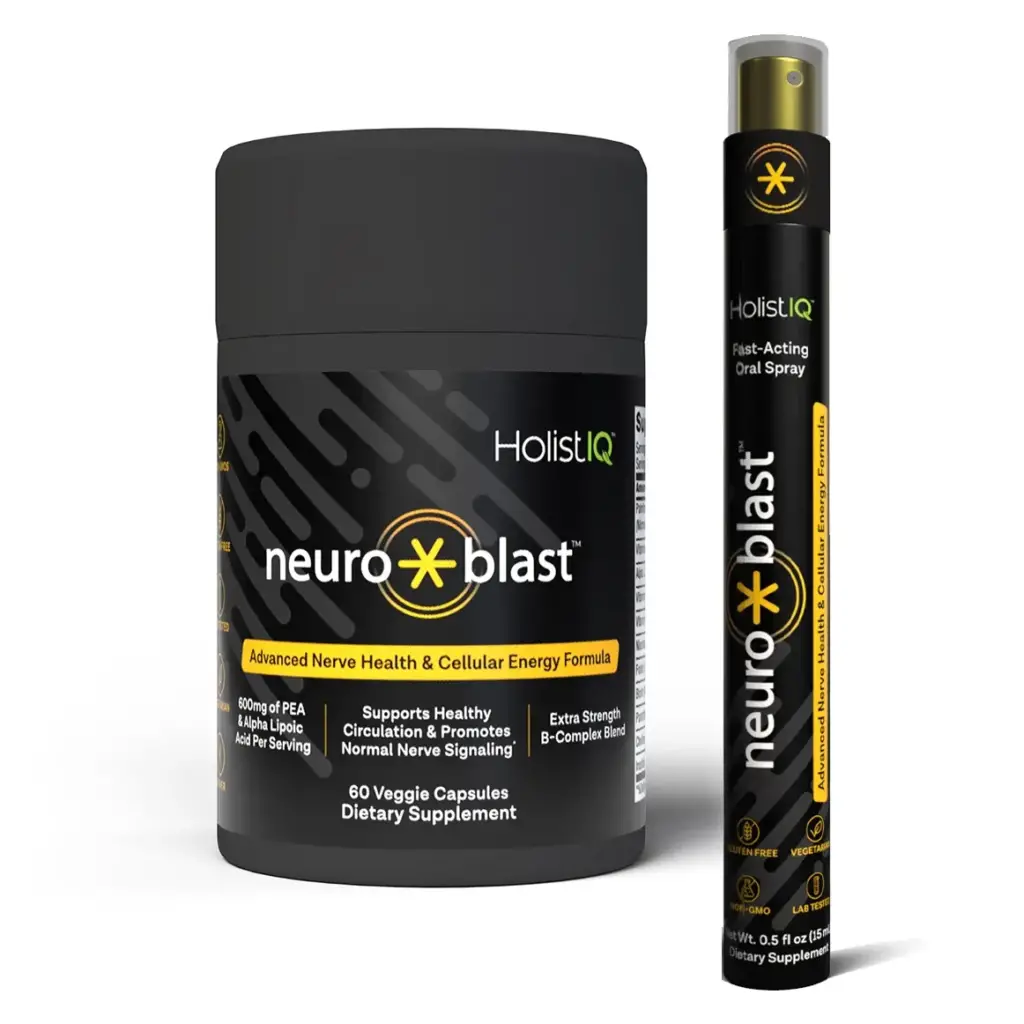
Trying to figure out the right combination and dosage of individual supplements can feel overwhelming. That’s where a comprehensive, professional-grade nerve support system can be a game-changer. Instead of guessing, you get a formula specifically designed to address the complex needs of your nervous system. These systems, like the Neuro-Blast System, are often doctor-led and contain a synergistic blend of vitamins, antioxidants, and other compounds that work together to provide deep, cellular-level support. This approach focuses on addressing the root causes of nerve discomfort, helping your body heal from the inside out so you can get back to moving with confidence and ease.
Are Your Remedies Working? How to Track Your Progress
When you’re trying different home remedies, it’s easy to wonder, “Is this actually doing anything?” The key is to become a bit of a detective with your own body. Tracking your progress helps you see what’s making a difference, what’s not, and how to build a routine that truly supports your nerve health. It’s not about finding a magic bullet, but about identifying the small, consistent changes that add up to real relief.
Signs of improvement to look for
Improvement might not feel like a huge, sudden shift. Often, it’s a collection of small wins. You might notice the burning sensation in your feet isn’t as intense at the end of the day, or maybe you can stand for a few more minutes while cooking dinner. Research shows that consistent practices like gentle exercise or heat therapy are effective self-initiated interventions that can lead to these kinds of positive changes. Keep an eye out for these subtle signs: less pain, improved balance or mobility, and an overall greater sense of comfort in your feet. These are all indicators that your efforts are paying off.
How to track your symptoms effectively
The best way to see what’s working is to write it down. Start a simple symptom diary in a notebook or on your phone. Each day, jot down your pain level on a scale of 1 to 10, the type of sensations you’re feeling (tingling, numbness, etc.), and which remedies you used. Did you try a warm foot bath, wear compression socks, or do some gentle stretches? Note how you feel afterward. Over time, you’ll start to see patterns emerge, helping you pinpoint which home remedies for nerve pain give you the most consistent relief.
Set realistic expectations for relief
It’s so important to be patient with yourself and your body. Nerve support is a marathon, not a sprint. While many natural treatments for neuropathy can help manage symptoms, results vary from person to person and can take time to become noticeable. What works wonders for a friend might only provide mild relief for you, and that’s completely normal. The goal is to find your personal combination of strategies that make your days more comfortable. Celebrate the small improvements and remember that consistency is more important than finding an overnight fix.
When to See a Doctor About Your Foot Pain
While home remedies can be a fantastic way to manage day-to-day discomfort, they aren’t a substitute for professional medical care. Knowing when to pick up the phone and call your doctor—or even when to head to the emergency room—is a critical part of taking control of your nerve health. Foot pain from neuropathy can range from a mild annoyance to a sign of something more serious. Listening to your body and understanding the difference is key.
This isn’t about causing alarm; it’s about empowering you with the knowledge to act confidently when your body sends you a clear signal that it needs help. Sometimes, new or worsening symptoms are your body’s way of telling you that your current plan needs adjusting. Other times, they can point to an urgent issue that requires immediate attention. Recognizing these signs early can make a significant difference in your long-term well-being and mobility. Let’s walk through the specific symptoms that mean it’s time to seek professional advice for your peripheral neuropathy.
Red flags that need immediate attention
Some symptoms are more than just warning signs—they’re emergencies. If you experience any of the following, please don’t wait. Head to the nearest emergency room right away, as these can indicate serious conditions like a stroke or Guillain-Barré syndrome. Look out for:
- Sudden weakness, numbness, or paralysis, especially if it’s only on one side of your body
- Facial drooping or sudden trouble walking or speaking
- Numbness or tingling that starts in your feet and hands and quickly moves up your body
- Difficulty breathing or swallowing
- An irregular heartbeat, severe dizziness, or fainting when you stand up
Symptoms that mean your neuropathy is worsening
Neuropathy isn’t always static; symptoms can change or intensify over time. If you notice your symptoms are getting worse, it’s time to schedule an appointment with your doctor. This doesn’t necessarily mean an emergency, but it does signal that your treatment plan may need an update. Pay attention to new or increasing issues with:
- Movement: More muscle weakness, cramping, or clumsiness.
- Sensation: Worsening tingling or numbness, or pain that has become more intense.
- Body Functions: New problems with sweating, digestion, bladder control, or sudden blood pressure changes.
These are important clues for your doctor to understand how your condition is progressing.
How to work with your doctor on a treatment plan
Your doctor is your partner in managing neuropathy. The sooner you address symptoms, the more options you may have to limit their impact. When you meet with your provider, be open and detailed about what you’re experiencing. Don’t downplay your pain or discomfort. A clear picture helps them create the most effective treatment plan for you. It’s also important to understand how different support systems work on a cellular level so you can have an informed discussion. Always follow your doctor’s recommendations and let them know immediately if you notice any new symptoms or side effects from treatment. Your active participation is essential.
Putting It All Together: Your Personal Relief Plan
Finding what works for your nerve pain is a personal journey. There’s no single magic bullet, but creating a holistic plan that combines different strategies can make a world of difference. Think of it like building a toolkit—the more effective tools you have, the better equipped you’ll be to manage your symptoms and get back to the activities you love.
The key is to layer different approaches, from home remedies and lifestyle changes to targeted support systems. By listening to your body and consistently applying these strategies, you can create a sustainable routine that supports your nerve health from the inside out. It’s about more than just temporary relief; it’s about building a foundation for long-term comfort and mobility. Let’s walk through how to create a plan that’s right for you.
Combine different approaches safely
The best relief plans often weave together multiple strategies. Home remedies like warm soaks and gentle massage can work beautifully alongside your doctor’s recommendations and other treatments. Many people find that combining physical therapies with nutritional support gives them the best results. For example, you might use a topical cream for immediate comfort while also taking supplements that provide deep, cellular-level support for your nerves over time.
The most important rule is to be safe. Always talk with your doctor before adding new supplements or therapies to your routine, especially if you’re taking prescription medications. They can help you understand potential interactions and ensure your plan is both safe and effective for your specific needs.
Build sustainable daily habits
Consistency is your best friend when it comes to managing nerve pain. Small, daily habits can add up to significant improvements over time. Start by incorporating gentle movement into your day, like stretching or short walks, to strengthen your muscles and support circulation. Focus on eating a balanced diet full of fruits, vegetables, and lean protein to give your nerves the nutrients they need to function well.
Prioritizing sleep is also non-negotiable for healing. Aim for a regular sleep schedule and create a relaxing bedtime routine. Adding a comprehensive system like Neuro-Blast into your morning and evening routine can also create a simple, sustainable habit that provides ongoing support for your nervous system.
Avoid common mistakes that can worsen symptoms
Just as important as what you do is what you don’t do. Certain habits can actively work against your efforts and make nerve pain worse. Smoking is a major one, as it constricts blood vessels and hinders your nerves’ ability to heal. Heavy alcohol use can also be toxic to nerve tissue, so it’s best to limit or avoid it.
Another common mistake is reaching for standard over-the-counter painkillers like ibuprofen. These often don’t work for nerve pain because it originates from the nerves themselves, not from inflammation in the surrounding tissue. Instead of relying on general pain relievers, focus on strategies and products specifically designed for nerve health. Answering these common questions can help you find the right approach.
Related Articles
- Neuropathy Diet Guide: Foods to Eat & Avoid for Nerve Health
- Alpha Lipoic Acid for Nerve Regeneration in Your Feet
- Supplements for Neuropathy: What Works, What Doesn’t, and What to Look For
- How to Use Alpha Lipoic Acid for Foot Neuropathy
- When Neuropathy hits your legs, it also toys with your mind.
Frequently Asked Questions
How long will it take for these home remedies to start working? There isn’t a set timeline, as everyone’s body responds differently. Some remedies, like a warm soak or a topical cream, can offer immediate, temporary comfort. However, lifestyle changes and supplements work on a deeper level, and you might notice gradual improvements over several weeks or even months. The key is consistency. Tracking your symptoms in a journal can help you see the small but steady progress you’re making.
Can I use both heat and cold therapy on the same day? Yes, you can, but it’s best to use them for different purposes. Think of heat as a tool for soothing general, persistent aches and stiffness because it helps increase blood flow. Cold therapy is more effective for sharp, sudden pain flare-ups or swelling, as it helps numb the area and reduce inflammation. Listen to your body and use whichever therapy feels most comforting for the specific sensation you’re experiencing at that moment.
Why don’t standard over-the-counter painkillers help with this type of foot pain? It’s a common frustration, but there’s a simple reason for it. Most over-the-counter pain relievers, like ibuprofen, are designed to target inflammation in muscles and joints. Nerve pain is different because it originates from the nerves themselves, not from surrounding tissue inflammation. That’s why strategies that directly soothe or support the nervous system are often much more effective.
Is it safe to exercise if I have numbness in my feet? This is an important question, and the answer is yes, with caution. Numbness can affect your balance, so it’s crucial to choose safe, low-impact activities. Seated exercises, swimming, or stationary cycling are excellent options. If you’re doing exercises that require balance, make sure you have a sturdy chair or wall nearby to hold onto for support. Always start slowly and check with your doctor to create an exercise plan that is safe for you.
With so many suggestions, where is the best place to start? Feeling overwhelmed is completely understandable. A great starting point is to pick one small, manageable habit from two different areas. For example, you could commit to a 15-minute warm foot soak every evening (a home remedy) and a 10-minute gentle stretching routine each morning (a lifestyle habit). Starting small makes it easier to stay consistent, and once those habits are established, you can gradually build on them to create a more comprehensive plan.